
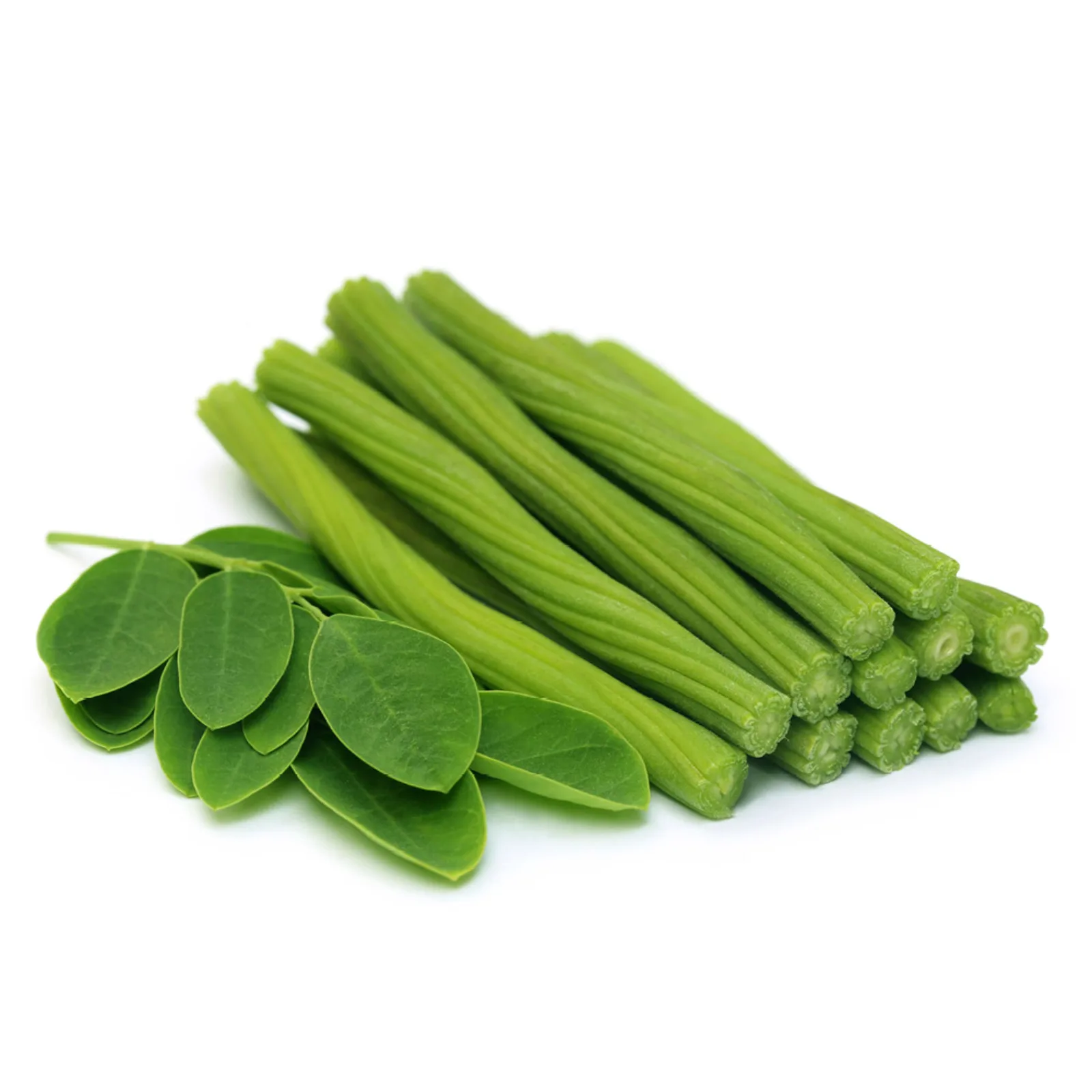
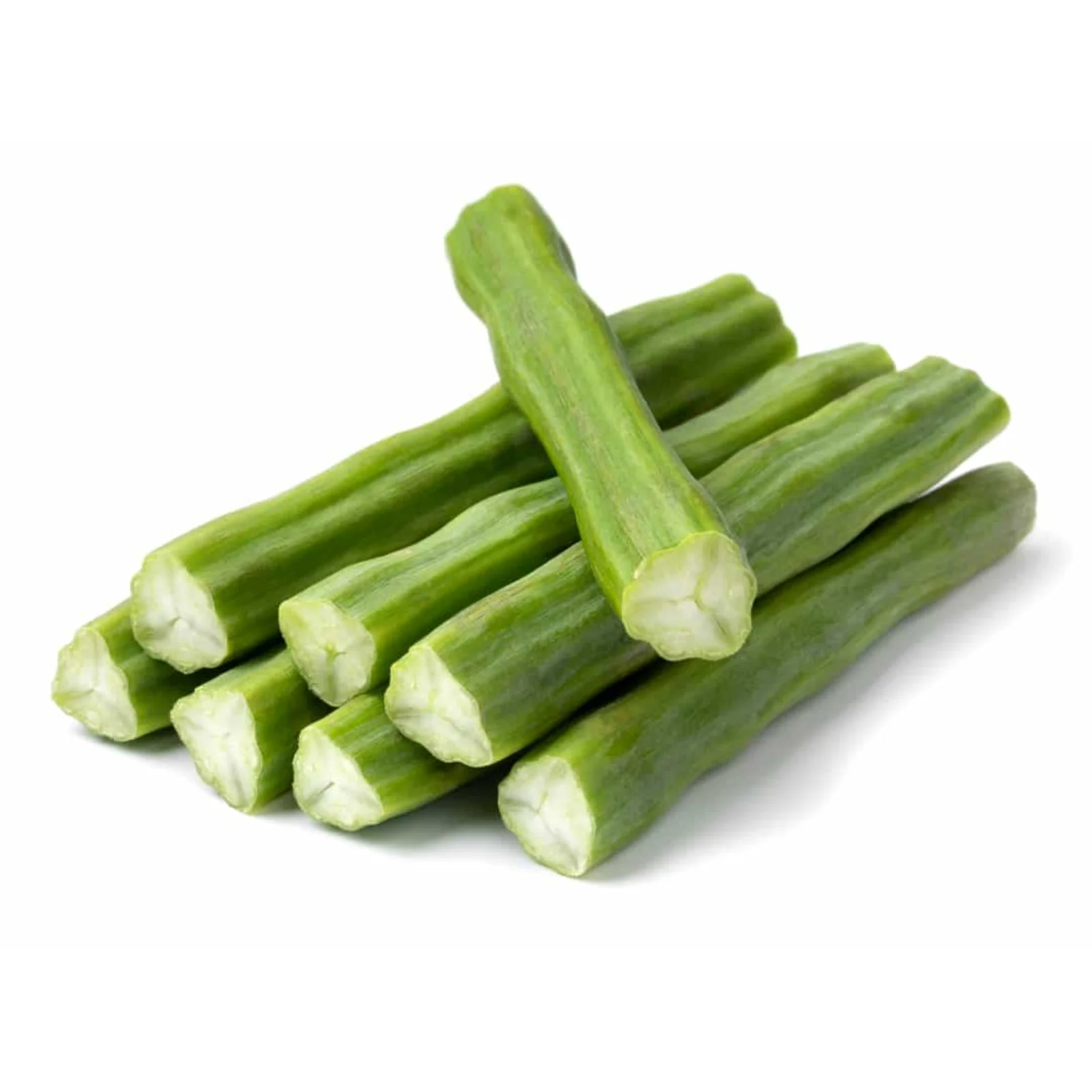
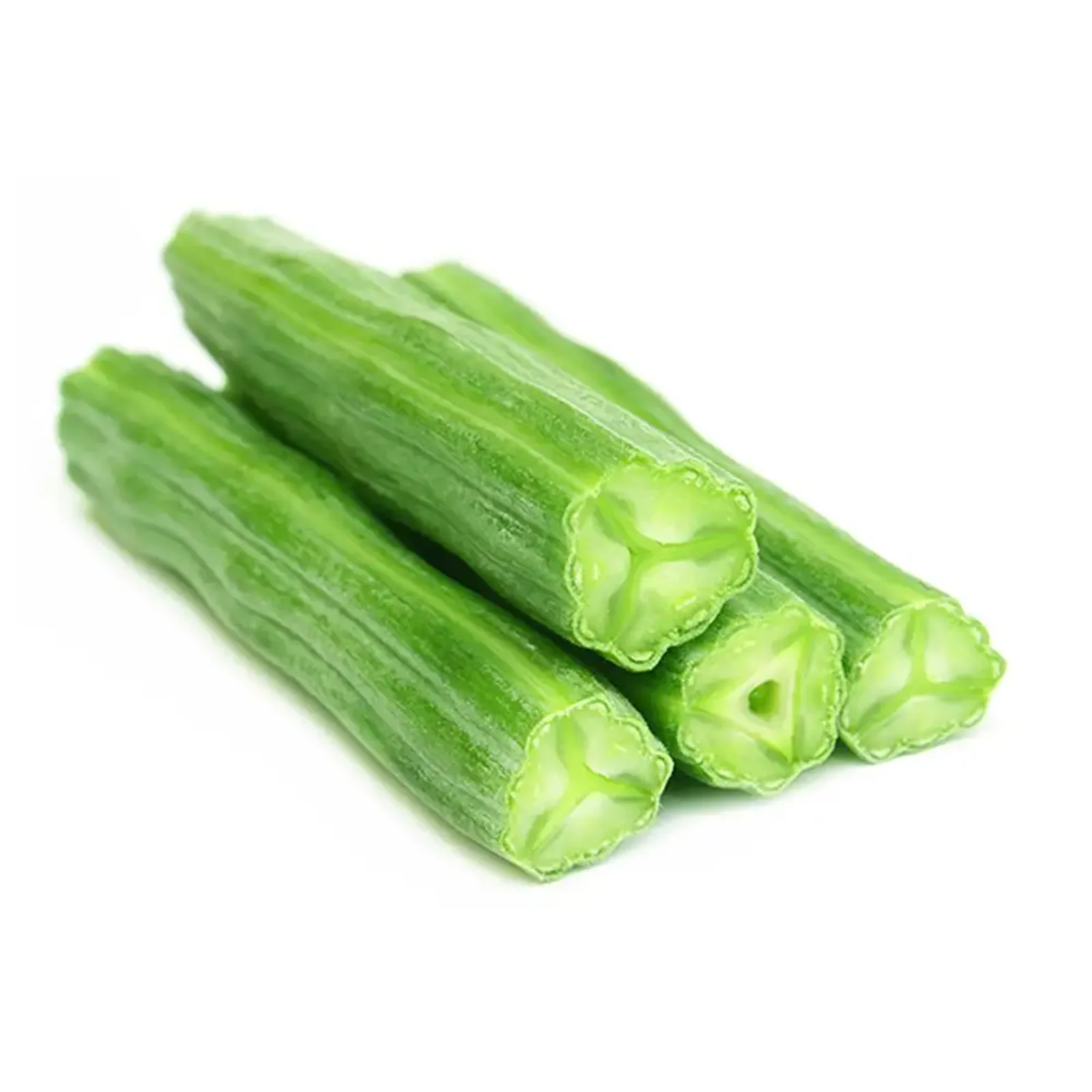
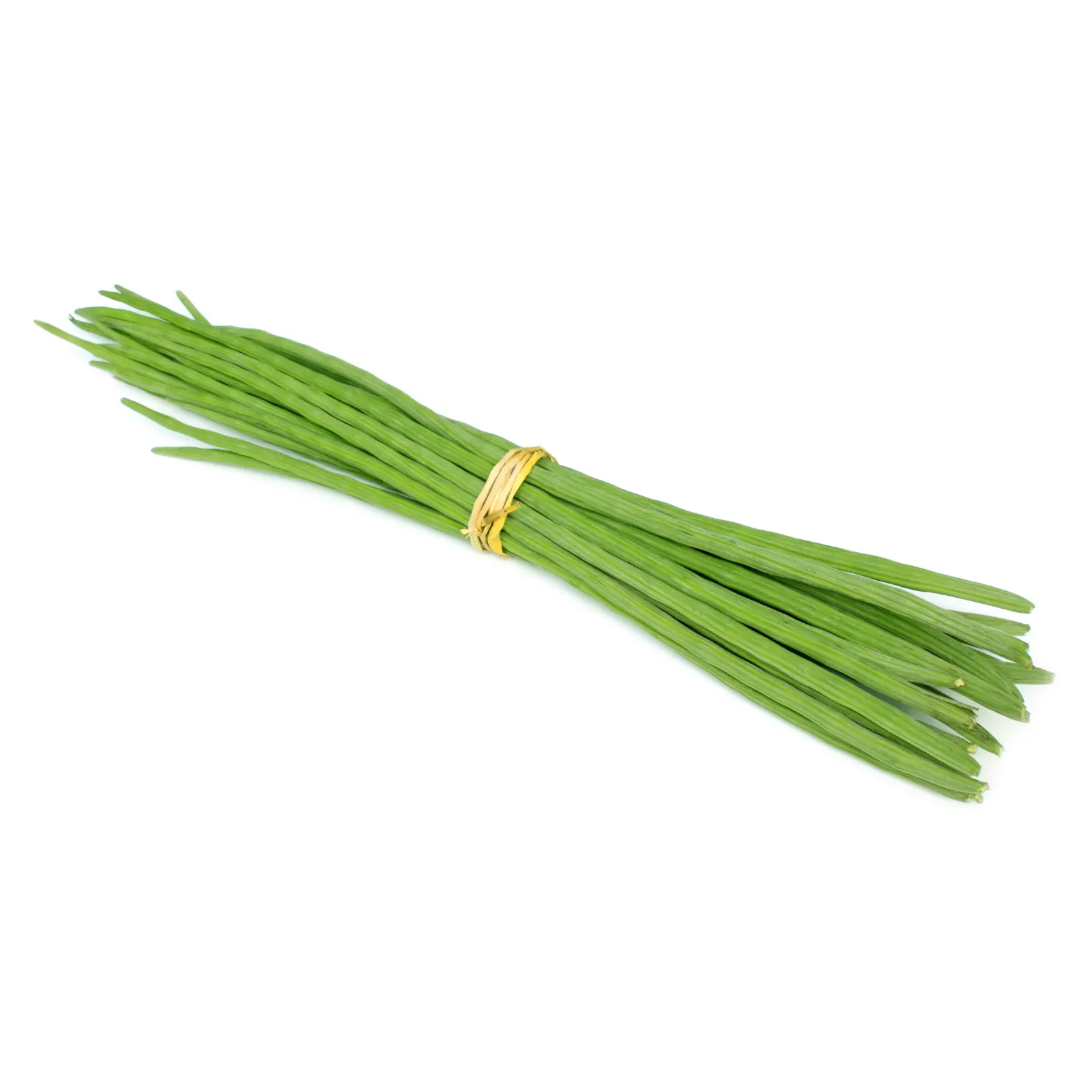
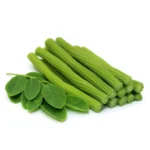
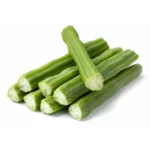
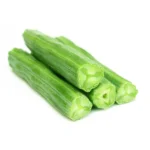
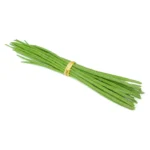
Grow one of the most valuable and versatile plants at home with Drumstick / Moringa Seeds. Known as Moringa Oleifera, Drumstick Tree, Sajna, Munaga, Murungai, and the famous Miracle Tree, this plant is loved across India for its highly nutritious leaves, flowers, and long tender pods used in curries, sambhar, soups, and traditional cooking.
If you are searching for best moringa seeds online, drumstick seeds India, high germination moringa seeds, vegetable tree seeds, fast growing tree seeds, or moringa seeds for pots, this is one of the best choices for home gardeners and farmers.
Moringa is a fast-growing, drought-tolerant tree widely cultivated in India and performs best in warm sunny conditions. Fresh seed commonly germinates in about 7–14 days under warm temperatures with moist but well-drained soil.
Product Highlights
- Fast-growing perennial tree
- Highly nutritious edible leaves and pods
- Easy to grow in Indian climate
- Suitable for terrace gardens & farms
- Excellent for kitchen gardens
- Low maintenance after establishment
- Long productive life
- Great for organic gardening
Quick Growing Information
| Growing Factor | Details |
|---|---|
| Best Sowing Time | February to September in warm regions; avoid frost |
| Germination Time | 7 to 14 days |
| First Leaf Harvest | 45 to 60 days |
| Pod Harvest Time | 6 to 8 months (variety dependent) |
| Sunlight Need | 6 to 8+ hours daily |
| Water Need | Moderate |
Warm weather supports faster germination and vigorous growth. Direct sowing is commonly recommended because moringa dislikes root disturbance.
Germination Process of Drumstick / Moringa Seeds
Growing moringa from seed is simple when warmth and drainage are managed properly.
- Step 1: Select Fresh Seeds: Use healthy, mature seeds for better sprouting.
- Step 2: Optional Pre-Soaking: Soak seeds in water for 12–24 hours to soften the shell and improve germination speed. Some growers recommend this for faster emergence.
- Step 3: Prepare the Soil: Use loose, fertile, well-drained soil.
- Step 4: Direct Sowing Recommended: Sow directly into final pot or ground because moringa roots grow quickly and transplanting can stress young seedlings.
- Step 5: Sowing Depth: Plant seeds 2–3 cm deep.
- Step 6: Water Gently: Water after sowing and keep soil slightly moist.
- Step 7: Germination Time: Seeds usually sprout in 7–14 days in warm weather.
- Step 8: Thinning: If multiple seeds are planted together, keep the healthiest seedling.
- Germination Tips:
- Use warm temperatures (25°C–35°C ideal)
- Never waterlog soil
- Give bright sunlight after sprouting
- Use fresh seeds for better success
- Protect seedlings from heavy rain initially
- Sunlight Requirement: Moringa loves sunlight and grows fastest in open sunny areas.
- Ideal Sunlight Need:
- Minimum: 5 hours sunlight
- Best Growth: 6 to 8+ hours direct sun
- Full sun gives stronger stems and better poding later.
- Best Places to Grow:
- Terrace garden
- Balcony with full sun
- Backyard open ground
- Farm boundaries
- Rooftop grow bags
- Low Light Problems: If grown in shade, moringa may show:
- Weak thin stems
- Slow growth
- Fewer branches
- Reduced flowering and pod set
Soil & Fertilizer Requirement for Best Foliage and Flowering
Healthy roots create strong leaf growth and future drumstick production.
- 40% garden soil
- 30% compost/vermicompost
- 20% river sand
- 10% cocopeat
- Best Soil for Ground Planting: Use loose soil with good drainage. Moringa performs well in many soils but dislikes standing water.
- Soil pH: Slightly neutral to mildly alkaline soil works well.
- Fertilizer Schedule:
- At Planting
- Mix:
- Well-rotted cow manure
- Vermicompost
- Neem cake
- Mix:
- After 30 Days
- Feed with:
- Compost tea
- Seaweed tonic
- Organic liquid fertilizer
- Feed with:
- Every 45 Days
- Add:
- Vermicompost around root zone
- Bone meal or phosphorus source
- Wood ash (small quantity)
- Add:
- At Planting
- For Best Leaf Growth: Use moderate nitrogen from compost.
- For Flowering & Pods: Use phosphorus + potash.
- Avoid Overfeeding: Too much fertilizer can create excessive soft growth and weak stems.
Water Requirement
Moringa becomes drought tolerant once established, but seedlings need regular care.
- Watering Guide:
- During Germination: Light watering daily or when topsoil begins drying.
- Young Plants (1–2 Months): Water every 2–3 days depending on weather.
- Established Plants: Water deeply once or twice weekly depending on heat and soil.
- Rainy Season: Reduce watering.
- Important Rule: Never keep roots in soggy soil. Too much water can cause:
- Root rot
- Yellow leaves
- Slow growth
- Stem weakness
Pest Control
Moringa is generally hardy, but young plants may occasionally face pests.
- Common Pests
- Aphids: Small sap suckers on tender shoots.
- Caterpillars: May chew leaves.
- Whiteflies: Seen on underside of leaves.
- Mealybugs: White cotton-like insects.
- Termites (Dry Areas): May attack weak stems.
- Organic Pest Control
- Neem Oil Spray: Mix neem oil + mild soap + water and spray weekly.
- Garlic-Chili Spray: Natural deterrent for chewing insects.
- Yellow Sticky Traps: Useful for whiteflies.
- Hand Picking: Remove caterpillars manually.
- Pruning: Trim damaged branches.
- Disease Prevention
- Avoid waterlogging
- Maintain airflow
- Do not overcrowd plants
- Keep area weed free
Harvest Time & Uses
- Leaf Harvest: Tender leaves can often be harvested from 45–60 days after growth begins.
- Pod Harvest: Depending on variety and climate, drumsticks may start in 6–8 months.
- Regular Pruning Improves Yield: Cutting tops encourages branching, making harvest easier and increasing pod production. Early shaping is widely recommended by growers.
- Uses of Moringa
- Drumsticks for sambhar & curry
- Leaves for stir fry & powder
- Flowers edible in recipes
- Kitchen garden nutrition source
- Shade & ornamental tree use
Final Words
If you want a fast-growing, productive, highly useful tree for your home garden or farm, Drumstick / Moringa Seeds are one of the smartest choices. This plant gives edible leaves, flowers, and pods while requiring relatively simple care once established.
With strong sunlight, good drainage, moderate watering, and occasional feeding, moringa rewards growers with rapid growth and repeated harvests. It is ideal for Indian weather, terrace gardens, open plots, and sustainable kitchen gardens.
FAQs
-
How long do Drumstick / Moringa seeds take to germinate?
Usually 7 to 14 days in warm temperatures with moist soil.
-
Can I grow moringa in pots?
Yes. Use a large deep container with drainage holes.
-
How much sunlight does moringa need?
Best growth comes with 6 to 8+ hours direct sunlight.
-
When will I get drumsticks after sowing?
Many varieties start producing in 6 to 8 months, depending on care and climate.
-
Is moringa easy to grow in India?
Yes. It grows very well in warm Indian climates and is beginner friendly.
Reviews
There are no reviews yet