
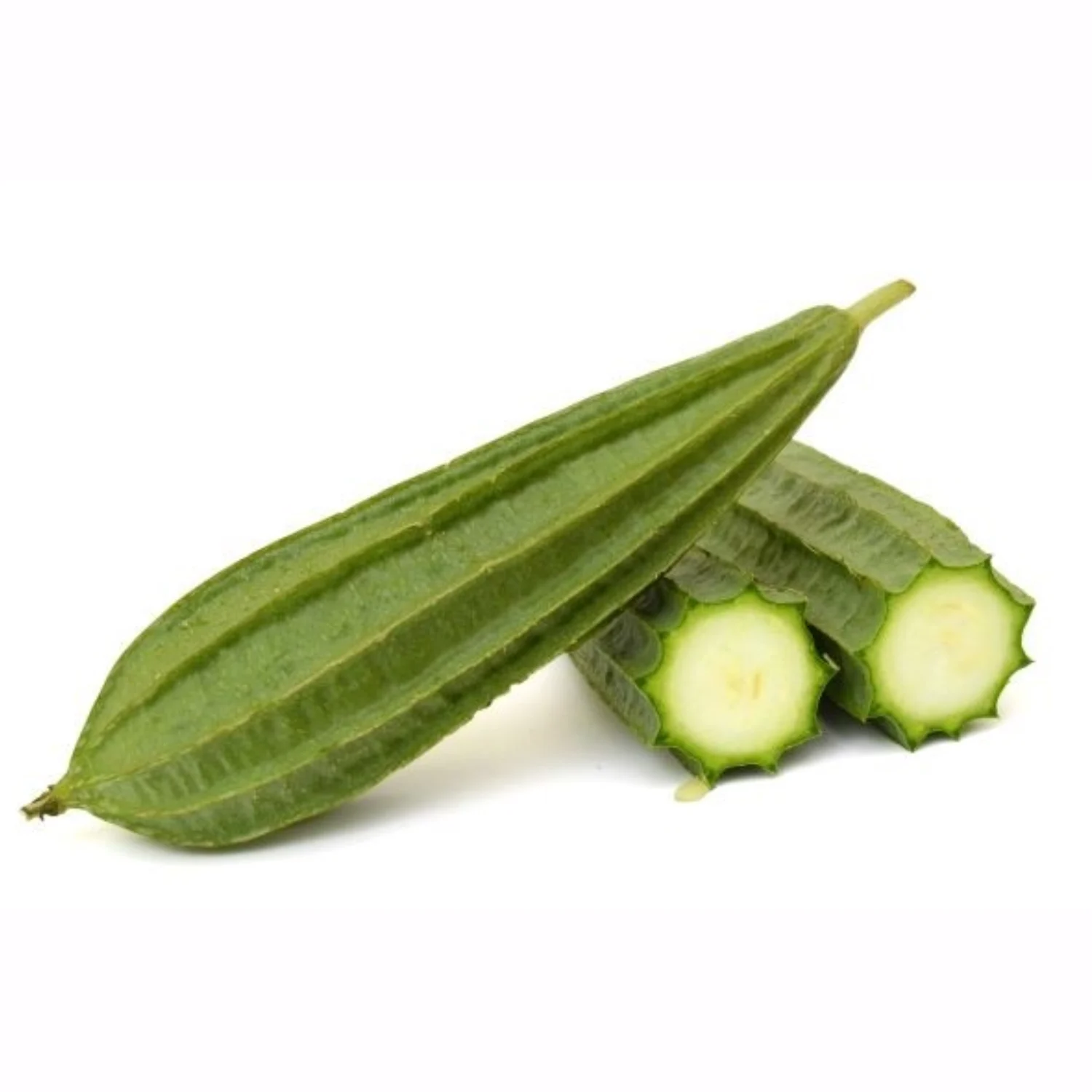
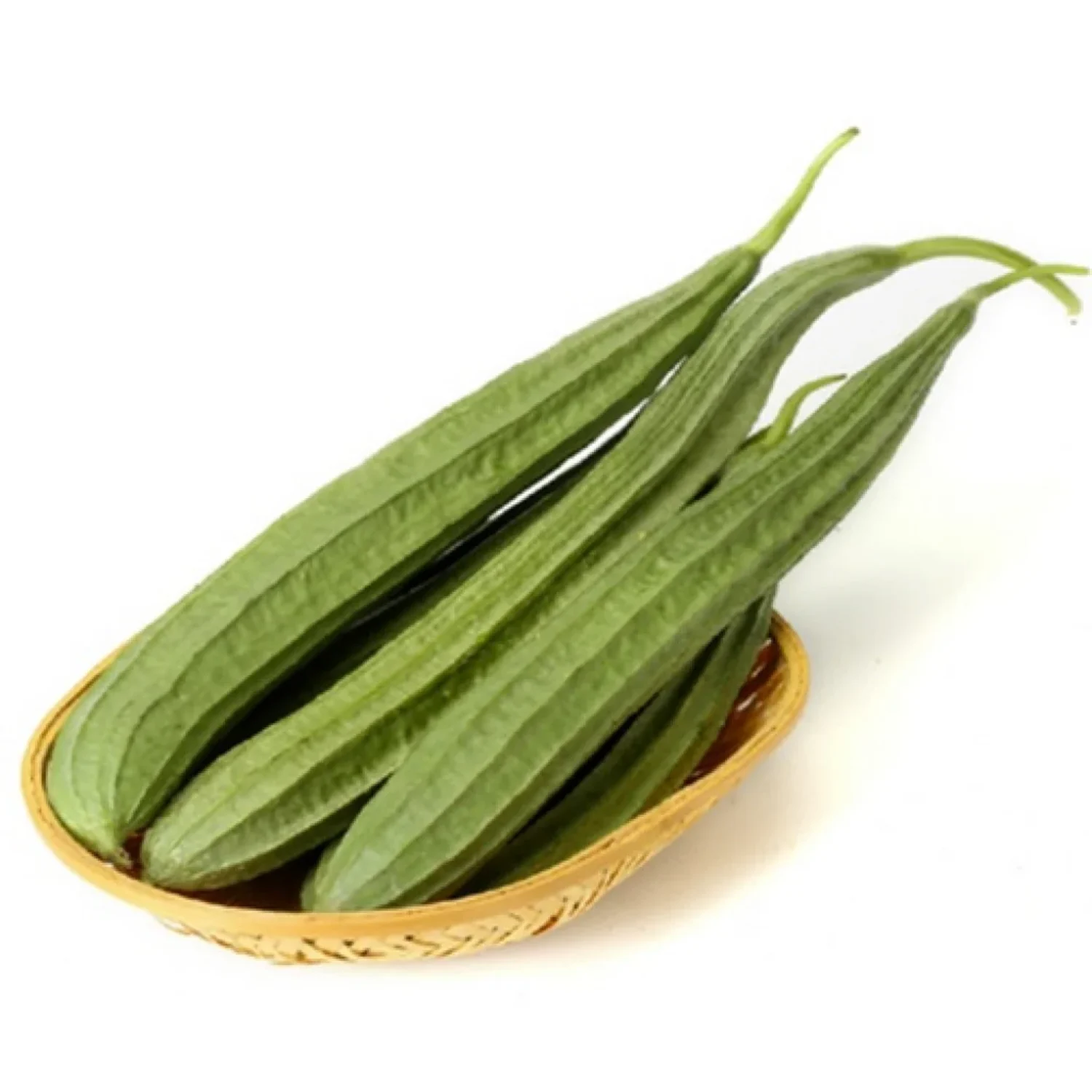
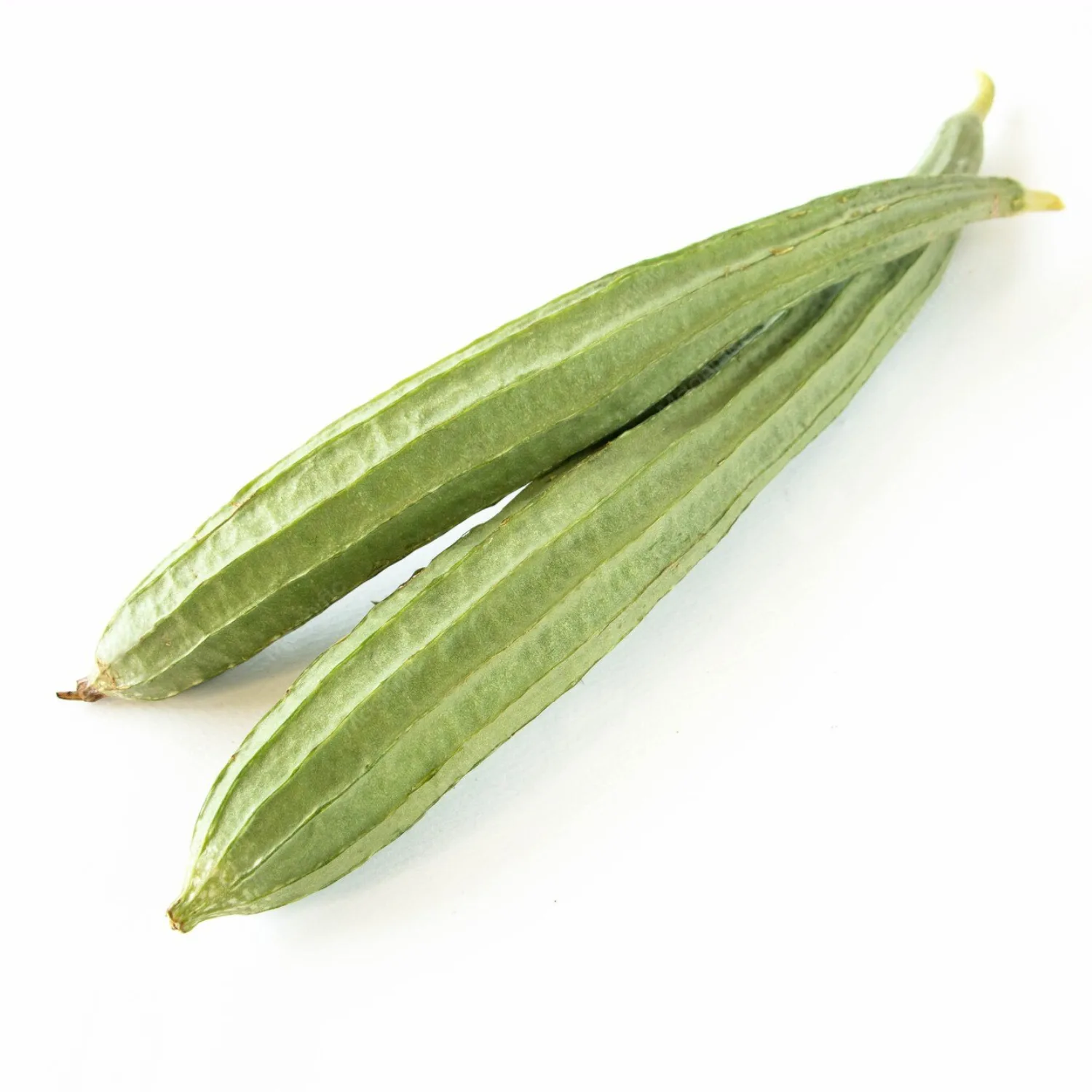
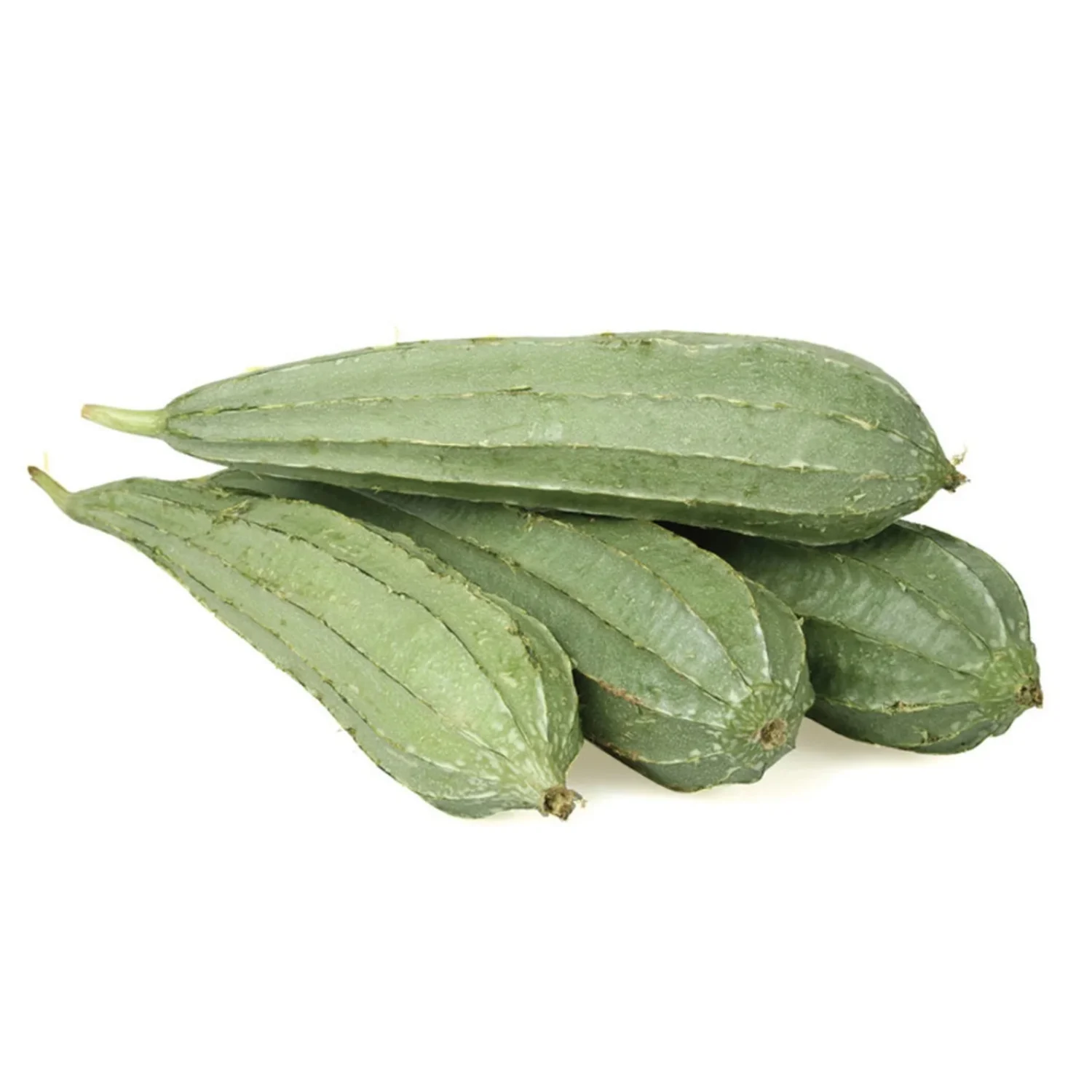
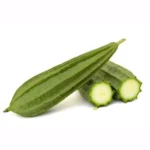
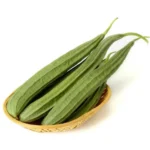
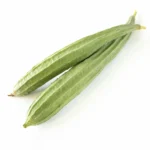
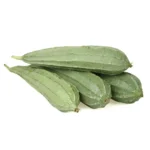
If you’re looking for an easy-to-grow vegetable that delivers abundant harvests throughout summer and the monsoon, Sponge Gourd Seeds (Jhinga) are an excellent choice. Popularly known as Jhinga, Luffa, Smooth Gourd, or Sponge Gourd, this fast-growing climbing vegetable is widely cultivated across India for its tender fruits, delicious taste, and impressive nutritional value.
Whether you have a spacious backyard or a small balcony garden, sponge gourd grows exceptionally well in grow bags, containers, raised beds, and open fields. With the right care, each healthy vine produces dozens of tender fruits over an extended harvesting period.
Our premium-quality Sponge Gourd seeds are carefully selected for high germination percentage, vigorous vine growth, excellent fruit quality, and high productivity, making them suitable for both beginners and experienced gardeners.
Why Grow Sponge Gourd?
Why Grow Sponge Gourd?
Sponge Gourd is one of India’s most popular summer vegetables because it is:
- High-yielding
- Easy to grow
- Fast-growing
- Rich in vitamins and minerals
- Perfect for organic kitchen gardening
- Suitable for containers and grow bags
- Produces continuously for several weeks
- Excellent for Indian curries, stir-fries, dal, soups, and traditional dishes
It belongs to the Cucurbitaceae family and thrives in warm weather with plenty of sunshine. Under ideal growing conditions, harvesting begins around 60–80 days after sowing.
Germination Process
Germination Process
- Step 1: Prepare the Seeds: Because sponge gourd seeds have a relatively hard seed coat, soaking them in warm water for 12–24 hours before sowing helps speed up germination. Some gardeners also lightly scarify the seed coat to improve water absorption.
- Step 2: Prepare Growing Medium: Prepare a loose, airy growing mixture:
- 40% Garden soil
- 30% Cocopeat
- 30% Vermicompost
- The soil should drain well while retaining enough moisture.
- Step 3: Sow Seeds:
- Sow seeds 1–2 cm deep.
- Place 2 seeds in each pit or pot.
- Cover lightly with soil.
- Step 4: Water:
- Water gently after sowing.
- Avoid overwatering.
- The soil should remain moist but never soggy.
- Step 5: Warm Location: Keep containers in a warm sunny location.
- Ideal temperature: 25–35°C
- Step 6: Seedling Care:
- After germination:
- Remove weaker seedlings.
- Keep only one healthy plant per pot.
- Install bamboo sticks or a trellis early.
Sunlight Requirement
- Ideal Sunlight: 6–8 hours of direct sunlight daily
- More sunlight results in:
- Faster vine growth
- More flowers
- Better pollination
- Higher fruit production
- Healthier foliage
- Plants grown in shade generally produce fewer flowers and lower yields.
Soil & Fertilizer Requirement for Best Foliage and Flowering
- Best Soil Choose:
- Sandy loam
- Well-drained garden soil
- Rich organic soil
- Ideal pH: 6.0–7.5
- Avoid compact or waterlogged soil.
- Best Potting Mix:
- An excellent mix includes:
- 40% Garden Soil
- 30% Vermicompost
- 20% Cocopeat
- 10% River Sand or Perlite
- This combination provides excellent drainage, aeration, and nutrients.
- An excellent mix includes:
- Organic Fertilizers Apply:
- Vermicompost
- Cow manure
- Compost
- Neem cake
- Mustard cake (well-decomposed)
- Bone meal
- Organic fertilizers improve soil health and support long-term productivity.
- Fertilizing Schedule
- At Planting: Mix compost and vermicompost thoroughly into the soil.
- Vegetative Stage: Feed every 15–20 days with compost or vermicompost.
- Flowering Stage: Use fertilizers richer in phosphorus and potassium to encourage abundant flowering and fruit set.
- Fruiting Stage: Continue light organic feeding every 2–3 weeks to sustain production. Proper nutrition encourages lush foliage, vigorous vines, and a longer harvest period.
Water Requirement
- During Germination: Keep the soil evenly moist. Never allow it to dry completely.
- Growing Stage: Water 2–3 times per week depending on weather.
- Summer: Daily watering may be required during extreme heat.
- Monsoon: Reduce watering if rainfall is sufficient. Avoid waterlogging, which can cause root rot and fungal diseases. Mulching with dry leaves, straw, or coco chips helps conserve moisture and suppress weeds.
Trellis Support
Trellis Support
Sponge gourd is a climbing vine. Provide support using:
- Bamboo poles
- Nylon net
- Iron trellis
- Balcony grill
- Fence
Vertical growth improves:
- Air circulation
- Fruit quality
- Disease resistance
- Harvest convenience
- Yield
Pollination Tips
Pollination Tips
Sponge gourd produces separate male and female flowers. To improve fruit production:
- Encourage bees and butterflies.
- Avoid spraying insecticides during flowering.
- Hand-pollinate if necessary.
Proper pollination significantly increases fruit set.
Pest Control
- Common Pests
- Aphids
- Symptoms:
- Curled leaves
- Sticky honeydew
- Weak growth
- Control:
- Neem oil spray
- Soap solution
- Ladybird beetles
- Symptoms:
- Fruit Fly
- Symptoms:
- Damaged fruits
- Rotting
- Larvae inside fruits
- Control:
- Remove infected fruits
- Use pheromone traps
- Neem-based sprays
- Symptoms:
- Red Spider Mites
- Symptoms:
- Yellow leaves
- Fine webbing
- Control:
- Neem oil
- Increase humidity
- Spray water beneath leaves
- Symptoms:
- Whiteflies
- Symptoms:
- Yellow foliage
- Weak plants
- Control:
- Sticky traps
- Neem oil spray
- Symptoms:
- Powdery Mildew
- Symptoms:
- White powder on leaves
- Control:
- Improve air circulation
- Avoid overhead watering
- Use organic fungicides when needed
- Symptoms:
- Aphids
Benefits of Growing Sponge Gourd
Growing sponge gourd at home offers several advantages:
Growing sponge gourd at home offers several advantages:
- Fresh, chemical-free vegetables
- Better taste than store-bought produce
- Cost-effective
- Easy for beginners
- Continuous harvesting
- Excellent for terrace gardens
- Suitable for containers
- Encourages organic gardening
- Nutritious addition to family meals
- Attractive climbing vine that adds greenery
Growing Tips for Maximum Yield
- Choose premium-quality seeds.
- Sow in warm weather.
- Provide full sunlight.
- Install a sturdy trellis.
- Feed regularly with organic manure.
- Harvest fruits while tender.
- Water consistently.
- Remove diseased leaves promptly.
- Encourage pollinators.
- Pick fruits frequently to stimulate continuous production.
Final Words
If you want a reliable, high-yielding vegetable for your home garden, Sponge Gourd Seeds (Jhinga) are an excellent investment. The plant grows vigorously, adapts well to containers and open gardens, and rewards gardeners with weeks of fresh, tender vegetables.
With adequate sunlight, nutrient-rich soil, regular watering, and basic pest management, even first-time gardeners can enjoy an abundant harvest. Whether you’re creating a terrace garden, balcony vegetable patch, or traditional kitchen garden, Sponge Gourd is one of the easiest and most productive vegetables to grow.
Bring home premium Sponge Gourd seeds today and enjoy fresh, healthy, homegrown vegetables straight from your garden.
Frequently Asked Questions (FAQs)
How long do Sponge Gourd seeds take to germinate?
Sponge Gourd seeds usually germinate within 6–14 days, depending on temperature, soil moisture, and seed quality. Warm conditions help achieve faster germination.
Can Sponge Gourd be grown in pots?
Yes. Sponge Gourd grows very well in 12–15 inch grow bags or large containers with proper drainage and a sturdy trellis for climbing.
How much sunlight does Sponge Gourd need?
For best flowering and fruit production, Sponge Gourd requires 6–8 hours of direct sunlight every day.
When should I harvest Sponge Gourd?
Harvest the fruits when they are young, tender, and light green, generally 60–80 days after sowing, to enjoy the best taste and texture.
Why are my Sponge Gourd plants flowering but not producing fruits?
This is commonly due to poor pollination, insufficient sunlight, nutrient imbalance, or extreme temperatures. Encouraging pollinators, ensuring 6–8 hours of sunlight, and providing balanced fertilization can significantly improve fruit set.
Reviews
There are no reviews yet