

If you are looking for a productive vegetable that is easy to grow and provides fresh harvests for several months, Black Brinjal Seeds are an excellent choice. Also known as Eggplant Seeds, Baingan Seeds, or Aubergine Seeds, black brinjal is one of the most widely cultivated vegetables in India because of its delicious taste, high nutritional value, and excellent yield. Common cultivation guidance includes sowing at warm temperatures (around 18–30°C), germination in about 7–14 days, and harvest beginning roughly 60–90 days after sowing or 50–80 days after transplanting depending on the variety and growing conditions.
Whether you have a terrace garden, balcony garden, rooftop farm, kitchen garden, grow bags, raised beds, or agricultural land, Black Brinjal adapts well to almost every growing condition when given sufficient sunlight, fertile soil, and regular watering.
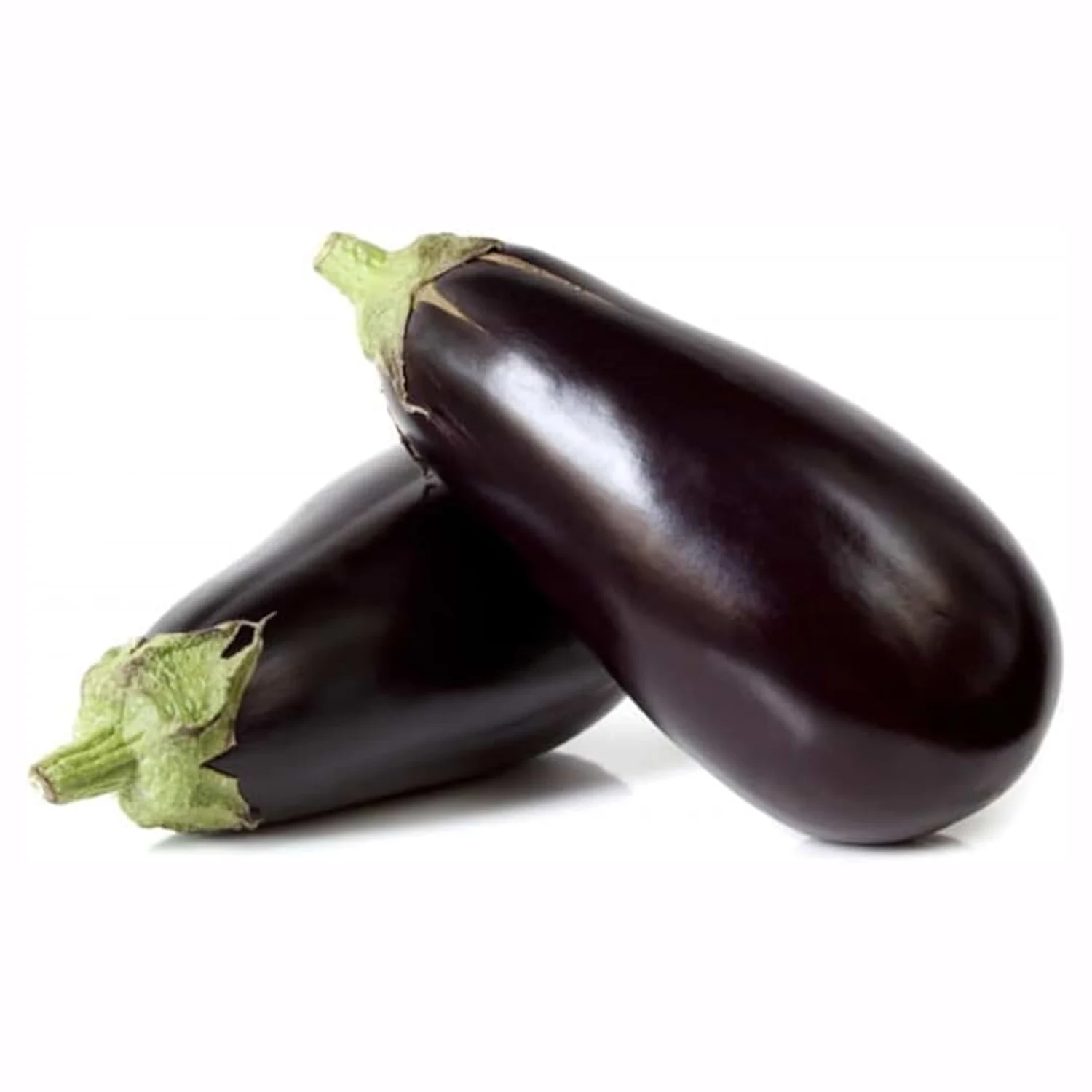
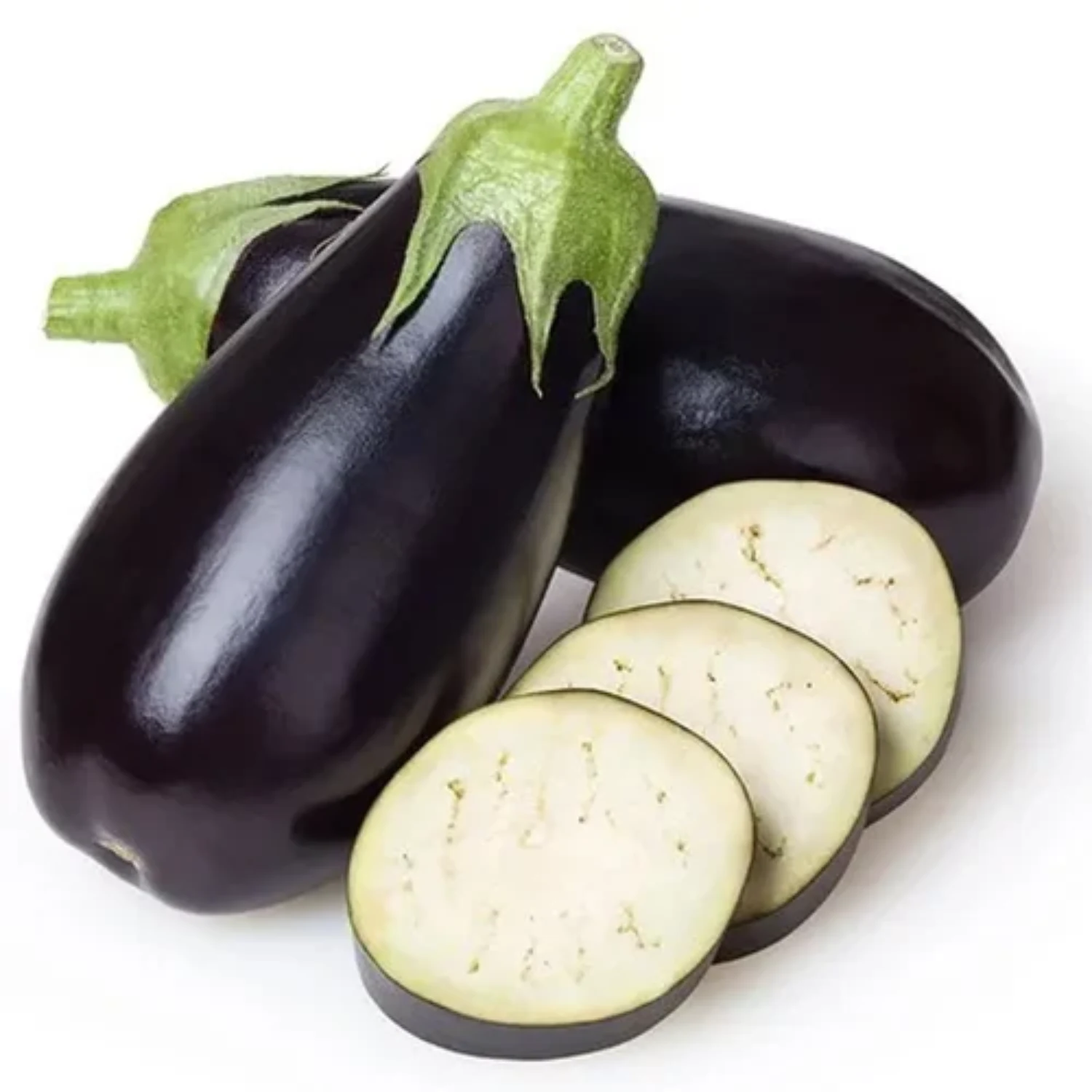
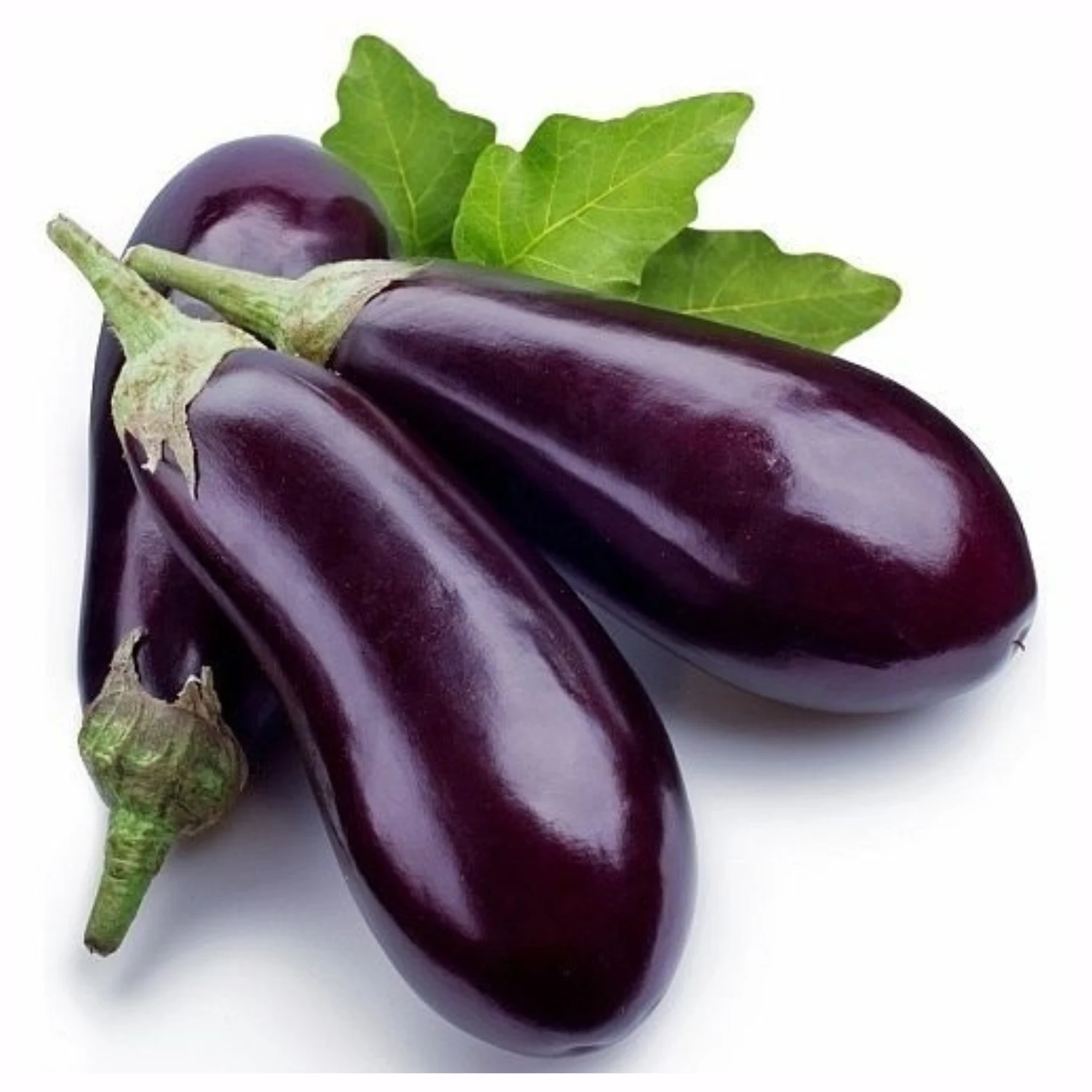
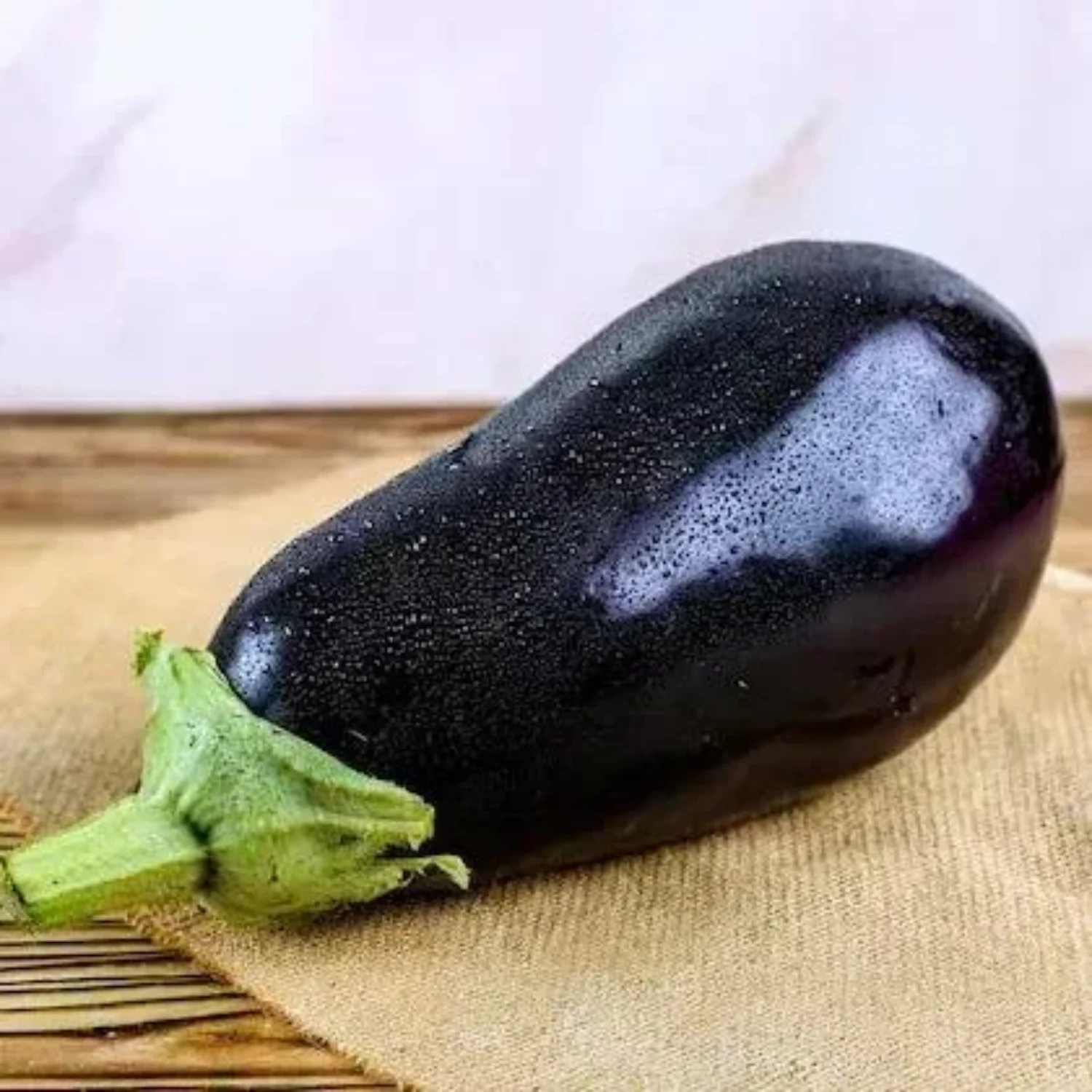
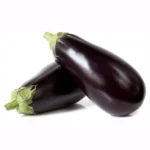
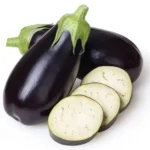
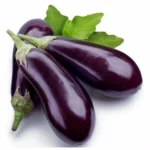
The glossy deep purple-black fruits are rich in antioxidants, dietary fiber, vitamins, and minerals. They are widely used for preparing curries, stuffed brinjal, roasted baingan bharta, fries, and many regional Indian dishes.
Premium quality Black Brinjal Seeds produce vigorous plants with healthy foliage, continuous flowering, and excellent fruit production throughout the growing season.
Product Highlights
Product Highlights
- Premium quality Black Brinjal Seeds
- High germination percentage
- Heavy yielding plants
- Suitable for pots, grow bags, raised beds and open fields
- Produces glossy dark purple to black fruits
- Easy to grow for beginners
- Excellent for kitchen gardening
- Rich source of fiber and antioxidants
- Suitable for Indian climatic conditions
- Long harvesting period with proper care
Quick Growing Information
| Information | Details |
|---|---|
| Botanical Name | Solanum melongena |
| Common Names | Black Brinjal, Eggplant, Baingan, Aubergine |
| Sowing Time | February–April and July–September in many Indian regions; can also be grown nearly year-round in frost-free warm climates. |
| Germination Time | 7–14 days |
| Transplanting Time | 25–35 days after germination |
| Harvest Time | Around 60–90 days after sowing depending on variety and climate |
| Sunlight | 6–8 hours daily |
| Water Requirement | Moderate |
| Difficulty Level | Easy |
Why Choose Black Brinjal Seeds?
Black Brinjal is among the highest-yielding vegetables for home gardeners. Once established, plants continue producing flowers and fruits over an extended period, making them an economical addition to any vegetable garden.
Benefits include:
- High productivity
- Continuous harvesting
- Excellent taste
- Easy maintenance
- Suitable for organic gardening
- Rich in vitamins and minerals
- Attractive glossy fruits
- Ideal for containers and grow bags
- Excellent market demand
- Suitable for beginners
Germination Process of Black Brinjal Seeds
Successful germination begins with high-quality seeds and the right growing conditions.
- Step 1: Prepare the Growing Medium: Use a light, well-drained seed-starting mix containing:
- Cocopeat
- Vermicompost
- Garden soil
- Sand or perlite
- The medium should remain moist but never soggy.
- Step 2: Sow the Seeds: Sow the seeds approximately 0.5–1 cm deep in seed trays or small pots. Cover lightly with fine soil or cocopeat.
- Step 3: Maintain Warm Temperature: Brinjal seeds germinate best between 25–30°C. Avoid exposing the seed tray to cold temperatures.
- Step 4: Water Carefully: Mist the soil gently using a spray bottle. Avoid overwatering.
- Step 5: Provide Bright Light: Keep the trays in bright indirect sunlight until seedlings emerge.
- Step 6: Germination: Healthy seeds usually sprout within: 7–14 days Some seeds may take a few extra days depending on weather conditions.
- Step 7: Transplanting: When seedlings develop 4–5 true leaves and reach about 12–15 cm tall, transplant them into their final location with adequate spacing.
Best Sunlight Requirement
Black Brinjal is a sun-loving vegetable.
For vigorous growth, abundant flowering, and larger fruits, provide:
- 6–8 hours of direct sunlight daily
- Morning sunlight is especially beneficial
- Full-day sunlight produces maximum yields
Insufficient Sunlight Causes
- Weak plants
- Delayed flowering
- Poor fruit development
- Increased disease incidence
- Smaller harvest
Plants grown in full sunlight generally produce stronger stems, healthier leaves, and significantly more fruits.
Soil & Fertilizer Requirement for Best Growth, Foliage and Flowering
Healthy soil is the foundation of a productive Black Brinjal crop.
- Ideal Soil Choose:
- Well-drained soil
- Fertile loamy soil
- Sandy loam
- Organic-rich growing medium
- Soil pH around 6.0–7.0 (many guides recommend approximately 6.5–7.5).
- Recommended Soil Mix
- 40% Garden Soil
- 30% Compost or Vermicompost
- 20% Cocopeat
- 10% River Sand or Perlite
- This mixture ensures:
- Better drainage
- Good root aeration
- Excellent nutrient availability
- Organic Fertilizers For healthy foliage and continuous flowering:
- Vermicompost
- Well-rotted cow manure
- Neem cake
- Bone meal
- Mustard cake (well decomposed)
- Seaweed fertilizer
- Humic acid
- Fish amino acid (optional)
- During Flowering Increase:
- Phosphorus
- Potassium
- Calcium
- These nutrients improve:
- Flower formation
- Fruit setting
- Fruit size
- Fruit quality
- Avoid applying excessive nitrogen because it promotes leafy growth at the expense of flowering and fruit production.
- These nutrients improve:
Water Requirement
Black Brinjal prefers consistent soil moisture.
- Watering Schedule
- Summer: Water every 1–2 days depending on temperature.
- Winter: Water every 3–4 days.
- Rainy Season: Water only when necessary.
- Tips
- Water deeply.
- Avoid waterlogging.
- Do not allow prolonged drying.
- Mulch around plants to conserve moisture.
- Signs of Overwatering
- Yellow leaves
- Root rot
- Wilting despite wet soil
- Fungal diseases
- Signs of Underwatering
- Flower drop
- Small fruits
- Curled leaves
- Bitter fruits
- Balanced watering leads to continuous flowering and higher yields.
Pest Control
Black Brinjal can be affected by several common pests.
- Common Pests
- Aphids
- Whiteflies
- Jassids
- Thrips
- Spider mites
- Shoot and Fruit Borer
- Mealybugs
- Organic Pest Control Use:
- Neem Oil Spray
- Garlic-Chili Spray
- Soap Solution
- Sticky Traps
- These help control many sap-sucking insects.
- Preventive Measures
- Remove infected leaves.
- Maintain proper spacing.
- Avoid excessive watering.
- Remove weeds regularly.
- Rotate crops each season.
- Inspect plants weekly.
- Diseases Possible diseases include:
- Damping-off in seedlings
- Wilt
- Leaf spot
- Powdery mildew
- Phomopsis blight
- Good air circulation, clean tools, crop rotation, and healthy nursery practices help reduce disease pressure.
Harvesting Black Brinjal
Harvesting Black Brinjal
Brinjal fruits should be harvested while:
- Glossy
- Firm
- Deep black or purple
- Tender
- Do not wait until fruits become dull and over-mature.
- Regular harvesting encourages more flowering and continuous fruit production.
- Use a clean knife or pruning shears to avoid damaging the plant.
Nutritional Benefits
Nutritional Benefits
Black Brinjal contains:
- Dietary Fiber
- Vitamin C
- Vitamin K
- Vitamin B6
- Potassium
- Manganese
- Antioxidants such as anthocyanins
Including fresh brinjal in a balanced diet can contribute valuable nutrients while being naturally low in calories.
Why Home Gardeners Love Black Brinjal
Gardeners appreciate Black Brinjal because it:
- Produces continuously
- Is beginner-friendly
- Grows well in containers
- Requires moderate maintenance
- Offers fresh, chemical-free vegetables
- Is suitable for small spaces
- Delivers high productivity
Gardeners also commonly recommend gently tapping flowers to assist pollination in low-pollinator settings and monitoring plants regularly for pests.
Final Words
Black Brinjal Seeds are an outstanding choice for anyone looking to grow fresh, healthy, and delicious vegetables at home. With the right combination of fertile soil, regular watering, full sunlight, and timely feeding, these plants reward gardeners with abundant harvests over many weeks.
Whether you are an experienced grower or just starting your gardening journey, Black Brinjal offers dependable performance and excellent value. By following good cultivation practices—using quality seeds, maintaining healthy soil, preventing pests, and harvesting fruits at the right stage—you can enjoy a steady supply of homegrown brinjals for your family’s favorite recipes.
Frequently Asked Questions (FAQs)
How long do Black Brinjal Seeds take to germinate?
Under warm conditions, Black Brinjal Seeds usually germinate within 7–14 days.
Can Black Brinjal be grown in pots?
Yes. Use a 12–15 inch pot or grow bag filled with fertile, well-drained soil. Container-grown plants perform well with regular watering, sunlight, and feeding.
How much sunlight does Black Brinjal need?
The plant requires 6–8 hours of direct sunlight every day for healthy growth and maximum fruit production.
Which fertilizer is best for Black Brinjal?
Organic fertilizers such as vermicompost, well-rotted cow manure, neem cake, and bone meal are excellent choices. During flowering, fertilizers higher in phosphorus and potassium support better fruit set.
When should Black Brinjal be harvested?
Harvest fruits when they are firm, glossy, and deep black or purple. Picking fruits regularly encourages continuous flowering and higher yields throughout the season.
Reviews
There are no reviews yet