
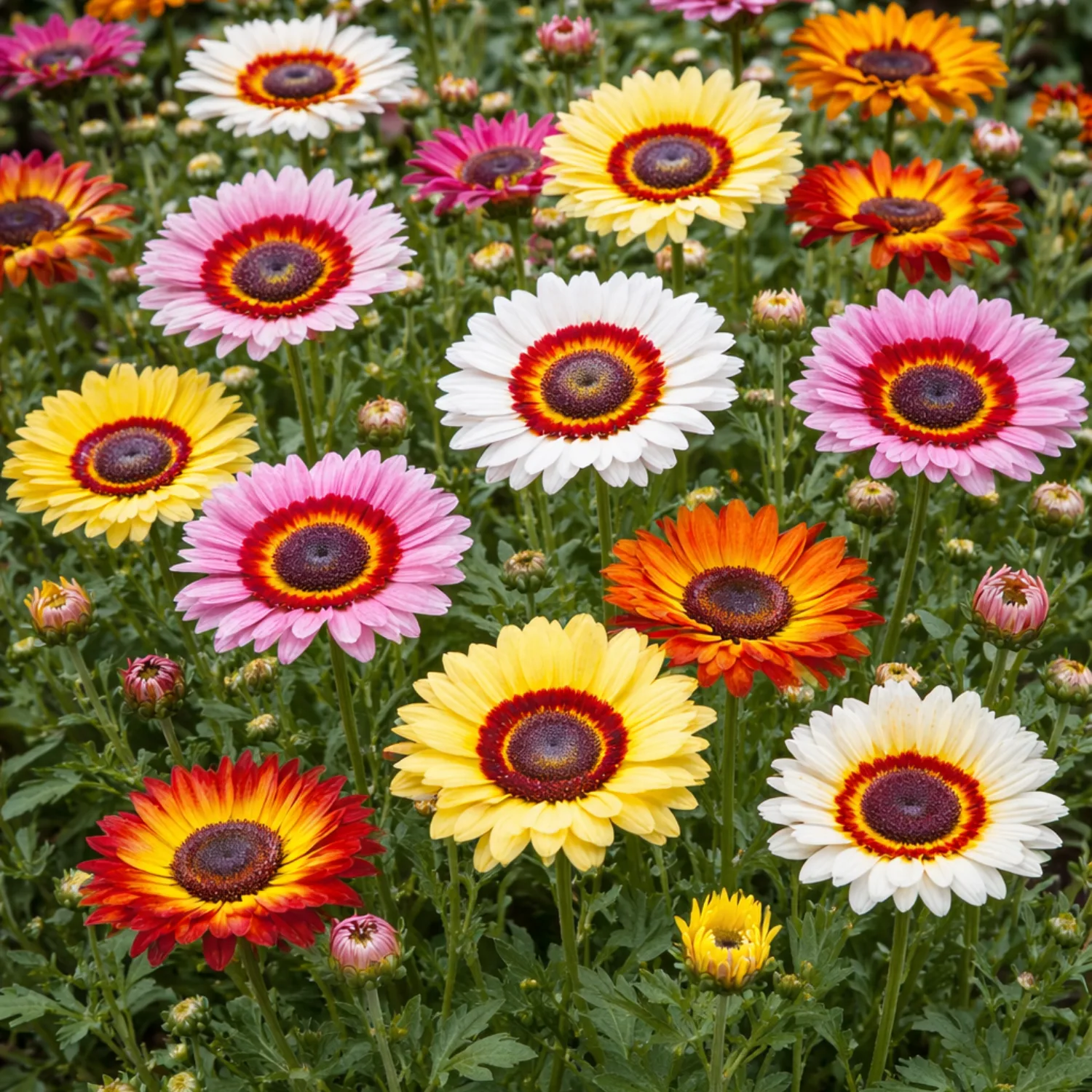
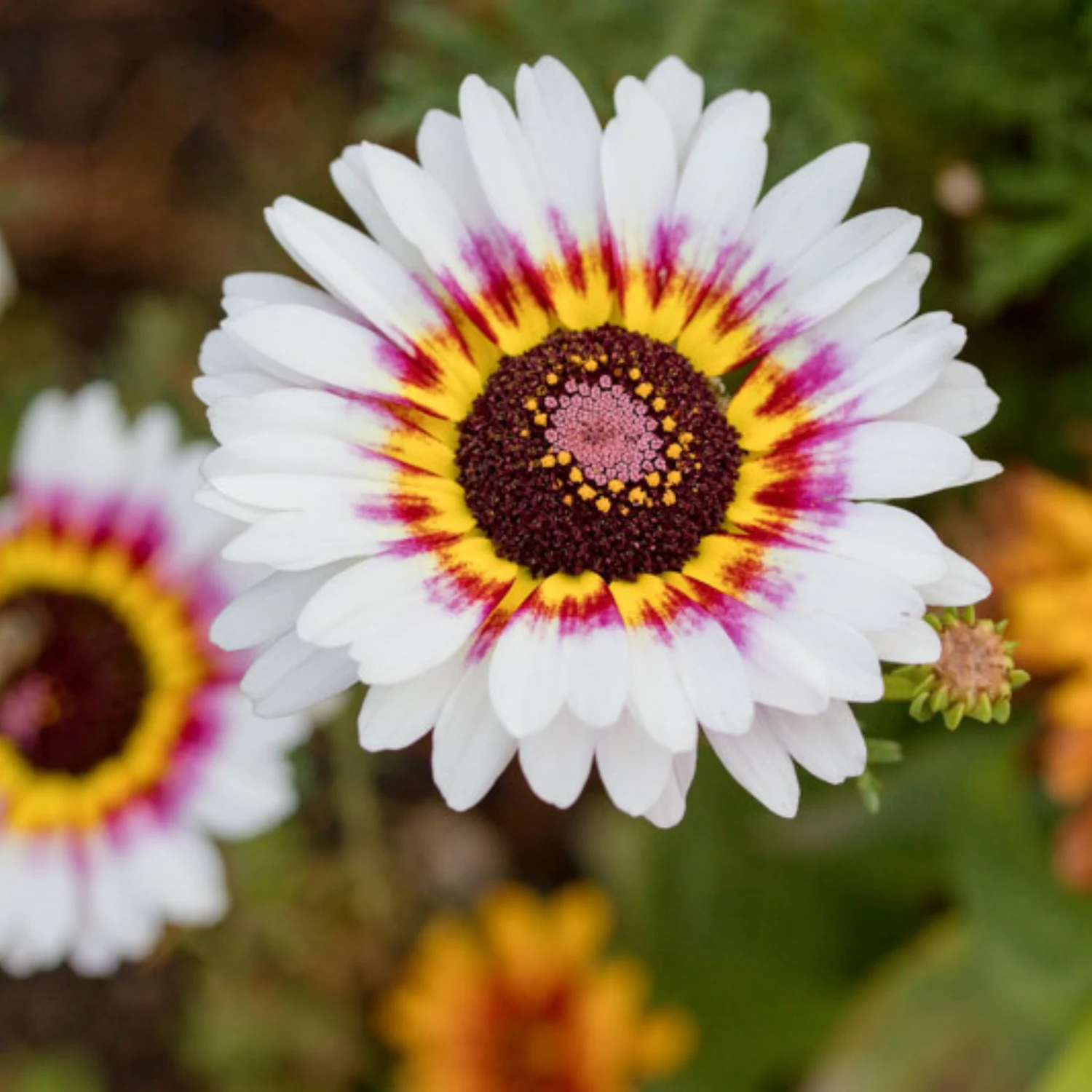
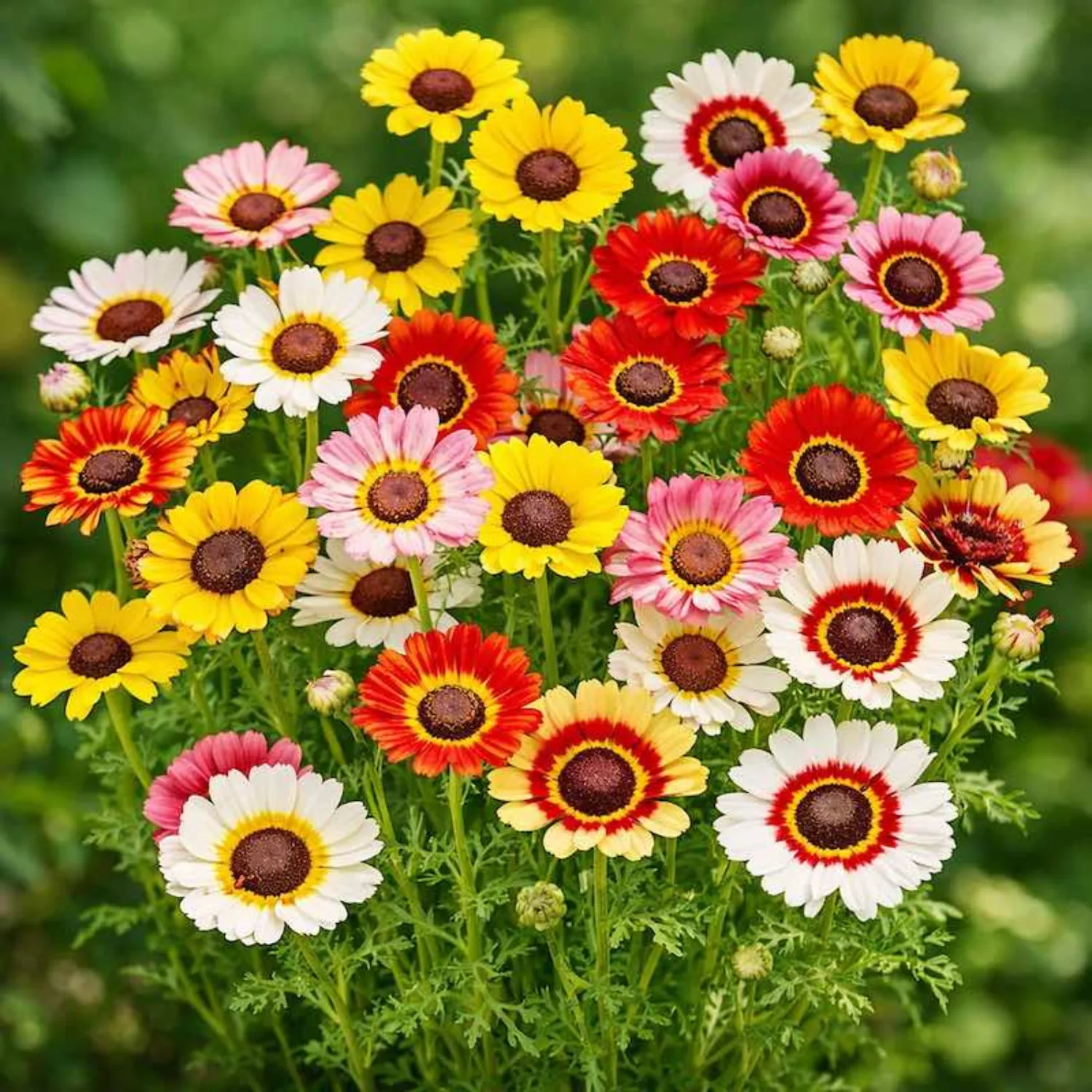
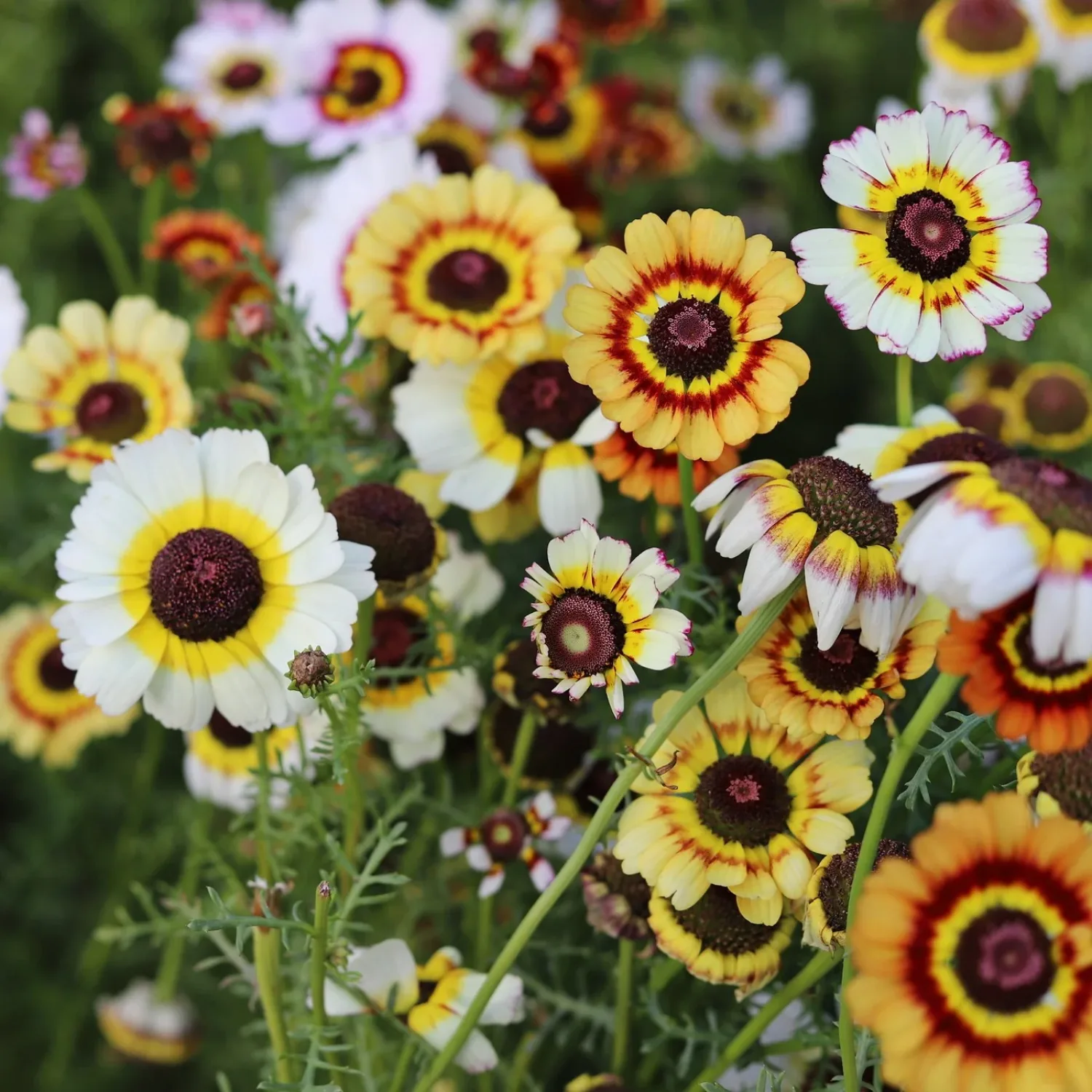



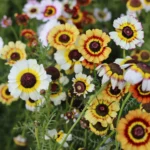
Bring vibrant colour, cheerful blooms and a beautiful floral touch to your home garden with Chrysanthemum Carinatum Flower Seeds. Also known as Painted Daisy and Tricolour Chrysanthemum, Chrysanthemum carinatum is an attractive flowering plant valued for its colourful, daisy-like flowers and easy-to-grow nature. It is an excellent choice for flower beds, pots, containers, balconies, terraces, borders and home gardens.
These Chrysanthemum Carinatum Seeds are ideal for gardening enthusiasts who want to grow colourful flowers from seed while enjoying the complete gardening journey—from sowing and germination to healthy foliage and beautiful blooms. The plant can produce eye-catching flowers in attractive colour combinations, making it a wonderful ornamental addition to outdoor spaces.
Whether you are starting a new home kitchen garden, decorating your balcony, developing a terrace garden or simply looking for attractive flower seeds online, Chrysanthemum Carinatum can be an excellent addition to your collection.
Why Grow Chrysanthemum Carinatum Flower Seeds?
Chrysanthemum Carinatum is appreciated for its colourful flowers, ornamental appearance and suitability for different garden settings. Its daisy-like blooms can add brightness to flower beds and containers while also creating a lively environment for pollinators.
Key Features
- Attractive daisy-like flowers
- Also known as Painted Daisy
- Also called Tricolour Chrysanthemum
- Suitable for pots and containers
- Excellent for flower beds and garden borders
- Suitable for balcony and terrace gardens
- Attractive ornamental flowering plant
- Can be grown from seeds
- Suitable for home gardeners and gardening beginners
- Excellent choice for colourful mixed flower gardens
- Flowers can be used for decorative and cut-flower purposes
Chrysanthemum Carinatum is particularly useful when you want to create a garden with a mixture of bright and contrasting flower colours.
Chrysanthemum Carinatum Seeds – Basic Growing Information
| Growing Requirement | Recommended Information |
|---|
| Plant Name | Chrysanthemum carinatum |
| Common Names | Painted Daisy, Tricolour Chrysanthemum |
| Plant Type | Flowering annual |
| Sowing Method | Seedling / direct sowing |
| Sowing Depth | Approximately 0.5 cm |
| Germination Time | About 7–14 days under suitable conditions |
| First Flowering | Approximately 8–12 weeks, depending on climate and care |
| Sunlight | Full sun; partial shade may be tolerated |
| Soil | Fertile, loose and well-drained |
| Water | Regular, moderate watering |
| Planting Use | Pots, containers, beds, borders, balcony and terrace gardens |
| Flower Use | Ornamental and cut-flower use |
Germination Process of Chrysanthemum Carinatum Seeds
Growing Chrysanthemum Carinatum from seeds is a rewarding experience. Proper seed sowing is the first step toward obtaining healthy seedlings and eventually beautiful flowers.
Step 1: Prepare the Growing Medium
Use a light, fertile and well-draining seed-starting mixture. A simple growing medium can contain:
- Garden soil
- Cocopeat
- Vermicompost or well-decomposed organic compost
- A small amount of coarse sand or another drainage material
The objective is to create a growing medium that holds enough moisture for germination but does not remain soggy.
Avoid using heavy, compacted soil because poor drainage can reduce seedling growth and increase the possibility of root-related problems.
Step 2: Select a Pot or Seedling Tray
Chrysanthemum Carinatum seeds can be started in:
- Seedling trays
- Small nursery pots
- Grow bags
- Small containers
- Prepared garden beds
For beginners, a seedling tray can make it easier to monitor germination and transplant healthy seedlings later.
Step 3: Sow the Seeds
Sow the seeds approximately 0.5 cm deep in moist growing media. Avoid planting them too deeply.
Place the seeds gently and cover them with a very thin layer of fine soil or growing medium. Lightly press the surface to ensure good seed-to-soil contact.
Do not compact the soil heavily after sowing.
Step 4: Water Gently
Immediately after sowing, water gently using a watering can with a fine rose or a spray bottle.
Strong streams of water can disturb the seeds and push them deeper into the soil.
The growing medium should remain consistently moist during germination, but it should never remain waterlogged.
Step 5: Provide Suitable Temperature and Light
Keep the seed tray or container in a bright location with suitable warmth. Avoid exposing newly sown seeds to harsh environmental conditions.
Under suitable conditions, Chrysanthemum Carinatum seeds may begin germinating within approximately 7–14 days.
Some seeds may take longer depending on temperature, moisture and seed quality.
Step 6: Seedling Development
Once seedlings emerge, provide adequate light to prevent weak or excessively stretched growth.
When the seedlings become sufficiently strong and develop several true leaves, they can be transplanted carefully into individual pots or their final garden location.
Handle young seedlings gently because their roots are still developing.
Sunlight Requirement for Chrysanthemum Carinatum
Sunlight is extremely important for healthy Chrysanthemum Carinatum growth and flower production.
For best results, provide approximately 6–8 hours of direct sunlight per day wherever the local climate allows.
A location receiving good morning and afternoon sunlight can encourage:
- Stronger stems
- Healthy green foliage
- Better branching
- More vigorous growth
- Improved flowering
- Brighter-looking blooms
If the plant receives too little sunlight, it may become elongated and weak, with reduced flowering.
For container gardening, place the pot where the plant receives sufficient natural light. Terrace gardens, balconies with good sunlight and outdoor garden beds can all be suitable.
During extremely hot weather, especially in very warm regions, some protection from intense afternoon heat may help reduce plant stress.
Soil & Fertilizer Requirement for Best Foliage and Flowering
Good soil is one of the most important factors for growing healthy flowering plants.
Ideal Soil
Chrysanthemum Carinatum performs well in a loose, fertile and well-drained growing medium containing organic matter.
The soil should:
- Drain excess water efficiently
- Hold moderate moisture
- Contain organic matter
- Allow proper root development
- Avoid becoming hard and compacted
A useful container mix can be prepared using garden soil, cocopeat, compost or vermicompost and a drainage-improving material.
For example:
40% garden soil + 30% cocopeat + 30% vermicompost/organic compost
The exact ratio can be adjusted according to the quality of the materials available.
Fertilizer for Healthy Foliage
During the early growth stage, plants benefit from balanced nutrition. Organic compost or vermicompost can provide a steady supply of nutrients while improving soil structure.
Avoid excessive nitrogen fertilizer.
Too much nitrogen can encourage excessive leafy growth while flowering may become less satisfactory.
Fertilizer for Flowering
As the plant approaches the flowering stage, balanced nutrition is important. A suitable flowering fertilizer can be used according to the manufacturer’s recommended dosage.
Organic options include:
- Vermicompost
- Well-decomposed compost
- Compost tea
- Suitable organic flowering inputs
Apply fertilizers carefully and avoid placing concentrated fertilizer directly against the plant stem.
Fertilizing every few weeks during active growth can be considered, but the exact frequency should depend on the fertilizer used, soil fertility and plant condition.
Water Requirement
Proper watering is essential for successful Chrysanthemum Carinatum cultivation.
The objective is to keep the soil moderately and consistently moist without making it waterlogged.
During Germination
Newly sown seeds need consistent moisture because the developing seed requires water to begin the germination process.
Check the seed tray regularly. If the upper layer begins to dry, provide gentle watering.
Do not flood the tray.
After Germination
Once seedlings emerge, water according to the weather and soil condition.
During warm and dry periods, plants may require more frequent watering. During cool or rainy weather, watering frequency should be reduced.
Always check the soil before watering rather than following a fixed schedule.
Signs of Overwatering
Excessive watering can lead to:
- Yellowing leaves
- Poor root development
- Weak plants
- Fungal problems
- Root rot
- Slow growth
Good drainage is therefore just as important as providing adequate water.
Best Watering Practice
Water around the root zone rather than continuously wetting the flowers and foliage.
Morning watering is generally a convenient practice because it allows excess moisture on foliage to dry during the day.
Pest Control for Chrysanthemum Carinatum
Healthy plants are naturally better able to tolerate common garden pests. Regular observation is the best first step in pest management.
Potential garden pests that may affect flowering plants include:
- Aphids
- Thrips
- Spider mites
- Leaf miners
- Caterpillars
- Other soft-bodied insects
Inspect the underside of leaves and young shoots regularly, particularly when the weather is warm and dry.
Natural Pest Management
For a home garden, several basic practices can help:
1. Inspect Plants Regularly
Check new shoots, buds and the underside of leaves for insects or unusual symptoms.
Early detection makes pest management much easier.
2. Remove Heavily Infested Leaves
If only a few leaves are affected, removing severely infested plant parts can help reduce the pest population.
Dispose of infected or infested material away from healthy plants.
3. Encourage Beneficial Insects
A diverse flower garden can attract beneficial insects and pollinators. Avoid unnecessary broad-spectrum pesticide use, especially when plants are flowering.
4. Neem-Based Products
Neem oil or other neem-based garden products can be considered for certain soft-bodied pests when used according to the product label.
Always follow the manufacturer’s instructions for dilution, application frequency and crop safety.
Avoid spraying oils during very hot conditions or on heat-stressed plants.
5. Maintain Air Circulation
Do not overcrowd plants. Adequate spacing improves air movement and helps keep foliage drier.
Flowering and Maintenance Tips
Once Chrysanthemum Carinatum plants become established, a little maintenance can make the garden look much better.
Deadheading
Remove faded flowers regularly if you want to maintain a neat appearance and encourage the plant to continue producing flowers.
Deadheading also prevents the garden from looking untidy.
Pinching
Light pinching of young plants can encourage branching and help create a fuller plant, provided it is done at an appropriate stage of growth.
Avoid aggressive pruning when the plant is already developing flower buds.
Spacing
Give plants enough room for their mature growth. Good spacing reduces competition for sunlight, water and nutrients while also improving air circulation.
Container Growing
Chrysanthemum Carinatum can be grown in containers, making it suitable for:
- Balcony gardens
- Terrace gardens
- Window-side gardens
- Small home gardens
- Apartment gardens
- Decorative pots
Choose a container with proper drainage holes.
Sowing Time, Germination Time & Harvest Time
Sowing Time
For Indian growing conditions, Chrysanthemum Carinatum can generally be planned according to the local temperature and season. It is commonly grown as a seasonal flowering plant, and many Indian seed sellers describe it as a winter-season flower.
A useful approach is to sow when temperatures are comfortable for seed germination rather than relying only on a calendar date.
For many Indian regions, September to November can be a useful starting window for seasonal cultivation, while the exact sowing period should be adjusted according to the local climate.
Germination Time
Approximately 7–14 days under favourable conditions.
Germination can be slower when temperatures, moisture or growing conditions are unsuitable.
Flowering / Harvest Time
Flowers may begin appearing approximately 8–12 weeks after sowing, depending on variety, climate and growing conditions.
For cut flowers, harvest when blooms have reached the desired stage and use clean, sharp scissors or pruning shears.
Benefits of Growing Chrysanthemum Carinatum Flower Seeds
Choosing seeds instead of purchasing established plants allows gardeners to experience the complete growing cycle.
Some benefits include:
- Economical way to grow multiple plants
- Suitable for home gardens
- Attractive colourful blooms
- Suitable for pots and containers
- Useful for garden borders
- Excellent for balcony and terrace gardens
- Adds ornamental value to outdoor spaces
- Suitable for gardeners who enjoy growing plants from seed
- Can attract pollinators
- Useful for decorative flower arrangements
The colourful appearance of Painted Daisy makes it particularly attractive when planted in groups or mixed flower beds.
Chrysanthemum Carinatum Seeds for Home Gardening
If you enjoy growing flowers at home, Chrysanthemum Carinatum Flower Seeds can be a rewarding choice.
The plant combines attractive flowers with a relatively straightforward growing process. With the right soil, sufficient sunlight, regular watering and timely nutrition, home gardeners can raise healthy plants from tiny seeds and enjoy colourful blooms.
For beginners, start with a few containers and learn how the plant responds to your local weather. Once you understand the watering, sunlight and feeding requirements, you can expand your flower garden.
For experienced gardeners, Chrysanthemum Carinatum can be incorporated into mixed flower beds, borders, seasonal displays and cut-flower gardens.
Final Words
Chrysanthemum Carinatum Flower Seeds are a beautiful choice for gardeners who want to add vibrant, daisy-like flowers to their outdoor space. Also known as Painted Daisy and Tricolour Chrysanthemum, this attractive flowering plant can bring colour and character to pots, flower beds, borders, balconies and terrace gardens.
Successful cultivation starts with proper seed sowing. Use a fertile and well-draining growing medium, sow the seeds at a shallow depth, maintain consistent moisture and provide adequate sunlight after germination. As the plants develop, regular feeding, appropriate watering, good spacing and timely pest monitoring can help maintain healthy growth.
For better flowering, avoid excessive nitrogen, provide sufficient sunlight and remove faded blooms when required. Most importantly, observe your plants regularly and adjust watering and feeding according to your local climate.
Whether you are an experienced gardener or a beginner starting your first home garden, growing Chrysanthemum Carinatum from seed can be an enjoyable and rewarding gardening project.
Start with Chrysanthemum Carinatum Flower Seeds, nurture your seedlings with patience and enjoy the transformation from tiny seeds into beautiful, colourful flowers.
Reviews
There are no reviews yet