
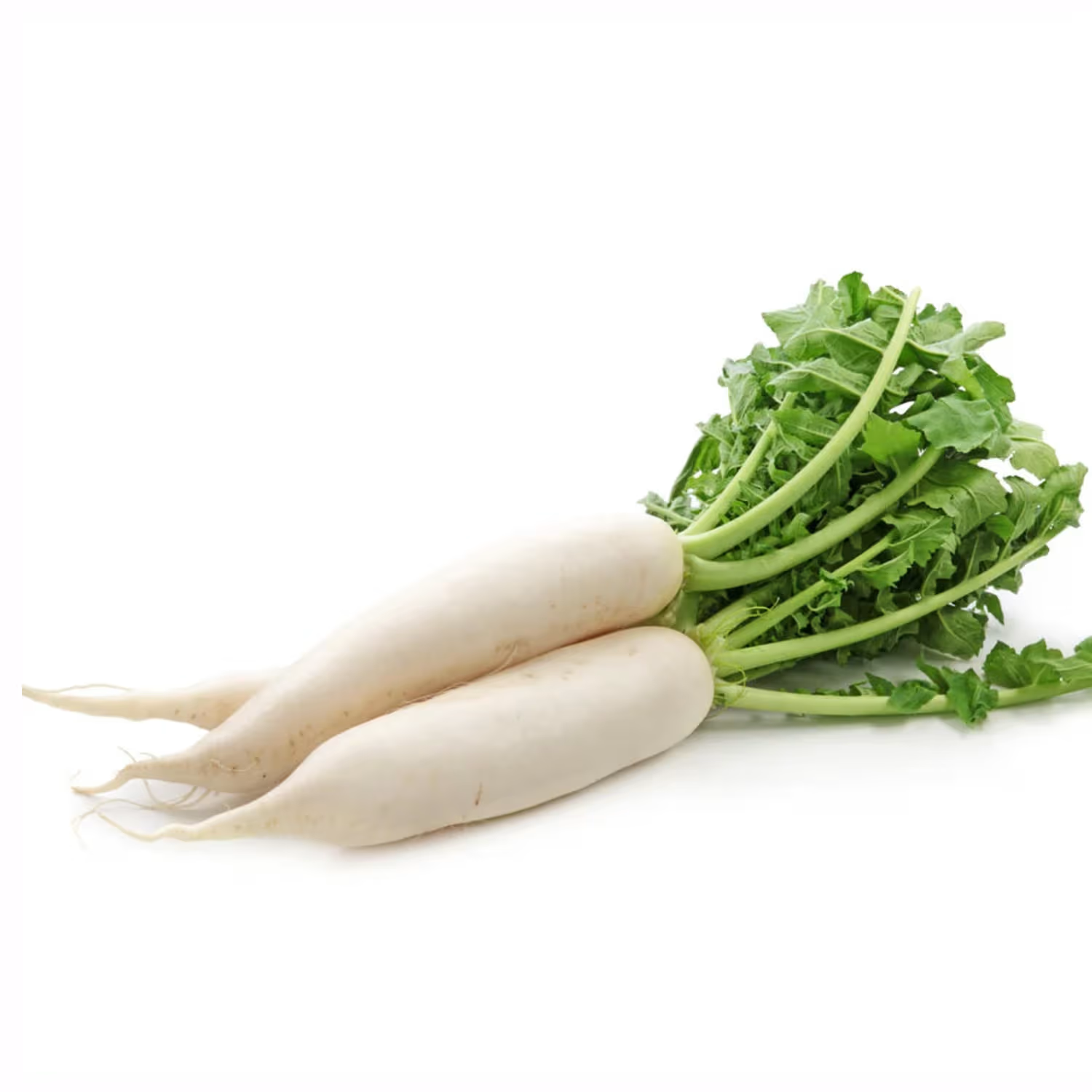
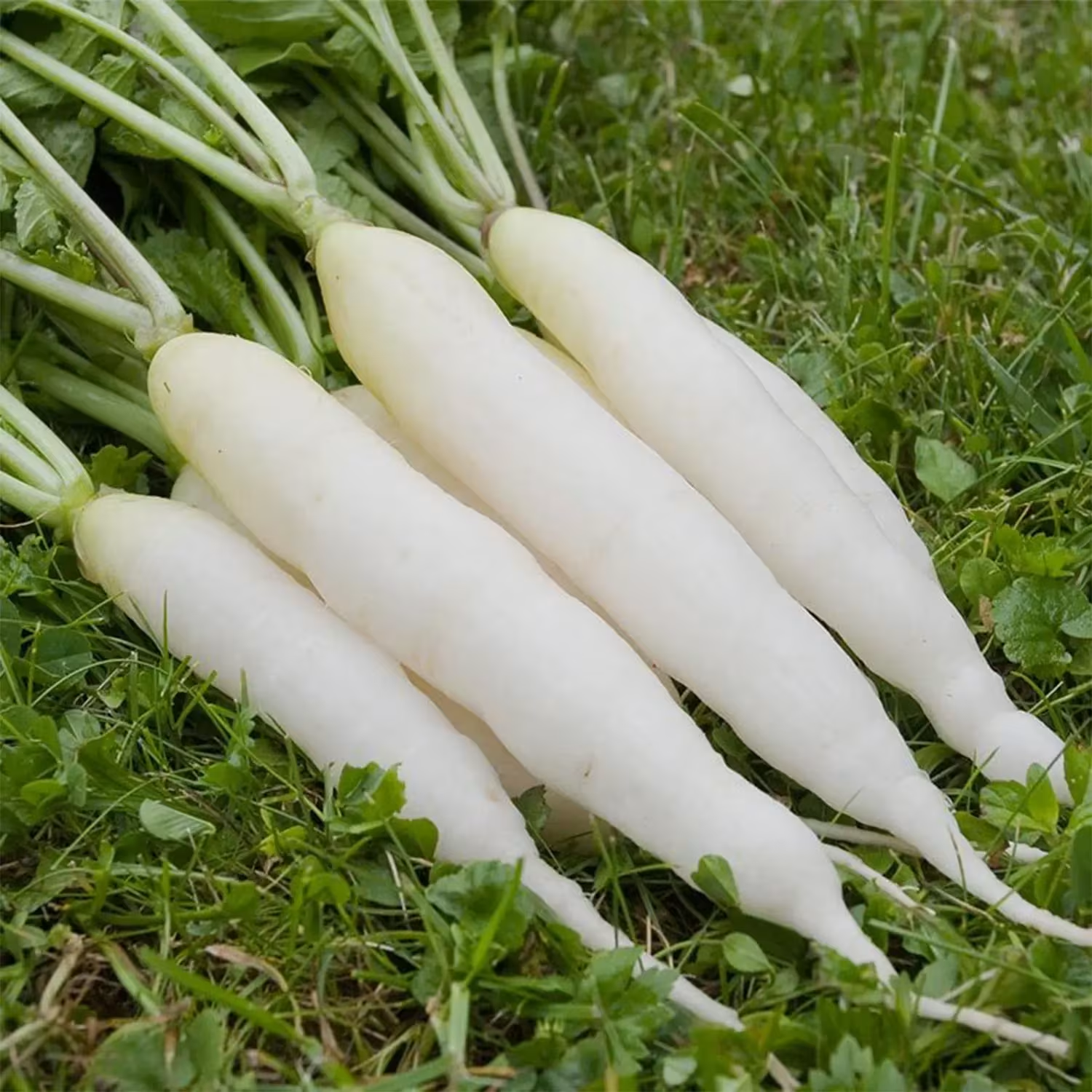
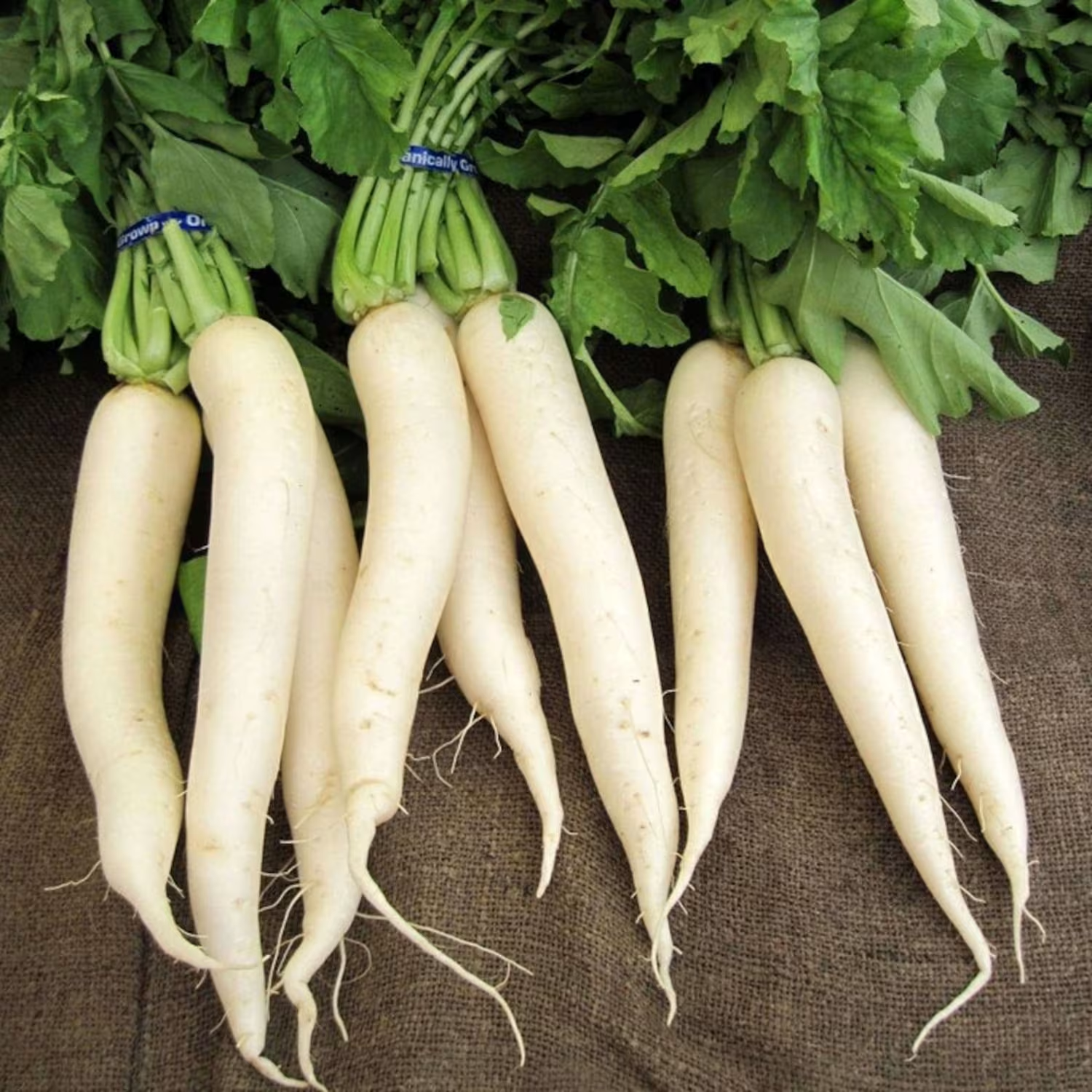
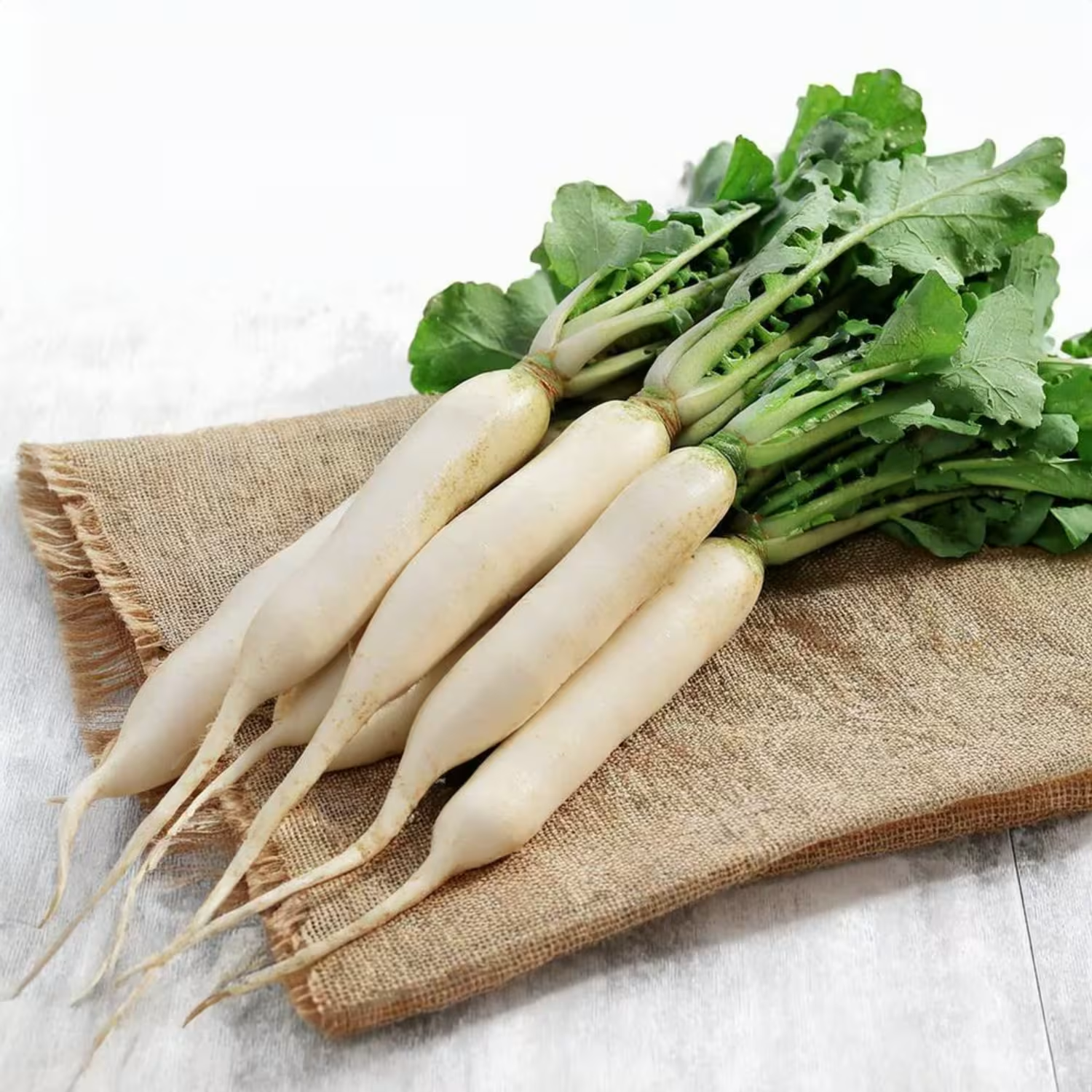
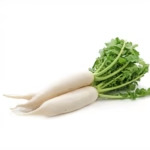
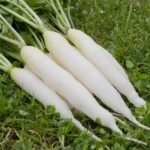
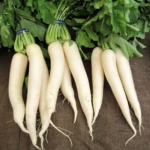
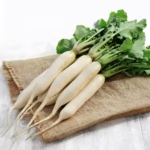
White Long Radish Seeds – Grow Fresh, Crunchy White Mooli at Home
Bring the freshness of homegrown vegetables to your kitchen garden with White Long Radish Seeds, an excellent choice for growing delicious, crisp, elongated white radishes in your home garden, terrace garden, balcony garden, or vegetable patch. Commonly known as Safed Mooli or Mooli in India, white long radish is a popular root vegetable valued for its refreshing taste, crunchy texture, and versatility in everyday cooking.
Whether you are a beginner exploring kitchen gardening or an experienced gardener looking to grow fresh vegetables at home, White Long Radish Seeds offer an easy and rewarding growing experience. Radish is a fast-growing vegetable that can be cultivated in suitable pots, grow bags, raised beds, and open garden soil with proper care.
White radish is widely used in Indian cuisine to prepare mooli paratha, salads, pickles, vegetable curries, stir-fries, and traditional dishes. Growing radishes at home allows you to harvest fresh roots when they are tender and ready to eat.
These white long radish seeds are suitable for gardeners who want to enjoy the satisfaction of growing their own vegetables while making better use of available gardening space. With well-prepared soil, adequate sunlight, regular watering, and appropriate plant care, you can encourage healthy foliage and straight, well-developed roots.
Product highlights:
- Popular white root vegetable for home kitchen gardening.
- Suitable for garden beds, raised beds, and appropriately sized grow bags.
- Direct sowing makes cultivation simple for beginners.
- Fast-growing crop with a relatively short growing cycle.
- Ideal for growing fresh mooli for everyday cooking.
- Performs best in suitable growing conditions with consistent moisture and loose soil.
- Suitable for seasonal vegetable gardening in many parts of India.
Why Choose White Long Radish Seeds?
1. Grow Fresh Vegetables at Home
Growing white radish at home is a practical way to enjoy freshly harvested vegetables. You can sow the seeds in your kitchen garden or terrace garden and harvest the roots when they reach the appropriate size for the variety.
Homegrown radishes can be used immediately after harvesting, helping you enjoy their natural crunch and characteristic peppery flavour.
2. An Excellent Choice for Kitchen Gardening
White long radish is a useful crop for gardeners who want to grow edible vegetables in limited space. A sufficiently deep container or grow bag can support root development, provided the growing medium is loose, fertile, and well drained.
For the best results, select a container deep enough for the expected root length and provide adequate spacing between plants.
3. A Fast-Growing Vegetable Crop
Radishes are known for their relatively quick growth. Depending on the variety, climate, and growing conditions, many radishes can be harvested within approximately 40–60 days after sowing.
The actual harvest time of White Long Radish Seeds may vary according to the specific variety, temperature, soil conditions, and cultivation practices.
4. Versatile for Everyday Cooking
Fresh white radishes can be sliced into salads, grated into preparations, cooked with vegetables, or used to make traditional Indian mooli paratha. The roots can also be incorporated into soups, curries, and pickles.
Growing your own radishes gives you flexibility to harvest according to your cooking requirements.
White Long Radish Seeds: Quick Growing Information
- Common name: White Long Radish, Mooli, Safed Mooli
- Scientific name: Raphanus sativus
- Plant type: Annual root vegetable
- Growing season in India: Generally the cooler months; timing varies by region and variety
- Recommended sowing method: Direct sowing
- Sowing depth: Approximately 1–1.5 cm
- Germination time: Usually 4–10 days under suitable conditions
- Sunlight requirement: Approximately 4–6 hours or more of direct sunlight
- Soil requirement: Loose, fertile, well-drained sandy loam or loamy soil
- Water requirement: Regular watering to maintain even soil moisture
- Harvest time: Approximately 40–60 days after sowing for many varieties
- Suitable locations: Kitchen gardens, raised beds, vegetable patches, and deep grow bags
These are general cultivation guidelines. Always follow the specific seed packet instructions if they differ from the recommendations above.
How to Grow White Long Radish Seeds
1. Germination Process: How to Germinate White Long Radish Seeds
Germination is the first stage of growing a healthy radish plant. Under suitable conditions, radish seeds absorb moisture, begin developing roots, and produce their first leaves.
Follow these steps for successful germination.
Step 1: Prepare the growing medium
Choose loose, fertile soil that allows water to drain easily. Remove stones, hard soil clumps, and weeds before sowing. For container gardening, use a well-draining potting mix containing garden soil, mature compost, and cocopeat or another suitable soil conditioner.
Avoid heavy, compacted soil because it can restrict the development of long radish roots.
Step 2: Sow the seeds directly
White long radish seeds are best sown directly in the final growing location. Transplanting is generally unnecessary and may disturb root development.
Make small holes or shallow furrows approximately 1–1.5 cm deep. Place the seeds in the soil and cover them lightly.
Step 3: Maintain appropriate spacing
Leave sufficient space between seeds to allow the roots to develop. A practical starting point is approximately 5–10 cm between plants and 25–30 cm between rows, adjusting the spacing to suit the variety and its expected root size.
If several seedlings emerge close together, thin them after establishment so that the strongest plants have sufficient room to grow.
Step 4: Water gently
Water the soil immediately after sowing using a watering can with a gentle rose attachment or a fine spray. Avoid heavy watering that can wash seeds away or expose them on the soil surface.
Keep the soil consistently moist but not waterlogged throughout germination.
Step 5: Provide suitable growing conditions
Place the container or garden bed in a well-lit location. Under suitable conditions, seeds commonly germinate within 4–10 days, although temperature, seed quality, and moisture levels can affect the timing.
Germination tip: Do not allow the seedbed to dry out completely. Uneven moisture during germination can lead to poor seedling establishment.
2. Sunlight Requirement for White Long Radish Plants
Sunlight plays an important role in the growth of healthy radish foliage and the development of edible roots.
White long radish generally performs well with approximately 4–6 hours or more of direct sunlight daily. In cooler weather, a sunny location can support vigorous foliage and steady root development.
For terrace and balcony gardens, place grow bags where plants receive good sunlight without being shaded by walls or larger plants.
During unusually hot weather, protect the crop from excessive heat where necessary. High temperatures can encourage premature flowering, known as bolting, and may cause roots to become tough, fibrous, or excessively pungent.
Tips for better growth:
- Select a sunny location with good air circulation.
- Avoid planting in deep shade.
- Remove weeds that compete for sunlight and nutrients.
- Maintain suitable soil moisture during hot or dry weather.
- Grow radishes during the recommended season for your region.
Remember that the goal of growing white long radish is primarily to develop healthy edible roots. Flowering is not necessary for a good root harvest.
3. Soil and Fertilizer Requirements for Healthy Foliage and Roots
Soil preparation is one of the most important factors in growing straight, tender, and well-developed white radishes.
Because the edible portion grows underground, the soil should be loose enough to allow the roots to expand without obstruction.
Best soil for white long radish
Use fertile, friable, well-drained sandy loam or loamy soil rich in organic matter. A soil pH of approximately 6.0–7.0 is a useful target for home cultivation.
Before sowing, loosen the soil thoroughly and remove stones, debris, and compacted clumps. If growing in containers, choose a deep grow bag or pot appropriate for the variety’s expected root length.
Recommended potting mix for home gardening
A practical starting mix is:
- 40% good-quality garden soil or loam.
- 30% mature, well-decomposed compost.
- 20% cocopeat.
- 10% coarse sand or another suitable drainage-improving material.
Adjust the proportions according to the texture and drainage of the materials available. The final mix should retain sufficient moisture without becoming waterlogged.
Organic fertilizer requirements
Mix mature compost or well-rotted farmyard manure into the soil before sowing. Organic matter improves soil structure and helps provide nutrients for healthy plant development.
Avoid using fresh, undecomposed manure. It may create excessive nutrient concentrations and contribute to misshapen roots.
Radishes are relatively short-duration crops, so avoid excessive fertilization. Too much nitrogen can encourage lush leaf growth at the expense of balanced root development.
If your soil requires additional nutrients, use a suitable balanced fertilizer according to the product label and local recommendations. Incorporate nutrients evenly rather than placing concentrated fertilizer directly against the seeds or developing roots.
How to encourage healthy foliage and strong roots
- Prepare loose soil before sowing.
- Incorporate mature compost before planting.
- Thin crowded seedlings promptly.
- Avoid excessive nitrogen fertilization.
- Maintain consistent moisture.
- Remove weeds before they compete with the crop.
Important note: White long radish is grown primarily for its edible roots, not for flowers. Fertilizer and growing practices should therefore focus on balanced foliage growth and healthy root development rather than encouraging flowering.
4. Water Requirement for White Long Radish Seeds
Regular watering is essential for producing tender, crisp radishes. Soil that becomes too dry may restrict root development, while inconsistent moisture can contribute to root splitting and poor texture.
During germination: Keep the upper soil layer evenly moist. Use gentle watering to prevent the seeds from being displaced.
During early growth: Water whenever the soil begins to dry. Young seedlings have relatively shallow roots and can be affected quickly by dry conditions.
During root development: Maintain consistent moisture throughout the root zone. Water deeply enough to moisten the growing medium, allowing excess water to drain away.
For container gardening: Grow bags and pots may dry out more quickly than garden beds, particularly in warm or windy weather. Check the soil regularly and adjust watering according to actual moisture conditions.
There is no single watering schedule suitable for every garden. Temperature, rainfall, soil type, container size, and plant growth stage all influence water requirements.
Common watering mistakes to avoid:
- Allowing the soil to dry out completely.
- Keeping the soil continuously saturated.
- Using containers without adequate drainage.
- Applying excessive water that causes soil erosion.
- Alternating between severe dryness and heavy watering.
Consistent moisture supports steady root growth and helps reduce the risk of cracking, toughness, and poor-quality roots.
5. Pest and Disease Control for White Long Radish
White long radish is generally straightforward to grow, but pests and diseases can affect foliage, seedlings, and underground roots.
Regular inspection and preventive garden care are important for maintaining healthy plants.
A. Aphids
Aphids are small, soft-bodied insects that gather on young leaves and shoots. They feed on plant sap and may cause curled leaves, weakened growth, or sticky deposits.
Control measures:
- Inspect the undersides of leaves regularly.
- Remove small infestations manually or wash them off with water.
- Encourage beneficial insects in the garden.
- Use an appropriate labelled treatment if the infestation becomes serious.
B. Flea beetles and leaf-chewing insects
Small holes in radish leaves may indicate flea beetles or other leaf-feeding pests. Severe damage can reduce the plant’s ability to grow properly.
Control measures:
- Inspect leaves frequently, especially during early growth.
- Use insect-proof mesh where appropriate.
- Remove weeds that can harbour pests.
- Maintain healthy plants and avoid unnecessary pesticide applications.
C. Cabbage root fly and other root-feeding pests
Some root-feeding insects can damage underground roots, resulting in tunnels, scars, and reduced marketability.
Control measures:
- Use suitable insect-proof crop covers where these pests are a concern.
- Rotate crops rather than repeatedly growing related vegetables in the same bed.
- Remove badly affected plant debris.
- Check the roots and surrounding soil when plants show unexplained wilting or stunted growth.
D. Damping-off and root rot
Excessively wet soil, poor drainage, and certain soilborne pathogens may cause seedlings to collapse or roots to rot.
Control measures:
- Use clean containers and a suitable growing medium.
- Ensure good drainage.
- Avoid overwatering.
- Do not sow too densely.
- Remove severely diseased plants promptly.
E. General preventive care
Healthy growing conditions are the first line of defence against pest and disease problems.
Keep the garden weed-free, maintain proper spacing, avoid waterlogging, and inspect the crop at least several times each week.
If a pesticide or fungicide is necessary, use only a product registered and labelled for the intended crop and pest in your region. Follow all label instructions, protective precautions, and pre-harvest intervals. Do not assume that a treatment intended for another vegetable is suitable for radish.
Sowing Time, Germination Time, and Harvest Time
Understanding the correct growing season helps gardeners achieve better root quality and a more successful harvest.
Sowing time: In much of India, white long radish is commonly grown during the cooler months, particularly around September to February, depending on the region and variety. Some varieties can be cultivated during additional seasons in suitable climates. Avoid extreme heat when possible.
Germination time: Approximately 4–10 days under favourable moisture and temperature conditions.
Harvest time: Many varieties are ready in approximately 40–60 days after sowing. Harvest according to the variety’s recommended maturity and the size of the roots.
For a more continuous supply, sow small batches at intervals of around 10–15 days during the suitable growing season.
Growing White Long Radish in Pots and Grow Bags
You do not need a large garden to enjoy homegrown mooli. A suitable container, quality growing medium, and regular care can help you cultivate radishes on a terrace, balcony, or patio.
Choose a sufficiently deep container. Long-rooted varieties need enough vertical space for root development. Select a deep grow bag or pot based on the expected mature root length.
Prepare the potting mix. Use loose, fertile soil that drains well. Avoid compacting the mix when filling the container.
Sow directly. Place the seeds at the recommended depth and maintain suitable spacing. Direct sowing helps prevent disturbance to the developing taproot.
Provide sunlight. Position the container in a bright location receiving several hours of direct sunlight daily.
Water consistently. Check the soil regularly and water when needed. Ensure excess water can escape through the drainage holes.
Thin the seedlings. Remove excess seedlings once they are established so that the remaining plants have room to develop.
Harvest at the right stage. Check root development as the crop approaches maturity. Do not leave mature radishes in the soil unnecessarily, as some varieties may become tough or develop an undesirable texture.
Container-grown radishes may need more frequent watering and closer monitoring than plants growing in the ground.
Benefits of Growing White Long Radish at Home
White long radish is a practical addition to a home vegetable garden because it offers a combination of culinary versatility and relatively quick growth.
- Fresh harvesting: Harvest roots when needed for your meals.
- Kitchen-garden suitability: Grow radishes in garden beds or suitable containers.
- Simple sowing method: Seeds can be sown directly in the final growing location.
- Versatile cooking: Use the roots in salads, parathas, curries, pickles, and other dishes.
- Seasonal gardening: Include radish in a rotation of suitable cool-season vegetables.
- Learning opportunity: Radish is a useful crop for beginners learning about seed germination, thinning, watering, and harvesting.
As with any vegetable crop, results depend on the seed variety, growing environment, soil fertility, and care provided.
5 Frequently Asked Questions About White Long Radish Seeds
1. How long do white long radish seeds take to germinate?
White long radish seeds generally germinate within 4–10 days when supplied with suitable moisture, temperature, and growing conditions. Keep the soil evenly moist and avoid waterlogging. Germination may take longer if the soil is too cold, too dry, or excessively wet.
2. What is the best time to sow white long radish seeds in India?
The cooler months are generally suitable for white long radish cultivation in many Indian regions. September to February is a useful broad guideline, but the ideal sowing window varies with local climate, altitude, and variety. Check the specific seed packet for regional recommendations.
3. Can I grow white long radish in pots or grow bags?
Yes. White long radish can be grown in pots and grow bags if the container provides sufficient depth for the variety’s roots. Use loose, well-drained soil, sow seeds directly, provide adequate sunlight, and maintain consistent moisture. Avoid shallow containers that restrict root growth.
4. How many days does white long radish take to harvest?
Many white radish varieties can be harvested approximately 40–60 days after sowing. Some early varieties mature sooner, while others require additional time. Check the size and maturity of the roots and follow the recommendations for the variety you are growing.
5. How can I grow long, straight, and healthy white radishes?
Prepare deep, loose soil without stones, provide suitable spacing, and water consistently. Incorporate mature compost before sowing and avoid excessive nitrogen fertilization. Harvest when the roots reach the appropriate maturity rather than leaving them in the ground for too long.
Final Words: Buy White Long Radish Seeds for Your Kitchen Garden
Make your home vegetable garden more productive with White Long Radish Seeds, a rewarding choice for gardeners who enjoy growing fresh vegetables from seed. Whether you are planning a terrace garden, balcony vegetable garden, raised bed, or traditional kitchen garden, radish is a useful crop to include in your seasonal planting plan.
With proper soil preparation, direct sowing, adequate sunlight, balanced nutrition, and consistent watering, you can support healthy foliage and well-developed white radish roots. Regular monitoring for pests and diseases, along with timely harvesting, will help you achieve better results throughout the growing cycle.
If you enjoy preparing fresh mooli paratha, crunchy radish salads, homemade pickles, and traditional vegetable dishes, growing white radish at home can be a practical and satisfying gardening experience.
Order White Long Radish Seeds today and start planning your next homegrown vegetable harvest. Prepare your soil, sow your seeds, nurture your plants, and enjoy the experience of growing fresh radishes in your own garden.
Choose White Long Radish Seeds for your next kitchen-gardening project and take another step toward a productive, enjoyable, and rewarding home vegetable garden.
Reviews
There are no reviews yet