
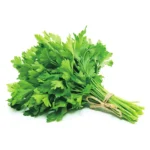
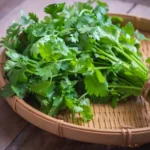
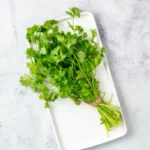
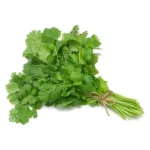
What’s in the Box
- Coriander Seeds | Dhaniya Seeds
- Sowing instructions printed on backside of Seed Packet
- Recyclable Pouch
Introduction
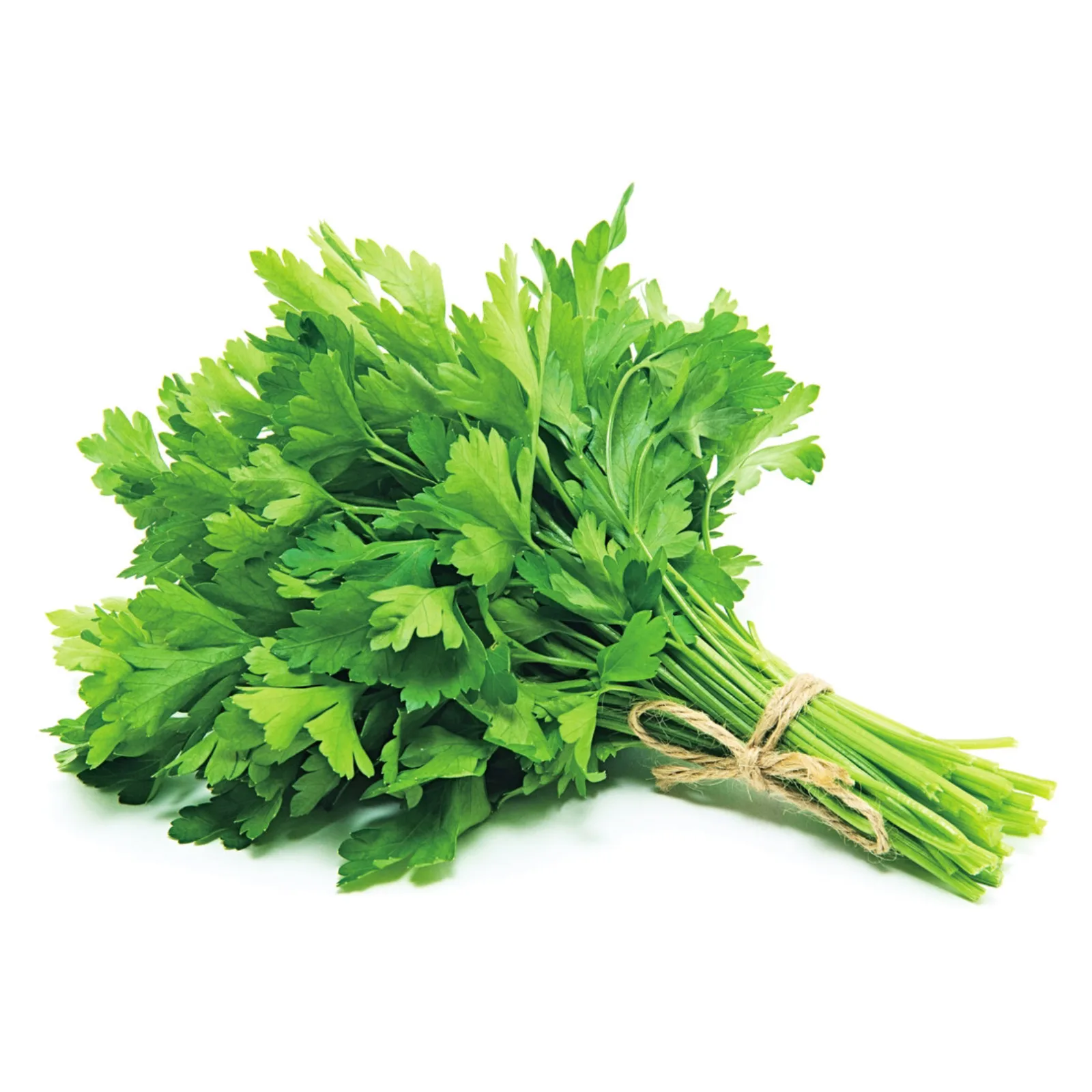
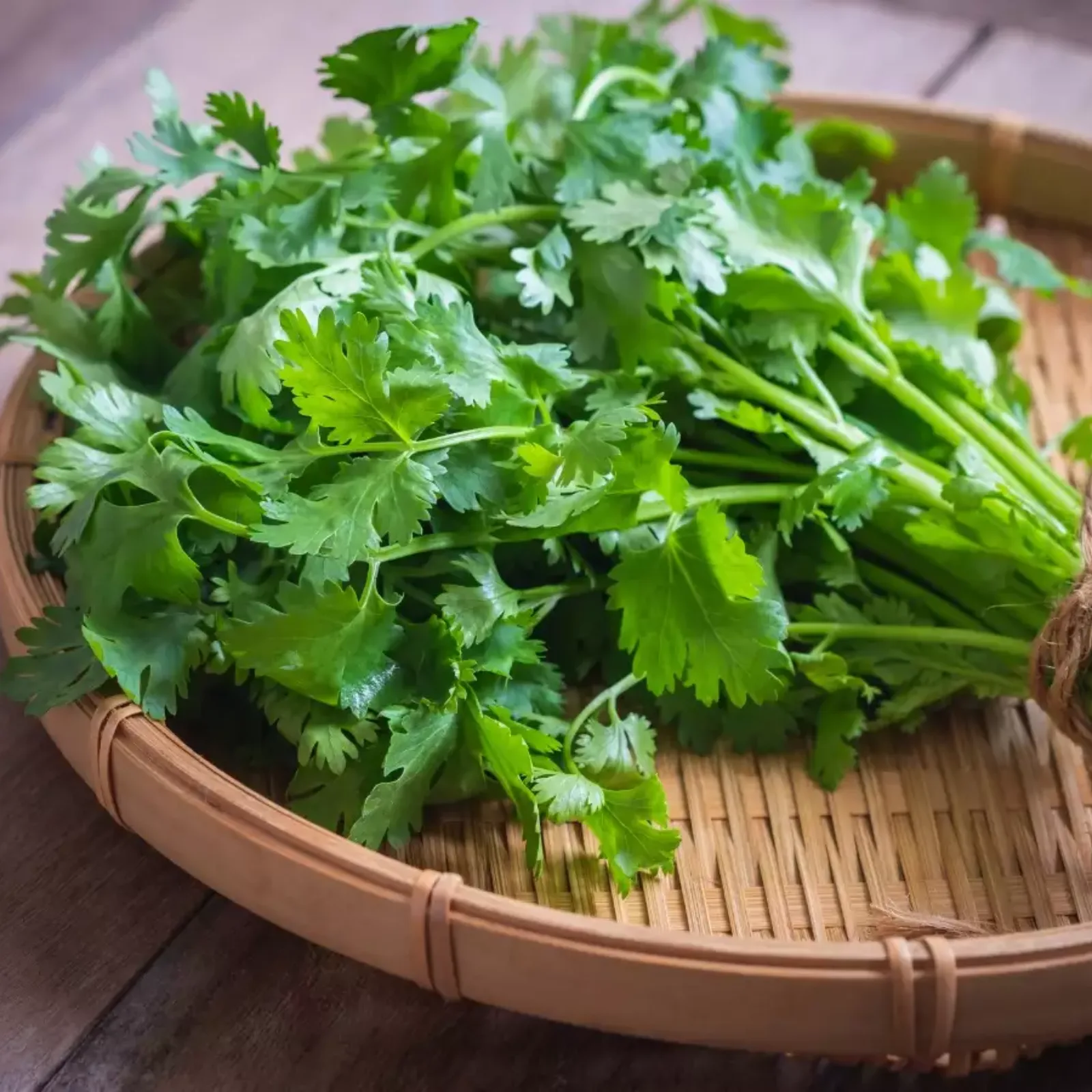
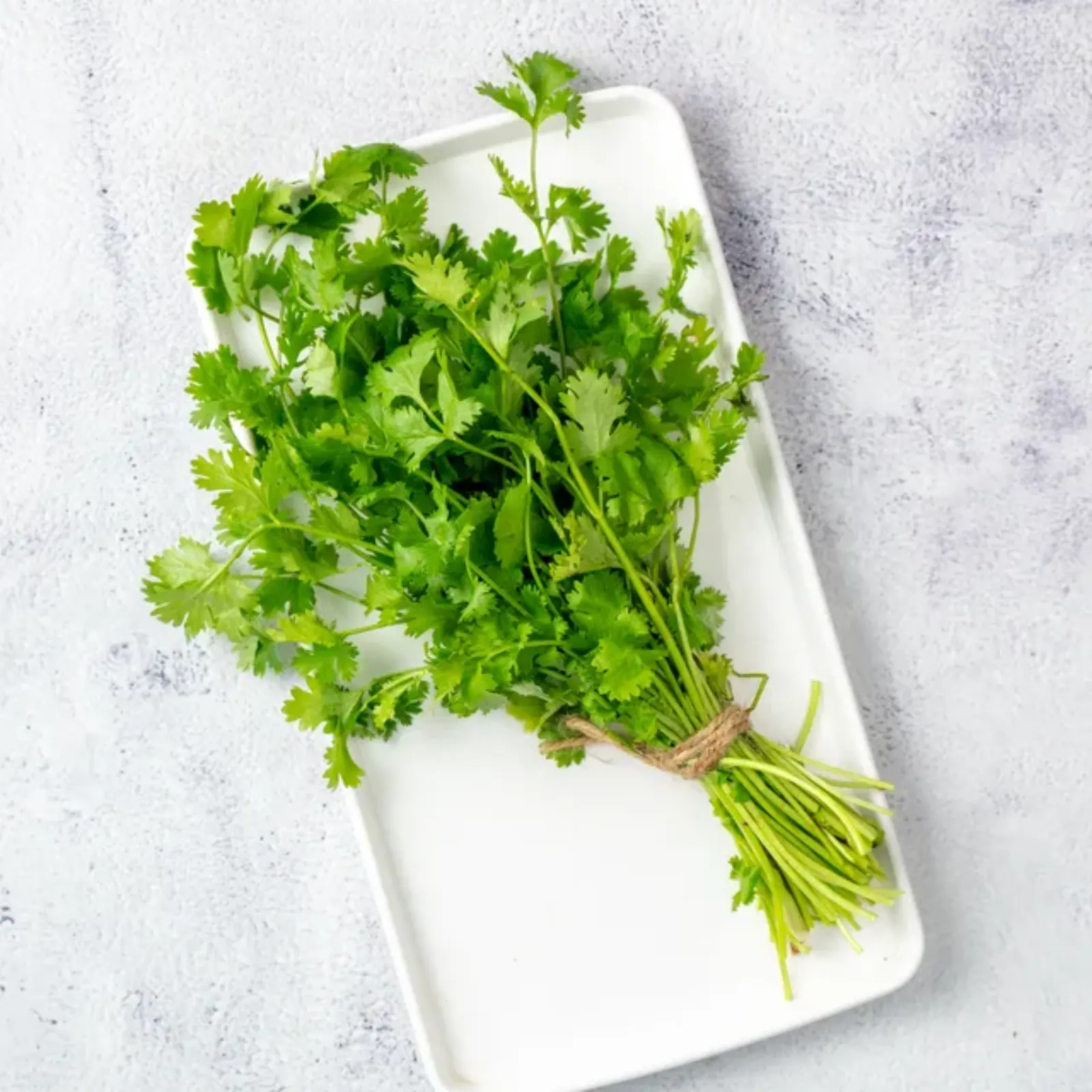
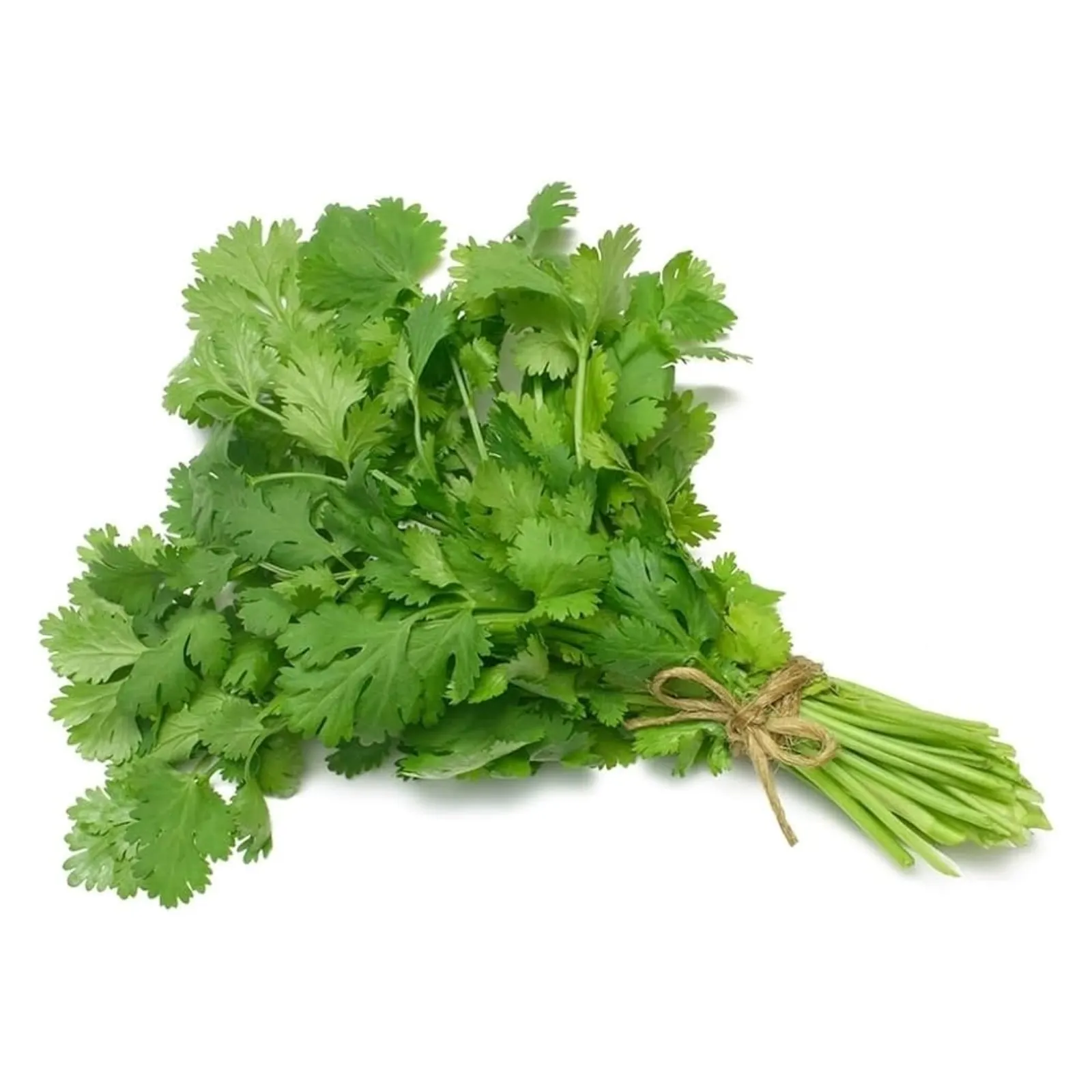
Coriander (Coriandrum sativum), also known as cilantro or Chinese parsley, is a versatile annual herb widely used in culinary dishes around the world. Both its fresh leaves and dried seeds are commonly used for their distinct flavors. Growing coriander from seeds is a rewarding endeavor, especially for home gardeners and small-scale cultivators. However, achieving a successful harvest requires a clear understanding of its germination process, soil and fertilizer needs, watering habits, and pest control techniques. This guide provides a comprehensive overview of everything needed to grow healthy coriander plants from seed to harvest.
Guide to the Germination Process, Soil & Fertilizer, Watering & Pest Control Requirements for Coriander Seeds
Seeds Germination Process
Seed Preparation: Coriander seeds are actually two seeds encased in a husk. For better germination:
- Crush the seeds gently between your palms to split them into individual halves.
- Soak the seeds in water for 8–12 hours before sowing. This softens the seed coat and accelerates germination.
Planting Medium: Use a well-draining potting mix enriched with compost. The ideal medium is light, airy, and rich in organic matter. A mix of garden soil, compost, and sand in a 2:1:1 ratio works well.
Avoid heavy clay soils or compacted earth that retains too much water.
Planting
- Sow seeds directly where the plant is to grow. Coriander dislikes transplanting.
- Spacing: Sow seeds about 1/4 to 1/2 inch deep, and space them 6 inches apart.
- Cover lightly with soil and gently firm down.
Containers
If using containers:
- Choose pots that are at least 6–8 inches deep.
- Ensure proper drainage holes.
- Use wide containers to accommodate multiple plants.
Watering
After sowing:
- Water the soil lightly but thoroughly.
- Keep the soil consistently moist, but not soggy.
- Use a spray bottle or gentle watering can to avoid displacing the seeds.
Temperature
- Best germination occurs between 18°C and 25°C (64°F to 77°F).
- Avoid temperatures above 30°C, which can hinder sprouting or cause the plant to bolt prematurely.
Light
- Coriander prefers full sun (at least 4–6 hours daily).
- In hot climates, partial shade during the hottest part of the day helps prevent bolting.
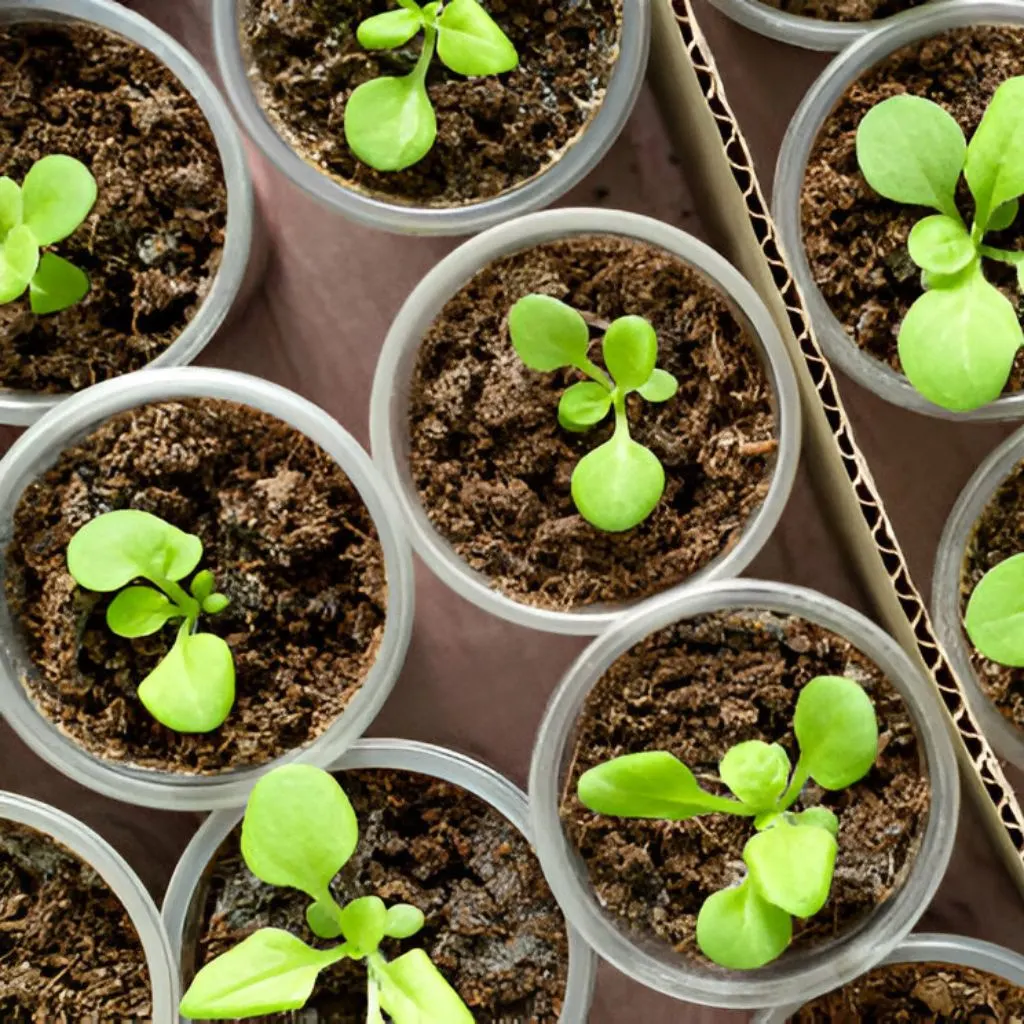
Germination Time: Thin seedlings once they’re 1–2 inches tall to avoid overcrowding.arieties. Expect sprouting in 7 to 14 days.
Soil & Fertilizer Requirement
Soil Type: Coriander thrives in well-drained, loamy soil that is rich in organic matter. The ideal pH range is 6.2 to 6.8.
Avoid waterlogged or clay-heavy soils as coriander roots can rot easily.
Soil Preparation
- Loosen the soil to a depth of at least 8–10 inches before sowing.
- Incorporate well-rotted compost or aged manure to improve fertility and texture.
- Ensure good drainage to avoid root rot.
Fertilization: Coriander doesn’t require heavy fertilization:
Avoid excess nitrogen, which can promote leafy growth at the expense of seeds and flavor.choices.
At planting: Mix a balanced organic fertilizer (like 10-10-10 NPK) into the soil.
During growth: Side-dress with compost or a diluted liquid fertilizer every 2–3 weeks.


Watering Requirement
Regular Watering
- Coriander needs consistent watering, especially during germination and early growth.
- Water 2–3 times per week, depending on weather conditions.
Drought Tolerance
- While somewhat drought-tolerant, coriander performs best with even moisture.
- Irregular watering can lead to bolting or poor leaf development.
Deep Watering
- Encourage deeper root systems with deep watering sessions rather than frequent shallow ones.
- Allow the top inch of soil to dry slightly between waterings.
Avoid Overwatering
- Overwatering leads to fungal diseases and root rot.
- Ensure containers or beds have proper drainage.
Climate Dependent: In cooler weather, reduce watering accordingly.y need watering every day.
In hot weather, increase watering frequency, but ensure soil isn’t soggy.
Pest Control Requirement
List of Common Pests
- Aphids – Small green or black insects that suck sap from leaves.
- Cutworms – Larvae that cut down seedlings at the base.
- Armyworms – Caterpillars that chew through leaves.
- Leafhoppers – Jumping insects that cause stippling and yellowing.
- Whiteflies – Tiny flying pests that feed on sap and secrete honeydew.
- Fungal Diseases – Such as powdery mildew and damping-off.
Solutions
- Aphids: Spray with neem oil or insecticidal soap. Introduce ladybugs, their natural predators.
- Cutworms: Use collars around seedlings or sprinkle diatomaceous earth at the base.
- Armyworms: Pick off manually or use Bacillus thuringiensis (Bt) spray for organic control.
- Leafhoppers & Whiteflies: Use yellow sticky traps or neem oil sprays.
- Fungal Diseases: Ensure good air circulation, avoid overhead watering, and apply fungicidal sprays like copper or sulfur if necessary.
- General Prevention: Rotate crops annually, remove debris, and avoid overcrowding plants.

Reviews
There are no reviews yet