
What’s in the Box
- Pumpkin Seeds
- Sowing instructions printed on backside of Seed Packet
- Recyclable Pouch
Introduction
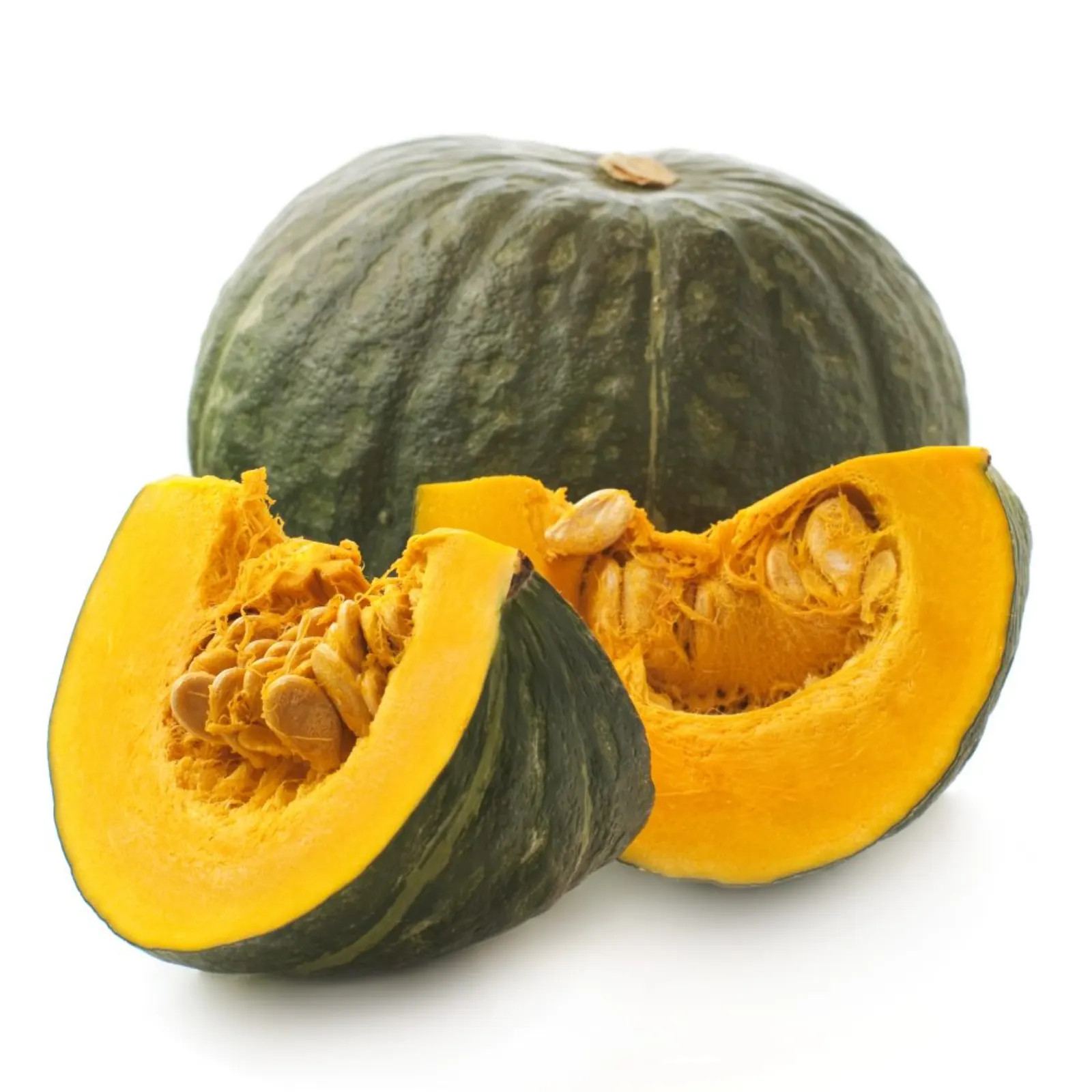
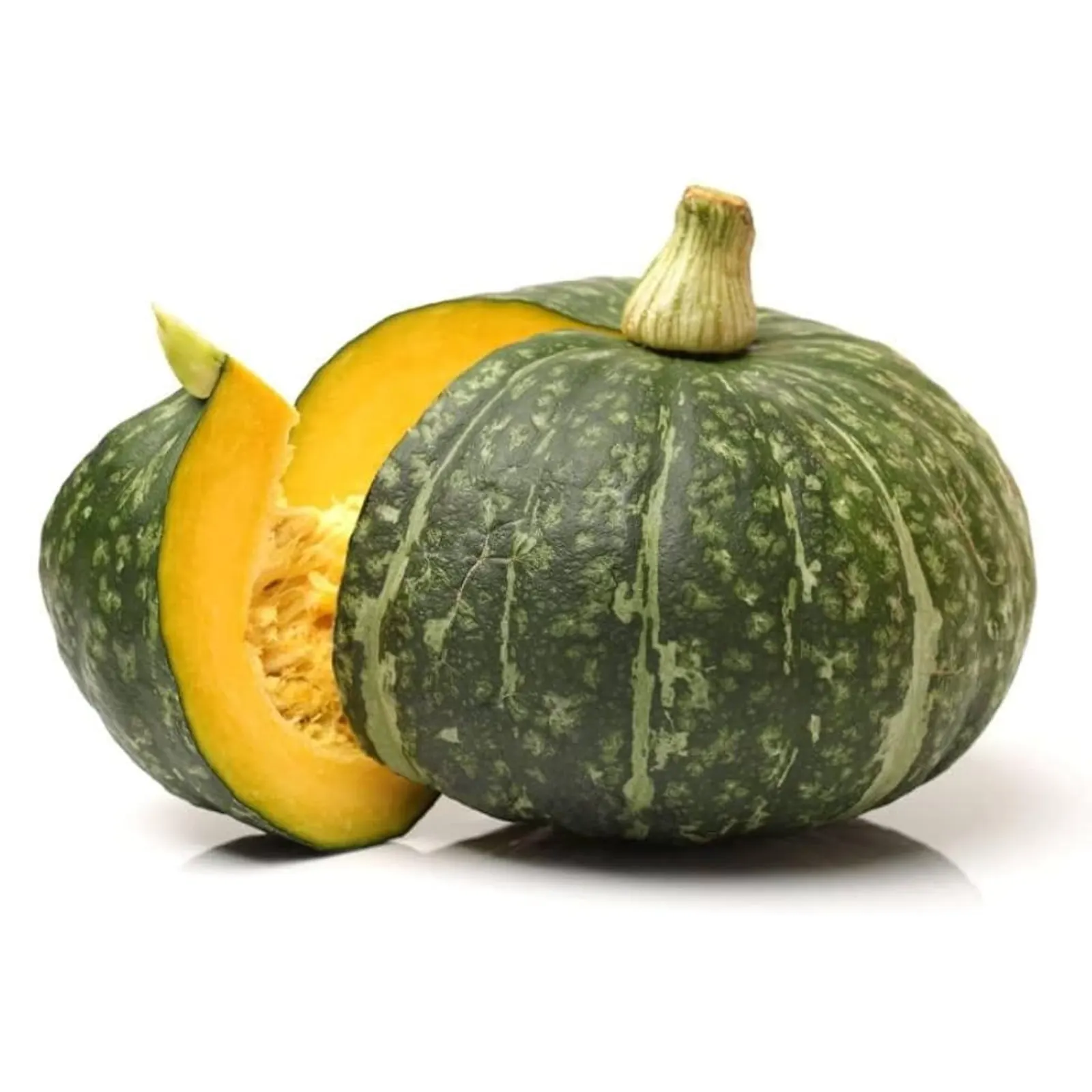
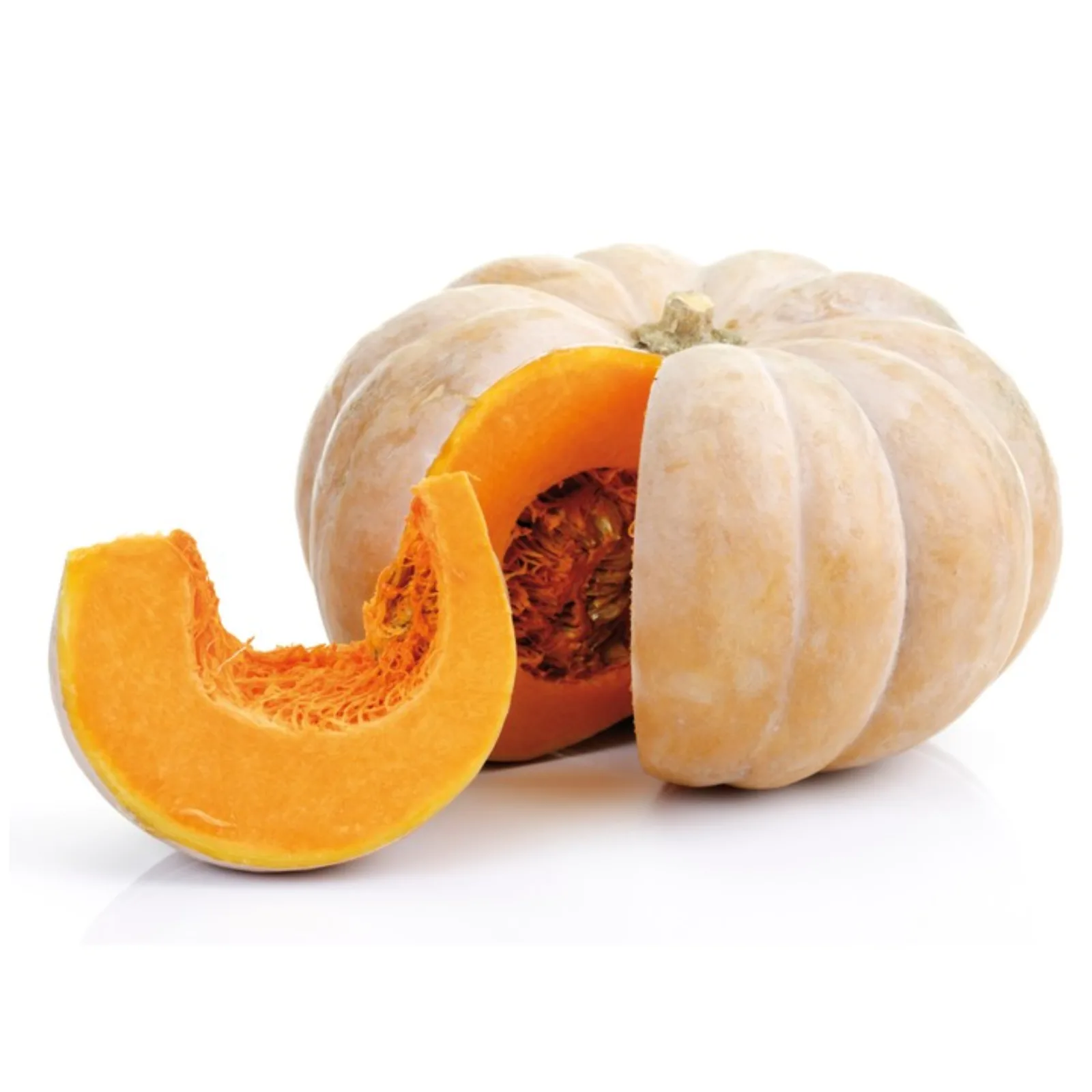
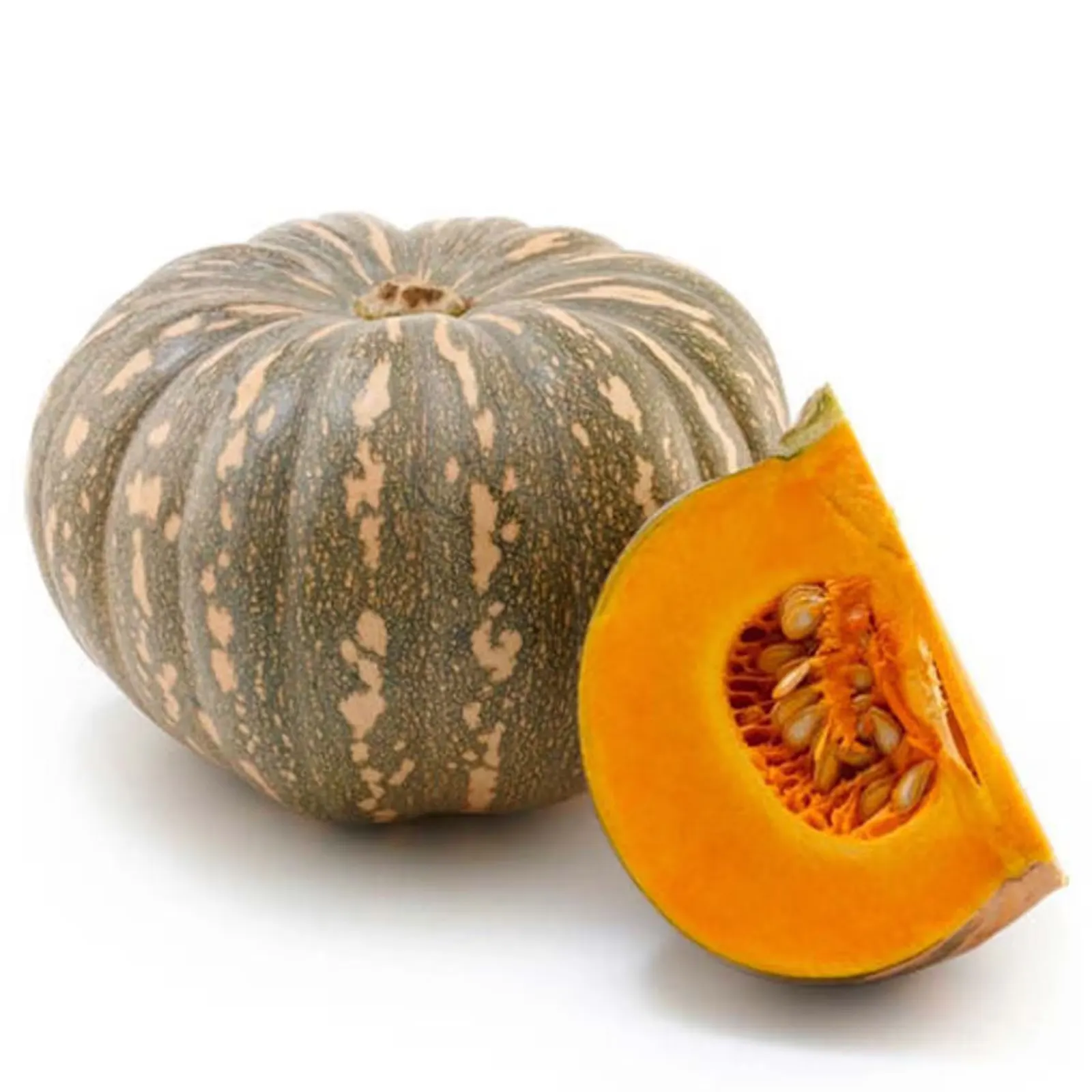
Grow your own healthy, delicious pumpkins right at home with our premium Pumpkin Seeds! Perfect for kitchen gardens and organic growers, these high-quality seeds are carefully selected to ensure robust growth, large fruit size, and a rich, natural sweetness. Whether you’re planning to make festive decorations, nutritious soups, or fresh pumpkin puree, our Pumpkin Seeds deliver both productivity and flavor.
Easy to grow and ideal for India’s diverse climates, pumpkins thrive in sunny spaces and well-drained soil. Their lush green vines and vibrant orange fruits add charm to any garden while providing a rewarding harvest.
Start your green journey today — sow our Pumpkin Seeds and enjoy the satisfaction of harvesting fresh, homegrown pumpkins packed with nutrition, taste, and freshness!
Seasonal Planting Calendar – Zone Wise
| Zone / Region | States / Examples | Sowing Time | Transplant / Growth Period | Harvest Season | Notes / Tips |
|---|---|---|---|---|---|
| North India (Plains) | Delhi, Haryana, Punjab, Uttar Pradesh, Bihar | Feb – Mar (Spring–Summer Crop) & Jun – Jul (Monsoon Crop) | Mar – Jun / Jul – Oct | Jun – Jul & Oct – Dec | Avoid frost; provide trellis for better air circulation; mulch soil to retain moisture. |
| North India (Hills) | Himachal Pradesh, Uttarakhand, J&K (lower hills) | Mar – May | Apr – Aug | Jul – Oct | Sowing after frost; ensure proper drainage during monsoon. |
| Central India | Madhya Pradesh, Chhattisgarh | Jan – Mar & Jun – Jul | Feb – May / Jul – Oct | May – Jun & Sep – Dec | Use organic compost before sowing; best for dual cropping. |
| Western India (Dry / Semi-arid) | Rajasthan, Gujarat, parts of Maharashtra | Feb – Mar & Jul – Aug | Mar – Jun / Aug – Oct | Jun – Jul & Oct – Dec | Irrigate regularly during dry spells; prefers sandy loam soils. |
| Eastern India | West Bengal, Odisha, Jharkhand | Jan – Mar & Jun – Jul | Feb – May / Jul – Oct | May – Jun & Oct – Dec | Provide organic mulch; protect young vines from excess humidity. |
| Southern India (Tropical) | Tamil Nadu, Kerala, Karnataka, Andhra Pradesh, Telangana | Throughout the year (Best: Jan – Mar & Aug – Sep) | About 20–25 days after sowing | Apr – Jul & Oct – Jan | Ideal for continuous production; water deeply in dry months. |
| Western Coastal (Konkan / Goa / Coastal Maharashtra) | Goa, Coastal Maharashtra, Coastal Karnataka | Jan – Mar & Aug – Sep | Feb – May / Sep – Dec | May – Jun & Nov – Jan | Avoid waterlogging during heavy rains; train vines for better fruit quality. |
| North-East India | Assam, Meghalaya, Nagaland, Manipur, Arunachal Pradesh | Feb – Apr | Mar – Jun | Jun – Sep | Prefers moderate humidity; support vines on bamboo trellis. |
Complete Guide to Pumpkin Seeds Germination, Soil, Watering & Pest Management
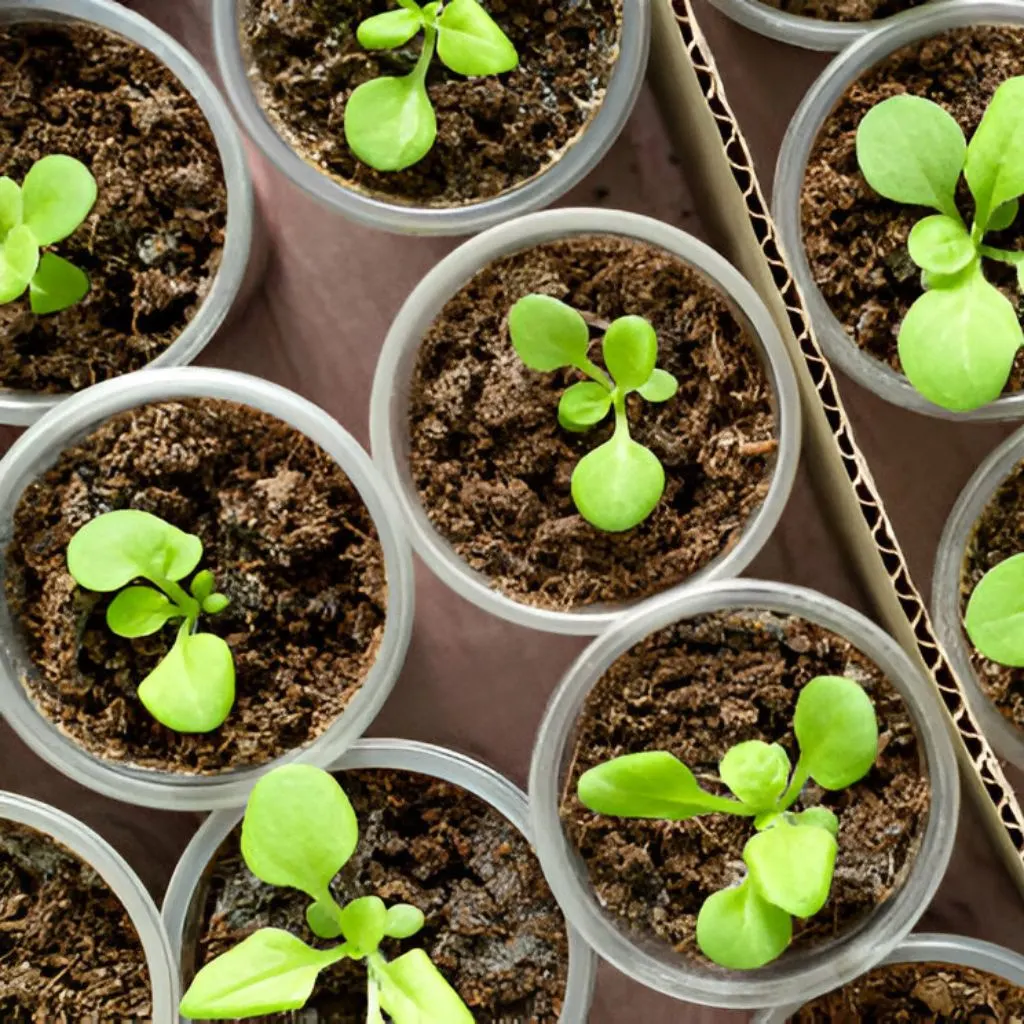
Seed Germination Process
Seed Preparation: Soak pumpkin seeds in lukewarm water for 4–6 hours before sowing. This softens the seed coat and improves germination rates.
Planting Medium: Use nutrient-rich, well-draining soil. A mix of garden soil, compost, and coco peat (2:1:1 ratio) works best. Ensure the soil is loose and aerated for proper root development.
Planting:
Sow the seeds 1 inch (2.5 cm) deep into the soil. Each seed should be spaced 2–3 feet apart if planted in garden beds, or one seed per pot for container gardening.
Containers: Choose large pots or grow bags (at least 18–24 inches deep) if growing in containers. Ensure they have proper drainage holes to avoid waterlogging.
Watering: Keep the soil consistently moist but not soggy during germination. Use a gentle spray to water. Avoid overwatering, as it may cause the seeds to rot.
Temperature: Pumpkin seeds germinate best at 25–32°C (77–90°F). Warm soil ensures faster sprouting.
Light: Provide full sunlight (6–8 hours daily). If growing indoors, place the seedlings near a sunny window or under a grow light.
Germination Time: Seeds usually sprout within 7–10 days, depending on temperature and soil moisture.
Soil & Fertilizer Requirement
Soil Type: Pumpkins prefer loamy, fertile, and well-drained soil with a pH between 6.0–6.8. Enrich the soil with organic matter before planting.
Loosen Soil: Till the soil to a depth of 12–15 inches (30–38 cm) and mix in well-decomposed compost or cow dung manure to improve fertility and texture.
Fertilizer:
- At planting time: Use a balanced fertilizer (NPK 10:10:10 or 19:19:19) to encourage strong early growth.
- During growth: Once the vines start running and flowers appear, switch to a low-nitrogen, high-phosphorus and potassium fertilizer (e.g., NPK 5:10:10) to promote flowering and fruit formation.
- Organic options: Compost tea, bone meal, and liquid seaweed extract are excellent organic choices for sustainable growth.
Application: Fertilize every 3–4 weeks during the growing season. Avoid excessive nitrogen, as it leads to lush leaves but fewer fruits.e feeding ensures balanced growth and abundant harvest.


Watering Requirements
Frequency: Water pumpkin plants deeply 2–3 times per week, depending on weather and soil conditions. Keep the soil evenly moist, especially during flowering and fruiting stages.
Watering Technique:
- Water at the base of the plant to avoid wetting the leaves, which can lead to fungal infections.
- Use mulch (dry leaves or straw) around the base to retain soil moisture and suppress weeds.
Soil Moisture: The soil should remain slightly moist at all times but never waterlogged. Allow the top inch of soil to dry before watering again.
Container Watering: If growing pumpkins in pots or grow bags, they will require more frequent watering due to faster drying.
Avoid: Overwatering or watering during peak sunlight hours, as it can cause stress to the plants.o husk helps retain soil moisture and prevents weed growth.
Pest Control Requirement
Common Pests & Diseases:
- Aphids: These tiny insects suck plant sap and can deform leaves. Control them with neem oil spray or insecticidal soap.
- Squash Beetles & Fruit Borers: They attack leaves and fruits. Hand-pick beetles and use organic pesticides like Bacillus thuringiensis (Bt) for control.
- Powdery Mildew: Appears as white spots on leaves. Improve air circulation and apply a baking soda or sulfur-based fungicide spray.
- Root Rot: Caused by poor drainage or overwatering. Ensure proper soil aeration and drainage.
- Aphids & Whiteflies: Can be controlled with neem oil, soap water sprays, or sticky traps.
Preventive Care:
- Rotate crops each season to prevent soil-borne diseases.
- Avoid overcrowding plants to ensure good airflow.
- Inspect the leaves regularly and take immediate action at the first sign of pests.

FAQs
-
When is the best time to plant pumpkin seeds?
Generally when the soil has warmed and the danger of frost is past. For example, one guide says wait until the soil is ~65 °F (≈18 °C) or later.
-
How deep should I sow pumpkin seeds?
Plant about 1–2 inches (≈2.5–5 cm) deep for direct sowing.
-
How far apart should pumpkin plants be spaced?
Because pumpkins vine out, you’ll need quite a bit of space. For instance: hills spaced ~4 feet or more apart, or rows even further.
-
Should I start seeds indoors or sow directly?
Both are possible. Some recommend starting indoors a few weeks before planting out; others say direct sowing works well for pumpkins.
-
What kind of soil do pumpkins prefer?
Rich, well-draining soil, with good organic matter. Avoid soggy soils.
-
How much sun do pumpkin plants need?
Full sun is best — plenty of light helps the vine and fruit development.
-
How often and how much should I water pumpkins?
They need consistent moisture. For example, one source: about 1–2 inches of water per week during key growth phases.
-
Can I save pumpkin seeds from my own pumpkins for planting next year?
Yes — but you need to clean and dry them properly and be aware of cross-pollination if you want seeds that “breed true”.
-
What is the optimum spacing for hills vs rows?
For hills: might be 60 cm (≈2 ft) apart for some smaller types; for vining large types the spacing is wider.
-
What temperature is best for germinating pumpkin seeds?
Germination often happens best around ~20–24 °C (68-75 °F).
-
How soon after planting will pumpkins produce fruit?
It varies by variety, but pumpkins often need around 90–110 days from planting to harvest.
-
What are common pests or diseases for pumpkin plants?
Examples: squash bugs, squash vine borers, powdery mildew, cucumber beetles.
-
How do I thin seedlings when they’re too crowded?
When seedlings have a couple of leaves, pick the strongest and remove extras so one or two good plants remain.
-
Can pumpkin seeds float in water be planted?
Recommend soaking/evaluating seeds; floaters may be less viable.
-
What’s the best pH for pumpkins?
Many sources say slightly acidic to neutral (for example ~5.5-7.5).
-
Do pumpkin plants need to be trained or supported like vines?
They do vine out a lot; if space is limited you might consider training or choosing compact varieties.
-
When is it too late to plant pumpkins for the season?
If you’re past the point where the plants have enough warm days to mature before first frost, yes it may be too late in cooler climates.
-
How do I harvest and store pumpkin seeds for eating?
You remove seeds, rinse pulp off, dry them thoroughly, then roast or store.
-
Do pumpkins cross-pollinate with other squash/cucurbits?
Yes — if you’re saving seeds for planting next year and want true to type, this is important.
-
What special care do “giant pumpkin” varieties require?
Giant pumpkins need massive space, abundant nutrients, precise watering and often fewer fruits per vine to maximize size.
Reviews
There are no reviews yet