
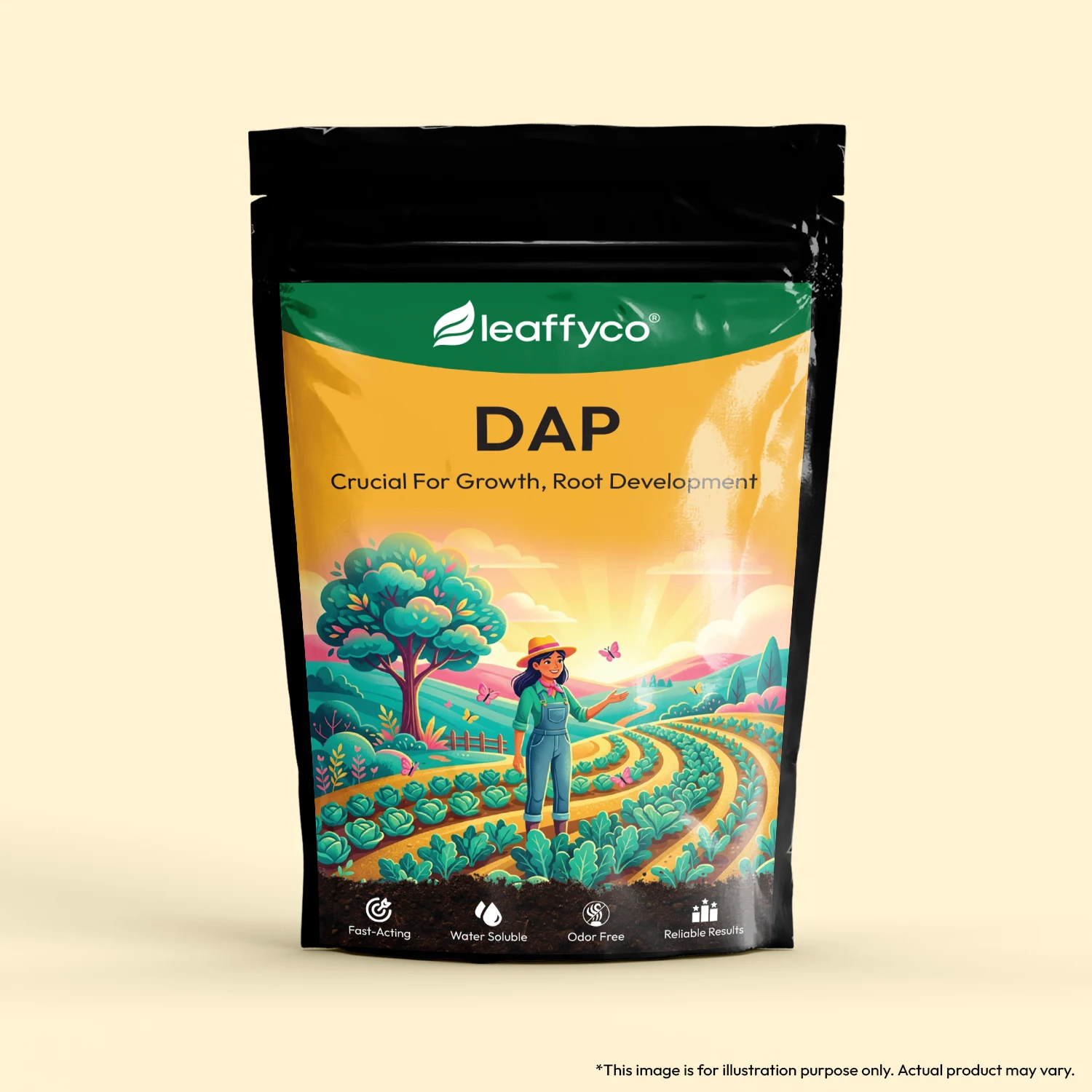
DAP Fertilizer, scientifically known as Diammonium Phosphate, is one of the most widely used and trusted phosphorus fertilizers in modern agriculture. Farmers across the world rely on DAP because it delivers two essential primary nutrients required for healthy plant growth—Nitrogen (18%) and Phosphorus (46%). Due to its high phosphorus concentration, DAP is particularly effective during the early growth stages of crops when root establishment and plant vigor are critical.
The fertilizer is produced through the reaction of ammonia and phosphoric acid, resulting in a granular fertilizer that is easy to apply and highly soluble in soil moisture. Once dissolved, it releases ammonium nitrogen and phosphate ions that become readily available for plant uptake. This quick nutrient availability helps plants establish stronger root systems, absorb nutrients more efficiently, and achieve better growth performance throughout the crop cycle.
DAP is commonly referred to as DAP 18:46:0, indicating that it contains 18% Nitrogen, 46% Phosphorus (P₂O₅), and no Potassium. Because of its nutrient-rich composition, it is often used as a basal fertilizer during land preparation or sowing. It is suitable for a wide range of crops including rice, wheat, maize, cotton, sugarcane, vegetables, fruits, pulses, oilseeds, and plantation crops.
Nutrient Composition of DAP Fertilizer
| Nutrient | Content |
|---|---|
| Total Nitrogen (N) | 18% |
| Available Phosphorus (P₂O₅) | 46% |
| Potassium (K₂O) | 0% |
DAP is considered a high-analysis fertilizer because it provides a substantial amount of phosphorus in a relatively small quantity of product. This makes transportation, storage, and application more economical compared to lower-analysis fertilizers.
Benefits of DAP Fertilizer
- Promotes Strong Root Development: Phosphorus is essential for root formation and early crop establishment. DAP encourages deeper, stronger, and more extensive root systems, allowing plants to absorb water and nutrients efficiently. Strong roots improve drought tolerance and overall crop performance.
- Encourages Early Plant Growth: The nitrogen present in DAP supports rapid vegetative growth, helping seedlings establish quickly and develop healthy foliage. This early vigor often translates into better crop stands and improved yield potential.
- Enhances Flowering and Fruiting: Phosphorus plays a vital role in energy transfer within plants. Adequate phosphorus availability improves flowering, fruit setting, grain formation, and seed production, leading to higher marketable yields.
- Improves Nutrient Uptake Efficiency: Healthy root systems developed through DAP application enable crops to absorb other nutrients more effectively, maximizing fertilizer efficiency and crop productivity.
- Increases Crop Yield and Quality: Regular and balanced use of DAP can contribute to larger fruits, heavier grains, improved crop quality, and increased overall productivity.
- Suitable for Various Soil Types: DAP can be used in a wide range of soil conditions and cropping systems, making it one of the most versatile fertilizers available to farmers.
How DAP Works in Soil
After application, DAP dissolves in soil moisture and releases ammonium nitrogen and phosphate ions. Plants absorb these nutrients through their roots. Phosphorus supports ATP production and energy transfer, while nitrogen contributes to chlorophyll formation and vegetative growth. This dual action makes DAP highly effective as a starter fertilizer.
Because it creates a temporarily alkaline zone around fertilizer granules, it should be placed slightly away from seeds to avoid potential seedling injury, especially in high-pH soils.
Recommended Application Method
- Basal Application: It is most effective when applied during:
- Land preparation
- Before sowing
- At transplanting
- Broadcasting: Uniform broadcasting followed by incorporation into the soil ensures better nutrient availability and minimizes losses.
- Band Placement: Placing it near the root zone improves phosphorus utilization and enhances early crop growth.
- Fertigation: In suitable systems, water-soluble grades may be used through drip irrigation according to agronomic recommendations.
General Dosage Guidelines
The actual dose depends on:
- Crop type
- Soil fertility
- Expected yield
- Soil test results
Typical recommendations:
| Crop Type | Approximate Dose |
|---|---|
| Cereals | 50–125 kg/acre |
| Vegetables | 50–100 kg/acre |
| Fruit Crops | 250–500 g per plant |
| Plantation Crops | As per soil analysis |
Always follow local agricultural recommendations and soil test reports for precise nutrient management.
Advantages Over Other Phosphatic Fertilizers
- Higher Nutrient Concentration: It contains more phosphorus than many conventional phosphatic fertilizers, reducing transportation and application costs.
- Quick Availability: The phosphorus in it is highly water-soluble, making it readily available to plants after application.
- Dual Nutrient Supply: Unlike single-nutrient phosphorus fertilizers, it supplies both nitrogen and phosphorus simultaneously.
Storage and Handling
For maximum effectiveness:
- Store in a cool, dry location.
- Protect from moisture and direct sunlight.
- Keep bags tightly sealed.
- Store away from children and animals.
- Avoid mixing with strongly alkaline materials. Community agricultural guidance also notes compatibility considerations with certain nutrient sources.
Why Gardeners Prefer DAP Fertilizer
Gardeners worldwide prefer it because it:
- Supplies essential nitrogen and phosphorus.
- Improves root establishment.
- Enhances flowering and fruiting.
- Supports early crop vigor.
- Increases fertilizer use efficiency.
- Improves crop quality and yield.
- Offers excellent storage and handling characteristics.
Final Words
DAP Fertilizer (Diammonium Phosphate 18:46:0) remains one of the most effective and trusted phosphorus fertilizers available today. Its powerful combination of nitrogen and phosphorus supports healthy root development, vigorous plant growth, enhanced flowering, improved nutrient uptake, and higher yields. Whether you grow cereals, vegetables, fruits, pulses, oilseeds, or commercial crops, it serves as an essential foundation for successful crop production. By incorporating it into a balanced nutrient management program, farmers can improve soil fertility, optimize crop performance, and maximize agricultural profitability.
Frequently Asked Questions (FAQs)
What is DAP fertilizer used for?
It is primarily used to supply phosphorus and nitrogen for root development, early growth, flowering, and yield improvement in crops.
What does DAP 18:46:0 mean?
DAP 18:46:0 contains 18% Nitrogen, 46% Phosphorus (P₂O₅), and 0% Potassium.
When should DAP fertilizer be applied?
It is generally applied as a basal fertilizer before sowing, planting, or transplanting for maximum phosphorus availability.
Is DAP suitable for vegetable crops?
Yes. It is widely used in tomato, chilli, onion, cabbage, cauliflower, and many other vegetable crops for root establishment and vigorous growth.
Can DAP increase crop yield?
Yes. When used according to soil and crop requirements, It improves nutrient availability, root development, flowering, and overall productivity, resulting in higher yields.
Reviews
There are no reviews yet