
Introduction: Why Soil Quality Matters More Than Fertilizer
Healthy soil is the backbone of a successful garden & plant growth. No matter how high-quality your seeds or plants are, they cannot thrive without the right soil conditions. Soil is not just “dirt”—it is a living ecosystem made up of minerals, organic matter, air, water, and microorganisms that work together to support plant life.
As highlighted in the source article, soil preparation is one of the most important yet often overlooked steps in gardening. When your soil is healthy, it does most of the work—providing nutrients, retaining moisture, and supporting root growth.
If your plants are not growing well, the problem is often not the seeds or fertilizers—it’s your soil.
Healthy soil acts as a natural powerhouse, supplying nutrients, retaining moisture, and supporting root development. Without good soil, even the best fertilizers and seeds will struggle.
At Leaffyco, we always recommend: “Feed the soil first, not just the plant.”
What is Garden Soil Made Of?
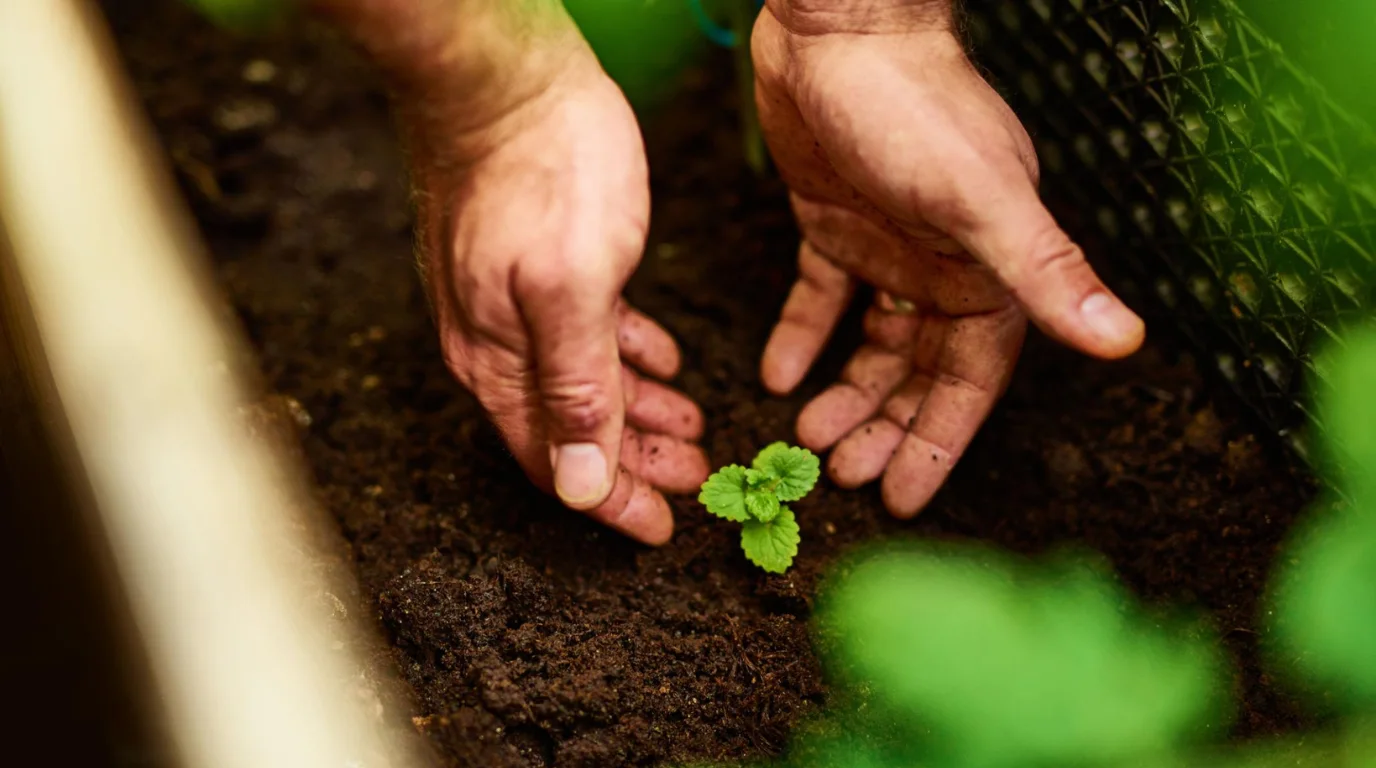
Your soil is a living system made up of:
- Minerals (Sand, Silt, Clay)
- Organic Matter (Compost, Manure)
- Water & Air
- Beneficial Microorganisms
The goal is to achieve loamy soil, which balances drainage, nutrients, and aeration.
1. Mineral Particles
- Sand – Large particles, excellent drainage but poor nutrient retention
- Silt – Medium particles, smooth texture, moderate fertility
- Clay – Tiny particles, high nutrient retention but poor drainage
The balance of these determines soil texture and behavior.
2. Organic Matter
Decomposed plant and animal material (compost, manure, leaves) that:
- Improves fertility
- Enhances soil structure
- Supports beneficial microbes
3. Water
Carries nutrients to plant roots and supports biological activity.
4. Air
Essential for root respiration and microbial life.
The ideal soil is loam, a balanced mix of sand, silt, and clay with rich organic matter.
Types of Soil (And How to Fix Them for Plant Growth)
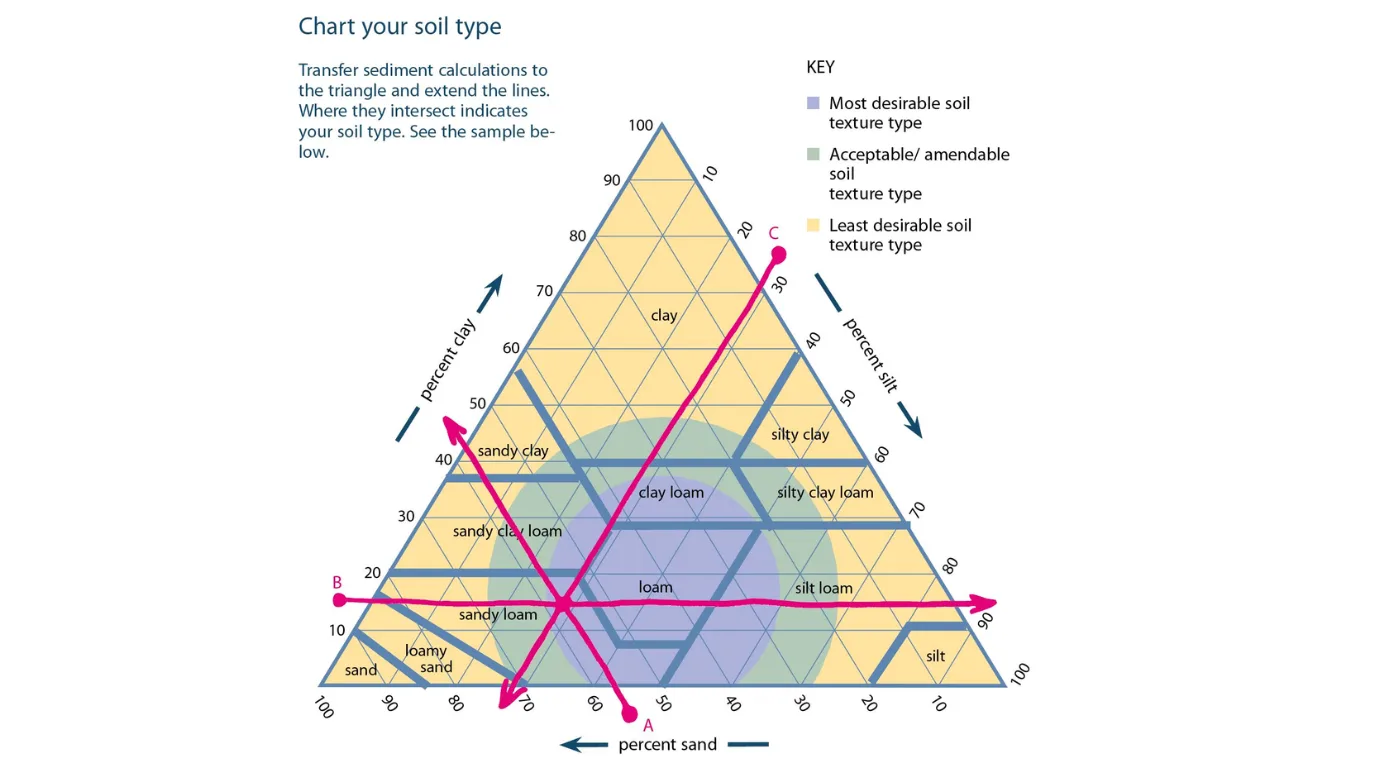
Understanding your soil type is the first step to improving it for plant growth.
Clay Soil
Problems:
- Holds water and nutrients well
- Poor drainage
- Becomes hard when dry
Solution:
✔ Add organic compost
✔ Use soil conditioners
Sandy Soil
Problems:
- Excellent drainage
- Low nutrient retention
- Dries quickly
Solution:
✔ Add compost + organic fertilizers
✔ Use moisture-retaining amendments
Silty Soil
- Smooth texture
- Holds moisture
- Can compact easily
Loamy Soil (Ideal)
- Balanced texture
- Good drainage and nutrient retention
- Easy to work with
Each soil type has advantages and challenges, but all can be improved with proper care.
Soil pH: The Hidden Factor Behind Plant Growth
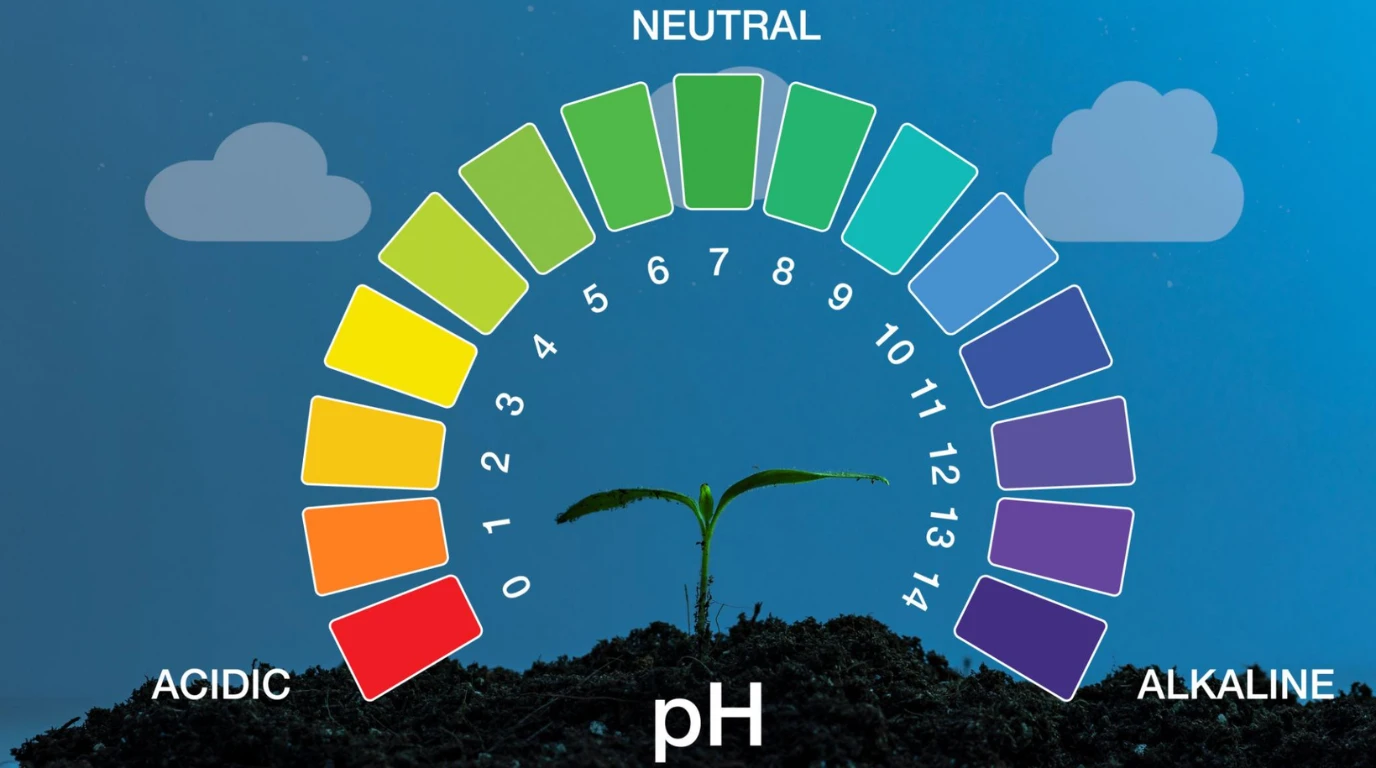
Soil pH determines how easily plants can absorb nutrients.
- Ideal pH range: 6.0 – 7.0 (slightly acidic)
- Too acidic or alkaline soil can block nutrient uptake
How to adjust pH:
- Add lime to raise pH (reduce acidity)
- Add sulfur to lower pH (reduce alkalinity)
- Use organic matter to naturally balance pH
- Avoid excessive chemicals
- Add compost regularly to stabilize soil pH over time.
Improving Soil with Organic Matter for Plant Growth
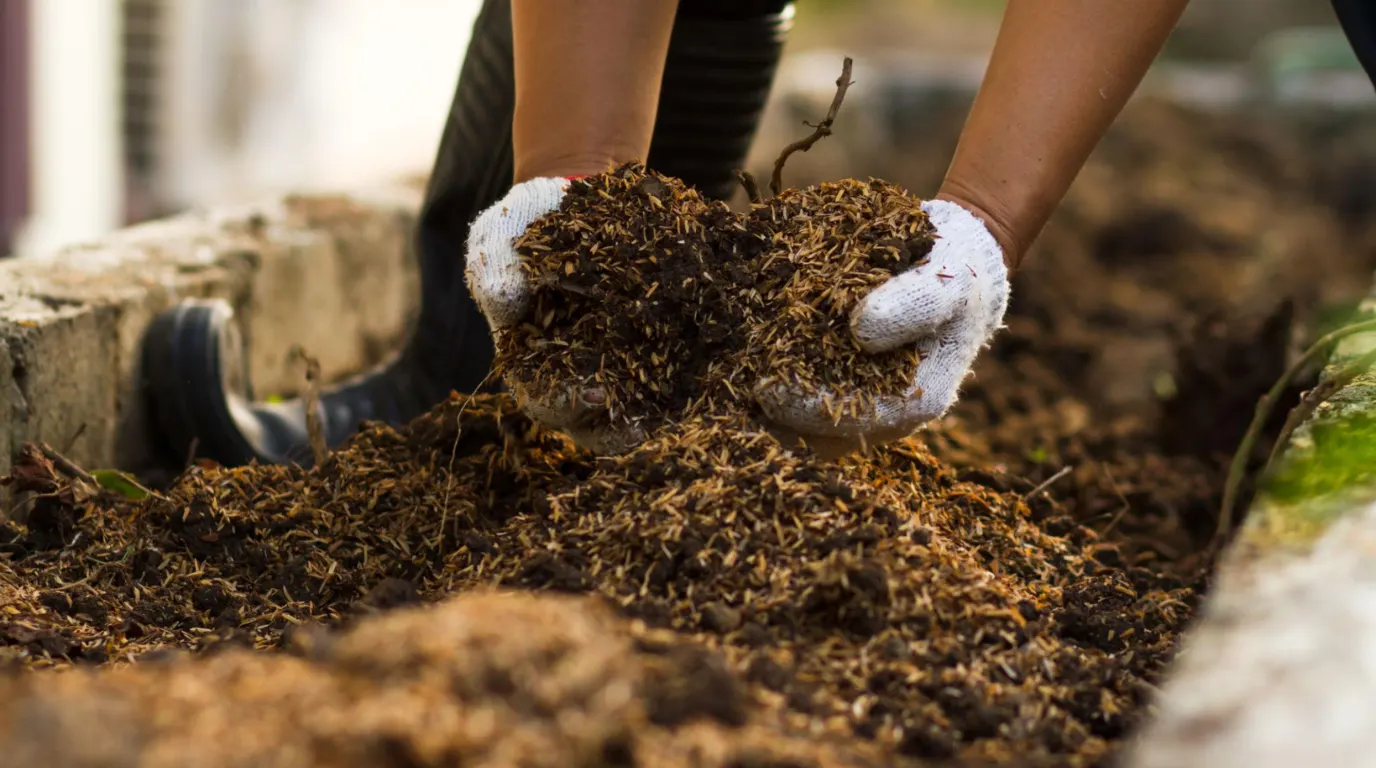
Adding organic matter is the best way to improve any soil type.
Benefits:
- Improves water retention in sandy soil
- Loosens compact clay soil
- Provides slow-release nutrients
- Enhances microbial activity
Common organic amendments:
- Compost
- Animal manure
- Leaf mold
Over time, these materials transform soil into a fertile, loamy structure.
Soil Microorganisms: The Invisible Helpers for Plant Growth
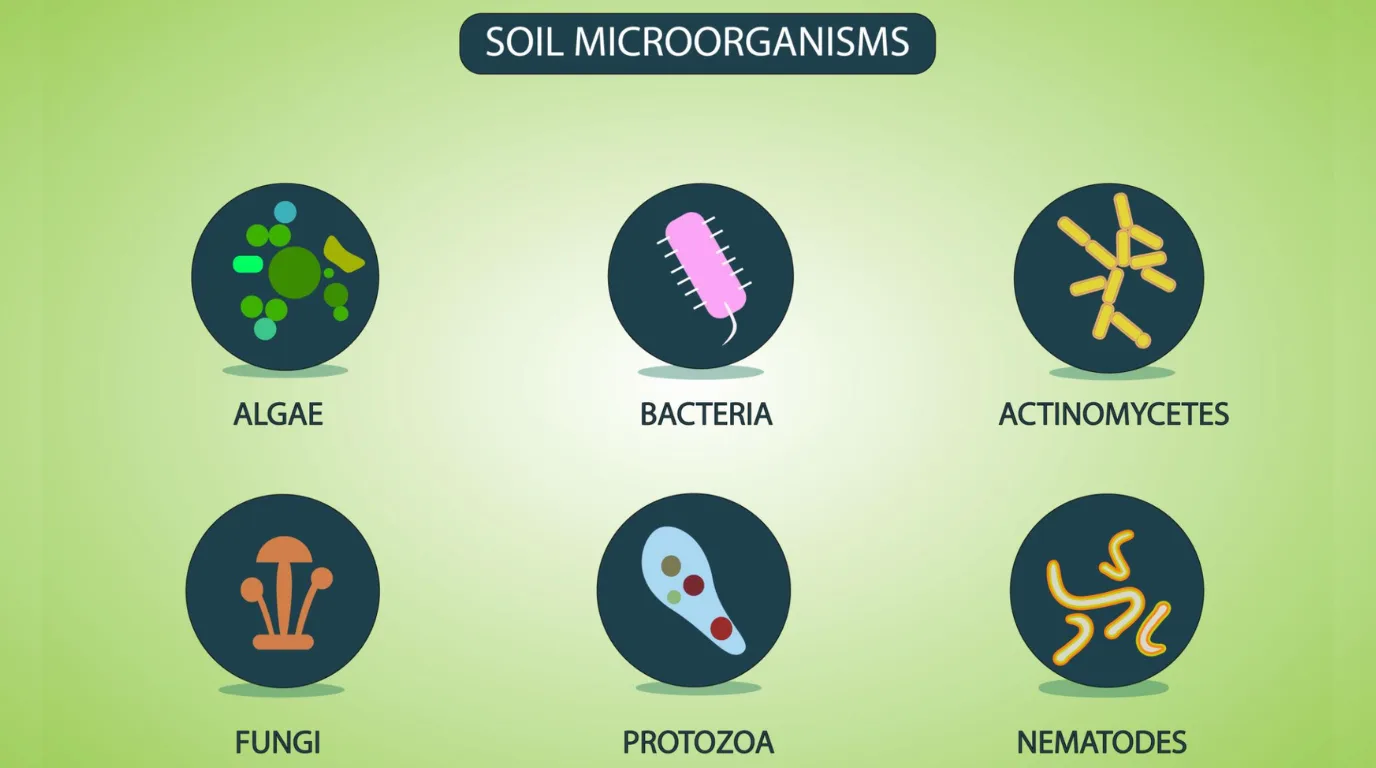
Soil is alive with organisms like:
- Bacteria
- Fungi
- Earthworms
- Insects
These organisms:
- Break down organic matter
- Release nutrients
- Improve soil aeration
Healthy soil biology is essential for long-term garden success.
Mulching: Easy Way to Boost Soil Health for Plant Growth
Mulching involves covering soil with organic material.
Benefits:
- Retains moisture
- Suppresses weeds
- Regulates soil temperature
- Adds organic matter over time
Avoid over-mulching, as it can cause excess moisture and fungal issues.
Tilling vs No-Till Gardening
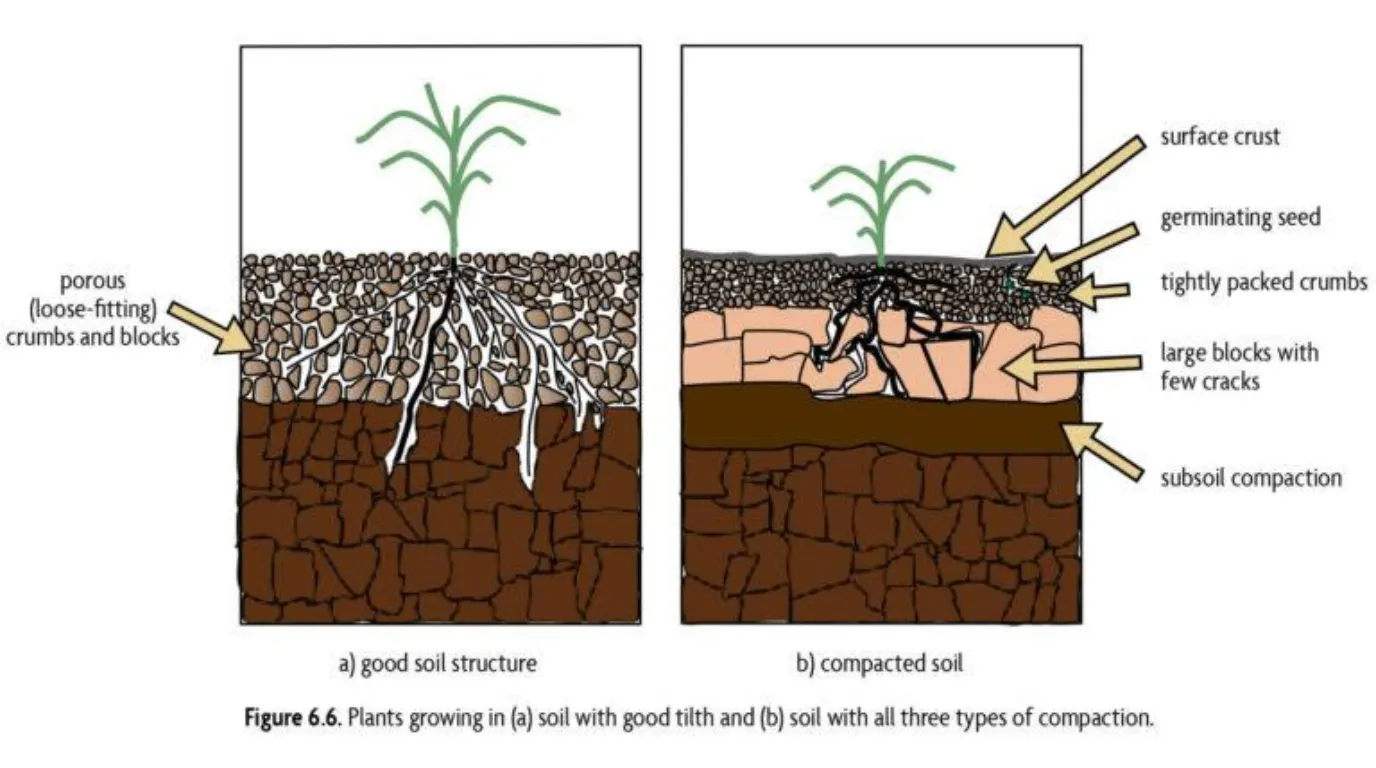
Tilling (Pros & Cons)
- Helps mix nutrients
- Can destroy soil structure and microorganisms
- Encourages weed growth
No-Till Approach
- Preserves soil structure
- Supports beneficial organisms
- Improves long-term fertility
Modern gardening often favors minimal disturbance for healthier soil & plant growth.
Tips for Maintaining Healthy Garden Soil
- Test soil regularly
- Add compost annually
- Avoid compacting soil
- Use mulch consistently
- Rotate crops
- Reduce chemical use
Healthy soil is not created overnight—it improves gradually with proper care.
Conclusion
Soil is the living foundation of your garden. By understanding its composition, improving it with organic matter, maintaining proper pH, and supporting soil life, you can create an environment where plants thrive naturally.
The key takeaway: Focus on building soil health first, and your plants will reward you with stronger growth, better yields, and fewer problems.