
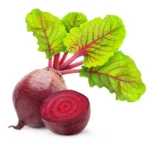
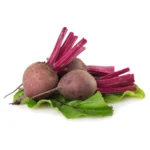
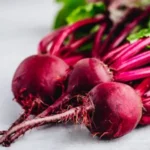

What’s in the Box
- Beetroot Seeds
- Sowing instructions printed on backside of Seed Packet
- Recyclable Pouch
Introduction
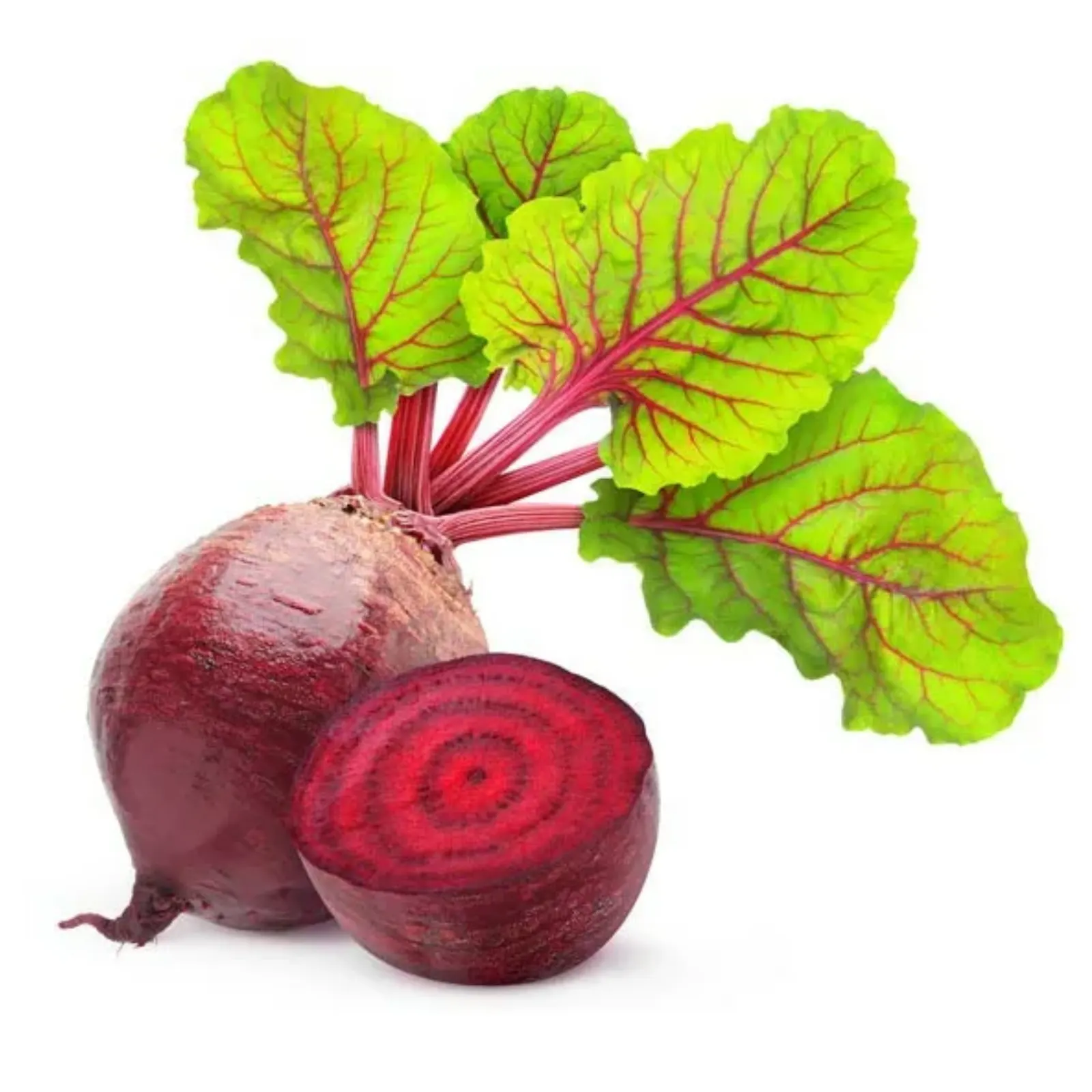
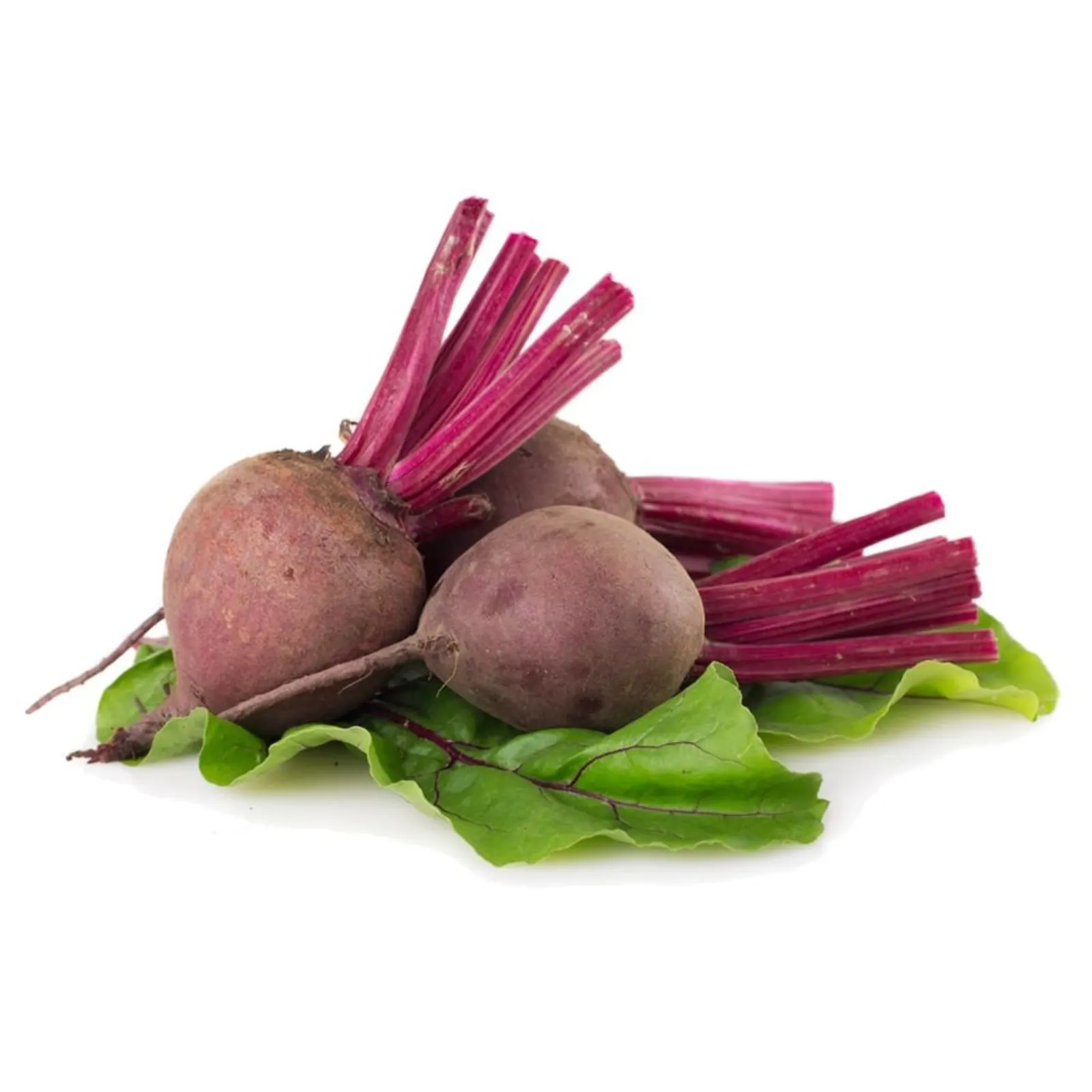
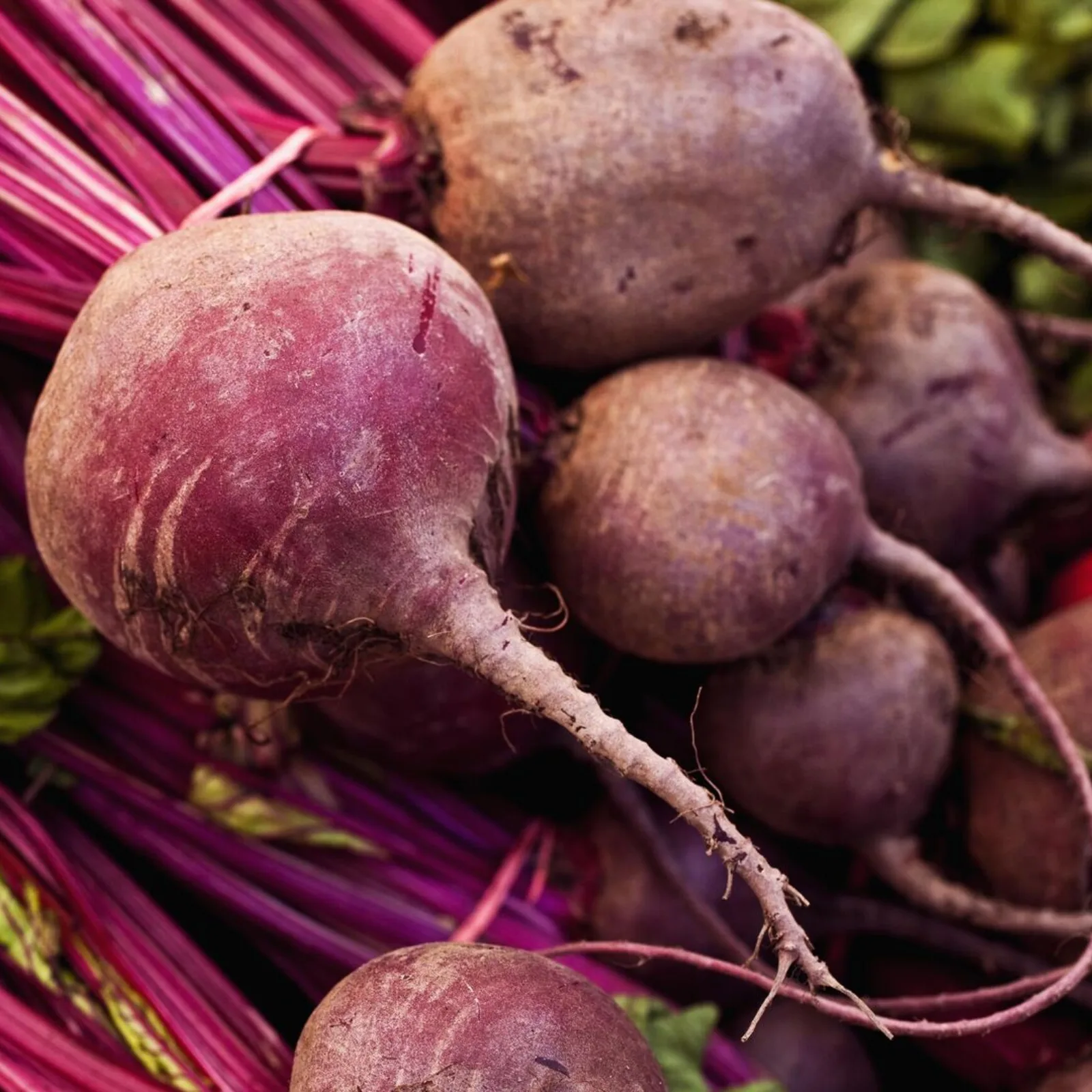
Beetroot (Beta vulgaris) is a nutrient-rich root vegetable known for its deep red color and earthy sweetness. It’s cultivated for both its roots and edible leaves. Beets are a cool-season crop that grows well in a variety of climates, making them a popular choice for home gardeners and commercial growers alike. Rich in folate, fiber, manganese, and antioxidants, beetroot is valued not only for its culinary versatility but also for its health benefits. This guide provides an in-depth look at the entire beetroot cultivation process—starting from seed germination to pest control.
Guide to the Germination Process, Soil & Fertilizer, Watering & Pest Control Requirements for Beetroot Seeds
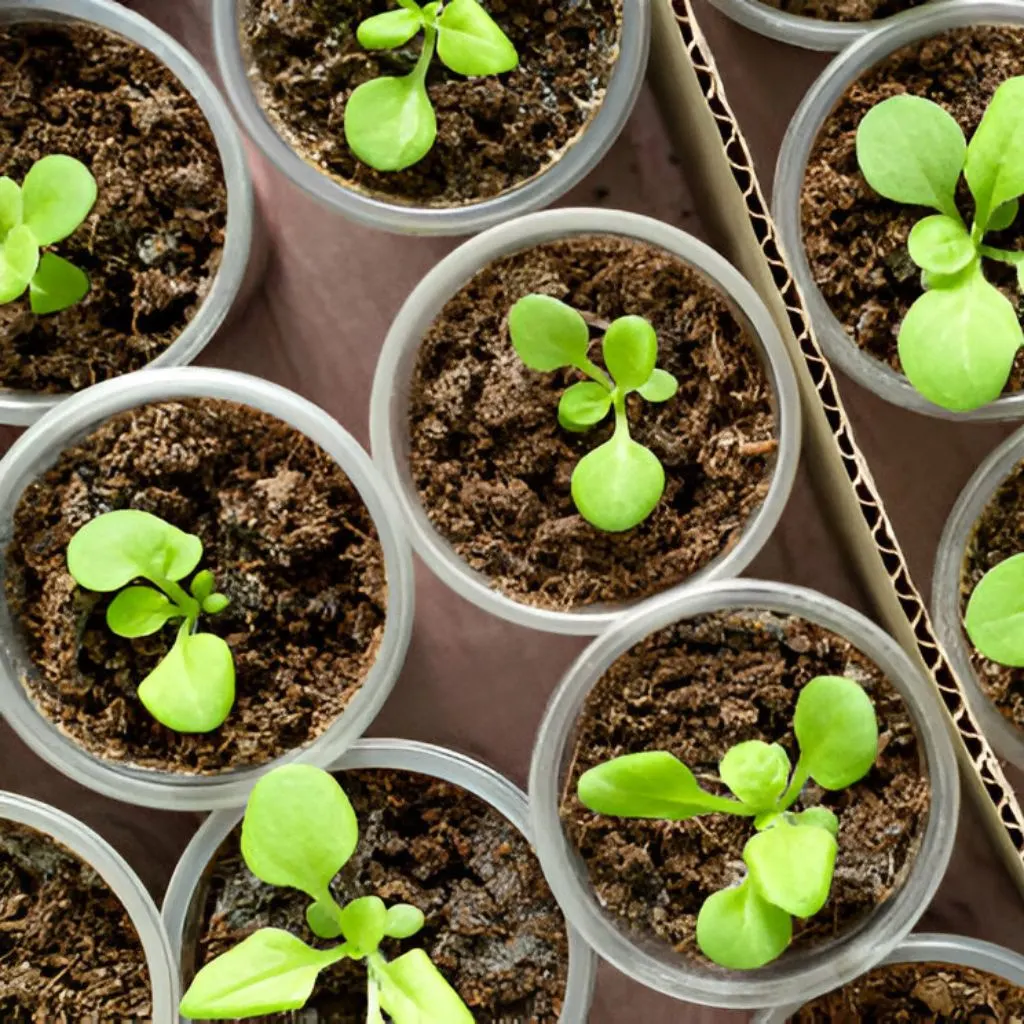
Seeds Germination Process
Seed Preparation: Beetroot seeds are actually clusters containing 2–4 seeds in a corky shell. To improve germination rates and uniformity:
- Soak seeds in warm water for 12–24 hours before sowing. This softens the seed coat and activates internal growth enzymes.
- Rinse seeds thoroughly before planting to remove any inhibitory substances released during soaking.
Planting Medium: A light, well-draining medium is essential. Use:
- Seed-starting mix or a blend of compost, sand, and loam.
- pH level should be neutral to slightly alkaline (6.0–7.5).
- Avoid heavy clay or waterlogged soils that hinder root development.
Planting: Sow seeds about ½ inch (1.25 cm) deep and space them 1 inch apart in rows. Thin seedlings to 2–4 inches apart once they sprout to avoid crowding.
- Row spacing: 12–18 inches
- Depth: ½ inch
- Spacing after thinning: 3–4 inches for optimal root development
Containers: Beetroot can be successfully grown in containers provided they are deep enough (at least 8–10 inches).
- Use containers with good drainage.
- Ideal for balconies, patios, or limited garden space.
Watering: During germination:
- Keep the soil evenly moist but not soggy.
- Water gently to avoid displacing seeds.
- A fine mist or light spray is ideal in early stages.
Temperature
- Ideal soil temperature for germination: 10°C–25°C (50°F–77°F)
- Germination slows below 7°C and above 30°C.
- For fastest germination, aim for 18°C–21°C (65°F–70°F).
Light: Beetroot seeds do not require light to germinate but benefit from light once they sprout.
- Place containers in a bright spot with indirect sunlight until seedlings emerge.
- After germination, provide full sunlight (6–8 hours daily).
Germination Time: Can vary with temperature, moisture, and seed quality. Typically: 5 to 14 days
Soil & Fertilizer Requirement
Soil Type: Beetroots prefer:
- Loose, friable, well-drained soil
- Loamy or sandy soil rich in organic matter
- pH range: 6.0 to 7.5
Avoid compacted, stony, or acidic soils, which lead to misshapen or poor root development.
Soil Preparation
- Clear the area of weeds and old plant debris.
- Till the soil to a depth of 10–12 inches.
- Incorporate organic compost or well-rotted manure to enhance fertility and structure.
- Ensure good drainage to avoid waterlogging, which can cause root rot.
Fertilization: Beetroot needs balanced nutrition:
- Pre-planting: Mix in a complete organic fertilizer (e.g., 10-10-10 NPK) or composted manure.
- During growth: Apply a side-dressing of nitrogen-rich fertilizer once seedlings are 3–4 inches tall.
- Avoid excess nitrogen, which promotes leaf growth over root formation.
Homemade Fertilizer Tip: Mix 1 part bone meal, 1 part wood ash, and 1 part compost for a nutrient-rich amendment.


Watering Requirement
Regular Watering: Beetroot needs consistent and moderate watering to thrive.
- Water 2–3 times per week depending on weather and soil type.
- Roots need a steady supply of moisture to develop properly and stay tender.
Drought Tolerance: Beets are moderately drought-tolerant, but insufficient water will:
- Result in woody or cracked roots
- Slow growth
- Reduce yield
Deep Watering: Encourage deep root growth by:
- Watering thoroughly so moisture reaches 6–8 inches deep
- Avoiding frequent shallow watering
Avoid Overwatering
- Waterlogged soils promote fungal diseases and root rot.
- Use well-draining soil and allow the top layer to dry slightly between waterings.
Climate Dependent: Adjust watering based on:
- Rainfall: Reduce watering during rainy spells.
- Temperature: Increase frequency during hot, dry weather.
- Humidity: Less watering needed in humid climates.
Mulching Tip: Apply straw or compost mulch to retain moisture and suppress weeds.
Pest Control Requirement
List of Pests: Beetroot plants are susceptible to several pests:
| Pest | Symptoms |
|---|---|
| Aphids | Curling leaves, sticky residue (honeydew), stunted growth |
| Leaf Miners | Trails or blotches on leaves caused by larvae tunneling inside |
| Flea Beetles | Small holes in leaves, especially on young seedlings |
| Cutworms | Cut stems at soil level, especially in seedlings |
| Root Maggots | Tunnels in roots, yellowing foliage, stunted growth |
| Slugs and Snails | Irregular holes in leaves, slime trails |
Solutions: Organic Pest Control Methods:
- Aphids
- Spray neem oil or insecticidal soap on affected areas.
- Introduce beneficial insects like ladybugs.
- Leaf Miners
- Remove and destroy affected leaves.
- Use floating row covers to prevent egg-laying.
- Introduce parasitic wasps.
- Flea Beetles
- Apply diatomaceous earth around plants.
- Use sticky traps and row covers.
- Cutworms
- Place collars around seedlings.
- Keep garden debris-free.
- Sprinkle crushed eggshells or coffee grounds around the base.
- Root Maggots
- Practice crop rotation.
- Use beneficial nematodes in the soil.
- Slugs and Snails
- Set up beer traps.
- Apply crushed eggshells or copper tape around garden beds.
Chemical Control (Use as Last Resort)
- Use targeted insecticides following label directions.
- Avoid broad-spectrum pesticides that harm pollinators and beneficial insects.
Preventive Tips:
- Rotate crops annually to break pest cycles.
- Maintain proper spacing and weed control.
- Keep soil healthy with organic matter.

Reviews
There are no reviews yet