
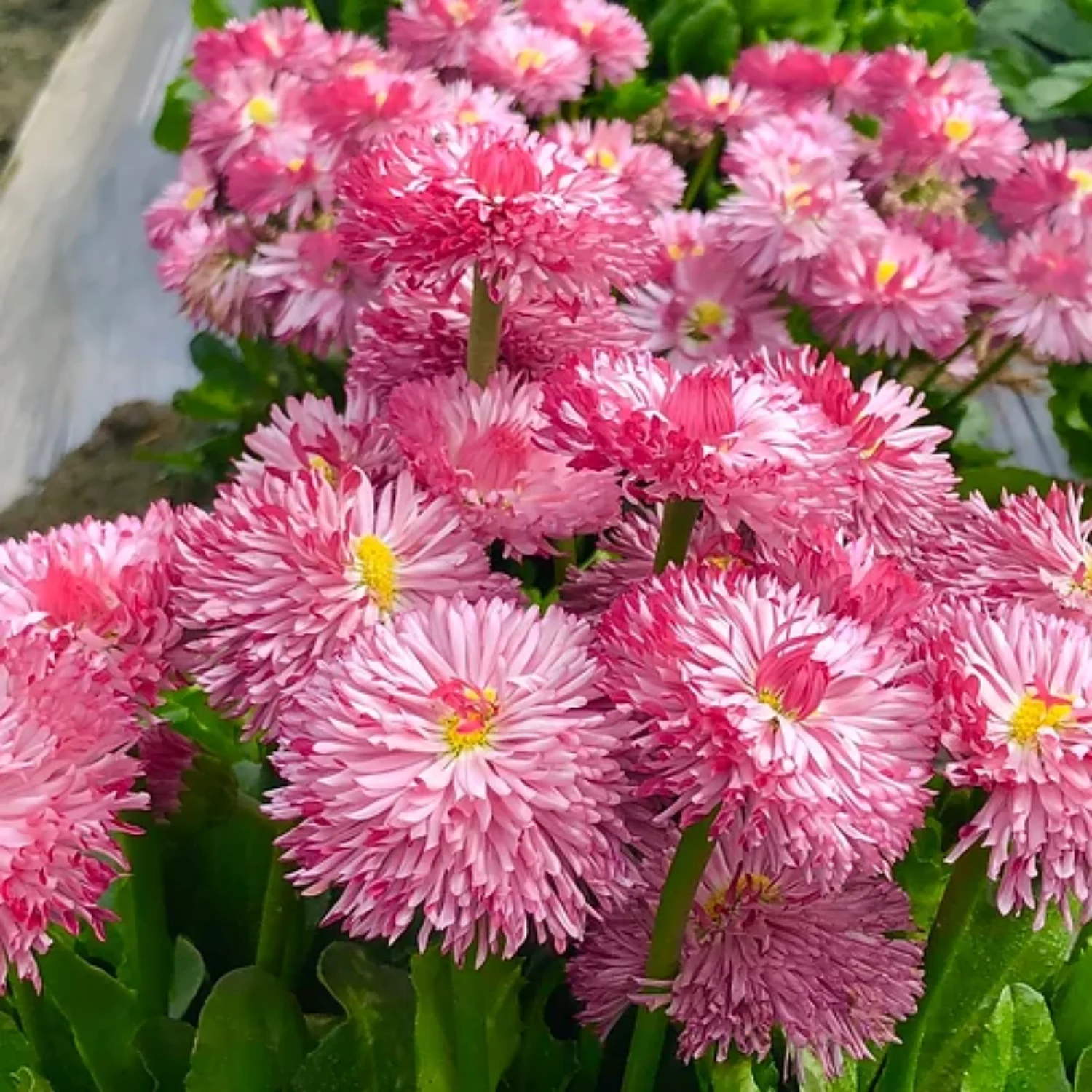
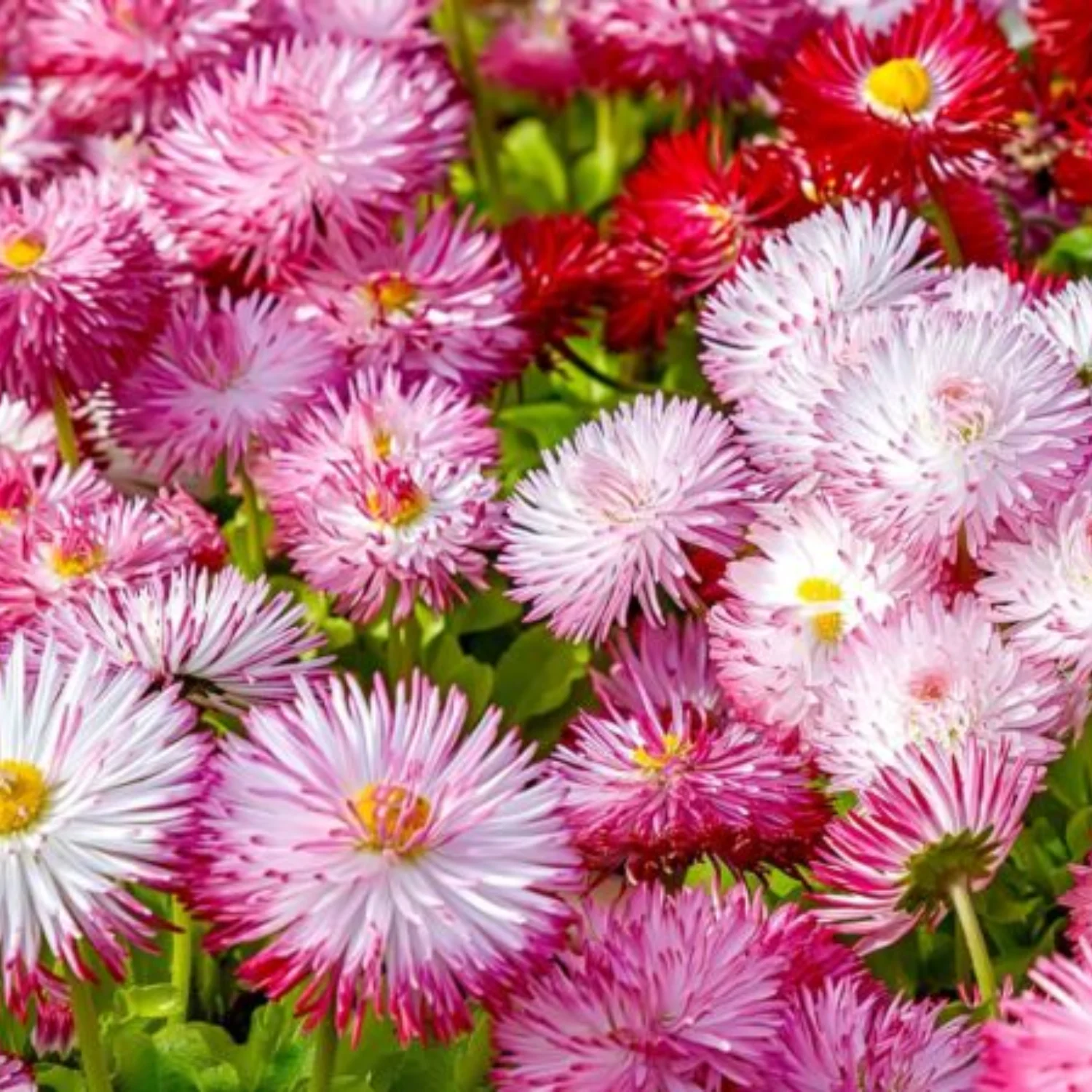
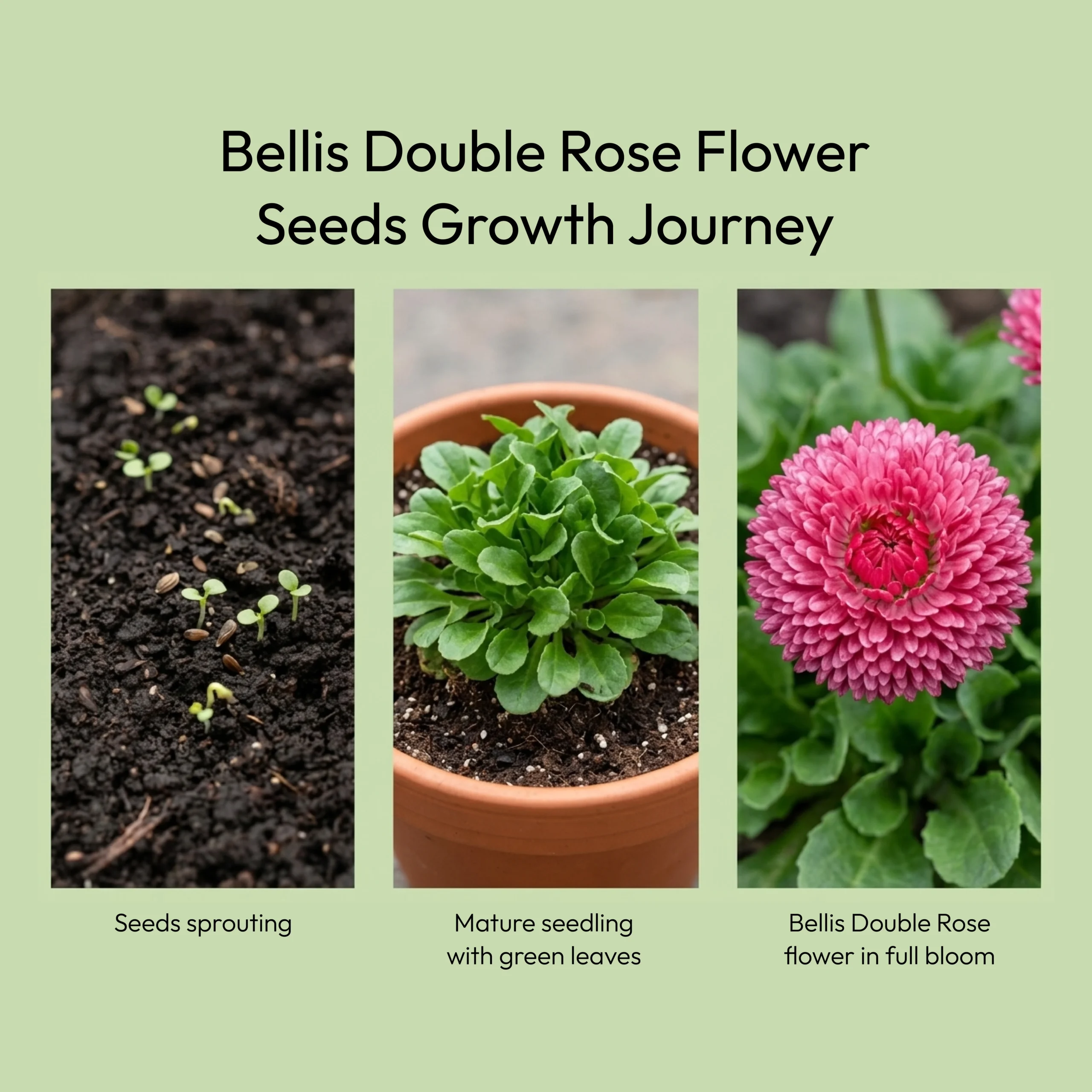
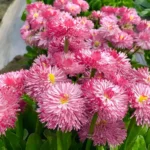

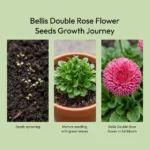
Bellis Double Rose Flower Seeds are among the most admired flowering seeds for gardeners who love compact plants with charming, fully double blooms. Popularly known as the English Daisy (Bellis perennis), this ornamental flowering plant produces beautiful rose-pink pompom flowers that add elegance and color to balconies, terraces, garden borders, pathways, and containers.
The Bellis Double Rose variety is especially prized for its densely packed petals that create a miniature rose-like appearance. These delightful flowers bloom profusely during cool seasons and can transform any outdoor space into a vibrant floral display.
Whether you are a beginner gardener or an experienced flower enthusiast, Bellis Double Rose Seeds are an excellent choice for creating eye-catching landscapes, cottage gardens, winter flower beds, and decorative container arrangements.
The plant remains compact while producing abundant blooms, making it ideal for small urban gardens and balcony gardening.
Why Choose Bellis Double Rose Flower Seeds?
- Premium English Daisy variety
- Attractive double rose-pink flowers
- Compact and bushy growth habit
- Ideal for pots, containers, and flower beds
- Long-lasting blooms
- Excellent border plant
- Suitable for winter and spring flowering
- Pollinator-friendly ornamental plant
- Perfect for home gardens and landscaping
- Easy to grow and maintain
Quick Information
| Details | Information |
|---|---|
| Botanical Name | Bellis perennis |
| Common Name | English Daisy |
| Variety | Double Rose |
| Plant Type | Flowering Perennial (often grown as annual) |
| Flower Color | Rose Pink |
| Plant Height | 15–20 cm |
| Blooming Season | Winter to Spring |
| Germination Time | 10–21 Days |
| Seed Sowing Time | September to January |
| Flowering Time | 90–120 Days After Sowing |
| Sunlight | Full Sun to Partial Shade |
| Water Requirement | Moderate |
Bellis perennis thrives in cool weather and produces the best blooms during winter and spring conditions. It performs exceptionally well in containers, edging, borders, and mass flower plantings.
Best Sowing Time for Bellis Double Rose Seeds
The ideal sowing season in India is:
- North India: September to December
- South India: October to January
- Hill Regions: February to April, September to November
Cool weather encourages healthy growth and abundant flowering. Bellis plants perform poorly in extreme summer heat and bloom best during mild temperatures.
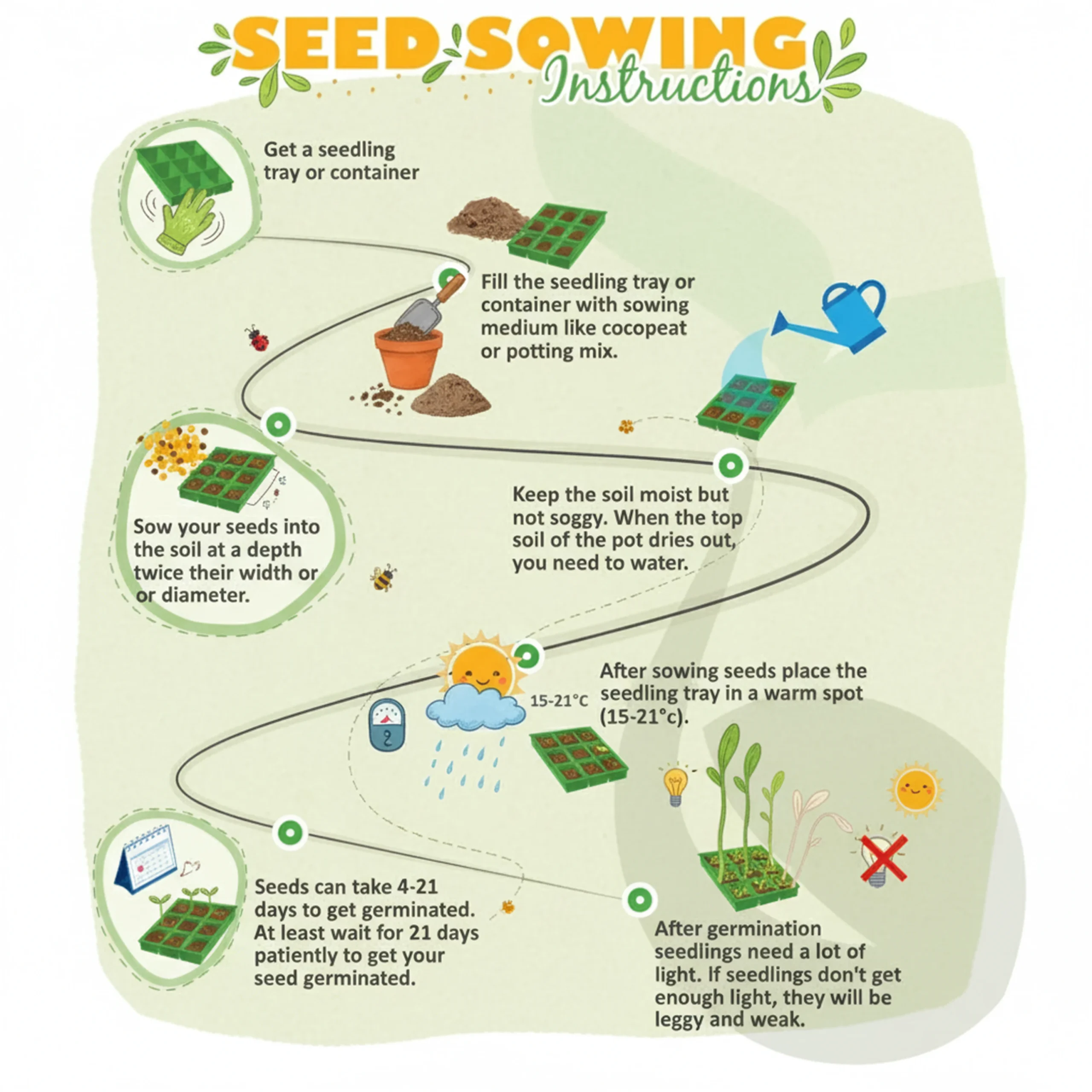
Germination Process of Bellis Double Rose Flower Seeds
Proper seed germination is the first step toward obtaining healthy flowering plants.
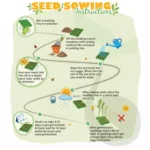
- Step 1: Prepare the Seed Tray
- Use:
- Seedling trays
- Cocopeat
- Vermicompost
- Fine garden soil
- Recommended germination mixture:
- 60% Cocopeat
- 20% Vermicompost
- 20% Garden Soil
- The growing medium should remain loose, lightweight, and well-draining.
- Use:
- Step 2: Sow the Seeds
- Bellis seeds are extremely small and are classified as light-germinating seeds.
- Scatter seeds gently on the surface.
- Do not bury deeply.
- Lightly press the seeds into the growing medium.
- Cover with a very thin layer of cocopeat if needed.
- Bellis seeds require light exposure for successful germination.
- Step 3: Water Carefully
- Use a spray bottle or fine mist sprayer.
- Avoid:
- Heavy watering
- Waterlogging
- Washing away seeds
- Keep the medium consistently moist.
- Avoid:
- Use a spray bottle or fine mist sprayer.
- Step 4: Maintain Temperature
- Ideal germination temperature: 18°C–22°C
- Under suitable conditions, seeds generally germinate within 10–21 days. Some growers report faster germination under controlled nursery conditions.
- Step 5: Transplant Seedlings
- Once seedlings develop:
- 3–4 true leaves
- Strong root system
- Transplant into:
- Pots
- Raised beds
- Garden borders
- Maintain spacing of:
- 15–20 cm between plants
- This ensures adequate airflow and healthy growth.
- Once seedlings develop:
Sunlight Requirement
Sunlight Requirement
Proper sunlight is critical for vigorous flowering.
- Ideal Light Conditions:
- Cool Climate Areas Provide: 5–6 hours of direct sunlight daily
- Warm Climate Areas Provide:
- Morning sunlight
- Afternoon partial shade
- Bellis Double Rose flowers perform best in full sun to partial shade conditions. Excessive heat may reduce flowering and stress the plants.
- Signs of Insufficient Sunlight:
- Fewer flowers
- Leggy growth
- Weak stems
- Pale foliage
- Signs of Excessive Heat:
- Flower fading
- Wilting
- Reduced blooming
- For balcony gardeners, east-facing locations are ideal.
Soil and Fertilizer Requirements for Best Foliage and Flowering
Soil and Fertilizer Requirements for Best Foliage and Flowering
Healthy soil is the foundation of abundant blooms.
- Best Soil Mix Use:
- 40% Garden Soil
- 30% Vermicompost
- 20% Cocopeat
- 10% River Sand
- Bellis prefers:
- Well-drained soil
- Organic-rich growing medium
- Slightly acidic to neutral pH
- Moist but airy conditions
- Loamy, humus-rich soils produce superior flowering performance.
Fertilizer Schedule
- At Planting Mix:
- Vermicompost
- Well-rotted cow manure
Vegetative Stage
- Apply every 15 days:
- Seaweed fertilizer
- Humic acid
- Organic liquid fertilizer
- These support:
- Root development
- Strong foliage
- Disease resistance
Flowering Stage
- Apply:
- Bone meal
- Banana peel fertilizer
- NPK 10:26:26
- Organic flowering booster
- every 15–20 days.
- This promotes:
- More flower buds
- Brighter flower color
- Longer blooming period
Essential Nutrients
- Nitrogen (N): Supports leafy growth.
- Phosphorus (P): Encourages root growth and flower production.
- Potassium (K): Improves flower quality and plant vigor.
- Avoid excessive nitrogen because it may produce lush leaves at the expense of flowers.
Water Requirement
Bellis Double Rose prefers consistently moist soil.
Watering Guidelines
- Seedling Stage: Water lightly every day.
- Established Plants:
- Water:
- 2–3 times weekly
- More frequently during dry weather
- The soil should remain moist but never soggy.
- Water:
- Bellis plants dislike prolonged drought conditions and perform best when moisture levels remain stable.
- Overwatering Symptoms:
- Yellow leaves
- Root rot
- Fungal diseases
- Underwatering Symptoms:
- Wilting
- Smaller flowers
- Reduced blooming
- Apply mulch around plants to conserve moisture and reduce temperature fluctuations.
Pest and Disease Management
Pest and Disease Management
Although Bellis Double Rose is relatively easy to grow, occasional pest attacks can occur.
Common Pests
- Aphids
- Symptoms:
- Curled leaves
- Sticky residue
- Control:
- Neem oil spray
- Insecticidal soap
- Symptoms:
- Spider Mites
- Symptoms:
- Tiny webs
- Yellow speckled leaves
- Control:
- Increase humidity
- Spray neem oil
- Symptoms:
- Slugs and Snails
- Symptoms:
- Holes in leaves
- Damaged flowers
- Control:
- Hand removal
- Organic slug traps
- Bellis may occasionally encounter these garden pests, particularly in moist environments.
- Symptoms:
Common Diseases
- Powdery Mildew
- Symptoms:
- White powdery coating
- Control:
- Improve airflow
- Avoid overhead watering
- Symptoms:
- Root Rot
- Symptoms:
- Yellowing leaves
- Plant collapse
- Control:
- Improve drainage
- Reduce watering
- Preventive care is always more effective than treatment.
- Symptoms:
Landscaping and Decorative Uses
Bellis Double Rose flowers are highly versatile.
Ideal For
- Flower beds
- Garden borders
- Cottage gardens
- Rock gardens
- Window boxes
- Hanging baskets
- Balcony gardens
- Terrace gardens
- Seasonal flower displays
Their compact growth and abundant flowering make them popular among landscape designers and home gardeners.
Benefits of Growing Bellis Double Rose Flowers
Benefits of Growing Bellis Double Rose Flowers
- Enhances Garden Beauty: Creates colorful floral carpets.
- Excellent Container Plant: Suitable for urban gardening.
- Long Blooming Season: Provides months of attractive flowers.
- Pollinator Friendly: Attracts bees and beneficial insects.
- Low Maintenance: Requires minimal care after establishment.
- Great for Cut Flower Arrangements: Adds charm to indoor decorations.
Harvesting and Flowering Information
Harvesting and Flowering Information
- Germination Time: 10–21 Days
- Seedling Transplant Time: 25–35 Days After Germination
- Flowering Time: 90–120 Days After Sowing
- Blooming Season: Winter to Spring
- Seed Collection: Allow flowers to dry naturally before collecting mature seeds.
Final Words
Final Words
Bellis Double Rose Flower Seeds are an outstanding choice for gardeners seeking elegant, compact, and long-flowering ornamental plants. Their charming double rose-like blooms, easy maintenance, and versatility make them perfect for pots, borders, landscaping projects, and home gardens. With proper germination, adequate sunlight, nutrient-rich soil, balanced watering, and basic pest management, these beautiful English Daisies reward growers with months of breathtaking blooms.
Whether you are creating a colorful winter garden, decorating a balcony, or enhancing your landscape design, Bellis Double Rose Flower Seeds offer exceptional beauty, reliability, and gardening satisfaction.
Frequently Asked Questions (FAQs)
How long do Bellis Double Rose seeds take to germinate?
Bellis seeds usually germinate within 10–21 days under cool temperatures and consistent moisture conditions.
Can Bellis Double Rose be grown in pots?
Yes. Bellis Double Rose grows exceptionally well in pots, containers, window boxes, and balcony planters.
How much sunlight does Bellis need?
The plant requires 5–6 hours of sunlight daily. In warmer climates, afternoon shade is beneficial.
Why is my Bellis plant producing leaves but no flowers?
Common reasons include: Excess nitrogen fertilizer, Insufficient sunlight, High temperatures, Overcrowding.
Is Bellis Double Rose suitable for beginners?
Absolutely. It is one of the easiest flowering plants to grow from seed and is ideal for new gardeners.
Reviews
There are no reviews yet