
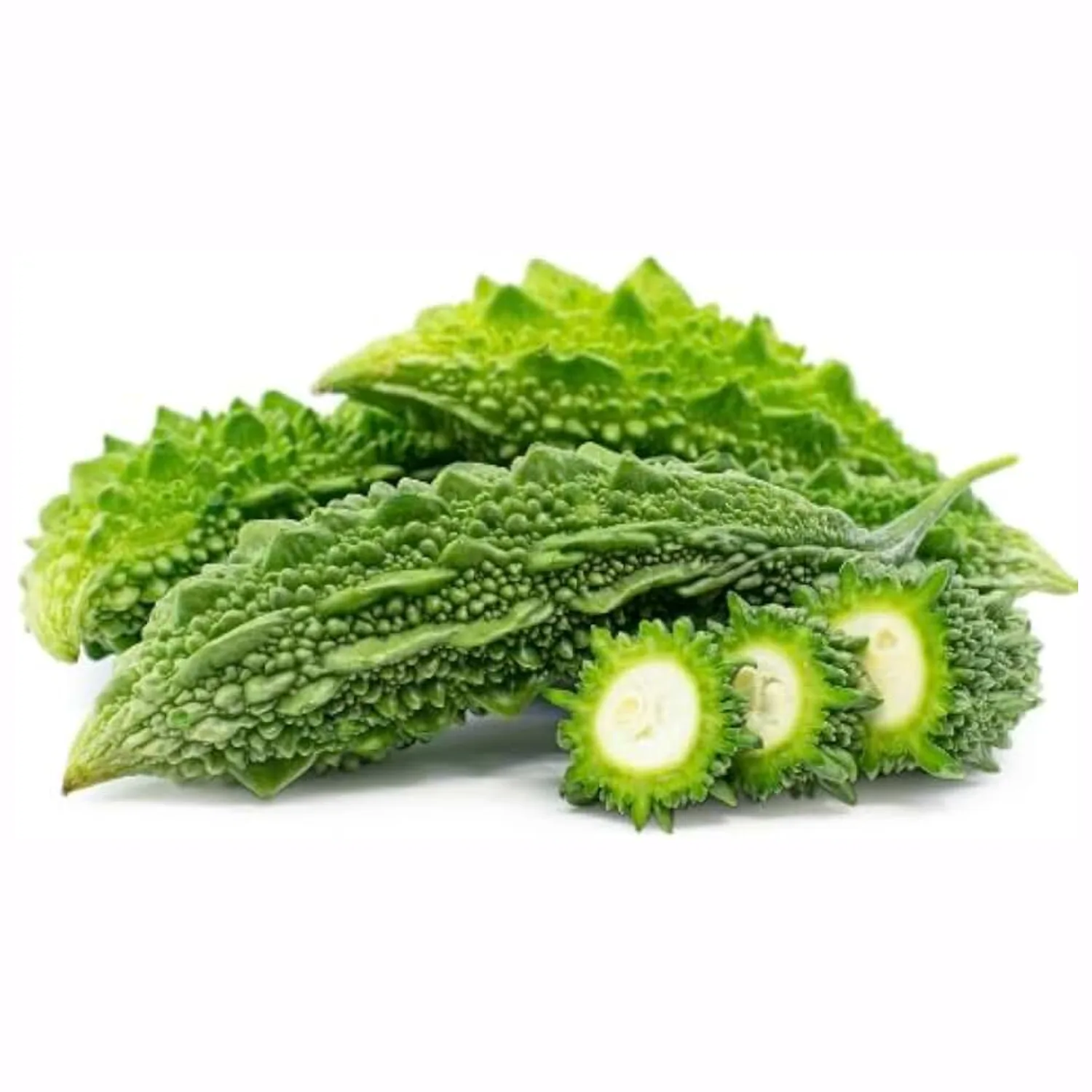
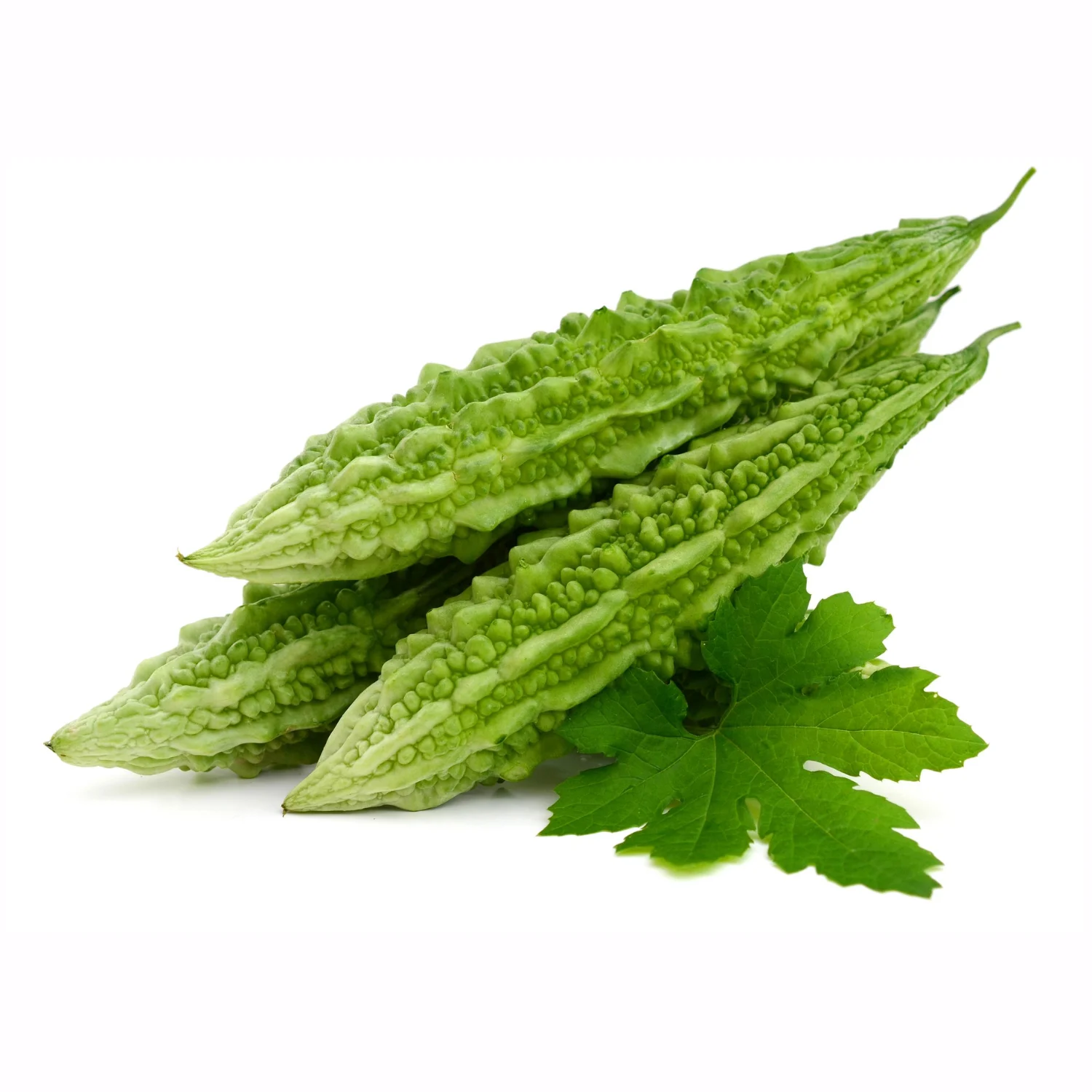
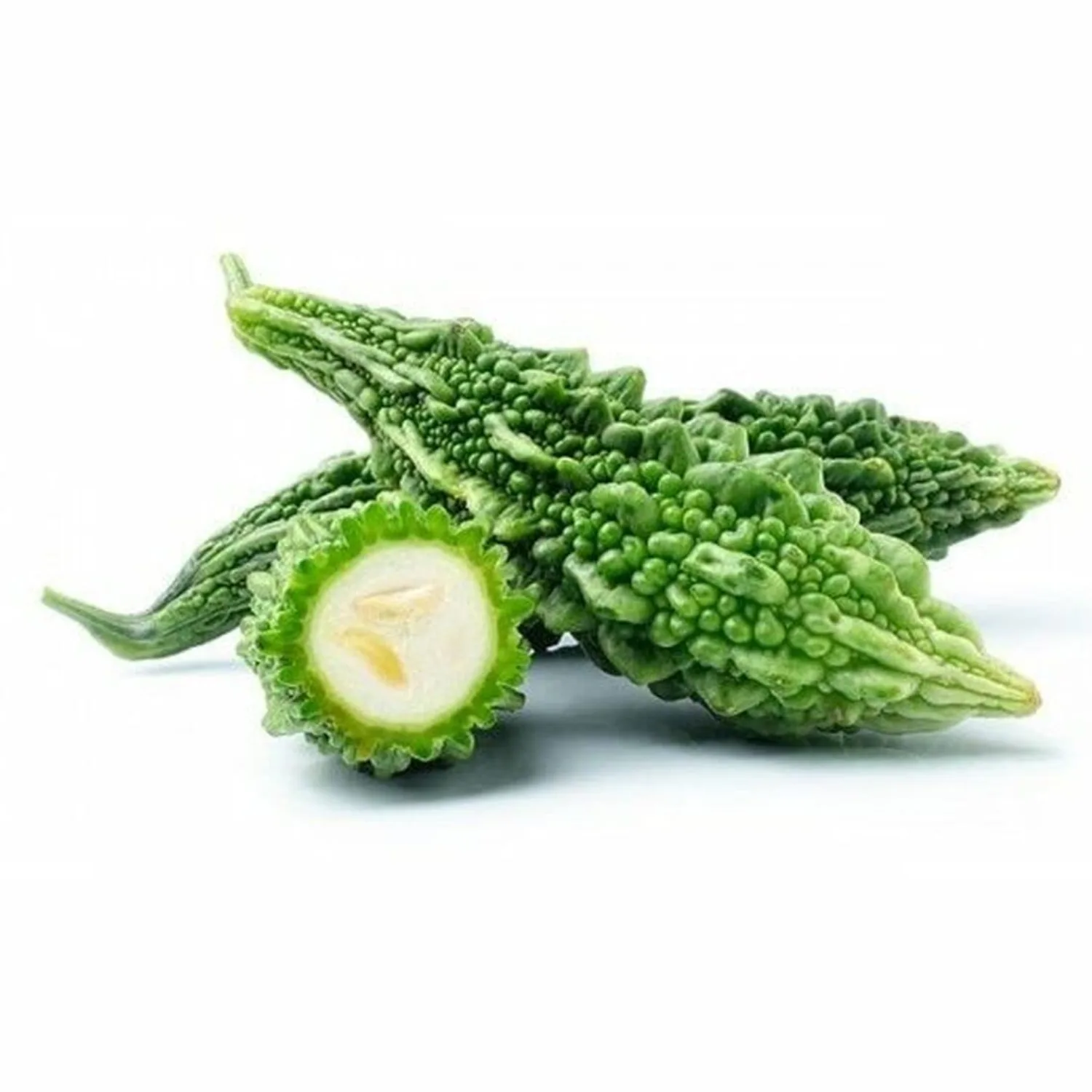
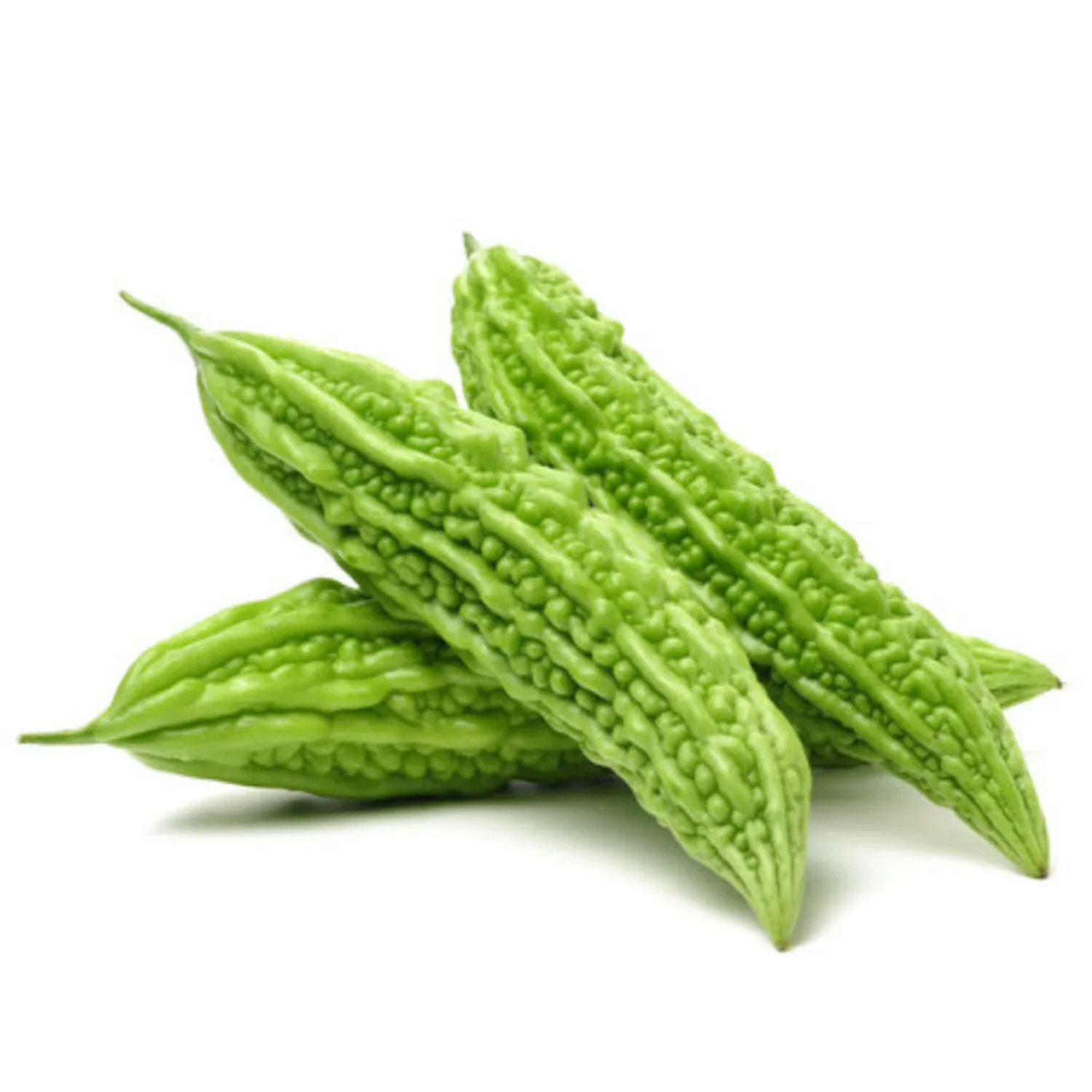

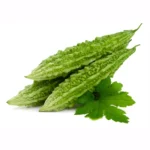


Bitter Gourd, popularly known as Karela in India and Bitter Melon in many countries, is one of the healthiest vegetables you can grow in your home garden. Known for its unique bitter taste and exceptional nutritional value, bitter gourd has been used in traditional cooking and Ayurvedic practices for generations. Growing your own Bitter Gourd Seeds allows you to enjoy fresh, chemical-free vegetables straight from your garden while reducing your dependence on market produce.
Our premium quality Bitter Gourd Seeds are carefully selected for excellent germination, vigorous vine growth and healthy fruit production. Whether you have a spacious backyard, rooftop garden, terrace, balcony or a small kitchen garden, these seeds are suitable for almost every gardening setup.
If you are looking for high-quality Bitter Gourd Seeds online, these seeds are an excellent choice for beginners as well as experienced gardeners.
Why Choose Our Bitter Gourd Seeds?
Our seeds are selected with home gardeners in mind and offer several advantages:
- High germination potential
- Healthy and vigorous vines
- Suitable for kitchen gardens
- Excellent fruit production
- Easy to grow
- Ideal for pots, grow bags and open fields
- Freshly packed seeds
- Suitable for Indian climatic conditions
- Perfect for terrace and balcony gardening
- Produces nutritious and delicious bitter gourds
Growing bitter gourd at home is rewarding because fresh vegetables have better taste, better nutritional value and greater freshness than store-bought produce.
Nutritional Benefits of Bitter Gourd
Bitter gourd is often called a superfood because it contains numerous essential nutrients.
It is naturally rich in:
- Vitamin C
- Vitamin A
- Iron
- Potassium
- Magnesium
- Calcium
- Dietary Fiber
- Folate
- Antioxidants
Many families include bitter gourd in their regular diet because it is a healthy vegetable that complements a balanced lifestyle.
Germination Process
Proper germination is the first step towards a productive bitter gourd plant.
- Step 1: Choose healthy, well-drained soil.
- Step 2: (Optional) Soak the seeds in clean water for 8–12 hours before sowing to help soften the seed coat and encourage quicker germination.
- Step 3: Sow seeds about 1.5–2 cm deep.
- Step 4: Maintain a spacing of approximately 45–60 cm between plants for good airflow and vine development.
- Step 5: Water gently after sowing to keep the soil evenly moist.
- Step 6: Place the pots or beds in a warm location that receives ample sunlight.
- Step 7: Keep the soil consistently moist—but not waterlogged—until seedlings emerge.
Healthy seedlings are the foundation of vigorous vines and abundant harvests.
Sunlight Requirement
Bitter gourd thrives in full sun. For the best growth and fruit production, provide:
- 6–8 hours of direct sunlight daily
- Good air circulation
- Open growing area
- Warm temperatures
Insufficient sunlight can lead to weak vines, fewer flowers and reduced fruiting.
For terrace gardens or balconies, position the plants where they receive uninterrupted morning and afternoon sunlight. If you’re growing in containers, a sturdy trellis or support will help the vines climb and maximize light exposure.
Soil & Fertilizer Requirement for Best Foliage and Fruiting
Bitter gourd performs best in fertile, loose and well-drained soil.
Ideal Soil Mix
- 40% Garden Soil
- 30% Compost or Vermicompost
- 20% Cocopeat
- 10% River Sand or Perlite
This combination improves drainage, root aeration and nutrient availability.
Soil pH
The ideal soil pH is 6.0–7.0, which is slightly acidic to neutral.
Fertilizer Recommendations
To support lush foliage and abundant fruiting:
- Mix well-rotted compost or vermicompost into the soil before sowing.
- Feed the plants every 2–3 weeks with organic compost, vermicompost or a balanced vegetable fertilizer.
- Once flowering begins, ensure the plant receives adequate phosphorus and potassium to encourage better flowering and fruit set.
- Avoid excessive nitrogen after flowering, as it may promote leafy growth at the expense of fruits.
Regular addition of organic matter also improves soil structure and microbial activity, leading to healthier plants over time.
Water Requirement
Consistent moisture is essential for healthy vines.
- Water deeply 2–3 times a week during hot weather, adjusting based on rainfall and soil moisture.
- Keep the soil evenly moist but avoid waterlogging, which can lead to root rot.
- Water early in the morning to reduce evaporation and help foliage dry quickly.
- Apply mulch around the base of the plants to conserve moisture and suppress weeds.
- Increase watering slightly during flowering and fruit development if the weather is very hot.
Avoid allowing the soil to dry out completely, as irregular watering may result in poor fruit quality or flower drop.
Pest Control
Although bitter gourd is a hardy vegetable, a few common pests and diseases can affect growth.
Common Pests
- Aphids
- Fruit Fly
- Whiteflies
- Thrips
- Red Spider Mites
Common Diseases
- Powdery Mildew
- Downy Mildew
- Mosaic Virus
- Anthracnose
Prevention Tips
- Inspect plants regularly for early signs of infestation.
- Remove damaged or infected leaves promptly.
- Maintain proper spacing for good air circulation.
- Avoid overhead watering late in the day.
- Keep the growing area free from weeds and plant debris.
Organic Pest Management
For eco-friendly home gardening:
- Spray diluted neem oil at recommended intervals to discourage many common sucking pests.
- Use yellow sticky traps to help monitor and reduce flying insects such as whiteflies.
- Encourage beneficial insects like ladybirds and lacewings that naturally feed on aphids.
- Practice crop rotation where possible to reduce the buildup of soil-borne pests and diseases.
Healthy plants grown in balanced soil with adequate sunlight are naturally more resilient to pest and disease pressure.
Growing Tips for Maximum Yield
Follow these simple practices to enjoy a productive harvest:
- Use fresh, high-quality seeds.
- Provide a strong trellis or support for climbing vines.
- Harvest fruits regularly to stimulate continuous production.
- Remove old or diseased leaves.
- Feed the plants consistently with compost or balanced fertilizer.
- Ensure full sunlight throughout the growing season.
- Water evenly and avoid prolonged drought stress.
- Monitor for pests early and take action promptly.
Why Grow Bitter Gourd at Home?
Growing bitter gourd at home offers many benefits:
- Fresh vegetables whenever you need them.
- Greater confidence in how your food is grown.
- Cost savings over repeated market purchases.
- A rewarding gardening experience for families and beginners.
- Efficient use of balconies, terraces or backyard spaces.
- A climbing plant that makes good use of vertical supports.
Whether you are cultivating a single vine in a grow bag or several plants in a vegetable patch, bitter gourd is a productive addition to any home garden.
Final Words
Bitter Gourd Seeds are an excellent choice for gardeners who want to grow a nutritious, productive and easy-to-maintain vegetable at home. With the right combination of warm weather, fertile soil, regular watering and adequate sunlight, these vigorous climbing plants can reward you with a generous harvest of fresh, tender bitter gourds.
Ideal for kitchen gardens, terrace gardens, balconies and open fields, these premium seeds are suitable for both beginners and experienced gardeners. By following the cultivation tips in this guide, you can enjoy healthy vines, continuous flowering and a steady supply of home-grown bitter gourds throughout the season.
Bring the joy of home vegetable gardening to your space and harvest fresh bitter gourds straight from your own garden.
Frequently Asked Questions (FAQs)
How long do Bitter Gourd Seeds take to germinate?
Under suitable warm conditions, Bitter Gourd Seeds usually germinate within 7–12 days.
Can bitter gourd be grown in pots?
Yes. Use a container of at least 15–18 inches in diameter with good drainage and provide a trellis for the climbing vines.
How much sunlight does a bitter gourd plant need?
For the best growth and fruit production, the plant should receive 6–8 hours of direct sunlight every day.
How often should I water bitter gourd plants?
Water when the top layer of soil begins to dry. Maintain consistent moisture while avoiding waterlogged conditions.
When should bitter gourds be harvested?
Harvest the fruits when they are young, tender and green, typically 55–75 days after sowing, depending on the growing conditions and variety.
Reviews
There are no reviews yet