
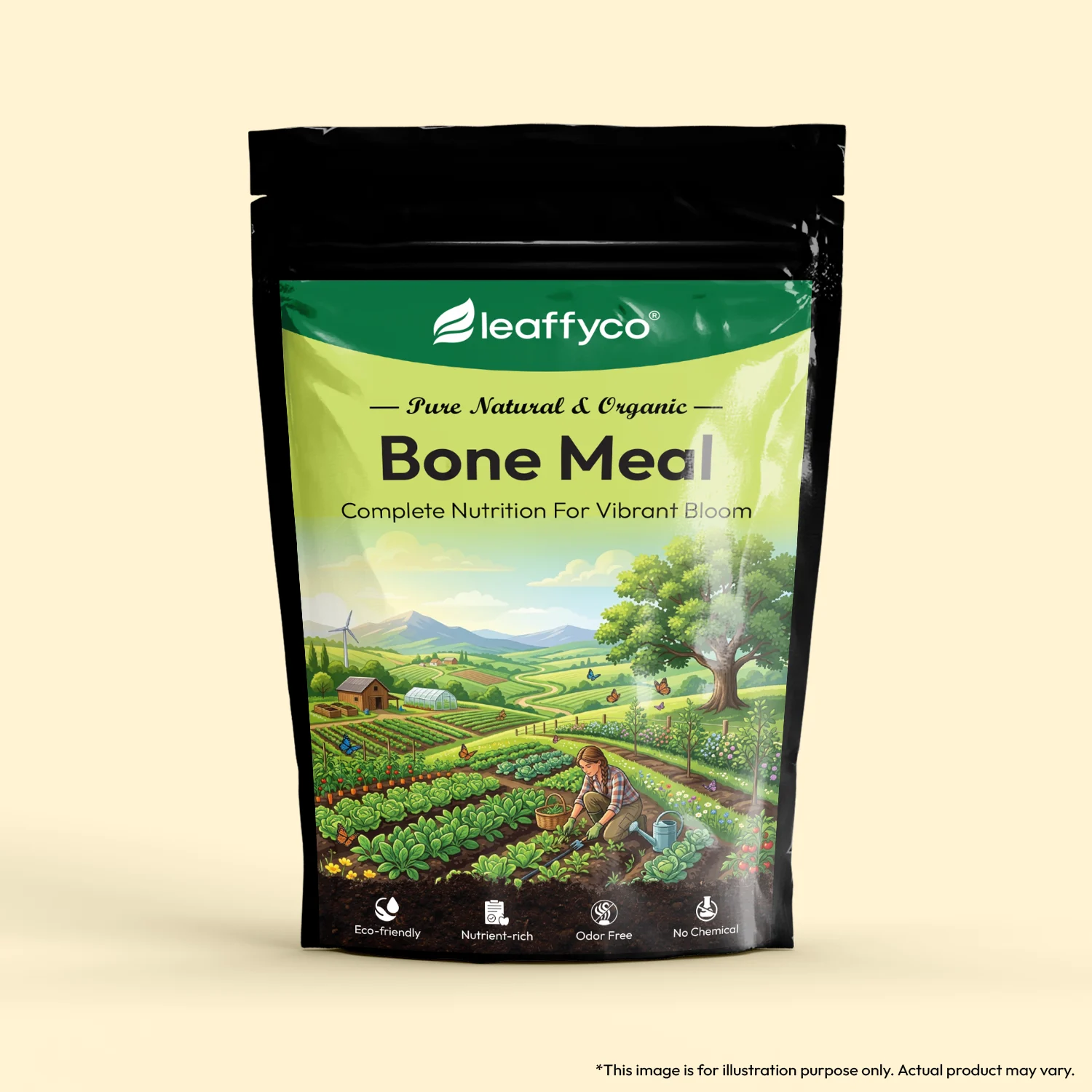

If you are looking for a natural, organic, and highly effective fertilizer to boost root development, improve flowering, and increase fruit production, Bone Meal Fertilizer is one of the best soil amendments available. Trusted by gardeners, farmers, and horticulturists worldwide, bone meal has been used for generations to provide essential phosphorus and calcium to plants naturally.
Made from finely ground animal bones that have been sterilized and processed into a nutrient-rich powder, bone meal serves as a slow-release organic fertilizer that feeds plants over an extended period. It is especially beneficial for flowering plants, fruit-bearing crops, root vegetables, bulbs, roses, and ornamental gardens. Bone meal typically contains high levels of phosphorus and calcium, making it one of the most valuable organic fertilizers for healthy plant growth.
What is Bone Meal Fertilizer?
It is an organic fertilizer produced by steaming, drying, and grinding animal bones into a fine powder or granulated form. It is considered one of the richest natural sources of phosphorus and calcium for plants. Most bone meal fertilizers have an NPK ratio around 3-15-0 or 3-20-0, meaning they are particularly rich in phosphorus while containing moderate nitrogen and very little potassium.
Phosphorus plays a critical role in root development, flowering, seed formation, and fruit production, while calcium strengthens plant cell walls and supports healthy growth. Bone meal releases nutrients gradually over several months, making it an excellent slow-release fertilizer.
Why Gardeners Love Bone Meal Fertilizer
Modern gardeners are increasingly moving toward organic gardening practices. It perfectly fits this approach because it:
- Provides long-lasting nutrition.
- Improves root establishment.
- Encourages abundant flowering.
- Enhances fruit and vegetable production.
- Supports healthy soil biology.
- Is approved for organic gardening.
- Helps reduce agricultural waste through recycling of animal by-products.
Key Benefits of Bone Meal Fertilizer
- Promotes Strong Root Development: One of the primary benefits of it is its high phosphorus content. Phosphorus stimulates vigorous root growth, allowing plants to absorb water and nutrients more efficiently. Plants with strong roots are better able to withstand drought, transplant shock, and environmental stress. Bone meal is especially useful during planting and transplanting because it helps establish a healthy root system quickly.
- Encourages More Flowers: Flowering plants require adequate phosphorus to produce buds and blooms. It supplies a steady source of phosphorus that helps increase flowering and improve bloom quality.
- Ideal flowering plants include:
- Roses
- Hibiscus
- Marigolds
- Petunias
- Chrysanthemums
- Bougainvillea
- Dahlia
- Jasmine
- Sunflowers
- Regular use of it can lead to larger flowers, brighter colors, and extended blooming periods.
- Ideal flowering plants include:
- Improves Fruit Production: Fruit-bearing plants require phosphorus throughout their life cycle. Bone meal helps support flowering, pollination, fruit set, and fruit development.
- Suitable crops include:
- Tomatoes
- Brinjal (Eggplant)
- Chilli
- Capsicum
- Cucumbers
- Gourds
- Citrus Plants
- Pomegranate
- Guava
- Papaya
- Healthy phosphorus levels can contribute to increased fruit yield and better-quality produce.
- Suitable crops include:
- Provides Essential Calcium: Calcium is critical for maintaining strong plant cell walls. It naturally contains significant amounts of calcium, which helps plants develop sturdy stems and healthy growth. Calcium also supports overall plant structure and nutrient movement within the plant.
- Slow-Release Nutrient Source: Unlike synthetic fertilizers that release nutrients quickly, It breaks down gradually in the soil. This slow-release action provides continuous feeding over several months and reduces the risk of nutrient loss.
- Ideal for Organic Gardening: Organic gardeners prefer bone meal because it is naturally derived and free from synthetic chemicals. It can be integrated into organic vegetable gardens, flower beds, orchards, and container gardens.
Best Plants for Bone Meal Fertilizer
It works exceptionally well with:
Vegetables
- Tomato
- Brinjal
- Chilli
- Capsicum
- Potato
- Carrot
- Beetroot
- Onion
- Garlic
- Radish
Flowering Plants
- Rose
- Hibiscus
- Marigold
- Dahlia
- Chrysanthemum
- Petunia
- Geranium
- Jasmine
Fruit Plants
- Mango
- Guava
- Lemon
- Orange
- Pomegranate
- Papaya
- Dragon Fruit
Bulbs
- Tulips
- Daffodils
- Lilies
- Gladiolus
It is especially popular when planting bulbs because phosphorus promotes root establishment and future flowering.
How to Use Bone Meal Fertilizer
- For New Planting: Mix it directly into the planting hole before transplanting seedlings. This places phosphorus close to developing roots where it is most effective.
- For Established Plants: Apply around the base of plants and lightly incorporate it into the soil. Water thoroughly after application.
- For Vegetable Gardens: Mix ut into the topsoil before sowing seeds or transplanting seedlings.
- For Flower Beds: Apply during soil preparation and again before the flowering season begins.
- For Fruit Trees: Incorporate it around the drip line of the tree and water well.
Sunlight Requirements
While it improves nutrient availability, plants still require adequate sunlight for optimal growth.
- Full Sun Plants: Need 6–8 hours of sunlight
- Tomatoes
- Chilli
- Brinjal
- Roses
- Marigolds
- Partial Sun Plants: Need 4–6 hours
- Leafy greens
- Some herbs
- Shade-tolerant ornamentals
- Proper sunlight ensures plants can effectively utilize the nutrients supplied by it.
Soil and Fertilizer Requirements
It performs best in well-drained soils with a slightly acidic to neutral pH. Research suggests phosphorus from bone meal is most available in soils with pH below 7.0.
For best results combine bone meal with:
- Vermicompost
- Farmyard manure
- Compost
- Neem cake
- Seaweed fertilizer
- Balanced organic fertilizers
Since it is not a complete fertilizer, it should be used as part of a balanced nutrition program.
Water Requirements
After applying bone meal:
- Water thoroughly.
- Keep soil consistently moist.
- Avoid waterlogging.
- Ensure proper drainage.
Moist soil encourages microbial activity, which helps release nutrients from bone meal gradually.
Common Signs of Phosphorus Deficiency
It may help address phosphorus deficiency symptoms such as:
- Poor root growth
- Weak flowering
- Low fruit production
- Delayed maturity
- Stunted growth
- Purplish discoloration in leaves
A soil test is recommended before applying large amounts of phosphorus fertilizers.
Pest and Disease Management
Although it is organic and safe for plants, proper garden management remains important.
Preventive Measures
- Avoid overwatering.
- Maintain good air circulation.
- Remove infected plant material.
- Use neem oil sprays when necessary.
- Monitor regularly for insects.
Healthy plants grown with balanced nutrition are generally more resilient to environmental stress.
Advantages of Bone Meal
- 100% natural fertilizer
- Rich in phosphorus and calcium
- Supports root development
- Enhances flowering
- Improves fruit production
- Long-lasting nutrient release
- Suitable for organic gardening
- Helps improve soil fertility
- Excellent for bulbs and flowering plants
- Environmentally sustainable option
Final Words
Bone Meal Fertilizer remains one of the most trusted organic fertilizers for gardeners who want healthier roots, abundant flowers, and higher yields naturally. Its rich phosphorus and calcium content make it particularly valuable for flowering plants, fruiting vegetables, bulbs, and ornamental gardens.
Whether you are growing roses, tomatoes, brinjal, chilli plants, fruit trees, or flowering ornamentals, adding bone meal to your gardening routine can significantly improve plant performance. When combined with compost, organic matter, and proper garden care, bone meal provides long-lasting nutrition that supports vigorous growth throughout the growing season.
Frequently Asked Questions (FAQs)
What is Bone Meal Fertilizer used for?
Bone meal is primarily used to supply phosphorus and calcium, promoting root growth, flowering, and fruit production.
Can Bone Meal be used for all plants?
Most flowering, fruiting, and root crops benefit from bone meal, though a soil test is recommended before heavy application.
How often should Bone Meal be applied?
Typically once or twice during the growing season because it releases nutrients slowly.
Is Bone Meal suitable for organic gardening?
Yes. Bone meal is widely accepted as an organic fertilizer and soil amendment.
Does Bone Meal increase flowering?
Yes. Its high phosphorus content supports bud formation, flowering, and fruit development.
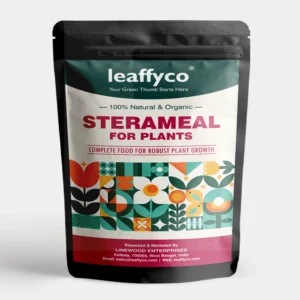
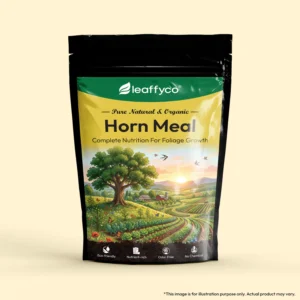
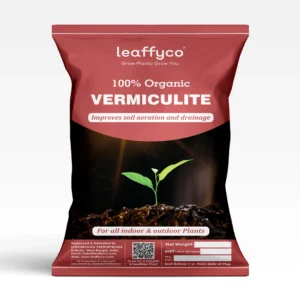
Totally Organic & Good Source of Phosphorus for Flowering Plant. Thank you LEAFFYCO.
Thank you so much for this wonderful product!
I waited awhile to give a review as I wanted to observe how helpful it is.
After using the bonemeal twice, I have seen very positive changes in my plants. Also my rose plants seem to be blooming so beautifully, a very happy me
Have purchased from many other brands but Leaffyco bone meal powder has given immediate results
Used it 1 week ago, waiting to see the results.
Technically, too early to say. The material looks decent and doesn’t smell.