
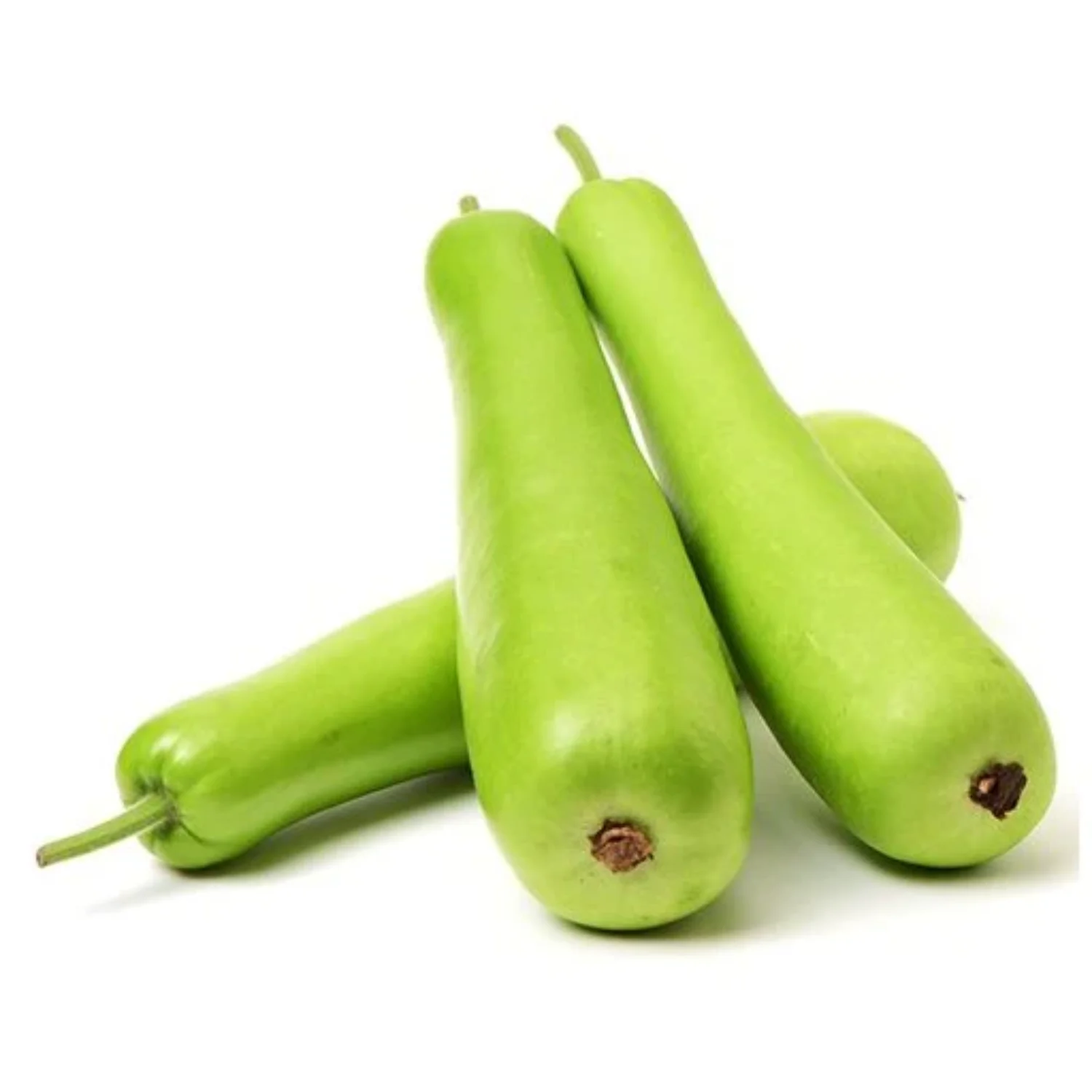
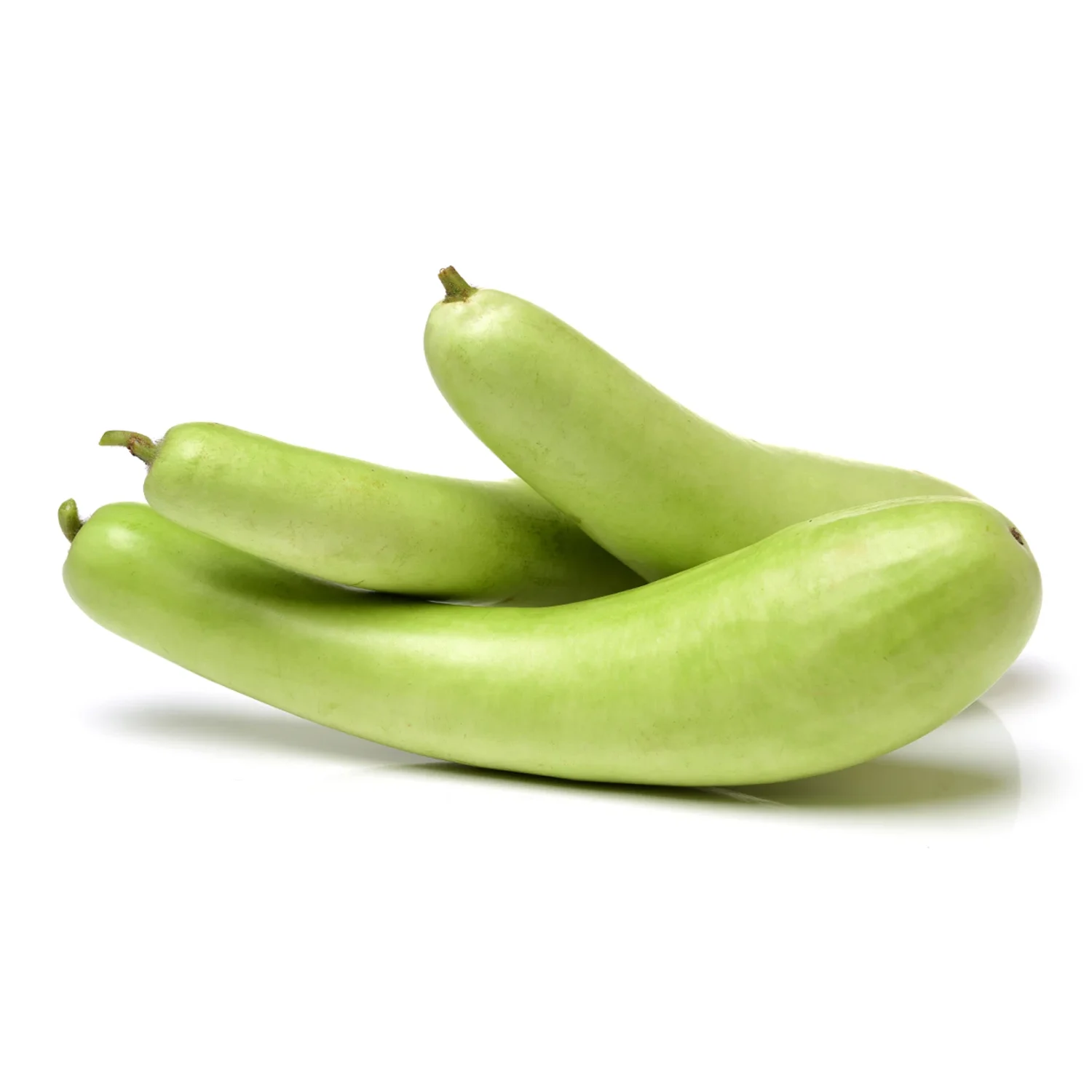
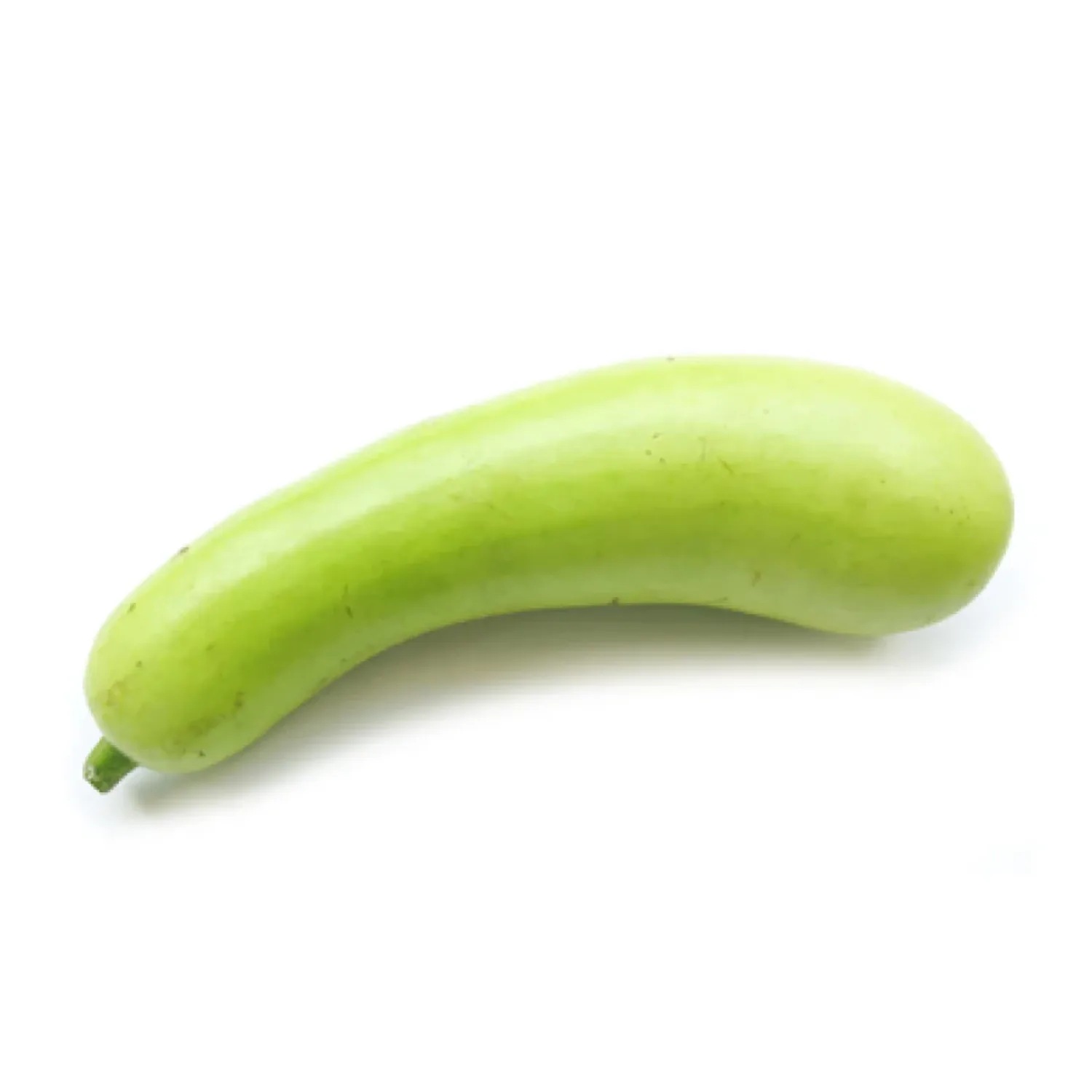
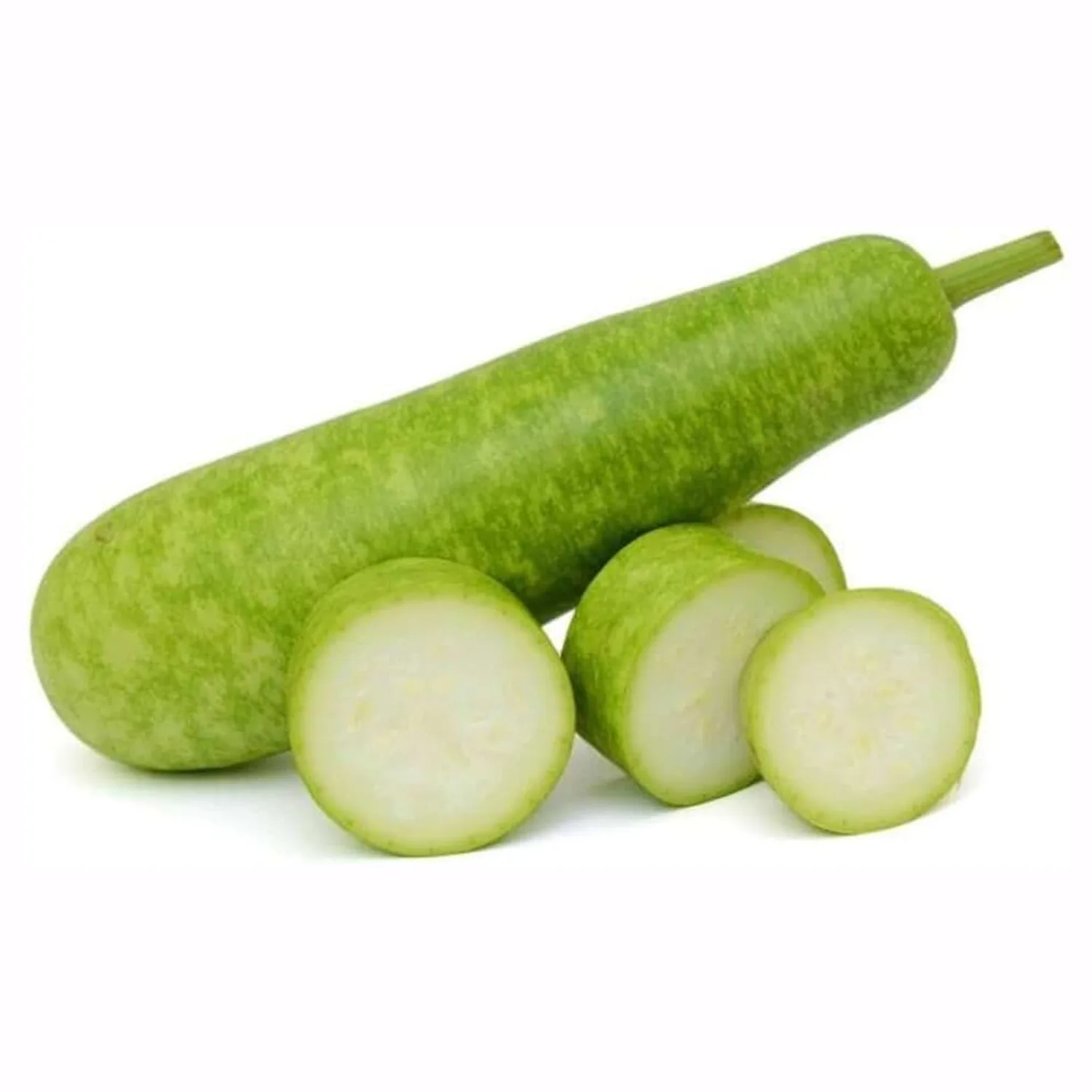
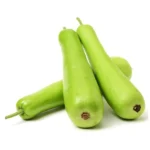
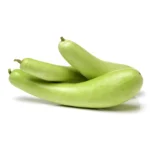
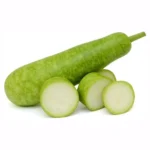
Bottle Gourd, popularly known as Lauki, Dudhi, Ghiya, or Calabash, is one of the most widely grown and consumed vegetables in India. Known for its excellent nutritional value, fast-growing nature, and high productivity, Bottle Gourd is an ideal vegetable for home gardens, terrace gardens, kitchen gardens, and commercial farming.
If you’re looking for premium Bottle Gourd Seeds that offer high germination rates, vigorous vine growth, excellent fruit quality, and abundant harvests, you’ve come to the right place. Our carefully selected Bottle Gourd Seeds are tested for purity and germination, ensuring healthy plants that produce tender, delicious, and nutritious gourds throughout the growing season.
Whether you’re a beginner gardener or an experienced grower, these seeds are easy to cultivate with proper care. Bottle Gourd plants thrive in warm climates and reward growers with continuous harvests over several weeks.
Growing your own vegetables is one of the most satisfying gardening experiences. Freshly harvested Bottle Gourds taste better, contain more nutrients, and are completely free from harmful chemical residues when grown organically.
Our Bottle Gourd Seeds are suitable for:
- Home gardens
- Terrace gardens
- Balcony gardening (with trellis support)
- Raised beds
- Kitchen gardens
- Polyhouse cultivation
- Commercial vegetable farming
Each seed is selected for better germination and strong plant vigor, helping you enjoy healthy vines and plentiful fruits.
Why Choose Our Bottle Gourd Seeds?
Why Choose Our Bottle Gourd Seeds?
- High Germination Rate
- Healthy and Vigorous Plants
- High Yielding Variety
- Tender, Uniform Fruits
- Suitable for Indian Climate
- Ideal for Organic Gardening
- Easy to Grow
- Disease Tolerant
- Excellent Fruit Quality
- Perfect for Home Garden & Commercial Cultivation
Health Benefits of Bottle Gourd
Bottle Gourd is considered one of the healthiest vegetables due to its low calorie content and rich nutritional profile.
It contains:
- Vitamin C
- Vitamin B Complex
- Potassium
- Calcium
- Magnesium
- Iron
- Dietary Fiber
- Antioxidants
Regular consumption of Bottle Gourd may help support digestion, hydration, heart health, and weight management.
Product Information
| Feature | Details |
|---|---|
| Botanical Name | Lagenaria siceraria |
| Common Names | Bottle Gourd, Lauki, Dudhi, Ghiya, Calabash |
| Plant Type | Annual Climbing Vine |
| Family | Cucurbitaceae |
| Difficulty Level | Easy |
| Suitable For | Home Garden & Commercial Farming |
| Germination | High Quality Seeds |
| Pollination | Bees & Insects |
Sowing Time
Sowing Time
Bottle Gourd grows best during warm weather.
North India
- February – April
- June – July
South India
- Almost throughout the year
- Best during January–March and June–September
Eastern India
- February – April
- July – September
Western India
- January – April
- June – August
Avoid sowing during extremely cold weather as low temperatures reduce germination.
Germination Time
Germination Time
Bottle Gourd seeds usually germinate within:
5–10 days
Under ideal conditions:
- Soil temperature: 25–35°C
- Consistent moisture
- Good drainage
- Fresh seeds
Older seeds or cooler temperatures may take slightly longer.
Harvest Time
Harvest Time
Bottle Gourds are generally ready for harvest:
55–75 days after sowing
Harvest fruits while they are young and tender for the best taste and texture. Regular harvesting also encourages continuous fruit production.
Germination Process
Germination Process
One of the most important stages in successfully growing Bottle Gourd is proper seed germination.
Step 1: Seed Selection
Always choose premium-quality seeds with a high germination percentage. Healthy seeds produce stronger vines and better yields.
Step 2: Prepare the Soil
Bottle Gourd prefers loose, fertile, and well-drained soil enriched with organic matter.
Before sowing, mix:
- Well-rotted compost
- Vermicompost
- Neem Cake
- Cocopeat (optional)
This improves aeration and moisture retention.
Step 3: Seed Soaking (Optional)
Soak seeds in clean water for 8–12 hours before sowing.
This softens the seed coat and promotes quicker germination.
Step 4: Sowing
Sow seeds about:
- 2–3 cm deep
- 2 seeds per pit
Maintain proper spacing between plants to ensure healthy vine development.
Step 5: Watering
Water immediately after sowing.
Keep the soil moist but never waterlogged.
Step 6: Germination Care
Place the growing area in a warm location with adequate sunlight.
Avoid disturbing the soil during germination.
Once seedlings develop 2–3 true leaves, retain the healthiest plant and remove weaker seedlings.
With proper care, seedlings emerge within one week.
Sunlight Requirement
Bottle Gourd is a sun-loving vegetable.
For maximum flowering and fruit production, provide:
6–8 hours of direct sunlight daily
More sunlight generally results in:
- Better vine growth
- Increased flowering
- More female flowers
- Improved fruit setting
- Higher yields
- Healthier plants
If grown in partial shade, plants may produce excessive foliage with fewer fruits.
Choose a location that receives uninterrupted sunlight throughout the day.
Soil & Fertilizer Requirement for Best Foliage and Fruiting
Bottle Gourd grows best in:
- Well-drained soil
- Fertile soil
- Sandy loam soil
- Loamy soil
Ideal soil pH:
6.0–7.5
Ideal Potting Mix
A good growing medium consists of:
- 40% Garden Soil
- 30% Vermicompost
- 20% Cocopeat
- 10% River Sand
This mixture offers excellent drainage, aeration, and nutrient availability.
Organic Fertilizers Recommended
For healthy vine growth and abundant fruiting, apply:
- Vermicompost
- Well-decomposed Cow Manure
- Neem Cake
- Bone Meal
- Mustard Cake (well fermented)
- Seaweed Extract
- Humic Acid
- Panchagavya (optional)
Apply compost every 20–25 days during the growing season to replenish nutrients.
Fertilizer Schedule
At Planting
- Compost
- Vermicompost
- Neem Cake
Vegetative Stage
- Nitrogen-rich organic fertilizer
Flowering Stage
- Bone Meal
- Phosphorus-rich fertilizer
Fruiting Stage
- Potassium-rich fertilizer
- Seaweed Extract
Balanced nutrition encourages continuous flowering and larger, healthier Bottle Gourds.
Water Requirement
Bottle Gourd is a moisture-loving vegetable, but excessive watering can lead to root rot, fungal diseases, and poor fruit development. Maintaining consistent soil moisture is essential for healthy vine growth, flowering, and fruit production.
Watering Schedule
- Immediately after sowing: Water thoroughly to help settle the soil around the seeds.
- Germination Stage: Keep the soil consistently moist until seedlings emerge. Avoid waterlogging.
- Vegetative Stage: Water every 2–3 days during hot weather or when the topsoil feels dry.
- Flowering & Fruiting Stage: Increase watering frequency slightly, as plants require more moisture during flowering and fruit development.
- Rainy Season: Reduce watering and ensure proper drainage to prevent fungal diseases.
Best Watering Tips
- Water early in the morning to reduce evaporation.
- Avoid wetting the leaves during the evening, as this encourages fungal infections.
- Apply mulch (such as straw, dry leaves, or grass clippings) around the base of the plant to retain moisture and suppress weeds.
- Drip irrigation is an excellent option for maintaining consistent soil moisture while conserving water.
Signs of Underwatering:
- Wilting leaves
- Poor vine growth
- Flower drop
- Small or misshapen fruits
Signs of Overwatering:
- Yellowing leaves
- Root rot
- Fungal diseases
- Slow plant growth
Maintaining balanced moisture ensures vigorous vines, more female flowers, and continuous fruit production.
Pest Control
Like other cucurbit crops, Bottle Gourd can be affected by several insects and diseases. Regular monitoring and timely intervention help maintain healthy plants and improve yields.
Common Insect Pests
1. Fruit Fly
Fruit flies are one of the most destructive pests of Bottle Gourd. They lay eggs inside young fruits, causing them to rot from within.
Control Measures:
- Remove and destroy affected fruits.
- Use pheromone traps.
- Spray neem oil (3–5 ml per litre of water) every 10–15 days.
- Maintain field sanitation.
2. Aphids
Aphids suck sap from tender leaves and shoots, leading to curled leaves and stunted growth.
Control Measures:
- Spray neem oil.
- Release beneficial insects like ladybugs.
- Remove heavily infested shoots.
3. Whiteflies
Whiteflies weaken plants by feeding on sap and can spread viral diseases.
Control Measures:
- Install yellow sticky traps.
- Spray neem oil or insecticidal soap.
- Maintain proper spacing for better air circulation.
4. Red Spider Mites
These tiny pests thrive in hot, dry weather and cause yellow speckles on leaves.
Control Measures:
- Increase humidity around plants.
- Spray neem oil.
- Remove severely damaged leaves.
5. Leaf Miner
Leaf miners create winding tunnels inside leaves, reducing photosynthesis.
Control Measures:
- Remove infected leaves.
- Encourage natural predators.
- Use organic insecticides if infestation becomes severe.
Common Diseases
Powdery Mildew
This fungal disease appears as a white powdery coating on leaves.
Management
- Ensure good air circulation.
- Avoid overhead watering.
- Remove infected foliage.
- Spray sulfur-based fungicides or organic fungicides if required.
Downy Mildew
Symptoms include yellow patches on leaves and grey fungal growth underneath.
Management
- Improve drainage.
- Avoid waterlogging.
- Apply suitable fungicides when necessary.
Mosaic Virus
This viral disease causes distorted leaves and poor fruit development.
Management
- Remove infected plants immediately.
- Control aphids and whiteflies, which spread the virus.
- Use healthy seeds.
Root Rot
Usually caused by excessive watering and poorly drained soil.
Management
- Improve drainage.
- Avoid overwatering.
- Apply beneficial microorganisms like Trichoderma to the soil.
Pollination & Fruiting Tips
Pollination & Fruiting Tips
Bottle Gourd plants produce both male and female flowers. Successful pollination is necessary for fruit formation.
Encourage Natural Pollinators
Bees, butterflies, and other beneficial insects play a vital role in pollination.
You can attract them by planting flowering herbs or flowers near your vegetable garden.
Hand Pollination
If natural pollination is poor, especially in terrace or balcony gardens, hand pollination can improve fruit set.
- Collect pollen from a freshly opened male flower using a soft brush or by gently touching the anther.
- Transfer the pollen to the stigma of a female flower.
- Repeat during the early morning when flowers are fully open.
Tips for Better Fruiting
- Provide at least 6–8 hours of sunlight.
- Feed plants with phosphorus and potassium during flowering.
- Avoid excessive nitrogen, which encourages leafy growth instead of flowering.
- Water consistently.
- Install a strong trellis to support climbing vines and improve air circulation.
Common Growing Problems & Their Solutions
| Problem | Possible Cause | Solution |
|---|---|---|
| Seeds not germinating | Old seeds, cold soil, excess water | Use fresh seeds and maintain warm, moist soil |
| Yellow leaves | Nutrient deficiency or overwatering | Apply balanced fertilizer and improve drainage |
| Flowers dropping | Heat stress, irregular watering, poor pollination | Water consistently and encourage pollinators |
| Few fruits | Lack of female flowers or poor pollination | Hand pollinate and apply phosphorus-rich fertilizer |
| Bitter fruits | Water stress or environmental stress | Maintain even soil moisture and harvest on time |
| Small fruits | Nutrient deficiency | Feed with compost and potassium-rich fertilizers |
Harvesting Tips
Bottle Gourds are best harvested while they are still young and tender.
When to Harvest
- Generally 55–75 days after sowing, depending on the variety and growing conditions.
- Fruits should have smooth, tender skin.
- The rind should be easily pierced with a fingernail.
Harvesting Method
- Use a sharp knife or pruning shears.
- Leave a small portion of the stem attached to the fruit.
- Avoid pulling fruits directly from the vine, as this can damage the plant.
Regular harvesting every 2–3 days encourages continuous flowering and more fruit production.
Why Choose Our Bottle Gourd Seeds?
Our premium-quality Bottle Gourd Seeds are carefully selected to provide excellent germination, healthy vine growth, and high yields. Whether you’re a home gardener or a commercial grower, these seeds are an ideal choice for producing fresh, nutritious Bottle Gourds throughout the season.
Key Benefits
- Premium-quality seeds with high germination rate
- Suitable for home gardens, terrace gardens, kitchen gardens, and farms
- Healthy, vigorous climbing vines
- High-yielding and productive plants
- Tender, uniform, and delicious fruits
- Adapted to Indian climatic conditions
- Easy to grow for beginners and experienced gardeners
- Ideal for organic gardening practices
- Carefully packed to maintain freshness and seed viability
- Excellent value for gardeners seeking reliable performance
Bottle Gourd is one of the easiest vegetables to cultivate, making it a rewarding addition to any garden. With proper sunlight, fertile soil, balanced watering, and regular care, these seeds will reward you with an abundant harvest of fresh, healthy gourds for your family.
Final Words
Bottle Gourd (Lauki) is one of the easiest, healthiest, and most rewarding vegetables to grow at home. Its fast-growing vines, abundant harvests, and excellent nutritional value make it an ideal choice for kitchen gardens, terrace gardens, balconies with trellis support, and commercial cultivation. With the right combination of fertile soil, adequate sunlight, regular watering, and timely nutrition, Bottle Gourd plants can produce a continuous supply of fresh, tender fruits throughout the growing season.
Our Premium Bottle Gourd Seeds are carefully selected for their high germination rate, vigorous plant growth, and excellent yield potential. Whether you are a first-time gardener or an experienced grower, these seeds are easy to cultivate and are well-suited to Indian climatic conditions. By following the recommended sowing practices, maintaining proper plant care, and adopting organic pest management techniques, you can enjoy a healthy, productive crop with minimal effort.
Growing your own Bottle Gourd not only provides you with fresh, chemical-free vegetables but also promotes a healthier lifestyle and a deeper connection with nature. Start your gardening journey today with our premium-quality Bottle Gourd Seeds and experience the satisfaction of harvesting delicious, homegrown Lauki straight from your garden.
Frequently Asked Questions (FAQs)
How long do Bottle Gourd seeds take to germinate?
Bottle Gourd seeds generally germinate within 5–10 days under warm temperatures (25–35°C) with consistently moist, well-drained soil.
How much sunlight does a Bottle Gourd plant need?
Bottle Gourd plants require 6–8 hours of direct sunlight daily for vigorous vine growth, abundant flowering, and maximum fruit production.
Can I grow Bottle Gourd in pots or grow bags?
Yes. Bottle Gourd grows very well in large pots or grow bags of at least 18–24 inches in diameter and depth. Provide a sturdy trellis or support structure for the climbing vines.
When should Bottle Gourds be harvested?
Bottle Gourds are usually ready for harvesting 55–75 days after sowing. Harvest the fruits while they are young, tender, and have smooth skin for the best flavor and texture.
Which fertilizer is best for Bottle Gourd plants?
Well-rotted compost, vermicompost, neem cake, bone meal, and balanced NPK fertilizers are excellent choices. During flowering and fruiting, use phosphorus- and potassium-rich fertilizers to encourage better fruit set and higher yields.
Reviews
There are no reviews yet