
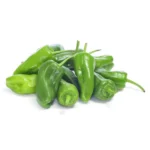
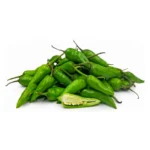

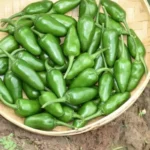
What’s in the Box
- Bullet Chilli Seeds
- Sowing instructions printed on backside of Seed Packet
- Recyclable Pouch
Introduction
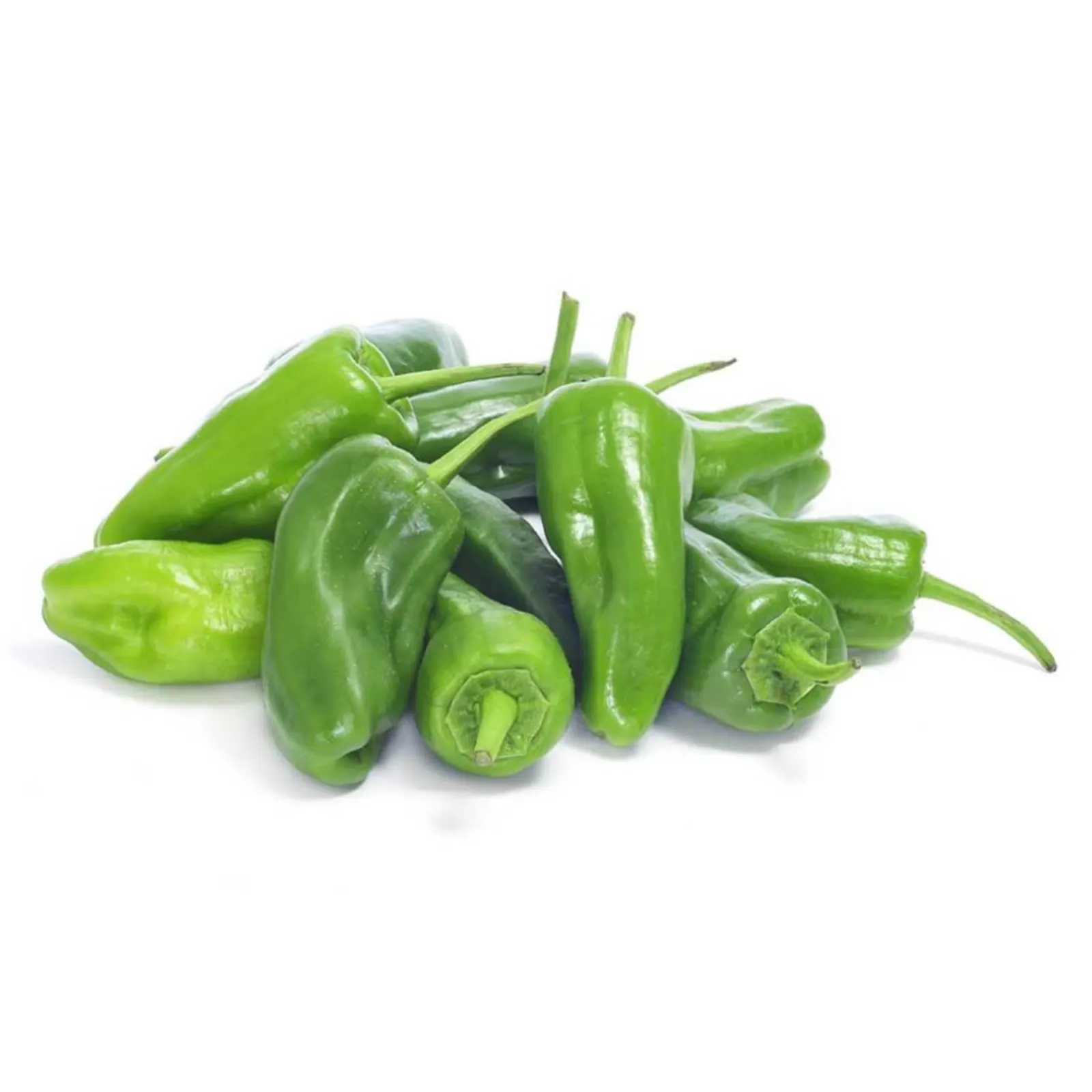
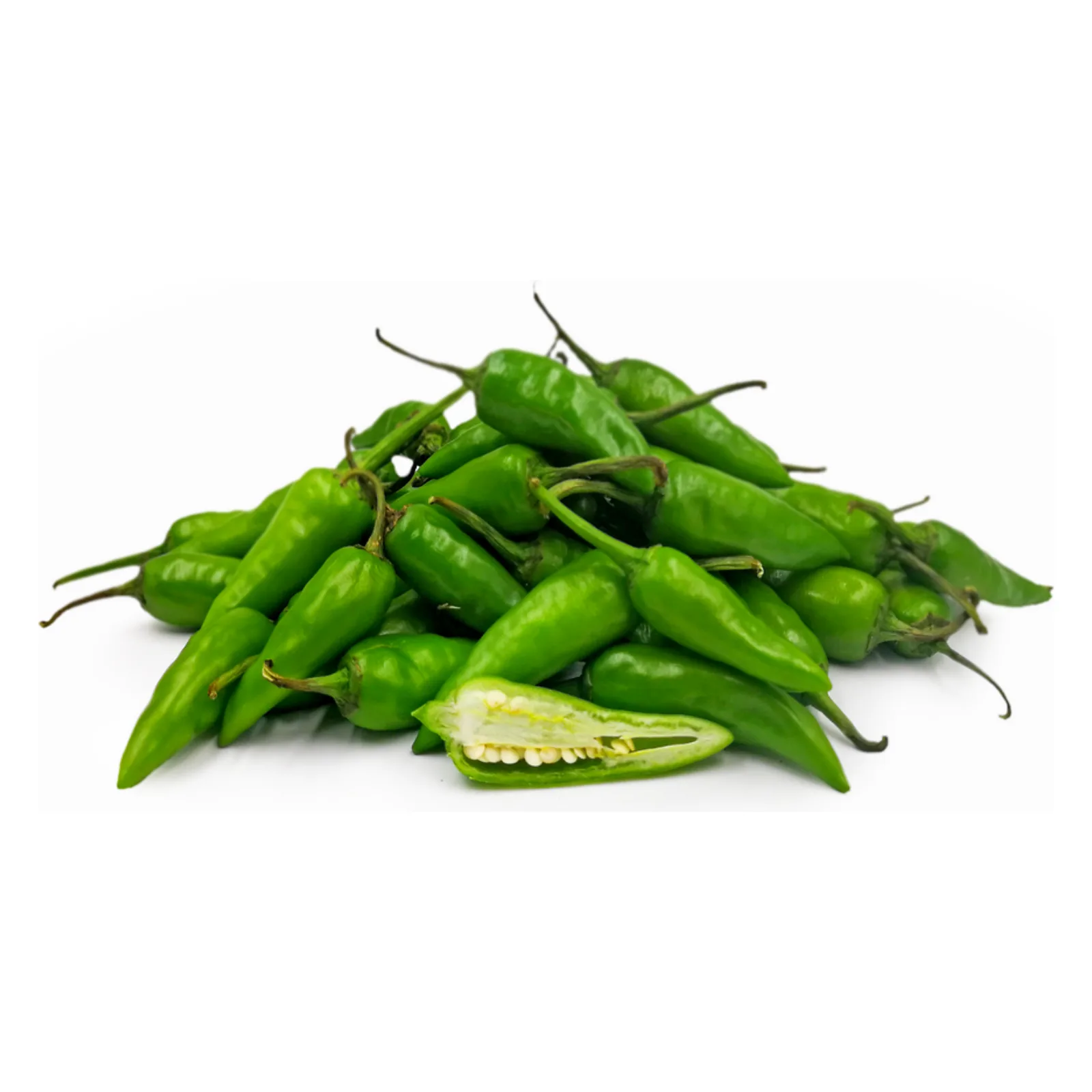
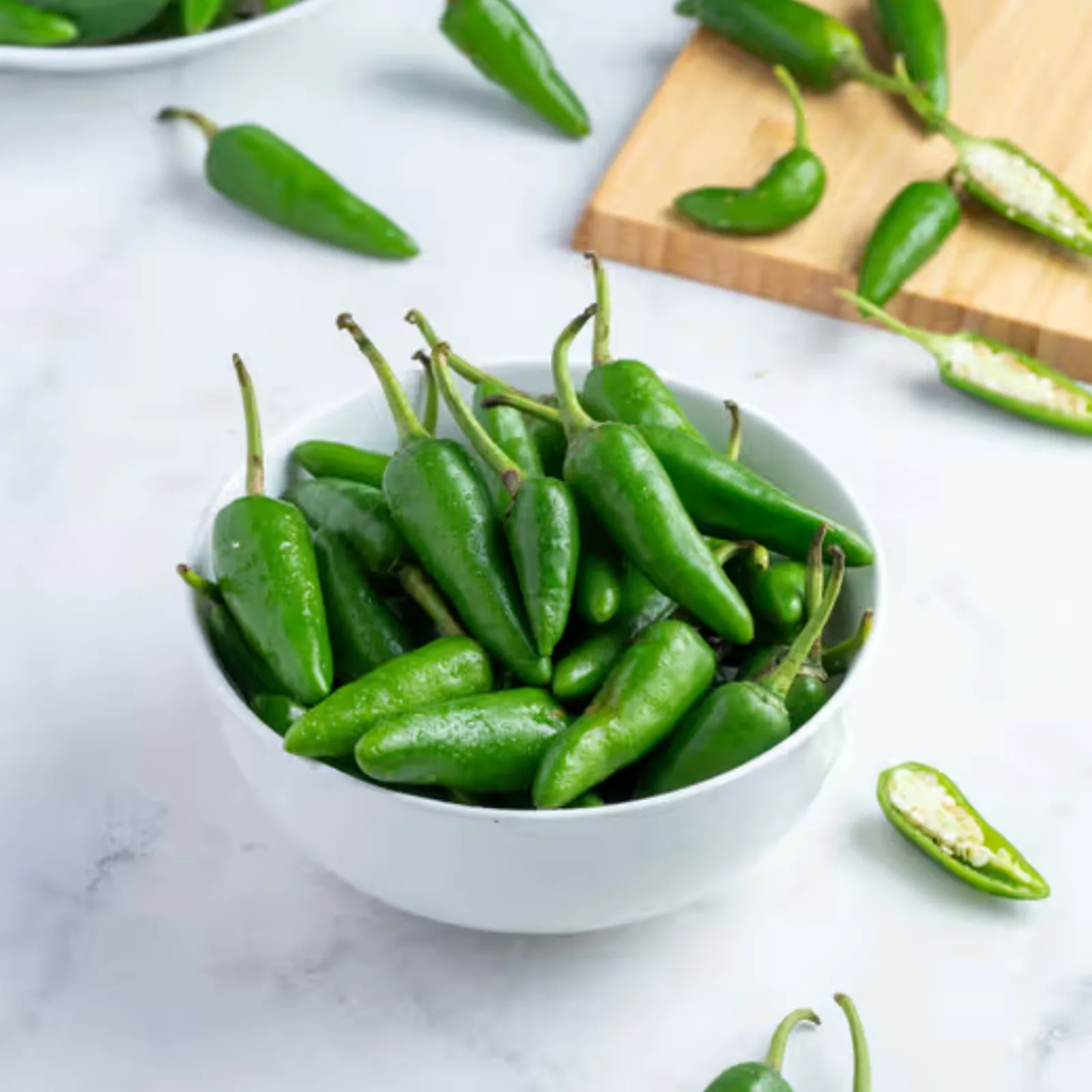
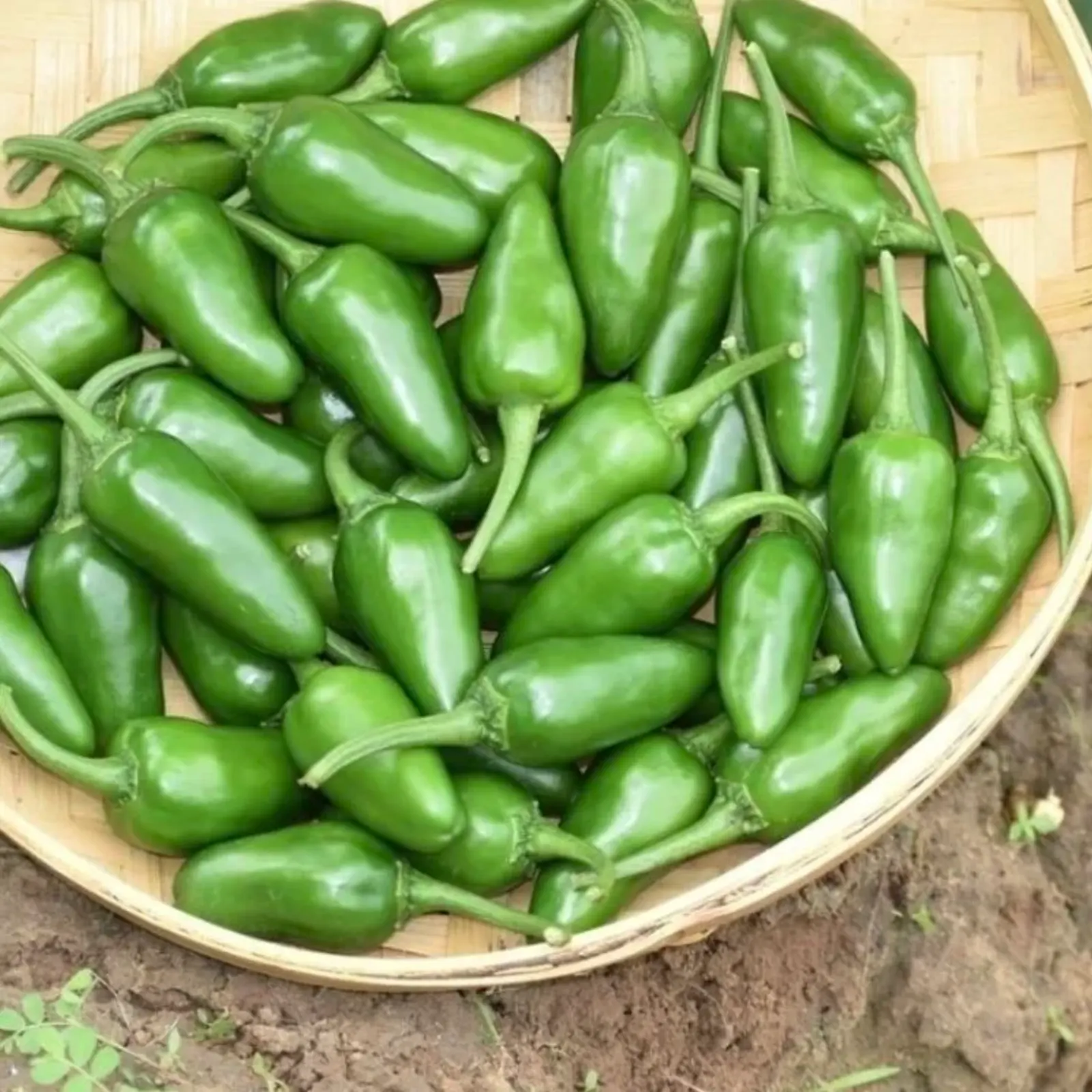
Ignite your kitchen garden with the fiery charm of our Premium Bullet Chilli Seeds! Whether you prefer mild heat or intense spice, these high-yield seeds are carefully selected for exceptional germination, strong plant vigor, and consistent fruiting. Perfect for home gardeners and farming enthusiasts alike, our bullet chilli varieties bring vibrant color, rich aroma, and that unmistakable kick to your dishes.
From ornamental hot bullet chillies to traditional Indian varieties, our seeds thrive beautifully in warm climates and are suitable for pots, grow bags, or garden beds. Easy to grow and rewarding to harvest, these chillies not only enhance your meals but also add a touch of greenery and brightness to your space.
Start your spicy journey today — sow our Bullet Chilli Seeds and experience the joy of harvesting fresh, home-grown chillies bursting with flavor and heat!
Seasonal Planting Calendar – Zone Wise
| Zone / Region | Example States | Sowing Time | Transplant Time | Harvest Period | Season / Crop Type | Notes & Tips |
|---|---|---|---|---|---|---|
| North India (Plains) | Delhi, Punjab, Haryana, Uttar Pradesh, Bihar | Jan – Feb (Spring-Summer crop) Jun – Jul (Kharif crop) | Feb – Mar / Jul – Aug | May – Jul / Oct – Dec | Spring-Summer & Monsoon | Protect early seedlings from frost; prefer raised beds during monsoon. |
| North India (Hills) | Himachal Pradesh, Uttarakhand, J&K (lower hills) | Mar – Apr | Apr – May | Jul – Oct | Summer Crop | Grows best in mild summer; avoid frost-prone zones. |
| Central India | Madhya Pradesh, Chhattisgarh | Jan – Feb / Jun – Jul | Feb – Mar / Jul – Aug | May – Jul / Oct – Dec | Dual Crop (Rabi & Kharif) | Maintain soil moisture; suitable for both open and polyhouse. |
| Western India (Arid / Semi-arid) | Rajasthan, Gujarat | Jan – Feb / Jun – Jul | Feb – Mar / Jul – Aug | May – Jul / Oct – Dec | Rabi & Kharif | Needs drip irrigation in hot dry zones; mulch to retain moisture. |
| Eastern India | West Bengal, Odisha, Jharkhand | Jan – Feb / Jun – Jul | Feb – Mar / Jul – Aug | May – Jul / Oct – Dec | Kharif & Summer | Ensure good drainage; avoid waterlogging during heavy rain. |
| Southern India (Tropical) | Tamil Nadu, Kerala, Karnataka, Andhra Pradesh, Telangana | Year-round sowing possible (Best: Jan – Mar & Sep – Oct) | 25–30 days later | Apr – Jul / Dec – Mar | Perennial / Continuous | Longest growing window; can be grown 2–3 cycles per year. |
| Western Coastal (Konkan, Goa, Coastal Maharashtra) | Goa, Mumbai, Ratnagiri, Mangalore | Jan – Feb / Sep – Oct | Feb – Mar / Oct – Nov | May – Jul / Jan – Mar | Rabi & Summer | Protect from excess monsoon rain; well-suited to coastal humidity. |
| North-East India | Assam, Meghalaya, Nagaland, Manipur, Arunachal Pradesh | Feb – Apr | Mar – May | Jun – Sep | Summer Crop | Prefers slightly shaded, humid conditions; use raised beds. |
Complete Guide to Bullet Chilli Seeds Germination, Soil, Watering & Pest Management
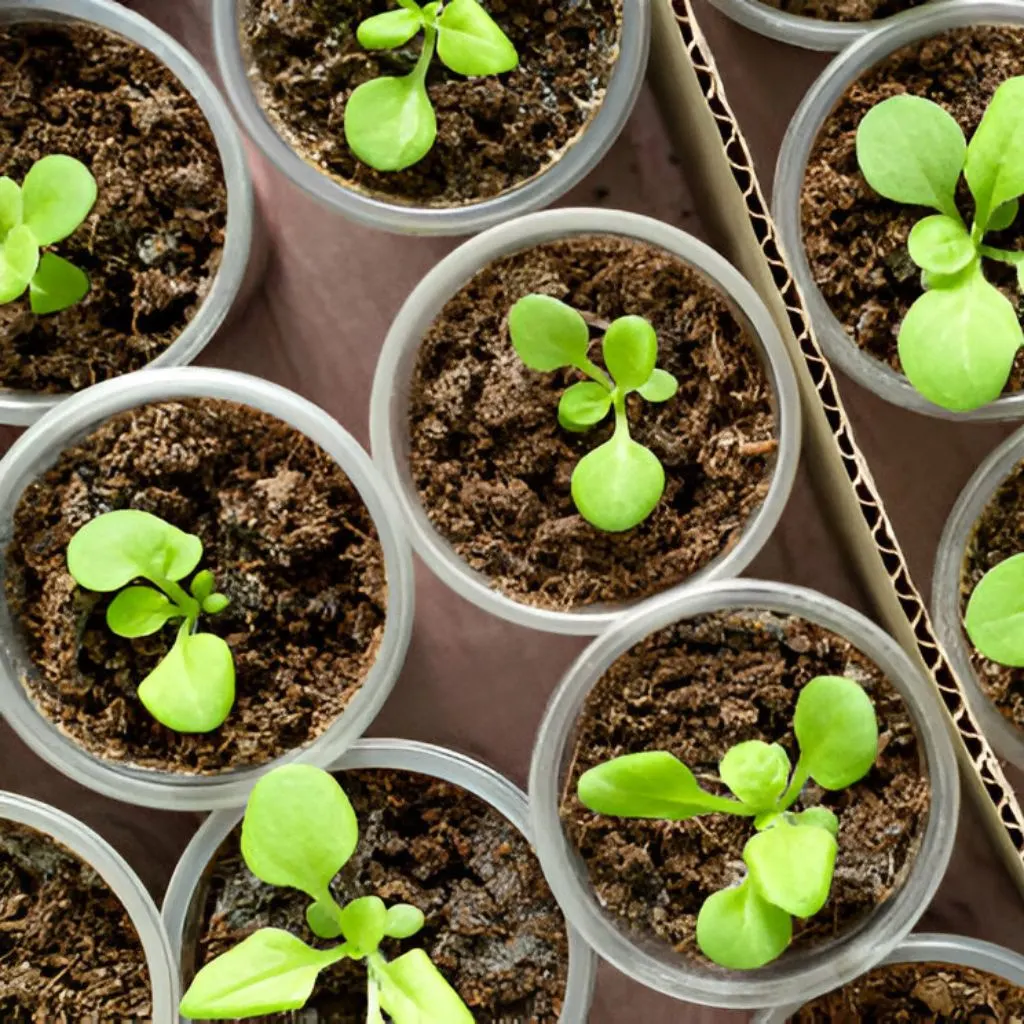
Seed Germination Process
Seed Preparation: Chilli seeds benefit from pre-soaking. Soak the seeds in warm water for 6–8 hours before planting to soften the seed coat and boost germination rates.
Planting Medium: Use a well-draining, nutrient-rich mix of garden soil, coco peat, and compost (1:1:1 ratio). The soil should be light, airy, and free of clumps to support tender seedlings.
Planting: Fill seed trays or small pots with the prepared soil. Sow each seed about 0.5 cm deep and lightly cover with soil. Gently press to ensure contact between seed and soil.
Containers: Start seeds in trays, small pots, or coco peat plugs. If growing directly in garden soil, ensure the area gets 6–8 hours of sunlight daily and drains well.
Watering: Mist the soil gently to keep it moist but never soggy. Excess water can cause seed rot. Use a spray bottle for uniform moisture.
Temperature: Chilli seeds germinate best at 25–32°C (77–90°F). If your region is cooler, keep trays indoors or use a seedling heat mat to maintain warmth.
Light: Chilli seedlings require bright light once they sprout. If grown indoors, place them near a sunny window or under a grow light for at least 12–14 hours daily.
Germination Time: Chilli seeds typically take 10–20 days to germinate. Be patient — some varieties, especially the hotter ones, may take longer.
Soil & Fertilizer Requirement
Soil Preparation: Before transplanting, loosen the soil up to 12 inches deep and mix in organic compost or well-rotted manure. Chillies prefer slightly acidic to neutral soil with a pH of 6.0–7.0.
Fertilizer Type: Use a balanced fertilizer like NPK 19:19:19 or organic bio-fertilizers (vermicompost, bone meal, seaweed extract) to promote healthy growth.
Fertilizing Schedule:
- At planting: Mix compost or organic manure into the soil.
- After 30 days: Apply a balanced fertilizer every 15–20 days.
- At flowering stage: Switch to fertilizers higher in phosphorus and potassium (such as NPK 10:20:20) to encourage fruiting and reduce leafiness.
Organic Alternatives: Liquid compost tea, neem cake, and bone meal are excellent natural boosters that improve soil fertility and yield.
Avoid Over-Fertilization: Too much nitrogen leads to lush foliage but fewer fruits. Moderate feeding ensures balanced growth and abundant harvest.


Watering Requirements
Frequency: Keep the soil evenly moist during germination and early growth. Once plants are established, water 2–3 times a week, allowing the topsoil to dry slightly between watering.
Technique: Water at the base of the plant to avoid wetting the leaves, which can invite fungal issues. Deep watering helps roots grow stronger.
Soil Moisture: Chillies dislike soggy soil. The soil should feel moist but not sticky. Good drainage is crucial to prevent root rot.
Adjustments:
- Increase watering during hot, dry spells.
- Reduce during rainy or humid seasons.
- For container plants, water more frequently as pots dry faster than garden beds.
Tip: Mulching with dry leaves or coco husk helps retain soil moisture and prevents weed growth.
Pest Control Requirement
Aphids & Whiteflies: These sap-sucking insects can cause curling leaves and slow growth. Control with neem oil spray or insecticidal soap applied weekly.
Thrips & Mites: These tiny pests can deform leaves and flowers. Increase humidity around plants and use organic miticides if necessary.
Fruit Borer & Caterpillars: Use organic pesticides like Bacillus thuringiensis (Bt) or handpick larvae. Installing pheromone traps helps reduce infestations.
Leaf Spot & Powdery Mildew: Avoid overhead watering. Apply fungicidal sprays containing copper or sulfur at early signs of infection.
Root Rot: Prevent by ensuring excellent soil drainage and avoiding overwatering.
Preventive Practices:
- Maintain garden hygiene and remove infected leaves promptly.
- Rotate crops yearly to reduce soil-borne diseases.
- Inspect plants regularly for early pest signs.

FAQs
-
What is Bullet Chilli?
Bullet Chilli is a high-pungency hot pepper variety (also listed as “Bullet (HPH-4968)”) with fruit length approx. 4–5 cm and diameter ~1 cm, with an erect, bushy plant habit and high yield under Indian agro-climatic conditions.
It is typically grown for its spicy fruit rather than mild flavour. -
What are the ideal seeds/germination details for Bullet Chilli?
According to one generic seed listing for Bullet Chilli:
Germination time: about 7-10 days.
Sowing depth: ~0.5-1 cm deep.
Warm soil and good moisture but not waterlogged. -
What soil and climatic conditions does Bullet Chilli prefer?
Soil: well-drained, nutrient-rich loamy soil, pH about 6.0-7.0 is ideal.
Climate: warm and humid conditions suit chilli plants; optimum growth often at 20-30 °C.
For the Bullet variety it’s noted to prefer cooler climates for high yield in one listing, but that may be for home-garden scale. -
What is the recommended spacing for growing Bullet Chilli plants?
For chillies in general: row-to-row spacing ~60-75 cm and plant-to-plant ~45 cm is recommended in many Indian guides.
For some varieties: 45 x 45 cm may be used for compact types.
For the Bullet variety specifically: one source lists a plant population ~10,000-12,000 plants/acre (which equates to spacing roughly 45-60 cm) for “Bullet (HPH-4968)”. -
When should seeds be sown and plants transplanted?
Seed sowing: When soil and ambient temps are sufficiently warm (for chillies usually when no frost, and soil ~20 °C or more).
Transplanting (if raising seedlings): Many guides say seedlings ready in ~30-40 days then transplant. In one listing for Bullet: the first harvest is expected about 65-70 days after transplantation. -
What is the expected yield for Bullet Chilli?
For the variety “Bullet (HPH-4968)”, the average yield is cited as ~12 MT per acre (under good cultural practices). Another source says 75-85 days to harvest in home-garden scale and implies “profuse yields” in cooler seasons.
-
What are the fruit characteristics of Bullet Chilli?
Fruit length: ~4–5 cm (for some listings).
Diameter: ~1 cm (for some listings)
High pungency (80,000-90,000 SHU is cited for similar “Royal Bullet” variety).
Firm, smooth fruit surface for certain hybrid types. -
How much sunlight does Bullet Chilli need?
6-8 hours of full sunlight daily for good growth.
In general for chillies: full sun is ideal; light shade may reduce yield or pungency. -
How should watering and irrigation be managed?
The soil should be kept moist but not waterlogged. One guide: avoid heavy irrigation especially at flowering stage because flower/fruit drop may result. Use drip irrigation for efficiency in chilli cultivation.
-
What fertilisers/manure practices are recommended?
Use seed treatment to protect against soil borne diseases (e.g., Carbendazim + Thiram for Bullet variety) before sowing. Ensure good drainage and avoid water-logging as many chilli diseases worsen in humid, stagnant conditions. Organic management: e.g., use neem-based sprays for pests like aphids/whiteflies (mentioned in one home-garden listing).
-
How are pests and diseases managed in Bullet Chilli cultivation?
Causes include nutrient deficiencies (nitrogen, magnesium), water stress, root problems, or disease — soil test and inspect roots/soil moisture to diagnose.
-
When and how is harvesting done?
For Bullet variety: full‐mature, firm green fruits begin at ~65-70 days after transplanting. Harvesting should be done regularly (picking ripe fruits encourages more flowering/fruiting). For storage: fresh green chillies can be refrigerated; for longer storage dry or freeze them.
-
Can Bullet Chilli be grown in containers/pots/home gardens?
Yes. Some seed listings suggest that Bullet Chilli can be grown in grow bags or pots (10-15 inch size) provided soil is well drained, sunlight is available, and plants are thinned for space.
-
What environmental factors limit Bullet Chilli growth?
Frost or very low temperatures inhibit chilli plants. Excess rainfall or high humidity during flowering may cause flower drop and fruit rot. Poor soil drainage leads to root problems.
-
What are common mistakes or pitfalls in growing Bullet Chilli?
Too heavy watering or poor drainage → root rot or fruit drop.
Too close spacing → reduced yield and air circulation, disease risk.
Planting in low‐light or shaded area → less yield.
Starting seeds when soil/ambient temperature too low → poor germination.
Not harvesting regularly → mature fruits reduce new flowering.
These are general chilli cultivation pitfalls supported by broader chilli guides. -
How long is the lifecycle from sowing to final harvest in Bullet Chilli?
For home-garden scale: one listing says 75-85 days after sowing till full harvest.
For the commercial variety Bullet (HPH-4968): mature firm green fruits start at ~65-70 days after transplanting.
So overall typical time from seed to first harvest might be ~3-4 months (depending on season, growing conditions).
Reviews
There are no reviews yet