
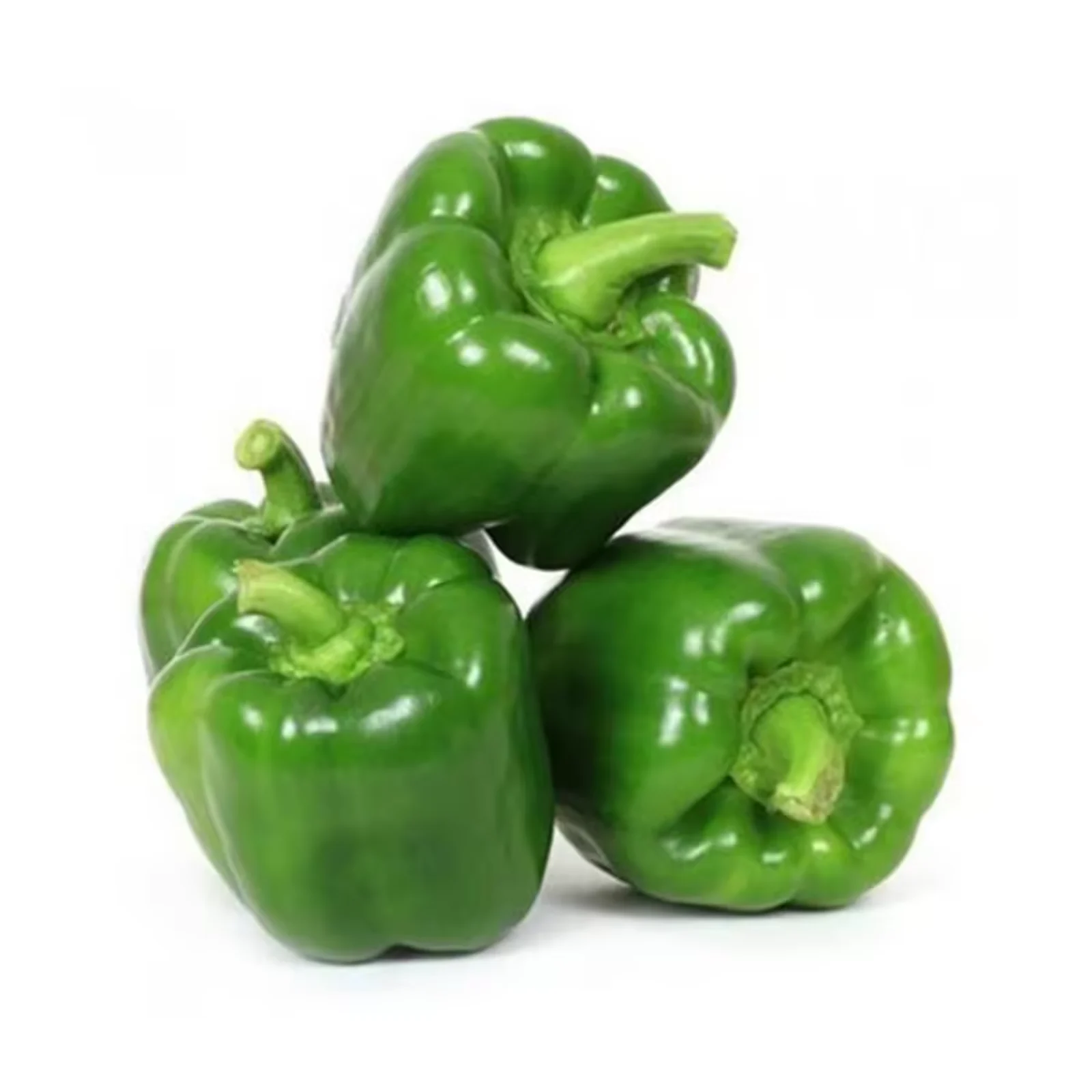
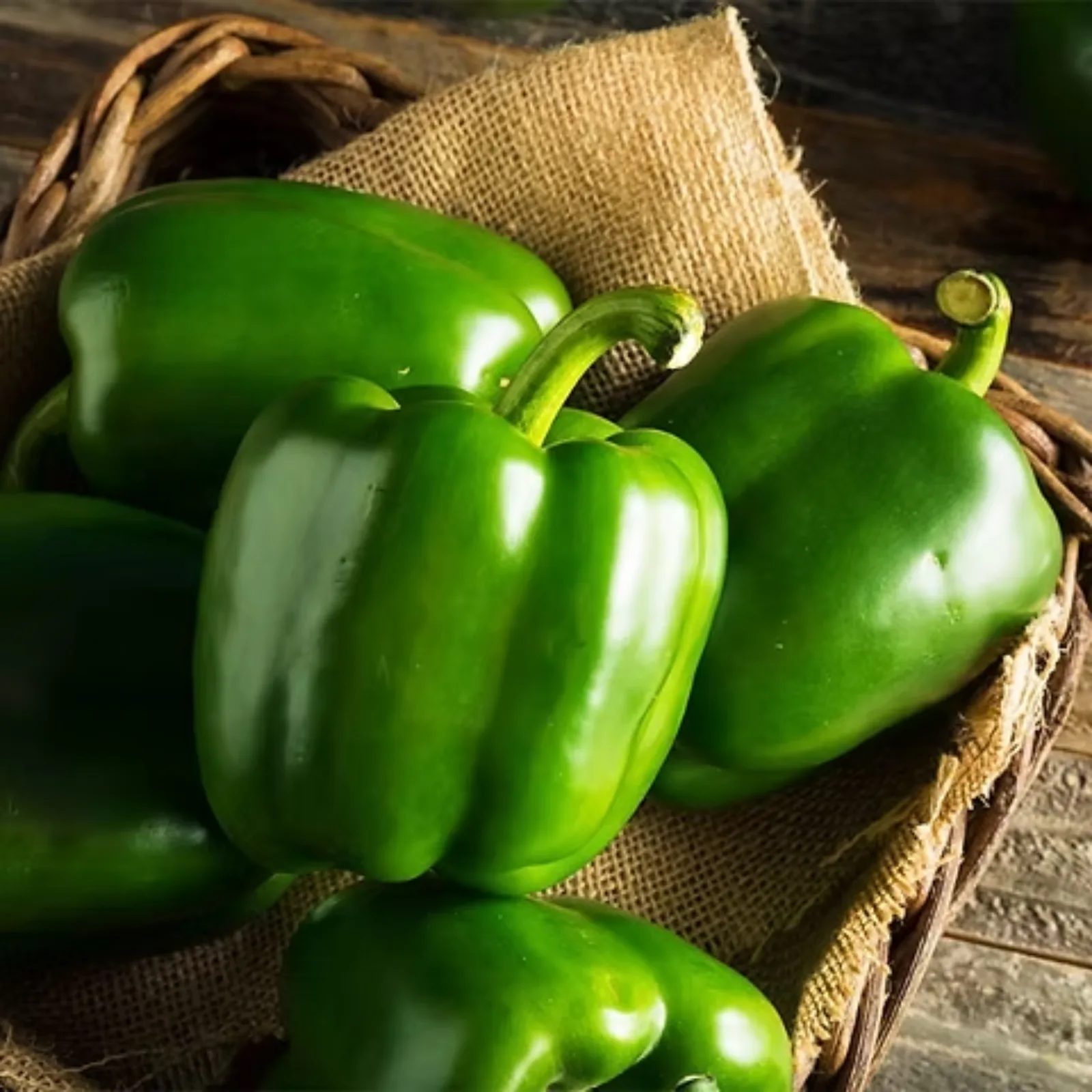
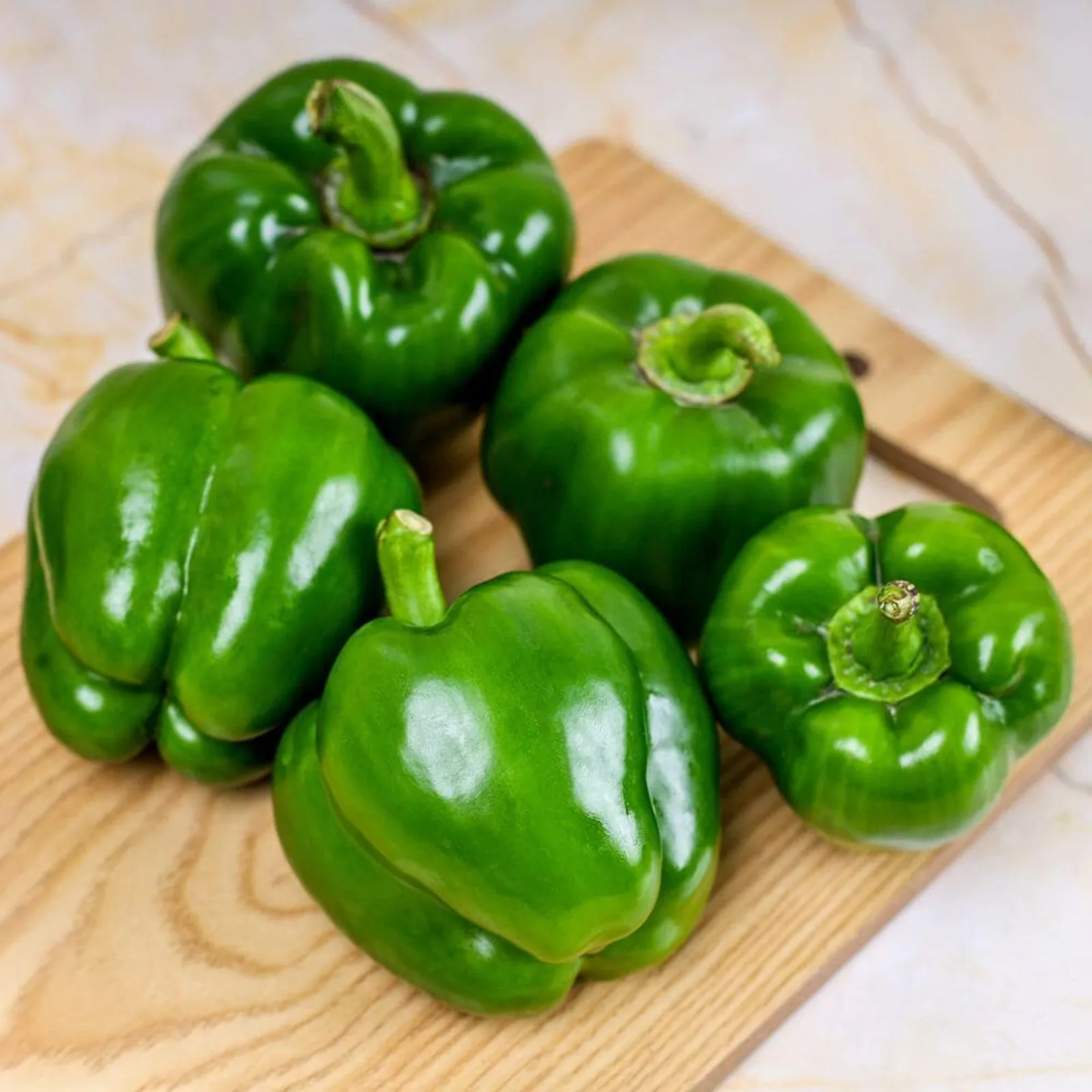
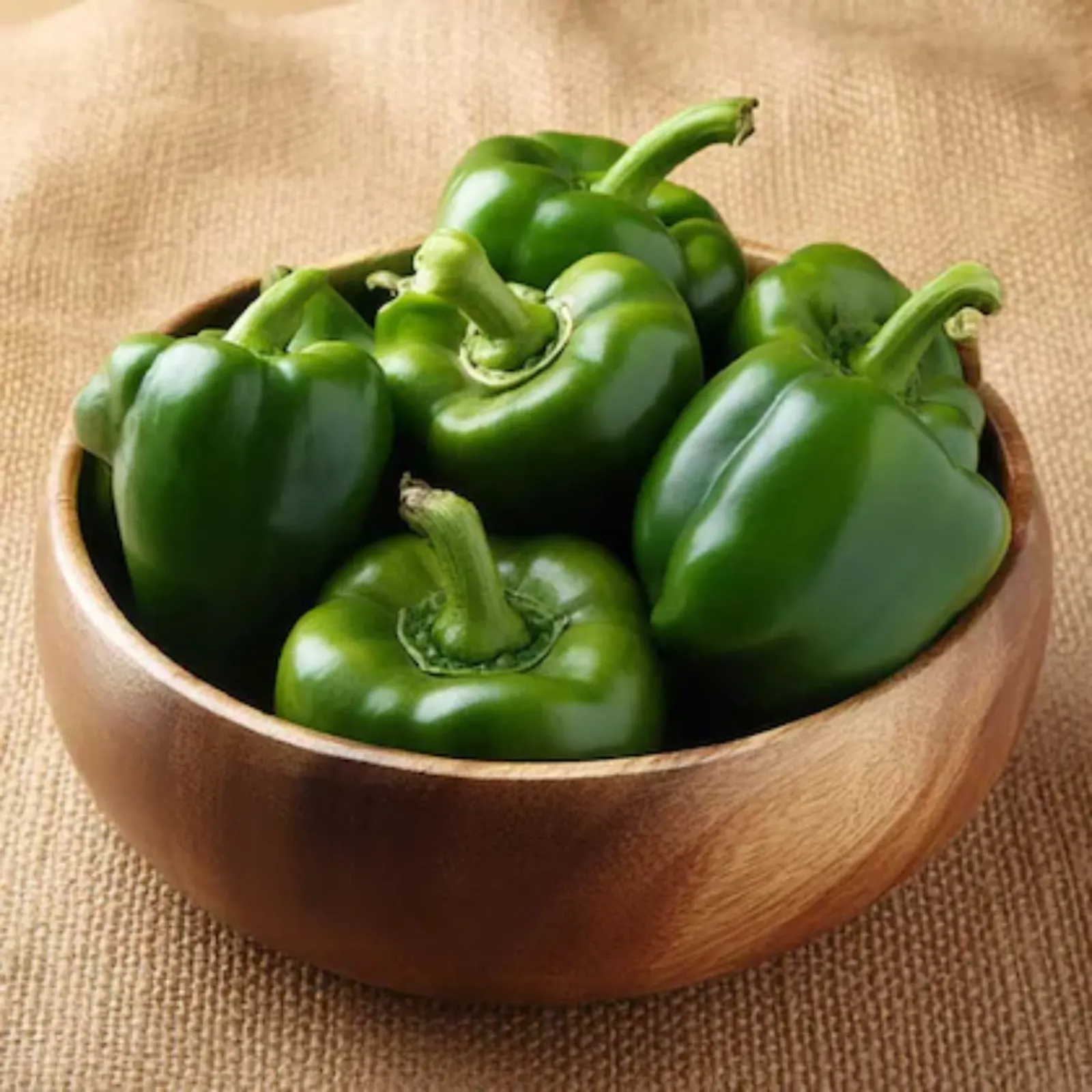
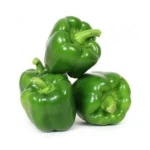
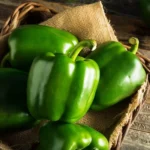
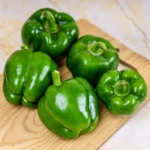
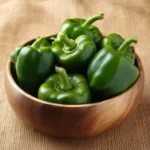
Capsicum, commonly known as Bell Pepper, Sweet Pepper, or Shimla Mirch, is one of the most popular vegetable crops grown worldwide. Known for its vibrant colors, crunchy texture, and rich nutritional value, capsicum is widely used in salads, pizzas, stir-fries, curries, and various culinary preparations.
Our premium-quality Capsicum Seeds are carefully selected to ensure high germination rates, vigorous plant growth, excellent fruit setting, and abundant harvests. Whether you are a home gardener, terrace gardener, kitchen garden enthusiast, or commercial farmer, these seeds help you grow healthy and productive capsicum plants with ease.
It is rich in Vitamin C, Vitamin A, antioxidants, dietary fiber, and essential minerals, making it a healthy addition to any diet. With proper cultivation practices, you can enjoy fresh, pesticide-free it directly from your garden.
Why Choose Our Capsicum Seeds?
Why Choose Our Capsicum Seeds?
- High Germination Rate
- Healthy and Vigorous Growth
- Excellent Fruit Quality
- Suitable for Home Gardens and Farms
- Ideal for Pots, Containers, Raised Beds, and Grow Bags
- High Yield Potential
- Suitable for Organic Cultivation
- Produces Uniform and Attractive Fruits
- Easy to Grow for Beginners
Quick Growing Information
| Growing Parameter | Details |
|---|---|
| Botanical Name | Capsicum annuum |
| Common Name | Capsicum, Bell Pepper, Sweet Pepper |
| Seed Type | Vegetable Seeds |
| Sowing Season | Year-round in suitable climates |
| Germination Time | 7–14 Days |
| Seedling Transplanting | 25–35 Days After Sowing |
| Harvest Time | 70–100 Days After Transplanting |
| Sunlight Requirement | 6–8 Hours Daily |
| Water Requirement | Moderate |
| Difficulty Level | Easy to Moderate |
Best Sowing Time for Capsicum Seeds
It can be grown almost throughout the year depending on the local climate.
- North India
- June to July
- September to October
- South India
- Throughout the year with proper irrigation
- Tropical Regions
- Early monsoon
- Post-monsoon season
- Home Gardening
- It grows exceptionally well in containers, grow bags, raised beds, and kitchen gardens. Gardeners can sow seeds whenever temperatures remain between 20°C and 30°C.
Germination Process of Capsicum Seeds
- Step 1: Seed Selection: Choose high-quality, disease-free seeds with good viability. Premium seeds ensure stronger seedlings and better yields.
- Step 2: Prepare Seedling Tray
- Use:
- Seedling trays
- Small pots
- Nursery beds
- Fill them with a light and well-draining growing medium.
- Recommended Mix:
- 40% Cocopeat
- 30% Vermicompost
- 30% Garden Soil
- Use:
- Step 3: Sow the Seeds
- Sow seeds 0.5–1 cm deep.
- Cover lightly with soil or cocopeat.
- Do not sow too deep.
- Step 4: Water Carefully
- Mist the soil gently after sowing.
- Keep the medium moist but never waterlogged.
- Step 5: Maintain Ideal Temperature
- Capsicum seeds germinate best between: 20°C to 30°C
- Lower temperatures may delay germination.
- Step 6: Seed Germination
- Under ideal conditions, seeds usually germinate within: 7–14 days
- Healthy seedlings emerge with two small seed leaves followed by true leaves.
- Under ideal conditions, seeds usually germinate within: 7–14 days
- Step 7: Transplanting
- Once seedlings reach:
- 4–6 true leaves
- 10–15 cm height
- Transplant them into:
- Grow bags
- Pots
- Raised beds
- Open fields
- Spacing:
- Plant to Plant: 40–50 cm
- Row to Row: 50–60 cm
- Proper spacing improves air circulation and reduces disease incidence.
- Once seedlings reach:
Sunlight Requirement for Healthy Growth
Sunlight plays a crucial role in it growth and fruit production.
- Ideal Sunlight Exposure
- It requires: 6–8 hours of direct sunlight daily
- More sunlight generally results in:
- Better flowering
- Strong stems
- Increased fruit production
- Improved fruit color
- Growing in Containers
- Place containers:
- South-facing balconies
- Rooftops
- Open terraces
- Sunny gardens
- Place containers:
- Low Light Conditions
- Insufficient sunlight may cause:
- Weak growth
- Poor flowering
- Reduced fruit setting
- Smaller fruits
- For best results, always choose the sunniest available location.
- Insufficient sunlight may cause:
Soil and Fertilizer Requirements for Best Foliage and Flowering
Healthy soil is the foundation of successful cultivation.
Ideal Soil Type
- Well-drained soil
- Fertile soil
- Loamy soil
- Organic-rich growing medium
Soil pH
Ideal pH Range: 6.0 to 7.0. This range ensures maximum nutrient availability.
Recommended Potting Mix
For containers and grow bags:
- 40% Garden Soil
- 30% Cocopeat
- 20% Vermicompost
- 10% Organic Compost
This mixture provides:
- Good drainage
- Excellent aeration
- Adequate nutrients
Fertilizer Requirements
- Before Planting Mix:
- Vermicompost
- Well-rotted cow manure
- Organic compost
- During Vegetative Growth Apply:
- Nitrogen-rich organic fertilizers
- Seaweed extract
- Humic acid
- every 15–20 days.
- During Flowering Stage Use:
- Phosphorus-rich fertilizers
- Bone meal
- Organic bloom boosters
- These promote stronger flowering.
- During Fruiting Stage Apply:
- Potassium-rich fertilizers
- Banana peel compost
- Organic fruit boosters
- Potassium improves:
- Fruit size
- Color
- Taste
- Yield
- Potassium improves:
Water Requirement for Capsicum Plants
Proper irrigation significantly affects plant health and productivity.
How Often to Water?
Water when the top layer of soil becomes slightly dry. Generally:
- Summer: Every 1–2 days
- Winter: Every 3–4 days
Adjust according to weather conditions.
Important Watering Tips
- Avoid Overwatering: Excess water can cause:
- Root rot
- Fungal diseases
- Yellow leaves
- Avoid Underwatering: Lack of water may result in:
- Flower drop
- Fruit drop
- Reduced yields
- Best Time to Water: Water early morning for:
- Better moisture retention
- Reduced disease pressure
- Improved nutrient uptake
Pest and Disease Management in Capsicum
Common Pests
- Aphids
- Symptoms:
- Curled leaves
- Sticky residue
- Stunted growth
- Control:
- Neem oil spray
- Insecticidal soap
- Yellow sticky traps
- Symptoms:
- Whiteflies
- Symptoms:
- Yellowing leaves
- Reduced vigor
- Control:
- Neem-based sprays
- Sticky traps
- Proper airflow
- Symptoms:
- Thrips
- Symptoms:
- Silver streaks on leaves
- Deformed flowers
- Control:
- Neem oil
- Biological pest control
- Regular monitoring
- Symptoms:
- Spider Mites
- Symptoms:
- Fine webbing
- Yellow spots
- Control:
- Increase humidity
- Neem oil sprays
- Miticide if required
- Symptoms:
Common Diseases
Common Diseases
- Damping-Off
- Occurs during seedling stage.
- Prevention:
- Use sterile growing media
- Avoid excess moisture
- Ensure good drainage
- Powdery Mildew
- Symptoms:
- White powder on leaves
- Control:
- Improve air circulation
- Apply organic fungicides
- Symptoms:
- Leaf Spot Disease
- Symptoms:
- Brown or black spots on leaves
- Control:
- Remove infected foliage
- Avoid overhead watering
- Use preventive fungicide sprays
- Symptoms:
Harvesting Capsicum
Harvesting Capsicum
One of the most rewarding stages of growing it is harvesting.
- Harvest Time:
- It is usually ready for harvest: 70–100 days after transplanting depending on variety and climate.
When to Harvest
Harvest fruits when:
- Fully developed
- Firm and shiny
- Desired color is achieved
Harvesting Method
Use:
- Sharp scissors
- Garden pruners
Cut fruits carefully without damaging branches. Regular harvesting encourages continuous fruit production.
Benefits of Growing Capsicum at Home
Benefits of Growing Capsicum at Home
Growing it at home offers numerous advantages:
- Fresh vegetables anytime
- Chemical-free produce
- Cost-effective gardening
- Better taste and nutrition
- Educational activity for children
- Attractive garden appearance
- Suitable for small spaces
Even beginners can successfully grow it using pots, containers, or grow bags.
Final Words
Capsicum is one of the most rewarding vegetables for home gardeners and commercial growers alike. With its colorful fruits, excellent nutritional value, and high market demand, growing capsicum can be both enjoyable and profitable. By using premium-quality Capsicum Seeds and following proper practices for germination, sunlight exposure, soil preparation, fertilization, watering, and pest management, you can achieve healthy plants and abundant harvests throughout the season.
Whether you are cultivating capsicum in a kitchen garden, terrace garden, grow bag, greenhouse, or open field, these seeds provide an excellent foundation for successful gardening. Start growing today and enjoy fresh, crunchy, and nutritious capsicums directly from your garden.
Frequently Asked Questions (FAQs)
How long do Capsicum Seeds take to germinate?
Capsicum seeds generally germinate within 7–14 days under ideal temperature and moisture conditions.
How much sunlight does capsicum need?
Capsicum plants require at least 6–8 hours of direct sunlight daily for healthy growth, flowering, and fruit production.
Can capsicum be grown in pots or grow bags?
Yes. Capsicum grows exceptionally well in pots, containers, and grow bags with proper drainage and nutrient-rich soil.
How often should I water capsicum plants?
Water when the topsoil feels slightly dry. Avoid both overwatering and prolonged dryness for optimal growth.
What is the best fertilizer for capsicum plants?
Organic compost, vermicompost, seaweed extract, humic acid, phosphorus-rich fertilizers, and potassium boosters help achieve excellent growth and high yields.
Reviews
There are no reviews yet