
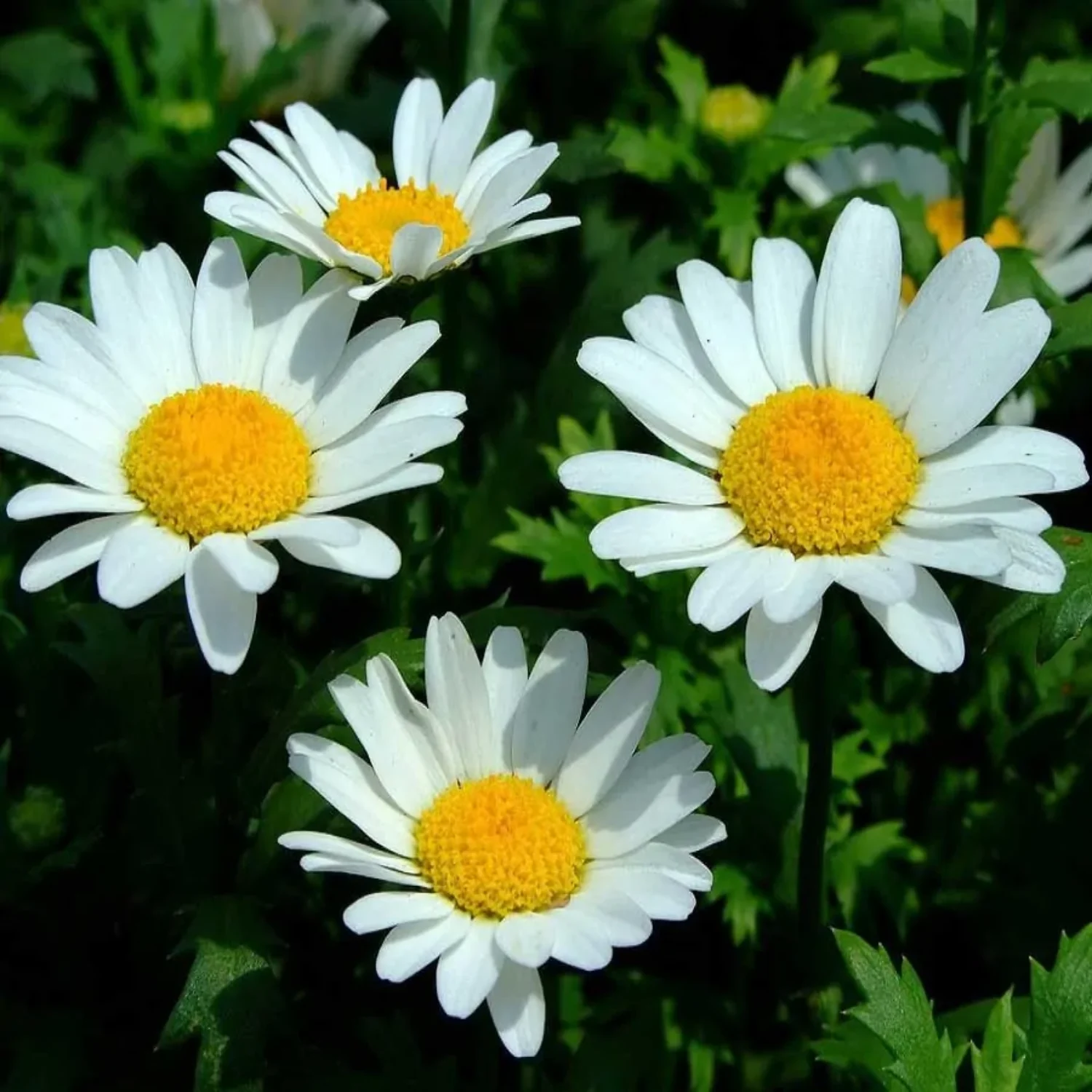
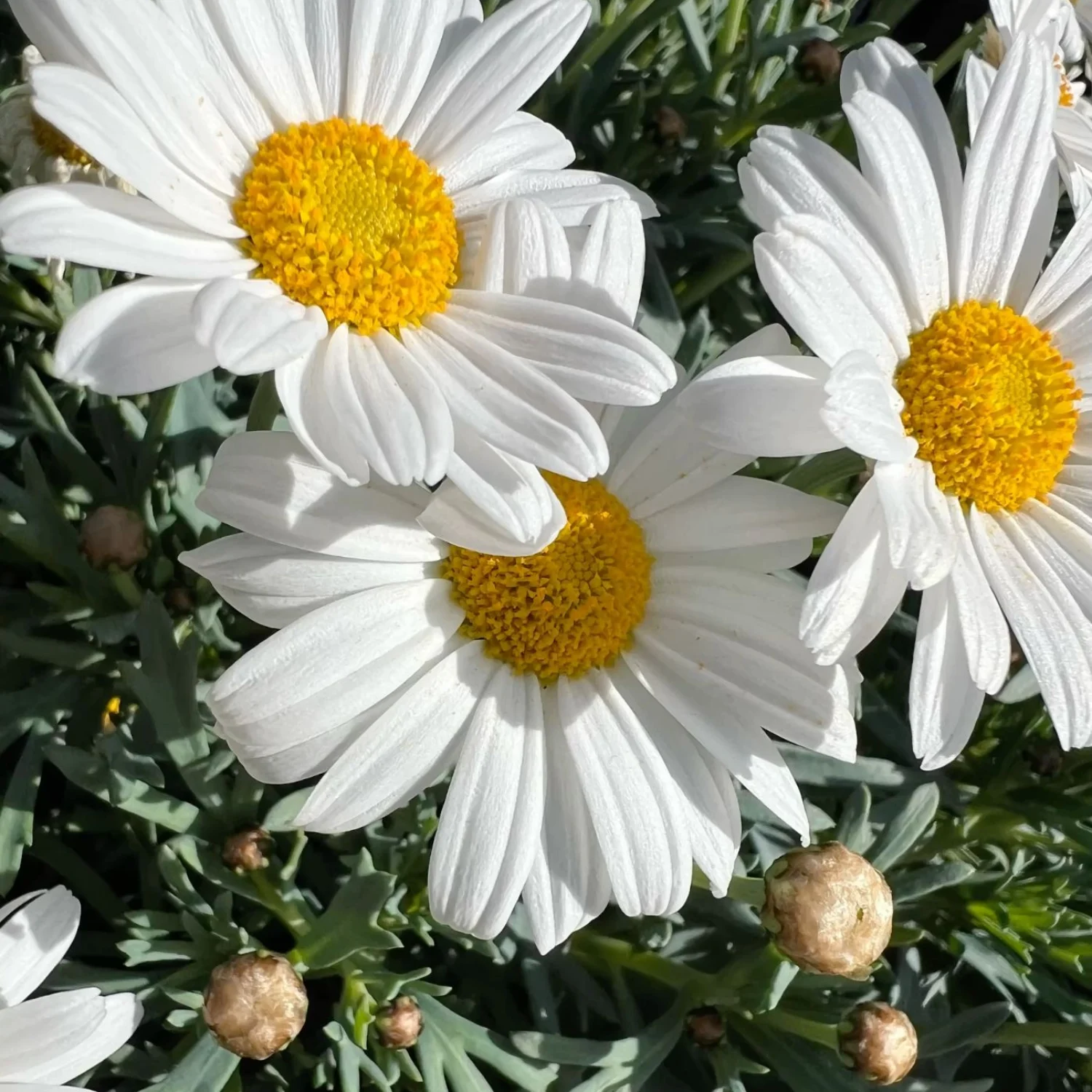
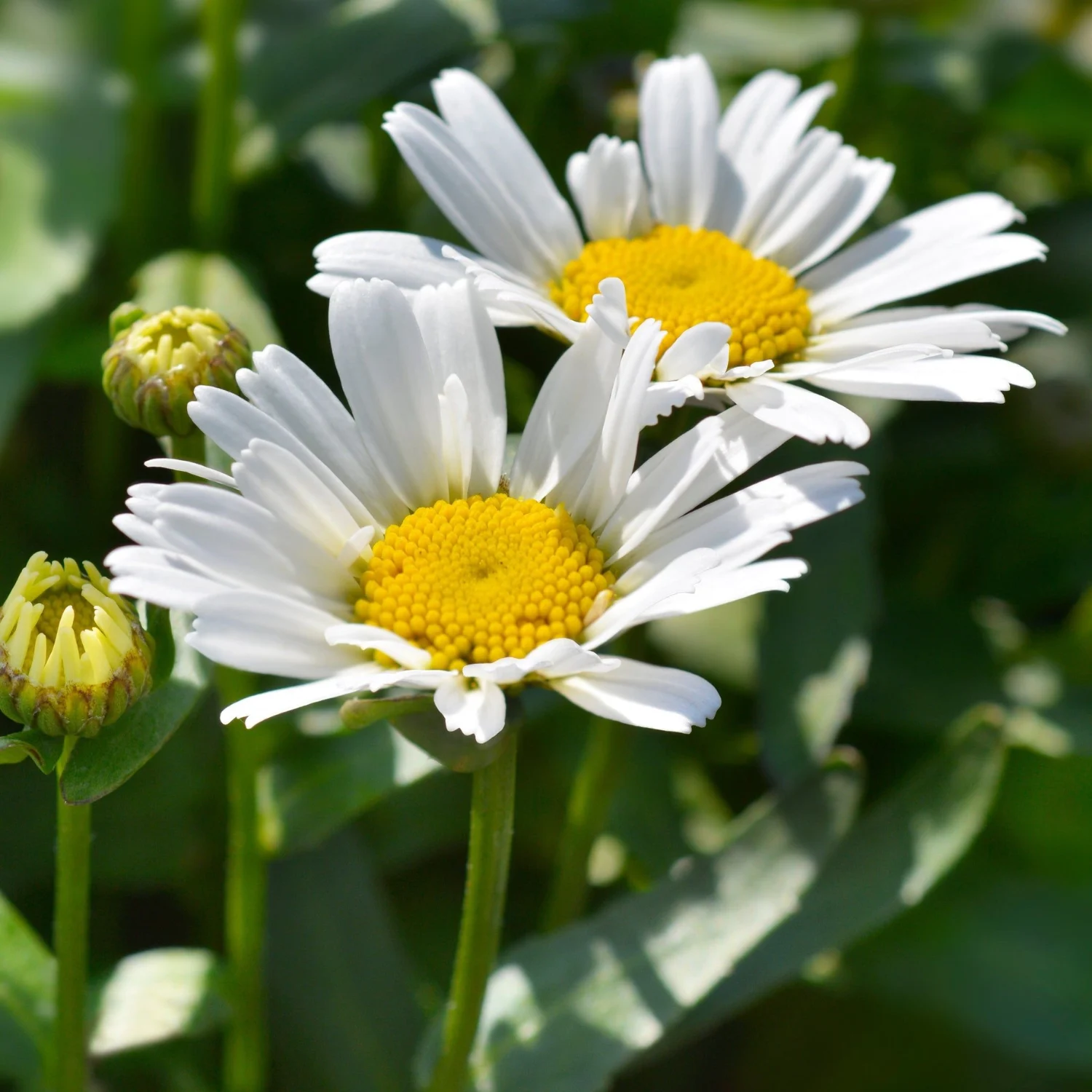
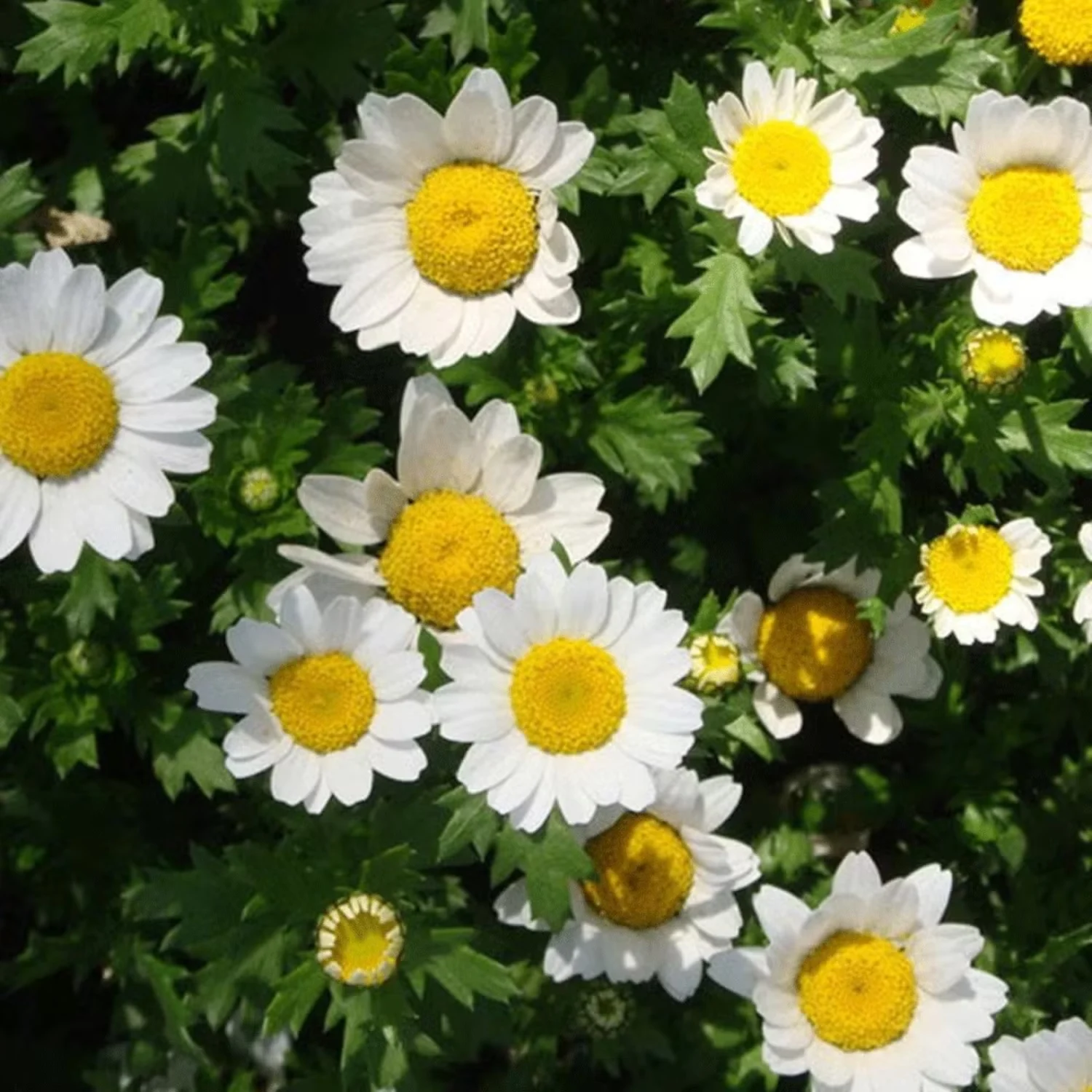




Bring a fresh, elegant and cheerful look to your garden with Chrysanthemum Paludosum White Flower Seeds. Known for its attractive white daisy-like flowers with bright yellow centres, Chrysanthemum paludosum is an excellent choice for home gardens, balcony gardens, terrace gardens, flower beds, borders, pots and containers.
This compact flowering plant is especially appealing to gardeners who want plenty of small, bright flowers without needing a large gardening space. The Snowland type of Chrysanthemum paludosum, for example, is described as producing abundant clear-white daisy-like blooms with yellow centres and a compact plant habit.
Whether you are an experienced gardener or starting your first home kitchen or terrace garden, these white flower seeds can be an enjoyable way to grow flowering plants from seed and learn the complete process—from sowing and germination to transplanting and flowering.
Product Highlights
- Common Name: Chrysanthemum Paludosum White
- Botanical Name: Chrysanthemum paludosum
- Flower Colour: White with yellow centre
- Flower Type: Daisy-like
- Plant Type: Ornamental flowering plant
- Plant Habit: Compact and bushy/spreading
- Approximate Height: Around 20–30 cm for Snowland-type plants under suitable conditions
- Suitable For: Pots, containers, balconies, terraces, flower beds, borders and landscaping
- Light Requirement: Full sun to partial sun
- Germination: Approximately 7–14 days depending on conditions; commercial Snowland guidance gives about 10–14 days under recommended conditions.
- Flowering: Approximately 65–90 days from sowing, depending on variety and growing conditions.
Why Grow Chrysanthemum Paludosum White Flower Seeds?
If you are searching for easy-to-grow flower seeds, attractive white flowers or compact flowering plants for pots, Chrysanthemum Paludosum is worth considering.
Its most noticeable feature is its daisy-like appearance. The clean white petals contrast beautifully with the yellow flower centre, creating a bright and fresh appearance. Snowland-type plants are bred for a compact habit and abundant flowering, with flowers around 4 cm across under favourable conditions.
Perfect for Small Gardens
You do not need a large garden to grow Chrysanthemum Paludosum. It can be grown in:
- Balcony pots
- Terrace gardens
- Window-side containers
- Home gardens
- Flower beds
- Garden borders
- Decorative planters
- Mixed flower containers
Its compact growth habit makes it particularly useful where gardening space is limited. Some commercial descriptions place the plant around 20–30 cm tall, while other seed listings describe compact plants in the 15–30 cm range. Actual size depends on variety, climate, pot size, nutrition and growing conditions.
Chrysanthemum Paludosum White Sowing Time
Chrysanthemum Paludosum White Sowing Time
Choosing the correct sowing period is one of the most important factors for successful flowering.
For Indian home gardeners, autumn and winter are generally useful growing periods, particularly in regions where temperatures become cooler during these months. Indian seed sellers commonly recommend autumn-to-winter sowing, while commercial production recommendations vary according to the specific variety and climate.
Quick Growing Calendar
| Growing Stage | Approximate Time |
|---|---|
| Best sowing period in many Indian regions | September–February |
| Germination | 7–14 days |
| Seedling development | 3–6 weeks |
| Transplanting | Around 30–35 days after sowing |
| First flowering | Approximately 65–90 days |
| Flower harvest | After flowers open fully |
Important: Growing time can change according to temperature, sunlight, variety, soil quality, watering and overall plant care.
Germination Process – How to Grow Chrysanthemum Paludosum from Seeds
1. Germination Process – How to Grow Chrysanthemum Paludosum from Seeds
Growing Chrysanthemum Paludosum from seeds is straightforward when you provide fine growing media, adequate moisture and suitable temperature.
Commercial Snowland growing information recommends germination around 15–20°C, while another grower guide reports emergence in approximately 10–14 days at around 60–65°F (15.5–18.3°C).
Step 1: Select a Seed Tray or Small Pot
For beginners, a seedling tray is convenient because it makes it easier to control moisture and transplant young plants later.
Fill the tray with a fine, loose and well-draining seed-starting medium.
A simple homemade mix can contain:
- Cocopeat
- Fine garden soil
- Vermicompost
- Sand or another drainage-improving material
Avoid using heavy, compact soil for germination.
Step 2: Sow the Seeds
Spread the Chrysanthemum Paludosum seeds over the prepared surface.
Do not bury the seeds deeply. Press them gently into the growing medium and cover them only with a very thin layer of fine material if required.
Some Snowland growing recommendations specifically advise covering the seed lightly, while other seed-growing guidance recommends surface sowing because light can assist germination.
Step 3: Water Carefully
After sowing, water gently using a mist sprayer or fine rose watering can.
The objective is to keep the growing medium evenly moist but not waterlogged.
Excess water can reduce oxygen around the seeds and increase the risk of seedling problems.
Step 4: Provide Suitable Temperature
A germination temperature around 15–20°C is recommended for Snowland-type Chrysanthemum paludosum.
Under suitable conditions, seedlings may appear within approximately 7–14 days.
Step 5: Give Seedlings Enough Light
Once seedlings emerge, place them somewhere bright. Avoid keeping newly emerged seedlings in deep shade, as insufficient light can result in weak, elongated growth.
Step 6: Transplant Young Plants
Once seedlings have developed several true leaves and are strong enough to handle, transplant them carefully into individual pots or their final growing location.
Commercial Snowland production guidance indicates transplanting around 30–35 days after sowing.
Sunlight Requirement for Chrysanthemum Paludosum
Sunlight is essential for strong foliage and abundant flowering.
For the best results, provide full sun to partial sun, with a bright location receiving several hours of direct sunlight each day. Snowland is listed for sun/partial sun conditions, while other growing guides recommend full sun for the best flowering performance.
Why Sunlight Matters
Adequate sunlight helps the plant:
- Develop stronger stems
- Produce healthy green foliage
- Maintain compact growth
- Support flower development
- Produce more attractive blooms
- Reduce excessively weak or stretched growth
For balcony and terrace gardens, select a location where the plants receive good morning or daytime sunlight.
During extremely hot weather, particularly in very warm Indian regions, some afternoon protection can help prevent heat stress.
Soil & Fertilizer Requirement for Best Foliage and Flowering
Good soil is the foundation of healthy Chrysanthemum growth.
Chrysanthemum Paludosum prefers fertile, well-draining growing media. Commercial Snowland production information gives a target pH of approximately 5.7–6.4, while home-gardening recommendations commonly emphasize fertile, organic-matter-rich and well-drained soil.
Recommended Potting Mix
For container gardening, you can prepare a lightweight mix using:
- 40% garden soil
- 30% cocopeat
- 20% vermicompost
- 10% coarse sand/perlite
The exact proportions can be adjusted according to the materials available.
The important characteristics are:
Loose + fertile + well-drained + rich in organic matter.
Avoid heavy soil that remains wet for long periods.
Fertilizer for Foliage
During the early vegetative stage, the plant benefits from balanced nutrition.
Well-decomposed compost or vermicompost can be incorporated into the growing medium before planting.
Once the seedlings are established, a mild, balanced fertilizer can be applied according to the fertilizer manufacturer’s instructions.
Fertilizer for Flowering
As the plant develops buds, avoid excessive nitrogen because excessive nitrogen can encourage leafy growth at the expense of flowering.
A balanced flowering fertilizer containing appropriate phosphorus and potassium can be used according to label directions.
You can also periodically add well-decomposed organic compost to support overall plant health.
Tip: Always avoid excessive fertilizer. More fertilizer does not automatically mean more flowers.
Water Requirement
Chrysanthemum Paludosum needs regular moisture, especially during germination, seedling establishment and active growth.
However, waterlogging should be avoided.
During Germination
Keep the seed-starting medium consistently moist.
Use a spray bottle or fine watering rose so that the seeds are not displaced.
After Germination
As seedlings become established, water when the upper layer of soil begins to dry.
The frequency will depend on:
- Temperature
- Pot size
- Soil type
- Sunlight
- Wind
- Plant size
- Humidity
There is no single watering schedule suitable for every garden.
During Flowering
Do not allow plants to remain severely dry for extended periods, especially when they are actively producing buds and flowers.
At the same time, avoid keeping the roots continuously saturated.
Best practice: Check the soil before watering rather than following a fixed number of watering days.
Pest Control for Chrysanthemum Paludosum
Like many ornamental flowering plants, Chrysanthemum Paludosum can occasionally experience pest problems.
Commercial Snowland growing information specifically lists leaf miners and thrips among common pests.
Home gardeners may also encounter aphids or other common garden pests depending on the local environment.
Common Signs of Pest Attack
Watch for:
- Curling leaves
- Small insects on young shoots
- Sticky residue on foliage
- Distorted new growth
- Silvery marks on leaves
- Holes or trails in leaves
- Bud damage
- Poor plant growth
Natural Prevention
Regular inspection is one of the easiest ways to prevent pest problems from becoming severe.
You can:
- Inspect leaves and young shoots regularly.
- Remove badly damaged leaves where appropriate.
- Maintain sufficient spacing between plants.
- Avoid excessive nitrogen fertilizer.
- Keep the growing area clean.
- Encourage good air circulation.
- Remove dead flowers and fallen plant debris.
For a mild infestation, gardeners may use an appropriate insecticidal soap or neem-based product according to its label directions.
For severe infestations, use a locally registered plant-protection product specifically labelled for the pest and ornamental crop, following the product label, dosage, safety precautions and pre-harvest/handling requirements where applicable.
Pruning and Deadheading Chrysanthemum Paludosum
Regular removal of faded flowers can help keep the plant looking attractive and encourage continued production of new blooms.
Once flowers begin to fade, remove the spent flower heads carefully.
Pinching young plants can also encourage branching and a fuller appearance. Some growing recommendations suggest pinching young plants to promote bushier growth.
Avoid excessive pruning once the plant is already developing many flower buds.
Growing Chrysanthemum Paludosum White in Pots
One of the biggest advantages of this flowering plant is its suitability for containers.
Pot Selection
Choose a container with:
- Adequate drainage holes
- Sufficient depth for root development
- Good-quality potting mix
For multiple plants, provide adequate spacing so foliage can dry quickly after watering and air can circulate.
Commercial information describes Snowland as suitable for 4–6 inch pots and mixed containers, although larger containers can also be used depending on the number of plants being grown.
Best Locations
Place the pot in:
- Sunny balconies
- Terraces
- Window gardens
- Patio areas
- Home gardens
- Flower borders
The white flowers also combine nicely with colourful annual flowers in mixed containers.
When to Expect Flowers?
Under favourable growing conditions, Chrysanthemum Paludosum can flower relatively quickly from seed.
Commercial Snowland information indicates approximately 65–75 days from sowing to flowering, while Indian retail growing guides commonly give approximately 60–90 days depending on growing conditions.
Therefore, for home gardeners, a practical expectation is approximately 2–3 months from sowing to first flowers, although actual timing can vary.
Temperature, sunlight, nutrition, plant age at transplanting and variety can all affect flowering time.
Flower Harvest / Flower Picking
For ornamental use, flowers can be harvested when they have opened well and display their characteristic white petals and yellow centre.
If you are growing the plant mainly as a garden ornamental, there is no need to harvest every flower. Instead, remove faded blooms to maintain a neat appearance and encourage additional flowering.
For cut-flower use, select healthy stems with flowers at the desired stage of opening and use clean, sharp scissors or pruning shears.
Chrysanthemum Paludosum White for Home Gardening
If you love white flowering plants, Chrysanthemum Paludosum White can add a clean and elegant appearance to your growing space.
The contrast between white petals and yellow centres makes these flowers especially attractive in:
- White-themed gardens
- Balcony gardens
- Terrace gardens
- Cottage-style gardens
- Flower borders
- Rock gardens
- Mixed containers
- Window boxes
- Decorative pots
Its compact habit also makes it suitable for gardeners who want ornamental flowers without dedicating a large area to tall plants.
Final Words
Chrysanthemum Paludosum White Flower Seeds are an excellent option for gardeners looking to grow attractive, daisy-like white flowers at home. With their bright white petals, yellow centres and compact growth habit, these plants can bring a fresh ornamental touch to balconies, terraces, pots, flower beds and garden borders.
Successful growing starts with good-quality seeds, a well-draining growing medium and the right sowing conditions. Keep the seed medium gently moist during germination, provide suitable temperatures, give established plants plenty of sunlight and maintain balanced nutrition for healthy foliage and flowering.
Remember that gardening results depend on climate, season, soil, watering, sunlight and general plant care. Following the recommended growing practices can give your plants a strong start and help you enjoy beautiful Chrysanthemum Paludosum flowers in your own garden.
Start your flower garden from seed and enjoy the rewarding experience of watching tiny Chrysanthemum Paludosum seeds develop into beautiful white daisy-like blooms.
Frequently Asked Questions About Chrysanthemum Paludosum White Seeds
How long do Chrysanthemum Paludosum seeds take to germinate?
Under suitable conditions, Chrysanthemum Paludosum seeds can germinate in approximately 7–14 days. Commercial Snowland information reports emergence around 10–14 days, with an optimum germination temperature of approximately 15–20°C.
What is the best time to sow Chrysanthemum Paludosum seeds in India?
For many Indian growing conditions, autumn and winter are suitable sowing periods, with approximately September–February being a practical window in many regions. However, the ideal month varies according to local climate and the specific variety.
Does Chrysanthemum Paludosum need full sunlight?
Yes. Chrysanthemum Paludosum generally performs well in full sun to partial sun. Good light supports compact growth and flowering. In very hot climates, some protection from intense afternoon heat may be beneficial.
Can Chrysanthemum Paludosum be grown in pots?
Yes. Its compact growth habit makes it well suited to pots, containers, balconies and terrace gardens. Snowland-type Chrysanthemum paludosum is specifically described for pots and mixed containers.
How long does Chrysanthemum Paludosum take to flower from seed?
Depending on the variety and growing conditions, flowering can begin approximately 65–90 days after sowing. Commercial Snowland information reports around 65–75 days under favourable conditions.
Reviews
There are no reviews yet