
Clarkia Mix Color Flower Seeds – Grow Beautiful Multicolour Flowers at Home
Bring a charming display of colourful blooms to your garden with Clarkia Mix Color Flower Seeds. Known for their delicate, silky-textured petals and attractive shades, Clarkia flowers are an excellent choice for gardeners who want to create a vibrant, natural-looking flower bed or brighten up their outdoor space. These ornamental flowering plants are ideal for garden borders, seasonal flower beds, cottage-style gardens and cut-flower arrangements.
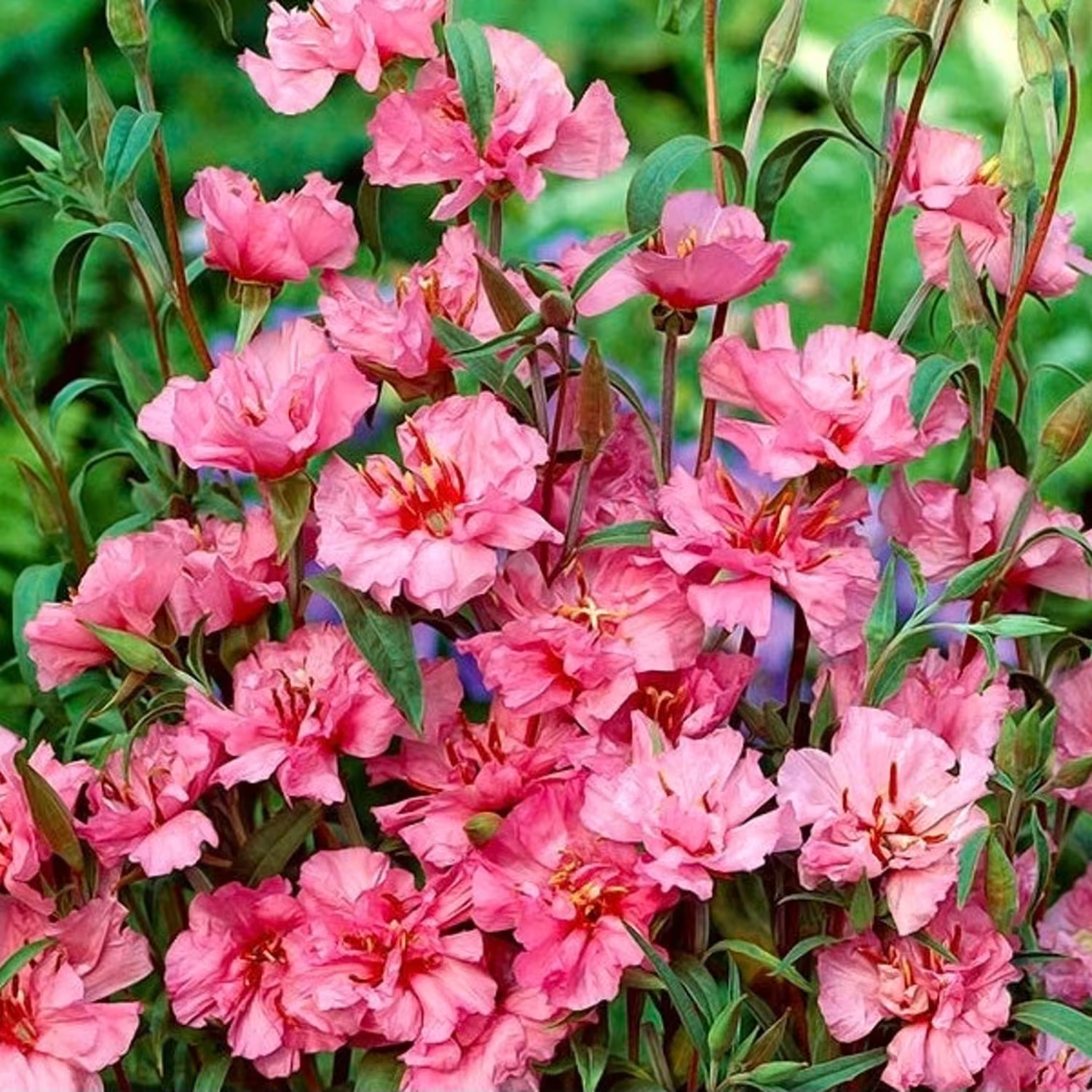
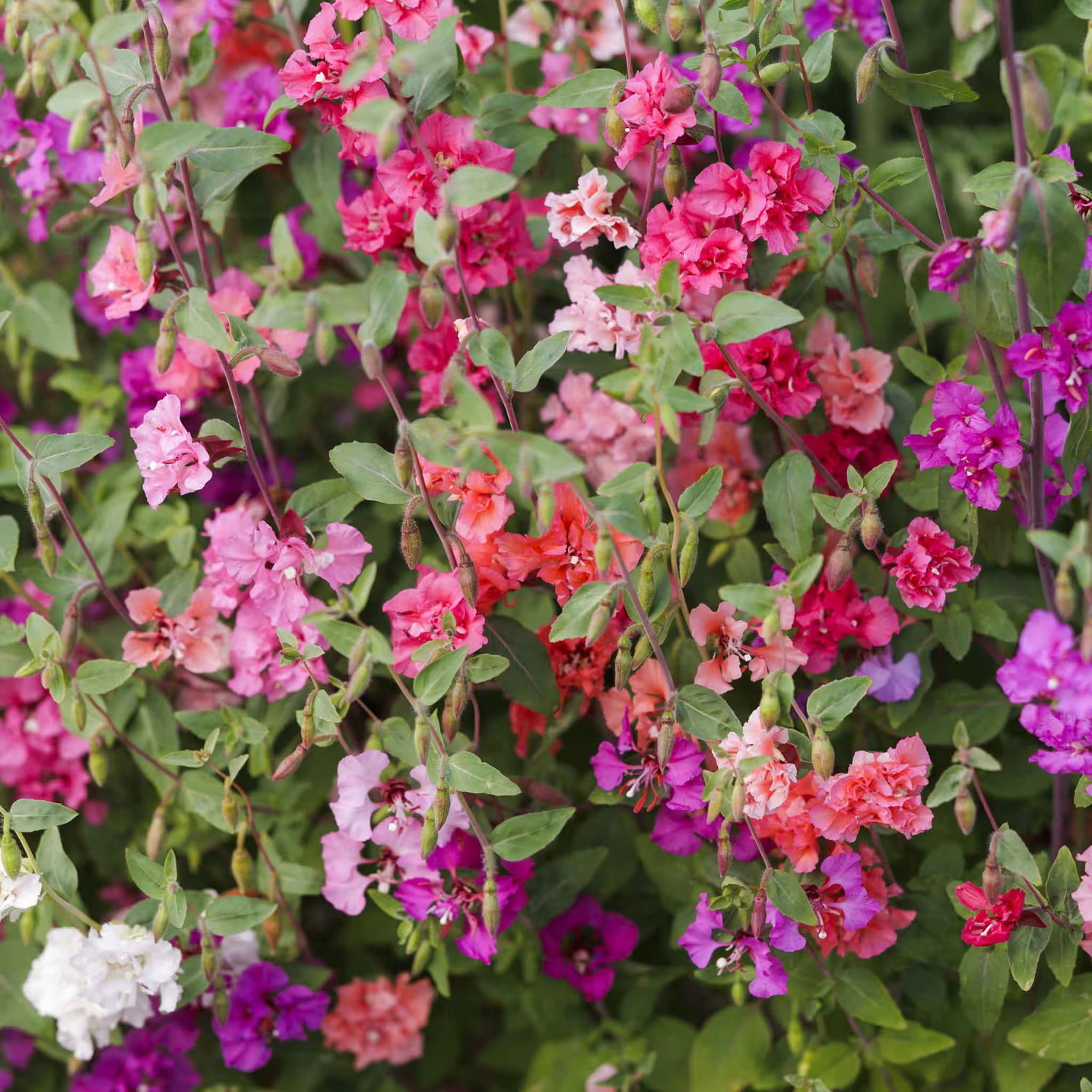
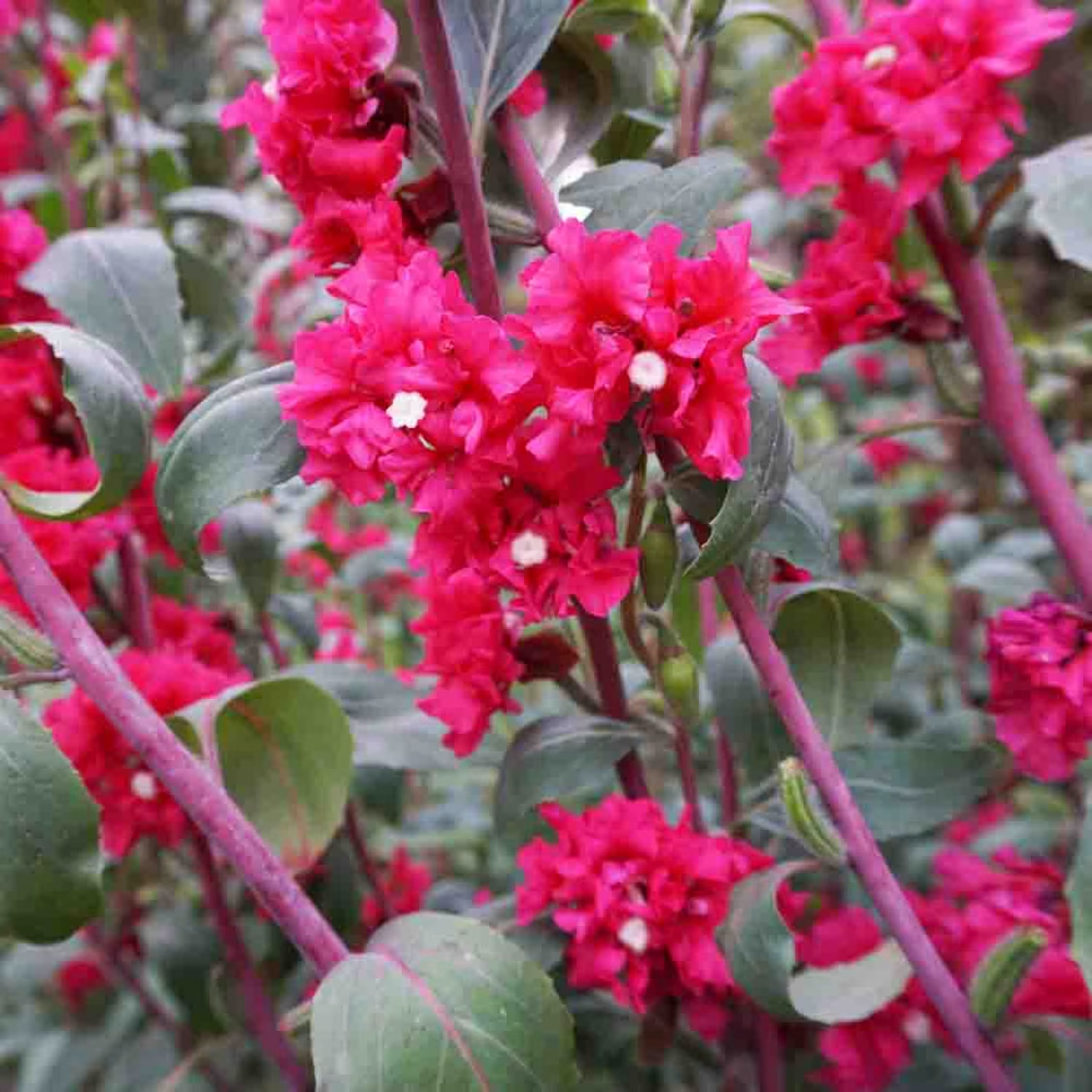
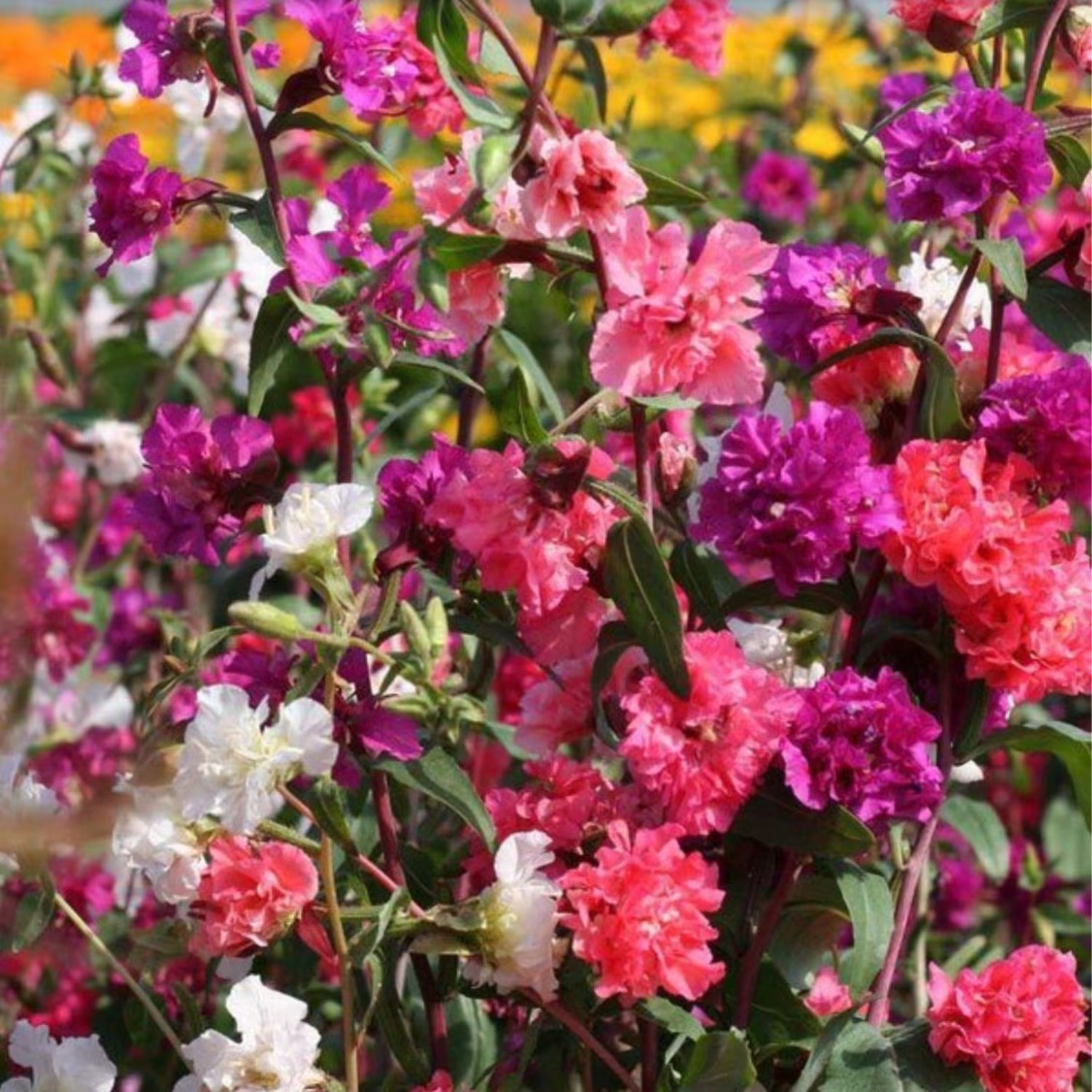
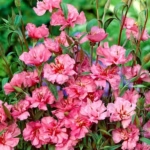
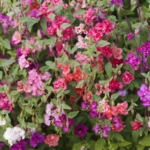
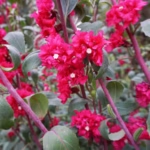
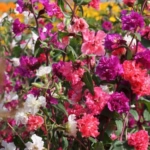
Clarkia, commonly known as Godetia or Satin Flower in reference to Clarkia amoena, is admired for its elegant flowers and graceful growth habit. Depending on the variety in the seed mix, blooms may include shades of pink, rose, red, salmon, purple and white. The mixed-colour appearance adds variety and visual interest to a garden without requiring separate packets of individual flower colours.
Whether you are an experienced gardener or a beginner exploring the joy of growing flowers from seeds, Clarkia Mix Color Flower Seeds can be a rewarding addition to your gardening collection. With suitable weather, well-drained soil, careful watering and the right amount of sunlight, you can nurture healthy plants and enjoy attractive seasonal blooms.
Why Choose Clarkia Mix Color Flower Seeds?
Clarkia is a wonderful option for anyone who enjoys colourful flowering plants and wants to create an attractive garden with relatively straightforward care. Its graceful stems and charming flowers look beautiful when planted in groups, along pathways or in dedicated flower beds.
1. Beautiful Mixed Colours
One of the biggest attractions of Clarkia Mix Color Flower Seeds is the variety of colours that can appear in your garden. Depending on the supplied seed variety, you may enjoy pink, red, salmon, purple and white flowers. Planting a mixed-colour selection creates a lively display and adds depth to your landscape.
2. Suitable for Home Gardens
Clarkia can be grown in suitable garden beds, borders and containers that provide adequate depth and drainage. It is a lovely option for home gardeners who want to create a colourful outdoor space without planting large ornamental shrubs or permanent flowering plants.
3. Attractive Cut Flowers
Clarkia is also valued as a cut flower. Its delicate blooms and slender stems can be used in small bouquets, table arrangements and simple floral displays. For longer-lasting cut flowers, harvest stems when the first flowers begin opening and place them in a clean vase filled with fresh water.
4. A Lovely Choice for Seasonal Gardening
Clarkia generally performs best in cool or mild growing conditions. With appropriate sowing time and care, it can provide a beautiful seasonal display in gardens where temperatures remain favourable during plant development and flowering.
5. Enjoy the Gardening Experience
Growing flowers from seeds lets you observe the entire process, from germination and seedling development to budding and flowering. Clarkia is a useful choice for gardeners who enjoy planning seasonal flower beds and learning practical plant-care techniques.
Clarkia Mix Color Flower Seeds: Product Information
- Common name: Clarkia, Godetia or Satin Flower (depending on species)
- Botanical name: Clarkia; commonly Clarkia amoena for Godetia-type plants
- Plant type: Ornamental flowering annual, depending on the species supplied
- Flower colours: Mixed shades; exact colours depend on the seed variety
- Best growing conditions: Cool to mild weather
- Sunlight: Full sun in mild weather; partial afternoon shade in hot climates
- Soil: Loose, fertile to moderately fertile, well-drained soil
- Watering: Moderate and consistent; avoid waterlogging
- Germination time: Approximately 7–14 days under suitable conditions
- Approximate flowering time: Around 10–13 weeks after sowing, depending on variety and growing conditions
- Uses: Flower beds, borders, suitable containers and cut-flower arrangements
These timings are general growing estimates, not guarantees. Actual performance depends on the Clarkia species, seed quality, temperature, moisture, sunlight and local climate.
1. How to Germinate Clarkia Mix Color Flower Seeds
Successful germination is the first step towards growing healthy Clarkia plants. The seeds need suitable moisture, good air circulation and a growing medium that allows excess water to drain away.
Step 1: Choose the Right Sowing Time
Clarkia is generally a cool-season flower. In many Indian regions, sowing during the cooler months is preferable, particularly where winter temperatures are mild. In warmer regions, select a season when temperatures are lower and extreme heat is less likely during flowering.
Avoid starting the seeds during periods of intense heat, as excessive temperatures can reduce seedling quality and flowering performance.
Step 2: Prepare the Soil or Seed Tray
Use a loose, fine-textured seed-starting medium with good drainage. A suitable mixture can include cocopeat, mature compost in a modest quantity and a clean, well-draining soil or potting mix.
Fill a seed tray, nursery pot or prepared garden bed with the medium. Break up large clumps and remove stones, weeds and plant debris. The soil should be moist but not saturated before sowing.
Step 3: Sow the Seeds Shallowly
Spread the Clarkia seeds evenly over the prepared soil. Press them gently into the surface and cover them with only a very thin layer of fine growing medium. Many Clarkia varieties germinate best when seeds are sown at or near the surface, so avoid burying them deeply.
If sowing directly into a garden bed, choose the final planting location carefully. Clarkia may be sensitive to root disturbance, making direct sowing a useful option.
Step 4: Water Gently
Use a fine rose watering can or a gentle spray to moisten the soil without washing the seeds away. Keep the seedbed evenly moist throughout germination, but do not allow water to collect around the seeds.
Excessively wet conditions can encourage seedling diseases, including damping-off.
Step 5: Provide Suitable Light and Temperature
Place seed trays in a bright location with good ventilation. Maintain cool to mild growing conditions where possible. Avoid placing the tray in harsh afternoon sunlight if it causes the soil to overheat or dry out quickly.
Step 6: Wait for Germination
Under favourable conditions, Clarkia seeds may germinate in approximately 7–14 days. Some seeds may take longer depending on the variety and environment.
Once seedlings emerge, provide adequate light and avoid overcrowding. If several seedlings grow too close together, thin them carefully to give the remaining plants enough space.
Step 7: Establish the Seedlings
Allow the young plants to develop a healthy root system before increasing watering or feeding. If you started the seeds in a tray, transplant them gently when necessary, disturbing the roots as little as possible. Direct sowing into the final bed can reduce transplant stress.
For best results, keep seedlings well ventilated and protect them from excessive heat and persistent moisture.
2. Sunlight Requirements for Healthy Growth and Flowering
Sunlight plays an important role in the development of Clarkia plants, supporting healthy foliage, stronger stems and flower formation.
How Much Sunlight Does Clarkia Need?
Clarkia generally prefers a sunny location or a position receiving several hours of direct sunlight each day. In mild weather, a bright, open garden bed can support good growth and flowering.
However, Clarkia is not an ideal choice for every hot-weather location. In regions experiencing intense afternoon heat, partial shade during the hottest hours can help reduce heat stress and excessive moisture loss.
Best Location for Clarkia Plants
Choose a place that receives morning sunlight and has good air circulation. A location with gentle afternoon shade may be helpful in warmer parts of India.
Avoid deeply shaded areas where plants receive very little direct light. Insufficient light can contribute to weak stems, stretched growth and reduced flowering.
Tips for Better Foliage and More Flowers
- Provide adequate sunlight without exposing young seedlings to sudden, intense heat.
- Maintain sufficient spacing between plants.
- Avoid excessive nitrogen fertiliser, which may encourage leafy growth at the expense of flowers.
- Keep the growing area free from weeds that compete for light and nutrients.
- Protect plants from prolonged heat and humidity where practical.
A suitable balance of sunlight, moderate fertility and good airflow will help your Clarkia plants develop a healthy structure and produce an attractive seasonal display.
3. Soil and Fertiliser Requirements for Best Foliage and Flowering
Soil quality has a major influence on root development, water management and the overall performance of Clarkia Mix Color Flower Seeds.
Best Soil for Clarkia
Clarkia generally grows well in loose, well-drained soil. A light loam or sandy-loam mixture is a good choice because it retains some moisture while allowing excess water to drain away.
The soil should not become compacted or remain waterlogged after watering. Poor drainage can damage roots and increase the risk of stem rot and other moisture-related diseases.
For container gardening, choose a pot with drainage holes and use a quality potting medium that remains airy after watering.
How to Prepare the Soil
Before sowing, loosen the soil and remove weeds, stones and old plant debris. If the soil is heavy, improve its structure with suitable organic matter and a drainage-improving component.
Use well-decomposed compost sparingly if the existing soil is poor. Clarkia does not necessarily require a heavily enriched growing medium; excessive fertility can encourage lush foliage and weaker flowering.
Which Fertiliser Is Best for Clarkia?
Clarkia usually performs well in soil with low to moderate fertility. Start by assessing the quality of your soil or potting mix instead of automatically applying large amounts of fertiliser.
If the growing medium is reasonably fertile, additional feeding may not be necessary. In nutrient-poor soil, a modest application of a balanced, slow-release fertiliser according to its label may help support establishment.
Avoid excessive nitrogen-rich fertilisers. Too much nitrogen can promote soft, leafy growth, encourage plants to become tall or weak, and reduce flowering.
Organic Fertiliser Recommendations
For gardeners who prefer organic gardening, a small quantity of mature compost can help improve soil structure. Avoid fresh manure or excessive organic fertiliser around the seedlings.
Do not apply fertiliser directly onto young leaves or concentrated around delicate roots. Follow the product label and water appropriately after application when instructed.
How to Encourage More Flowers
The best approach is to maintain moderate soil fertility, good drainage and consistent moisture. Remove weeds regularly, provide adequate light and avoid excessive feeding.
Remember that healthy foliage does not always mean abundant flowering. For Clarkia, balanced growth is more useful than trying to maximise leaf size with heavy fertilisation.
4. Water Requirements for Clarkia Mix Color Flower Seeds
Water is particularly important during germination, early seedling development and the formation of flower buds. The objective is to maintain consistent moisture without creating waterlogged conditions.
Watering During Germination
After sowing, gently moisten the soil and keep the surface from drying out while the seeds are germinating. Because the seeds are sown shallowly, the top layer of soil can dry quickly in warm or windy weather.
Check the seedbed regularly and water lightly whenever needed. Avoid strong water jets that may displace the seeds.
Watering Young Seedlings
Young Clarkia plants need careful watering because their root systems are still developing. Water when the upper layer of the medium begins to dry, adjusting the frequency according to temperature, pot size and drainage.
Waterlogging should be avoided, especially in crowded seed trays where poor airflow can encourage damping-off.
Watering Established Plants
Once the plants are established, water when the soil begins to dry rather than following a rigid daily schedule. During dry weather and active flowering, plants may need more frequent watering.
Containers generally dry out faster than garden beds. Check the soil moisture before watering, particularly during cooler or cloudy weather.
Common Watering Mistakes to Avoid
- Keeping the soil continuously saturated.
- Allowing the seedbed to dry completely during germination.
- Watering every day without checking the soil.
- Using pots without drainage holes.
- Wetting dense foliage late in the day when ventilation is poor.
Watering at the base of the plant can help keep leaves drier. Good drainage and appropriate watering are essential for preventing root problems and supporting healthy flower production.
5. Pest Control and Disease Prevention
Clarkia is generally not considered a highly troublesome garden flower, but pests and diseases may appear when plants experience stress or growing conditions are unsuitable.
Regular inspection and early action are the best ways to protect your plants without unnecessary chemical applications.
Common Pests to Watch For
Aphids: These small insects often gather on tender shoots and flower buds. They feed on plant sap and may cause curled leaves, distorted growth and sticky deposits.
Thrips: Thrips may damage petals and young foliage, producing pale streaks, silvery patches or distorted flowers.
Spider mites: These tiny pests can become troublesome during hot, dry weather. Look for fine webbing, stippled leaves and gradual loss of leaf colour.
Slugs and snails: In damp garden conditions, these pests may feed on seedlings and leave irregular holes in leaves.
Practical Pest-Control Methods
- Inspect the undersides of leaves, tender shoots and flower buds regularly.
- Remove badly infested plant parts where practical.
- Dislodge small aphid populations with a gentle stream of water.
- Remove weeds and plant debris that may shelter pests.
- Maintain good spacing and ventilation to reduce prolonged humidity around foliage.
- Use insecticidal soap or another suitable garden product only when needed, following its label and testing a small area first.
- Avoid spraying open flowers when pollinators are active. Never use a pesticide in a way that conflicts with its label or local regulations.
For persistent infestations, identify the pest before choosing a treatment. Broad-spectrum insecticides may harm beneficial insects and should not be the first response to a minor pest problem.
Common Diseases
Damping-off: Seedlings may collapse near the soil line, often in overly wet or poorly ventilated conditions. Use clean containers, a suitable seed-starting medium and careful watering.
Stem rot and root rot: Persistent waterlogging and poor drainage can damage roots and stems. Improve drainage and remove severely affected plants.
Fungal leaf problems: Prolonged leaf wetness and poor airflow can encourage certain fungal diseases. Water near the soil and avoid overcrowding.
Healthy growing conditions, clean equipment and careful watering are usually the most useful preventive measures.
6. When to Sow Clarkia Seeds in India
Clarkia generally prefers cool to mild weather, so the best sowing period depends on your local climate.
In many parts of India, October to December can be a useful starting window for sowing in regions with a cool winter, with flowering often following during the cooler season. In some northern or higher-altitude areas, the timing may need adjustment. In warmer coastal and tropical regions, avoid periods when daytime heat remains intense and choose the coolest suitable growing window.
These are general recommendations rather than universal dates. Check local temperatures and the specific variety supplied before sowing.
Clarkia Growing Timeline
- Sowing time: Generally during a cool or mild growing period; often October–December in many Indian regions.
- Germination time: Approximately 7–14 days under favourable conditions.
- Seedling establishment: Several weeks, depending on temperature and growing conditions.
- First flowering: Often around 10–13 weeks after sowing, although some varieties may take longer.
- Flower harvest time: Cut stems when the first flowers begin to open, with additional buds showing colour.
Clarkia is an ornamental flower, so the harvest usually means cutting flowers for bouquets or collecting mature seeds for future sowing, rather than harvesting an edible crop.
7. Growing Clarkia in Pots, Containers and Garden Beds
Clarkia Mix Color Flower Seeds can be used in different garden settings, provided the plants receive suitable light, moisture and drainage.
Growing Clarkia in Pots
Choose a container with adequate depth and drainage holes. Fill it with a loose potting mix, sow the seeds shallowly and keep the medium lightly moist during germination.
Avoid overcrowding the container. The appropriate final spacing depends on the variety and its mature size, but approximately 15–25 cm between plants is a useful general starting range for many Clarkia types.
Growing Clarkia in Garden Beds
Prepare a weed-free bed with loose, well-drained soil. Sow the seeds directly into the final location if practical, then thin the seedlings as they grow.
Group planting can create a fuller visual effect, while rows may be more convenient for cutting flowers. Leave enough space for airflow and access during watering and maintenance.
Growing Clarkia for Cut Flowers
If your goal is to enjoy Clarkia in bouquets, choose a location with good light and healthy, well-drained soil. Some taller varieties may need light support, especially in windy locations.
Harvest stems when the first flower on a stem begins to open. Place cut stems in clean water promptly and remove leaves that would sit below the waterline.
8. How to Maintain Healthy Clarkia Plants
A few simple habits can help you get more from your Clarkia Mix Color Flower Seeds.
- Sow at the right time for your local climate.
- Keep seeds shallow and moist during germination.
- Provide sufficient sunlight and good air circulation.
- Avoid excessive fertiliser, especially nitrogen.
- Water according to soil moisture and weather conditions.
- Thin crowded seedlings to improve airflow.
- Check plants regularly for insects and disease symptoms.
- Remove faded flowers if you want to keep the display tidy; leave selected flowers to mature if you want to collect seeds.
No single growing method guarantees a particular flower count or colour distribution. Results depend on the seed variety, environment and care provided.
9. Frequently Asked Questions About Clarkia Mix Color Flower Seeds
Q1. How long do Clarkia seeds take to germinate?
Clarkia seeds typically germinate in around 7–14 days under favourable conditions. Cool to mild temperatures, shallow sowing, consistent moisture and a well-drained growing medium help create suitable conditions. Germination may take longer if the soil becomes too dry, too wet or excessively hot.
Q2. What is the best month to sow Clarkia seeds in India?
In many regions with a cool winter, October to December can be a suitable starting period. However, local climate makes a difference. Choose a season with mild temperatures, and avoid sowing when prolonged heat is likely to affect the seedlings and flowers.
Q3. Can I grow Clarkia in pots at home?
Yes. Clarkia can be grown in suitable pots and containers with drainage holes. Use a loose, well-drained potting mix and place the container in a sunny or bright location. In very hot weather, some afternoon shade may help. Avoid overcrowding and excessive watering.
Q4. How much sunlight does Clarkia need?
Clarkia generally grows best in full sun or a mostly sunny position. In hot climates, light afternoon shade can reduce heat stress. Plants grown in deep shade may become weak or produce fewer flowers, so choose a bright location with good airflow.
Q5. How long does Clarkia take to flower after sowing?
Many Clarkia varieties begin flowering approximately 10–13 weeks after sowing under favourable conditions. Actual flowering time varies with the species, temperature, sunlight, soil moisture and care. Excessive heat or overly rich soil may affect plant quality and flowering.
10. Final Words: Bring Colour to Your Garden with Clarkia Mix Color Flower Seeds
If you enjoy colourful seasonal flowers, Clarkia Mix Color Flower Seeds are a lovely option to consider for your home garden. Their graceful growth habit, delicate petals and varied flower colours can bring charm to garden beds, borders, suitable containers and cut-flower arrangements.
The key to successful Clarkia cultivation is to work with the plant’s preference for cool to mild weather, provide well-drained soil, water consistently without overwatering, and avoid excessive fertiliser. Give the seedlings a good start, provide suitable sunlight and inspect the plants regularly as they grow.
Whether you are creating a colourful flower bed, adding seasonal interest to your outdoor space or growing flowers for simple home bouquets, Clarkia can be a rewarding choice when grown under appropriate conditions.
Order Clarkia Mix Color Flower Seeds for your next gardening project and enjoy the experience of growing your own seasonal flowers from seed. Prepare your soil, choose the right sowing season for your region and follow the growing instructions to give your plants the best possible start.
Reviews
There are no reviews yet