
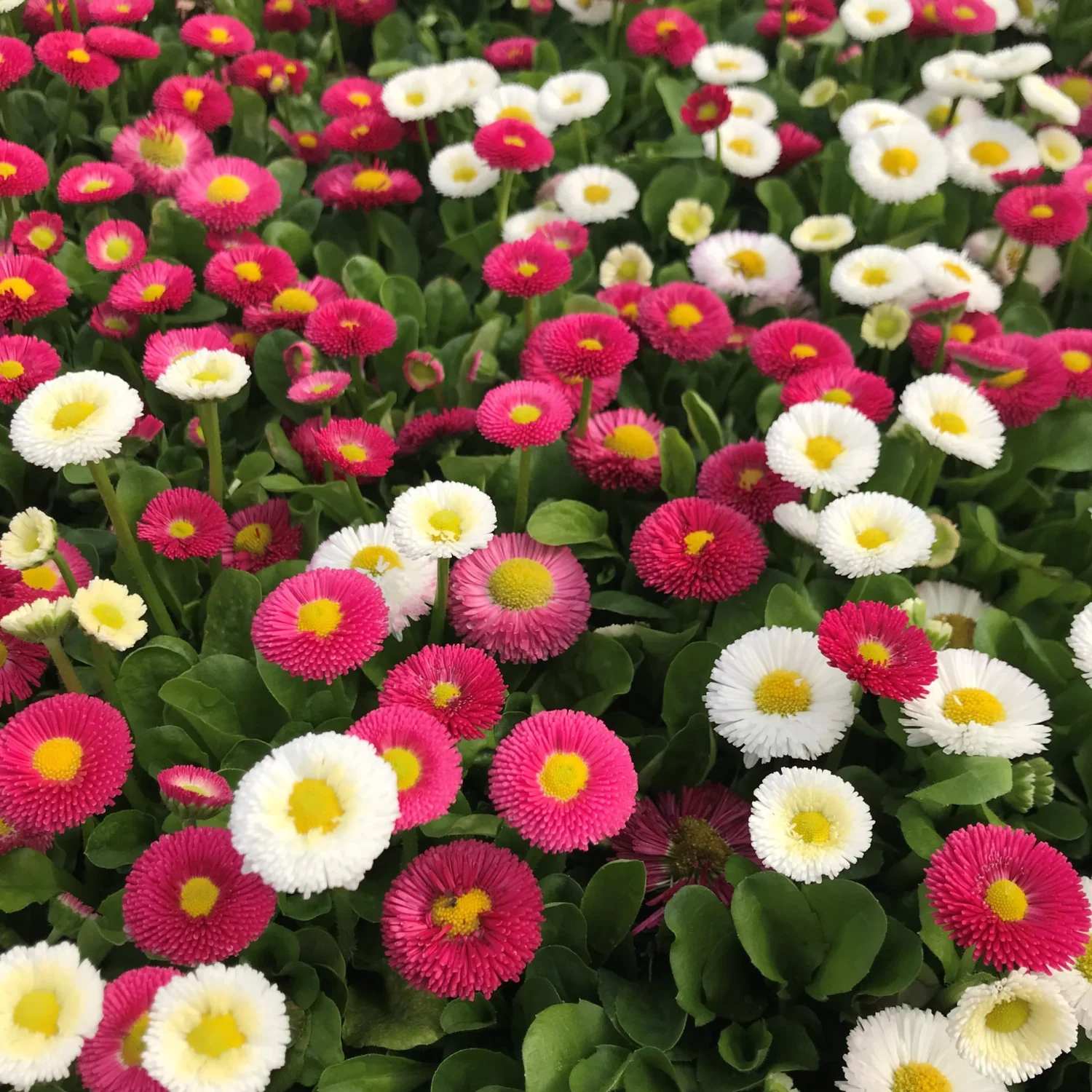
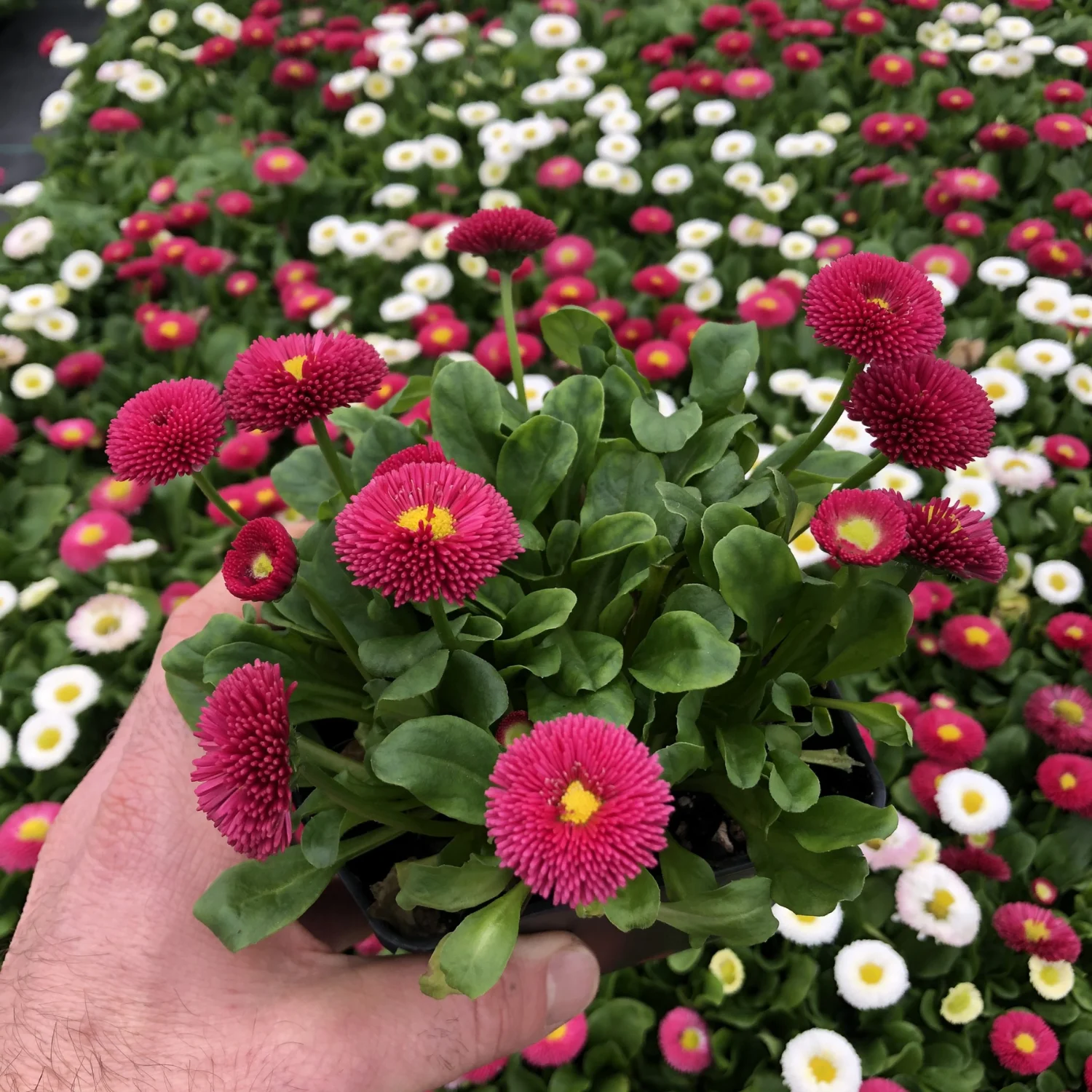
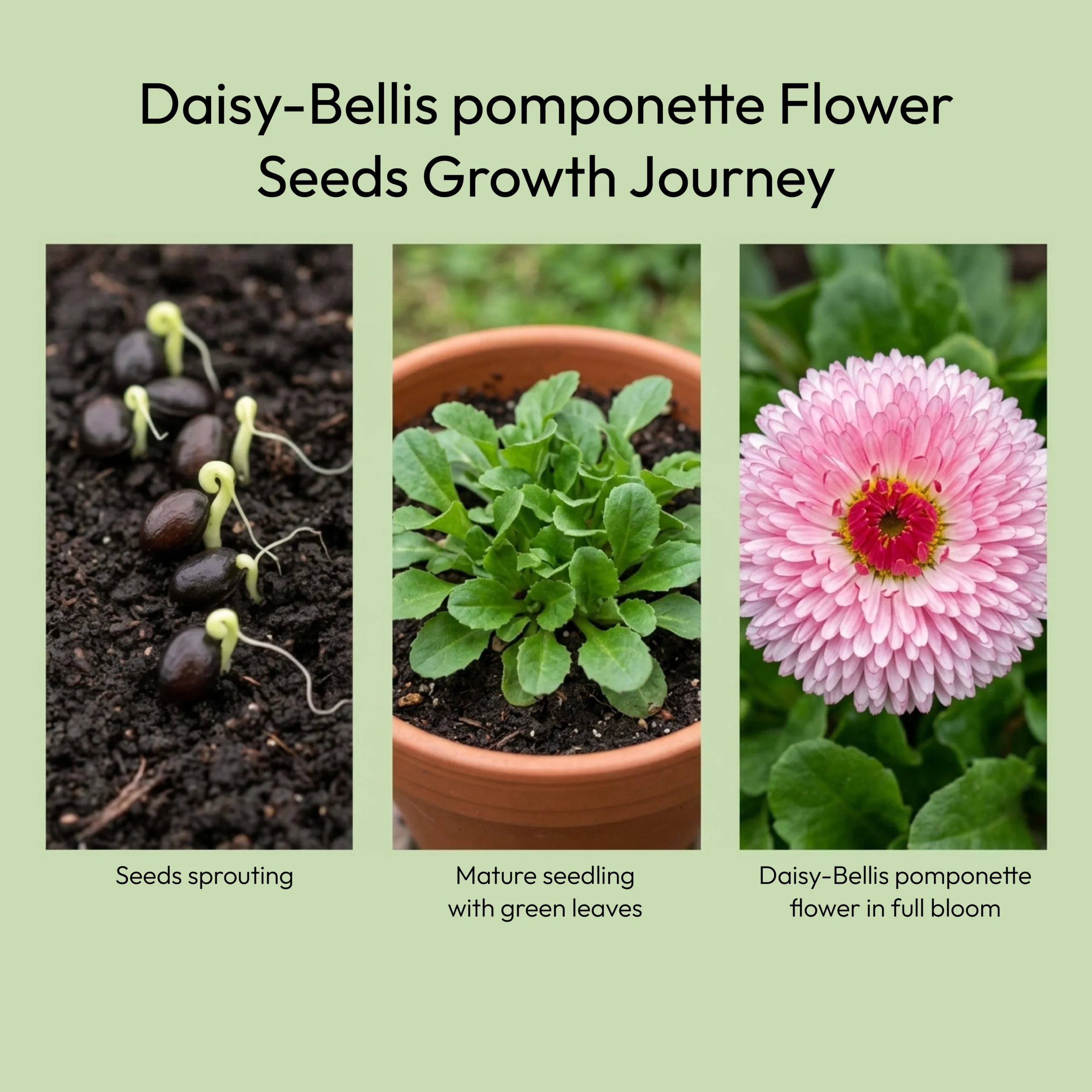
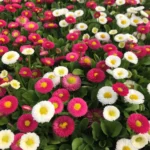
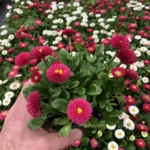
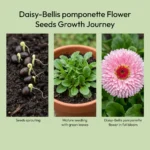
Bring a touch of elegance and timeless beauty to your garden with Daisy Bellis Pomponette Mix Flower Seeds. Known botanically as Bellis perennis, this delightful flowering plant produces unique pom-pom shaped blooms in stunning shades of pink, red, rose, and white. The compact plants create a colorful carpet of flowers, making them perfect for flower beds, borders, containers, hanging baskets, rock gardens, and landscaping projects.
Bellis Pomponette Daisy is one of the most loved cool-season flowering plants due to its compact growth habit, long blooming period, and eye-catching double flowers. These charming blooms resemble miniature buttons or pom-poms and are excellent for creating attractive floral displays in both home gardens and commercial landscapes.
Whether you are a beginner gardener or an experienced flower enthusiast, Daisy Bellis Pomponette Mix is easy to grow and rewards you with abundant flowers throughout the blooming season. The plant thrives in cool climates and performs exceptionally well during spring and mild winter conditions.
Quick Growing Information
| Particular | Details |
|---|---|
| Botanical Name | Bellis perennis |
| Common Name | English Daisy, Pomponette Daisy |
| Plant Type | Perennial (often grown as annual/biennial) |
| Flower Colors | Pink, Red, Rose, White |
| Germination Time | 7–14 Days |
| Sowing Season | September–January (cool season) |
| Blooming Time | 90–120 Days After Sowing |
| Plant Height | 10–15 cm |
| Sunlight Requirement | Full Sun to Partial Shade |
| Water Requirement | Moderate |
| Difficulty Level | Easy |
Germination commonly occurs within 7–14 days under suitable conditions.
Why Choose Daisy Bellis Pomponette Mix?
Why Choose Daisy Bellis Pomponette Mix?
- Attractive Pom-Pom Flowers: Unlike ordinary daisies, Pomponette varieties produce fully double flowers that resemble colorful pom-poms.
- Ideal for Containers: Their compact growth makes them suitable for balconies, terraces, patios, and small gardens.
- Long Blooming Season: With proper care and regular deadheading, plants continue blooming for several months.
- Excellent Border Plant: The low-growing habit creates beautiful edging around flower beds and pathways.
- Pollinator Friendly: The flowers attract beneficial insects and pollinators that support a healthy garden ecosystem.
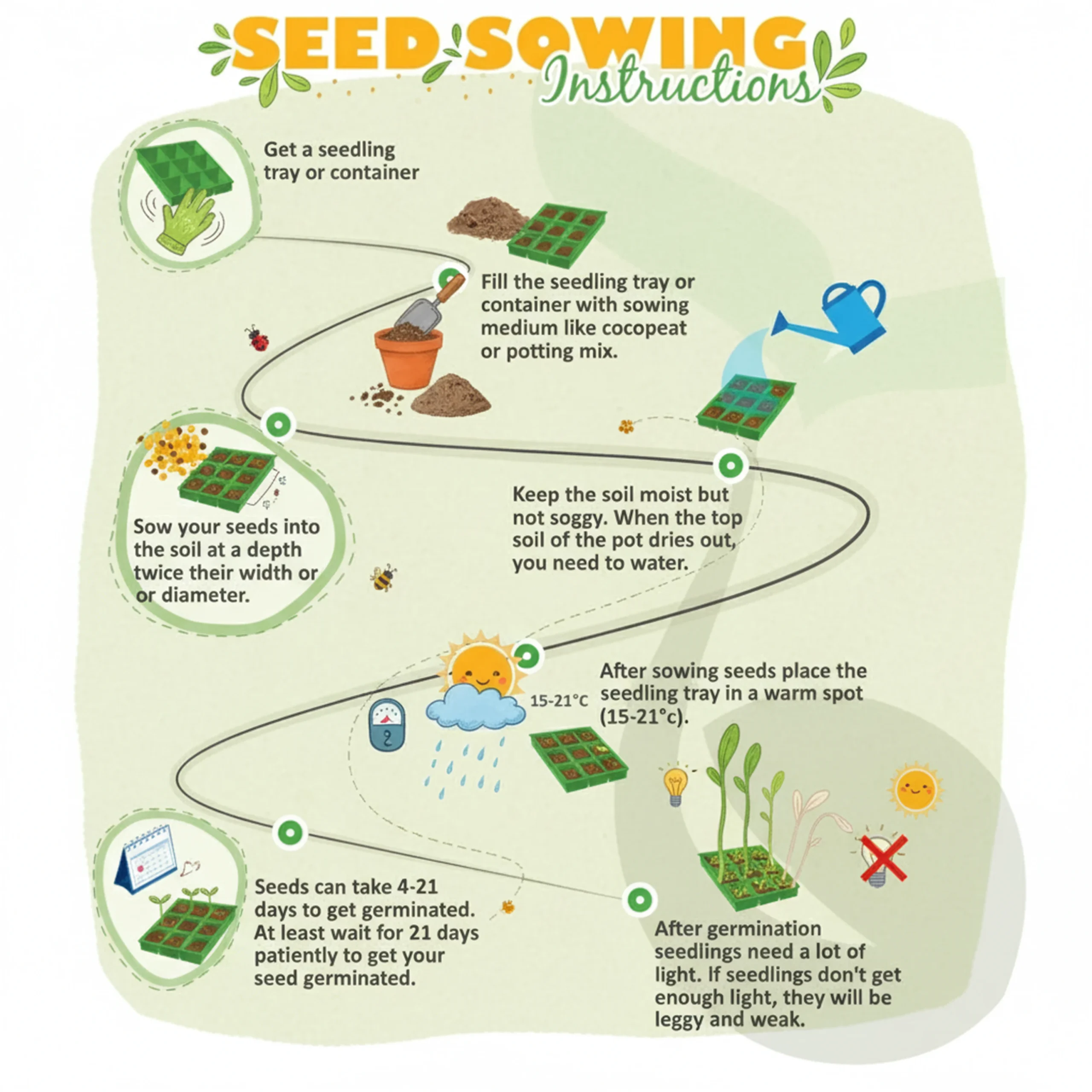
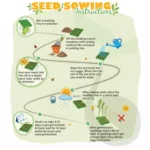
Germination Process of Daisy Bellis Pomponette Mix Seeds
- Step 1: Prepare Seedling Tray: Fill a seed tray or small pots with a light and well-drained seed-starting mix. Ideal mixture:
- 40% Cocopeat
- 30% Vermicompost
- 30% Garden Soil
- Step 2: Sow the Seeds: Scatter seeds evenly on the surface.
- Do not bury the seeds deeply because Bellis seeds require light for germination. Simply press them gently into the growing medium.
- Step 3: Maintain Moisture: Use a spray bottle to keep the soil evenly moist.
- Avoid:
- Waterlogging
- Excessive drying
- Avoid:
- Step 4: Provide Suitable Temperature: Ideal germination temperature:
- 18°C to 22°C
- Seeds usually sprout within:
- 7–14 days
- Sometimes up to 25 days depending on weather conditions.
- Step 5: Transplanting: When seedlings develop:
- 3–4 true leaves
- Transplant them carefully into pots or garden beds.
- Recommended spacing:
- 15–20 cm between plants.
Sunlight Requirement
Proper sunlight plays a major role in flower production. Bellis Pomponette Daisy grows best under:
- Full Sun: 4–6 hours of direct sunlight daily
- Partial Shade: Especially beneficial in warmer regions
- In Indian conditions, morning sunlight with afternoon shade produces the healthiest plants and longest flowering period. Excessive summer heat may reduce flowering performance because Bellis prefers cool growing conditions.
Best Soil and Fertilizer Requirements
- Ideal Soil: Daisy Bellis Pomponette thrives in:
- Well-drained soil
- Rich organic matter
- Moist but not soggy conditions
- Suitable soil mix:
- 40% Garden Soil
- 30% Vermicompost
- 20% Cocopeat
- 10% Sand
- The soil should remain loose and airy to encourage healthy root growth. Bellis adapts well to sandy, loamy, and moderately fertile soils provided drainage is good.
Fertilizer Schedule for Best Foliage and Flowering
- During Planting mix:
- Vermicompost
- Well-rotted cow manure into the soil.
- Vegetative Stage: Every 15 days apply:
- Seaweed fertilizer
- Humic acid
- Organic liquid fertilizer
- This promotes lush green foliage.
- Flowering Stage: Apply:
- NPK 00:52:34
- Bone meal
- Banana peel compost
- Flower booster fertilizers
- every 15–20 days. Phosphorus-rich fertilizers encourage larger blooms and extended flowering.
Water Requirement
Water Requirement
Bellis Pomponette Daisy prefers consistent moisture.
- Winter: Water every 3–4 days
- Summer: Water Daily or as needed depending on temperature.
Important Tips
- Keep soil moist but not soggy.
- Avoid standing water around roots.
- Water early in the morning.
- Improve drainage in containers.
Plants perform best in evenly moist soil conditions.
Pest and Disease Control
Although Bellis Daisy is relatively easy to maintain and generally pest-resistant, occasional issues may occur.
Common Pests
- Aphids
- Symptoms:
- Curled leaves
- Sticky honeydew
- Control:
- Neem Oil Spray
- Insecticidal Soap
- Symptoms:
- Whiteflies
- Symptoms:
- Tiny white insects under leaves
- Yellowing foliage
- Control:
- Yellow sticky traps
- Neem-based insecticides
- Symptoms:
- Thrips
- Symptoms:
- Distorted flowers
- Silver streaks on leaves
- Control:
- Neem oil
- Spinosad-based sprays
- Symptoms:
Common Diseases
- Powdery Mildew
- Causes:
- Poor air circulation
- High humidity
- Control:
- Remove affected leaves
- Use sulfur-based fungicide
- Causes:
- Leaf Spot
- Symptoms:
- Brown or black spots
- Control:
- Copper fungicide
- Avoid overhead watering
- Symptoms:
- Root Rot
- Causes:
- Waterlogged soil
- Control:
- Improve drainage
- Reduce watering frequency
- Causes:
Landscaping and Garden Uses
Bellis Pomponette Mix is extremely versatile. Perfect for:
- Flower Borders
- Rock Gardens
- Container Gardening
- Window Boxes
- Terrace Gardens
- Cottage Gardens
- Pathway Edging
- Seasonal Flower Displays
Its compact size allows gardeners to create colorful floral carpets and decorative arrangements with ease.
Harvesting and Flowering Time
Harvesting and Flowering Time
- Flowering Begins Approximately: 90–120 days after sowing depending on growing conditions.
- Blooming Season:
- Late Winter
- Spring
- Early Summer
- Regular deadheading encourages continuous flower production throughout the season.
Best Sowing Time
Best Sowing Time
- Plains Region: September to January
- Mild Winter Areas: October to December
- Hills and Cooler Regions: Spring sowing can also be successful.
Final Words
Daisy Bellis Pomponette Mix Flower Seeds are an excellent choice for gardeners seeking compact plants with extraordinary pom-pom blooms. Their vibrant colors, easy maintenance, long flowering period, and suitability for pots, borders, and flower beds make them one of the most rewarding cool-season flowers to grow.
Whether you are designing a colorful balcony garden, enhancing landscape borders, or creating eye-catching container displays, Bellis Pomponette Mix delivers exceptional beauty with minimal effort. With proper sunlight, fertile well-drained soil, balanced nutrition, and regular watering, these charming English Daisies will reward you with a spectacular display of flowers throughout the blooming season.
Frequently Asked Questions (FAQs)
How long does Daisy Bellis Pomponette Mix take to germinate?
Under suitable moisture and temperature conditions, seeds usually germinate within 7–14 days, although some may take up to 25 days.
Can Bellis Pomponette Daisy be grown in pots?
Yes. Its compact growth habit makes it one of the best flowering plants for containers, balconies, and terrace gardens.
Does Bellis Daisy need full sunlight?
Daisy Bellis pomponette plant grows best in full sun to partial shade. In warmer regions, afternoon shade helps maintain healthy flowering.
How often should I water Daisy plants?
For Daisy Bellis pomponette plant keep the soil consistently moist but never waterlogged. Watering frequency depends on weather and soil conditions.
How can I get more flowers on my Daisy plants?
For maximum blooms in Daisy Bellis pomponette plant Provide adequate sunlight, Use phosphorus-rich fertilizers, Remove spent flowers regularly, Maintain consistent moisture.







Reviews
There are no reviews yet