
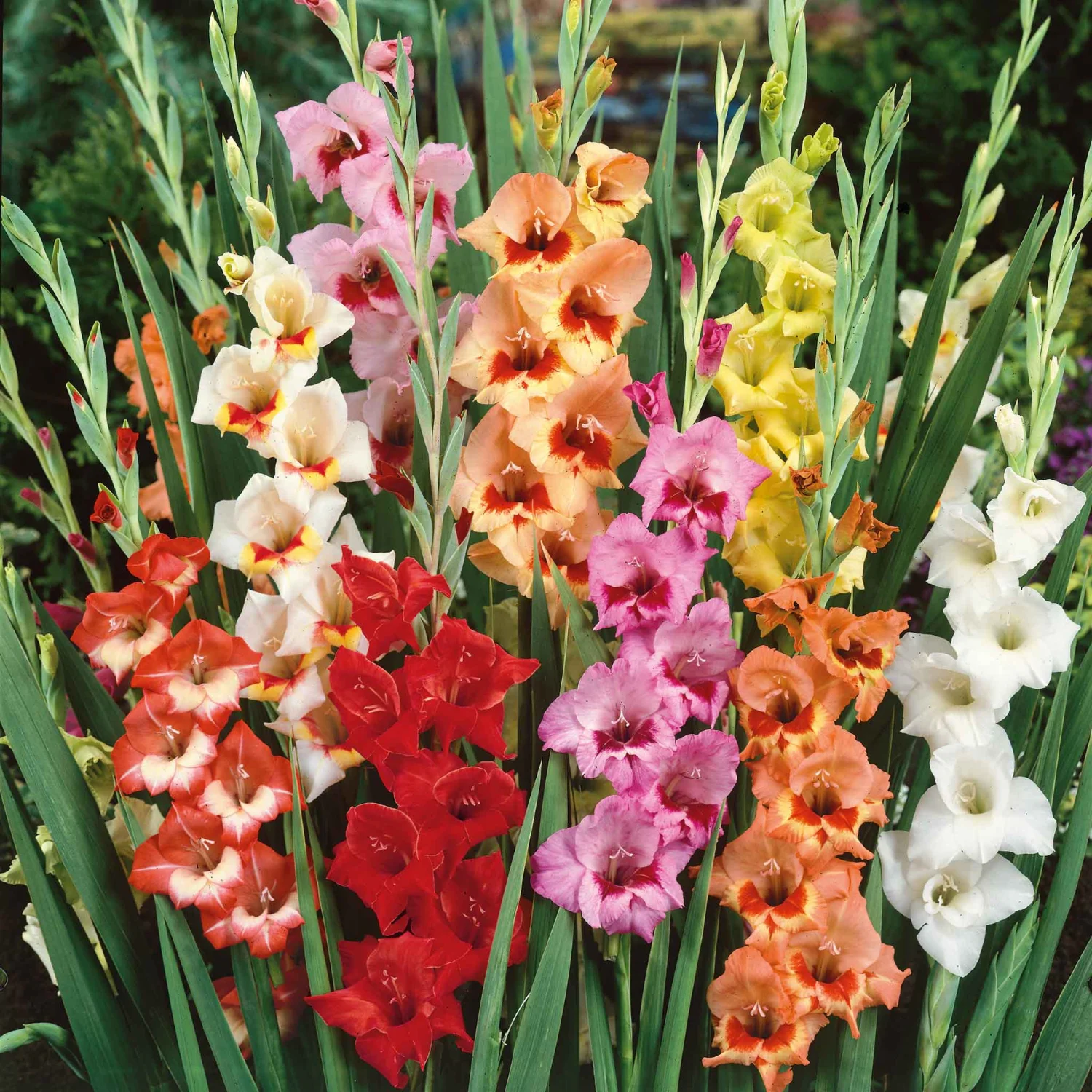
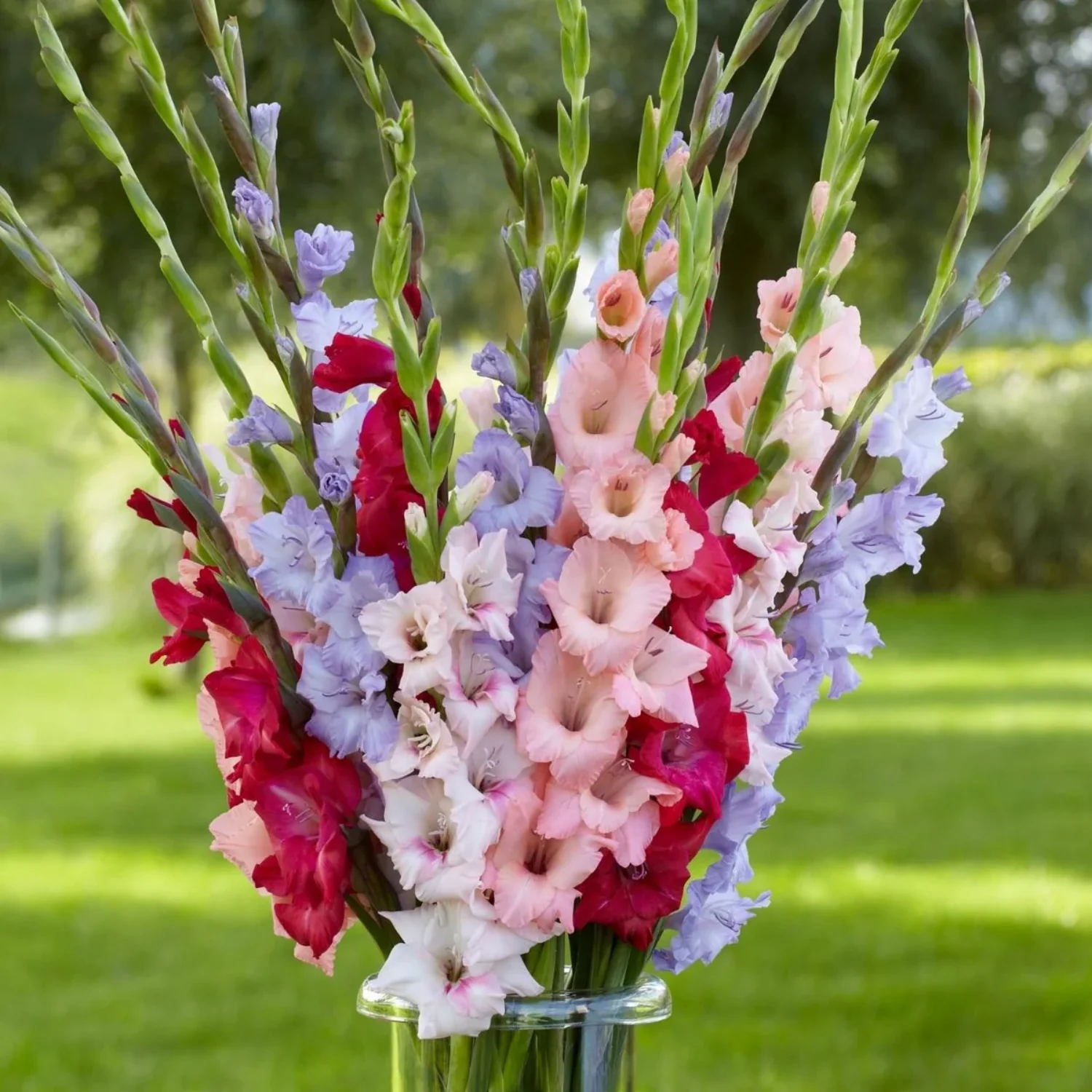
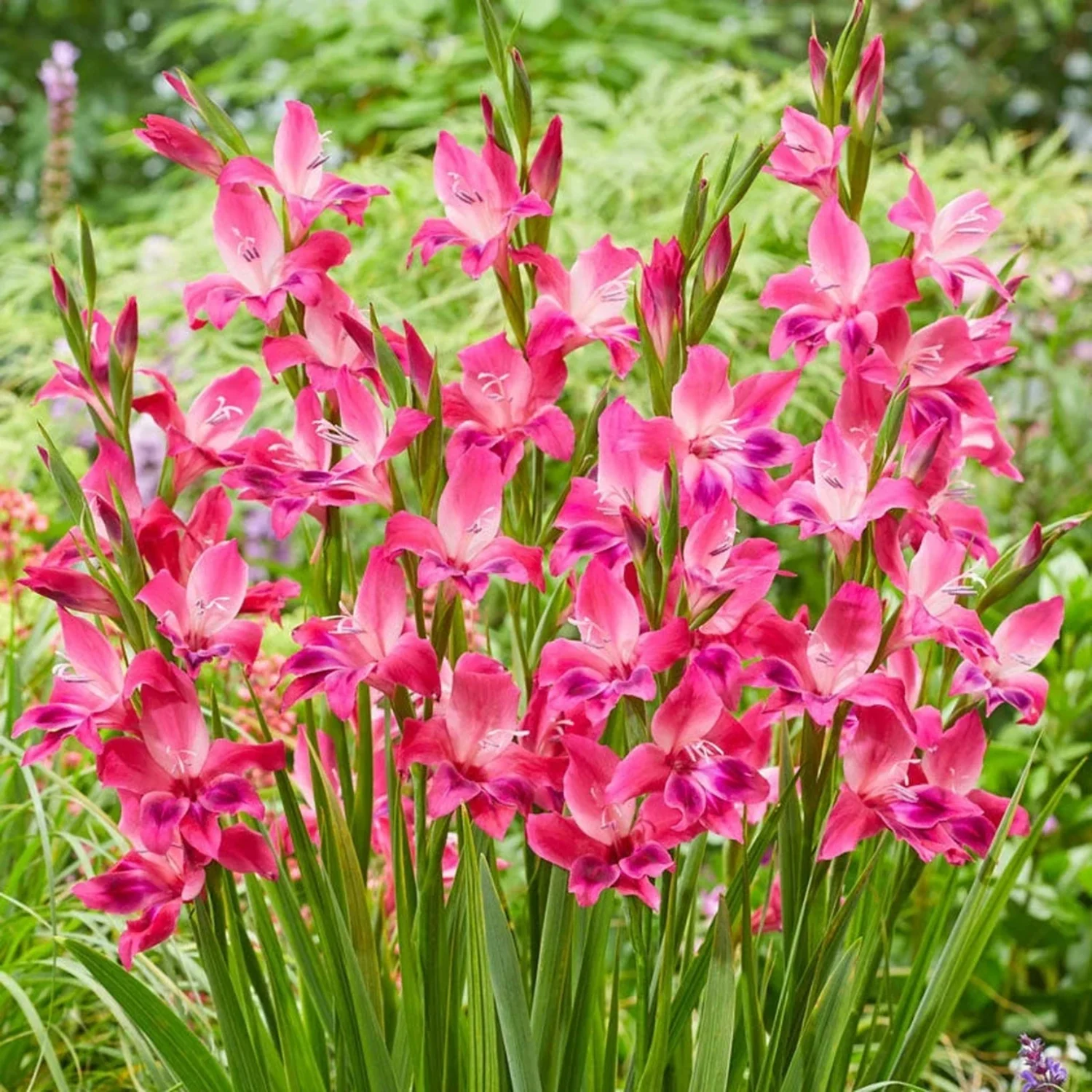
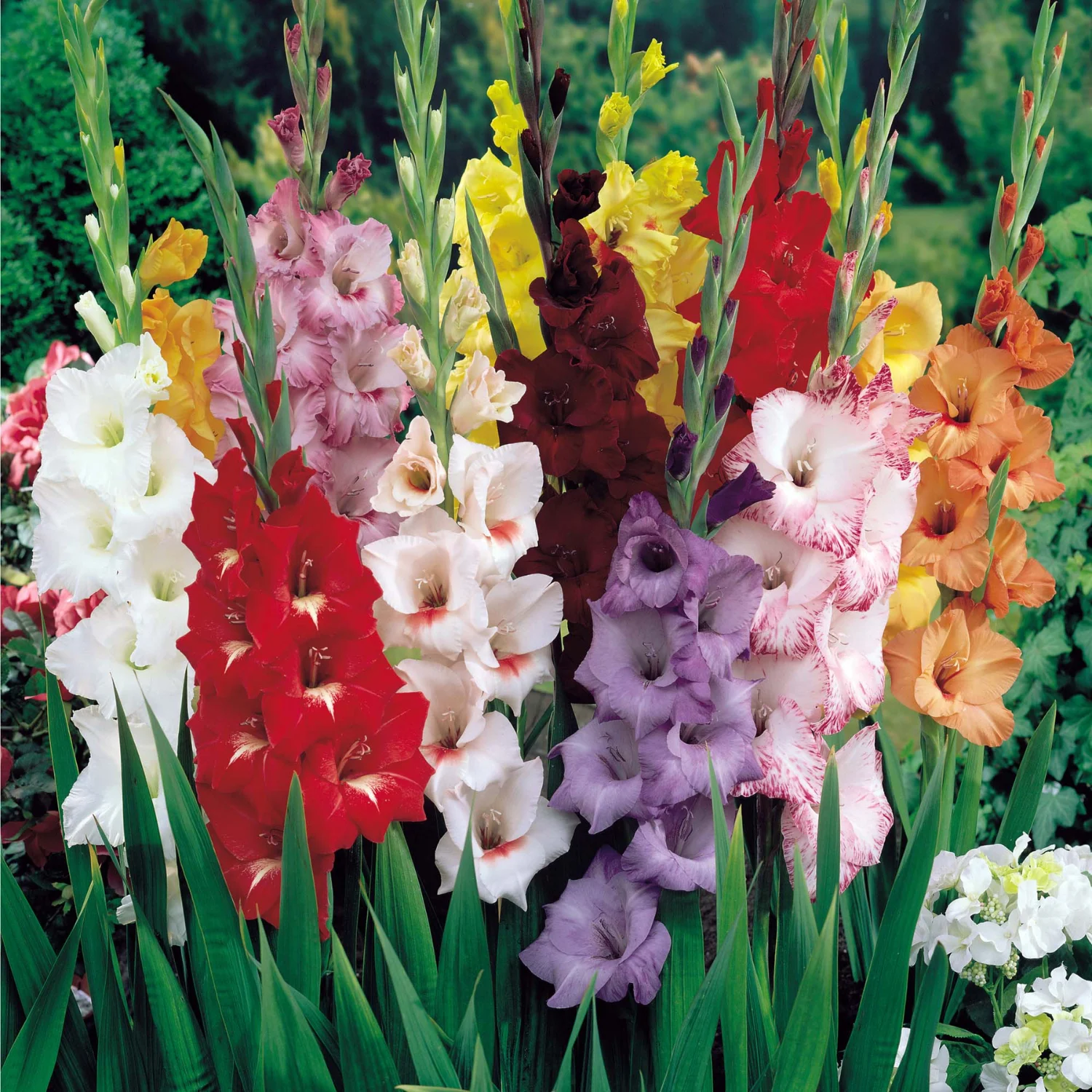
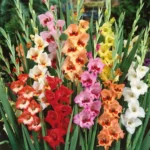
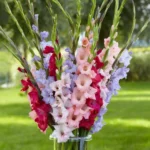
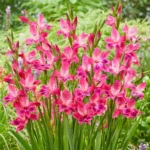
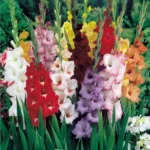


Bring vibrant colour, elegant flower spikes and a premium garden look to your home with Gladiolus Flower Bulbs. Also commonly called Gladiolus bulbs, these planting corms are an excellent choice for home gardens, balconies, terraces, pots, containers and flower beds. Gladiolus is popularly known as Sword Lily because of its distinctive sword-shaped foliage and tall, graceful flower spikes.
Gladiolus flowers are loved for their bright colours, impressive flower spikes and excellent use as cut flowers. Depending on the variety, flowers can appear in attractive shades such as pink, red, white, yellow, orange and purple. Gladiolus is also widely valued for bouquets, flower arrangements, home decoration and garden landscaping. ICAR notes that gladiolus is an important cut flower crop in India and is cultivated across several Indian states.
Whether you are an experienced gardener or starting your first flower garden, growing gladiolus from bulbs/corms is a rewarding gardening experience. With good-quality planting material, adequate sunlight, well-drained soil, regular watering and suitable nutrition, you can encourage strong foliage and beautiful flower spikes.
Why Buy Gladiolus Flower Bulbs?
Gladiolus is an excellent flowering plant for gardeners who want tall, colourful and eye-catching blooms without requiring an elaborate garden setup.
Key Benefits of Gladiolus Flower Bulbs
- Produces tall and attractive flower spikes
- Excellent choice for home gardens and flower beds
- Suitable for pots and large containers
- Available in beautiful and vibrant flower colours
- Ideal for cut flowers and bouquets
- Adds height and visual interest to garden spaces
- Can be grown by beginner gardeners with proper care
- Suitable for terrace and balcony gardening where adequate sunlight is available
- Can produce multiple florets on a single flower spike
- Excellent ornamental value
- Suitable for seasonal flower gardening
- Can multiply through cormels under suitable growing conditions
Gladiolus is propagated commercially through corms and cormels, rather than ordinary seeds. The size and health of the corm have an important influence on plant growth and flower spike quality. Medium and larger healthy corms are generally preferred for flowering production.
How to Plant Gladiolus Flower Bulbs
Growing gladiolus is relatively simple when the bulbs/corms are planted correctly.
Step 1: Select a Suitable Location
Choose a location receiving plenty of direct sunlight. Gladiolus prefers a sunny growing position and performs better when adequate light is available.
Avoid areas where rainwater collects or where the soil remains continuously wet.
Step 2: Prepare the Soil
Before planting, loosen the soil properly. Remove stones, weeds, roots and other debris.
For container gardening, prepare a loose and well-draining potting mix. A practical home-gardening mixture can contain:
- 40% good-quality garden soil
- 30% well-decomposed compost or vermicompost
- 20% coarse sand/perlite for drainage
- 10% cocopeat or similar organic material
The exact mixture can be adjusted depending on the quality of your existing soil.
Gladiolus has a relatively shallow root system, so compacted soil should be avoided. Good drainage is especially important for container-grown plants.
Step 3: Plant the Corm
Place the gladiolus bulb/corm with the pointed or growing side facing upward.
A planting depth of approximately 5–10 cm is commonly recommended depending on the corm size and growing conditions. Avoid planting extremely deep because excessive depth can contribute to poor corm development or decay.
Leave adequate spacing between bulbs so that each plant receives sufficient sunlight, air circulation, water and nutrients.
Step 4: Water After Planting
Water the soil thoroughly after planting, but do not create standing water. After that, maintain consistent moisture according to the weather, soil type and plant growth stage.
Gladiolus Germination / Sprouting Process
One important point for new gardeners is that gladiolus bulbs do not germinate in exactly the same way as seeds.
Gladiolus is generally planted using corms, which begin to produce roots and shoots under suitable conditions.
Gladiolus Germination Process
- Select healthy, firm and disease-free gladiolus corms.
- Prepare loose, well-drained soil.
- Plant the corm with the pointed side facing upward.
- Cover it with suitable soil.
- Water lightly and evenly.
- Keep the soil moist but never waterlogged.
- Place the container or bed in a sunny location.
- Roots develop below the soil while the shoot begins emerging above the surface.
- Once foliage develops, continue regular watering and nutrition.
- As the plant matures, a flower spike emerges and develops multiple flower buds.
Do not disturb the corm after planting to check for roots. Give it suitable moisture, warmth and sunlight and allow the natural sprouting process to occur.
The exact time taken for sprouting depends on corm condition, variety, temperature, soil moisture and planting season.
Best Time to Plant Gladiolus Bulbs in India
The ideal planting period can vary significantly according to region and climate.
For many plains-growing situations, September to November is an important gladiolus planting window, while other regions and production systems may use different planting periods. TNAU recommends October planting for plains and March–April for hills, while NHB information gives mid-September to mid-October as a major planting period for flower-size corms.
Short Sowing / Planting Information
Best planting time: Generally September–November in many Indian plains; adjust according to local climate and variety.
Sprouting time: Usually several weeks, depending on temperature, corm health, soil and moisture.
Flowering time: Approximately 2–3 months after planting for many varieties, although early, mid-season and late varieties can differ considerably. Some cultivars may take around 60–100+ days to flower.
Harvest time: For cut flowers, harvest the flower spike when the basal flower bud begins to open. After flowering, allow the foliage to mature before lifting corms for storage and multiplication.
Sunlight Requirement for Gladiolus
Sunlight is one of the most important factors affecting gladiolus growth and flowering.
For the best results, provide approximately 6–8 hours of direct sunlight per day wherever possible.
Gladiolus prefers a sunny growing location. Adequate light supports healthy foliage, flower initiation and good-quality flower spikes. NHB guidance notes that gladiolus performs best in sunny conditions and that sufficient illumination is important for flower initiation.
What Happens If Gladiolus Gets Too Little Sunlight?
Insufficient sunlight can result in:
- Weak and elongated growth
- Smaller or fewer flowers
- Delayed flowering
- Poor-quality flower spikes
- Increased tendency of tall stems to bend
For balcony or terrace gardening, place your gladiolus pots where they receive maximum direct sunlight.
If your location receives strong afternoon heat, maintaining adequate soil moisture becomes particularly important.
Soil Requirement for Gladiolus Flower Bulbs
Gladiolus prefers fertile, loose and well-drained soil.
A sandy loam or similar well-drained growing medium is ideal. Heavy clay soil that holds excessive water should be improved with suitable organic matter and drainage materials.
The preferred soil pH is approximately 5.5–6.5.
Ideal Soil Characteristics
Your soil should be:
- Well-drained
- Loose and aerated
- Fertile
- Rich in organic matter
- Free from standing water
- Free from excessive stones and weeds
- Slightly acidic to near-neutral according to the growing conditions
Avoid using fresh, undecomposed manure directly around the corms because it may damage roots and increase disease problems. Use properly decomposed compost or organic manure instead.
Fertilizer Requirement for Best Gladiolus Foliage and Flowering
Gladiolus requires balanced nutrition for strong foliage, healthy flower spikes and good corm development.
Before planting, mix well-decomposed organic manure or compost into the soil. For home gardens, a moderate amount of vermicompost or mature compost can provide organic nutrition.
A balanced fertilizer can then be supplied during active growth according to the product label and soil condition.
General Home-Garden Feeding Approach
At planting:
Use mature compost/vermicompost along with a suitable balanced fertilizer.
During vegetative growth:
A balanced NPK fertilizer can support healthy foliage.
Before flowering:
Nutrition containing adequate phosphorus and potassium can support flower development, while excessive nitrogen should be avoided because it can encourage excessive leafy growth at the expense of flowering.
During active flowering:
Avoid excessive fertilization. Follow the recommended dose of the fertilizer being used.
Commercial cultivation recommendations use nitrogen, phosphorus and potassium in planned doses and split nitrogen applications, demonstrating the importance of balanced nutrition rather than excessive feeding.
For home gardeners, always follow the dosage printed on the fertilizer package, especially with concentrated chemical fertilizers.
Water Requirement for Gladiolus
Gladiolus needs consistent moisture during active growth but does not tolerate waterlogging.
Water immediately after planting if the soil is dry. Afterwards, water whenever the upper layer begins to dry, adjusting the frequency according to temperature, rainfall, pot size and soil type.
During flower spike development and bud formation, avoiding moisture stress is particularly important. ICAR-CCARI identifies flower bud initiation and spike elongation as critical stages when moisture stress can significantly affect growth and yield.
Watering Tips
- Water deeply rather than giving tiny amounts repeatedly.
- Allow excess water to drain from pots.
- Do not leave containers standing in water.
- Reduce irrigation during prolonged rainfall.
- Increase monitoring during hot and dry weather.
- Avoid wetting foliage unnecessarily, especially in humid conditions.
- Reduce watering after flowering as the foliage begins naturally yellowing.
- Allow the plant to gradually enter its dormant stage before lifting mature corms.
For garden-grown plants, irrigation frequency depends heavily on soil and climate. Official recommendations range from approximately weekly irrigation in some soils to more frequent irrigation under certain conditions.
Pest Control for Gladiolus Plants
Like other ornamental plants, gladiolus can be affected by insects and diseases, particularly under warm, humid or poorly ventilated conditions.
Common problems include thrips, aphids, caterpillars and soil/corm-related diseases.
1. Thrips
Thrips are among the important pests affecting gladiolus. They can damage leaves, flower spikes and corms.
Signs of Thrips
- Silvery streaks on leaves
- Brown or damaged flower tissue
- Distorted flowers
- Weak plant growth
- Damage to developing spikes
ICAR-CCARI identifies gladiolus thrips as a major pest and reports characteristic silvering and browning of damaged foliage and spikes.
Monitor plants regularly, particularly when flower spikes are developing.
2. Aphids
Aphids may gather on tender shoots and flower parts and suck plant sap.
Look for:
- Small insects clustered on young growth
- Curled or distorted leaves
- Sticky honeydew
- Ant activity
- Weak plant growth
Regular inspection helps detect infestations early.
3. Caterpillars and Cutworms
Caterpillars may chew foliage, while cutworms can damage young plants near the soil surface. Remove visible pests manually where practical and keep the growing area clean.
4. Disease Prevention
Good cultural practices are one of the best ways to reduce disease pressure.
- Use healthy planting material.
- Avoid waterlogging.
- Provide good air circulation.
- Remove severely diseased plant material.
- Avoid excessive irrigation.
- Do not repeatedly grow gladiolus in the same soil when disease problems are present.
- Keep weeds under control.
Fusarium wilt and other fungal problems can affect gladiolus, making drainage and healthy planting material particularly important.
If a pesticide or fungicide is required, choose a product specifically labelled for the target pest/disease and crop, and always follow its label directions, dose, safety precautions and local regulations.
Gladiolus Flower Harvesting
Gladiolus flower plant is particularly popular as a cut flower.
For cut-flower use, the flower spike can be harvested when the first or basal flower begins to open, allowing the remaining buds to open progressively in a suitable vase environment.
Use a clean, sharp cutting tool to reduce unnecessary stem damage.
After cutting flowers, do not immediately remove all the foliage. The remaining leaves help the plant replenish and develop the new corm and cormels.
Once the foliage naturally starts turning yellow and the plant enters its resting stage, corms can be lifted under suitable conditions for storage and future planting.
Growing Gladiolus Flower Bulbs in Pots
You do not need a large garden to enjoy gladiolus flowers.
Gladiolus flower plant can be grown in large pots and containers provided they have adequate depth, drainage and sunlight.
Container Growing Tips
Choose a container with:
- Good drainage holes
- Adequate depth
- Quality potting mix
- Enough space for the selected number of corms
- A location receiving direct sunlight
Because gladiolus flower plant can produce tall flower spikes, provide support if the plants begin leaning. Staking can help prevent tall stems from bending or breaking, particularly in windy locations.
Why Choose Gladiolus Flower Bulbs for Your Garden?
If your goal is to create a colourful flower garden with tall, elegant spikes, gladiolus is an excellent choice.
The plants combine ornamental beauty, colourful flowers, impressive height and cut-flower value, making them useful for both home gardeners and flower enthusiasts.
Gladiolus flowers can brighten a flower bed, create a colourful border, add height to container arrangements and provide beautiful flowers for indoor decoration.
With the right combination of healthy corms, sunlight, well-drained soil, proper watering and balanced nutrition, you can enjoy attractive gladiolus flowers during the flowering season.
Final Words
Gladiolus Flower Bulbs are a wonderful choice for anyone who wants to grow tall, colourful and elegant flowers at home. From vibrant flower beds to terrace gardens and decorative containers, gladiolus can add a spectacular vertical element to your garden.
For the best results, start with healthy planting corms and give them the right growing environment: full sunlight, fertile and well-drained soil, balanced nutrition, consistent moisture and regular pest monitoring. Avoid overwatering, provide support to tall flower spikes and allow the foliage to mature naturally after flowering.
With proper care and patience, your gladiolus corms can transform into beautiful flowering plants that provide attractive blooms for garden decoration, bouquets and cut-flower arrangements.
Order Gladiolus Flower Bulbs today and bring colourful, elegant Sword Lily blooms to your home garden!
Frequently Asked Questions About Gladiolus Flower Bulbs
How do you grow gladiolus Flower Plant from bulbs?
Plant healthy gladiolus corms with the pointed side facing upward in fertile, well-drained soil. Cover them with approximately 5–10 cm of soil, water appropriately and place them in a sunny location. Maintain moisture without creating waterlogging.
What is the best time to plant gladiolus Flower bulbs in India?
The planting season depends on your region and variety. In many Indian plains, September to November is an important planting period, while hills and other climatic regions may have different schedules. October is recommended for plains in TNAU guidance.
How much sunlight does a gladiolus Flower plant need?
Gladiolus performs best in a sunny location. Aim for approximately 6–8 hours of direct sunlight per day where possible. Adequate light helps promote healthy foliage and flowering.
How long does gladiolus Flower Plant take to flower?
Flowering time depends on variety, planting season, temperature, corm size and growing conditions. Many gladiolus plants can flower approximately 2–3 months after planting, while individual cultivars can vary from around 60 days to 100 days or more.
Can gladiolus Flower bulbs be grown in pots?
Yes. Gladiolus can be grown successfully in suitable containers with adequate drainage, fertile soil and plenty of sunlight. Because flower spikes can become tall, staking may be required to keep the plants upright.

Reviews
There are no reviews yet