
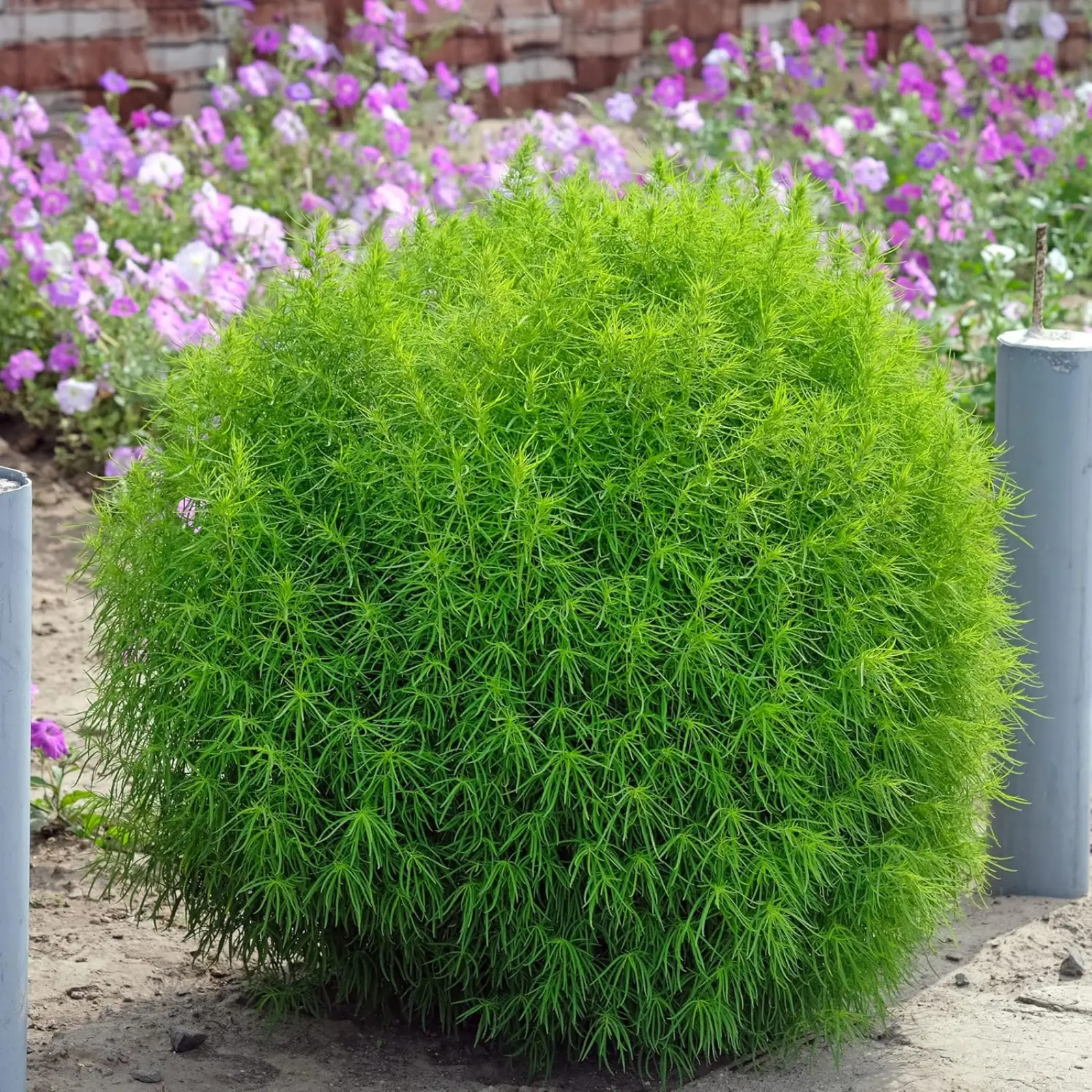
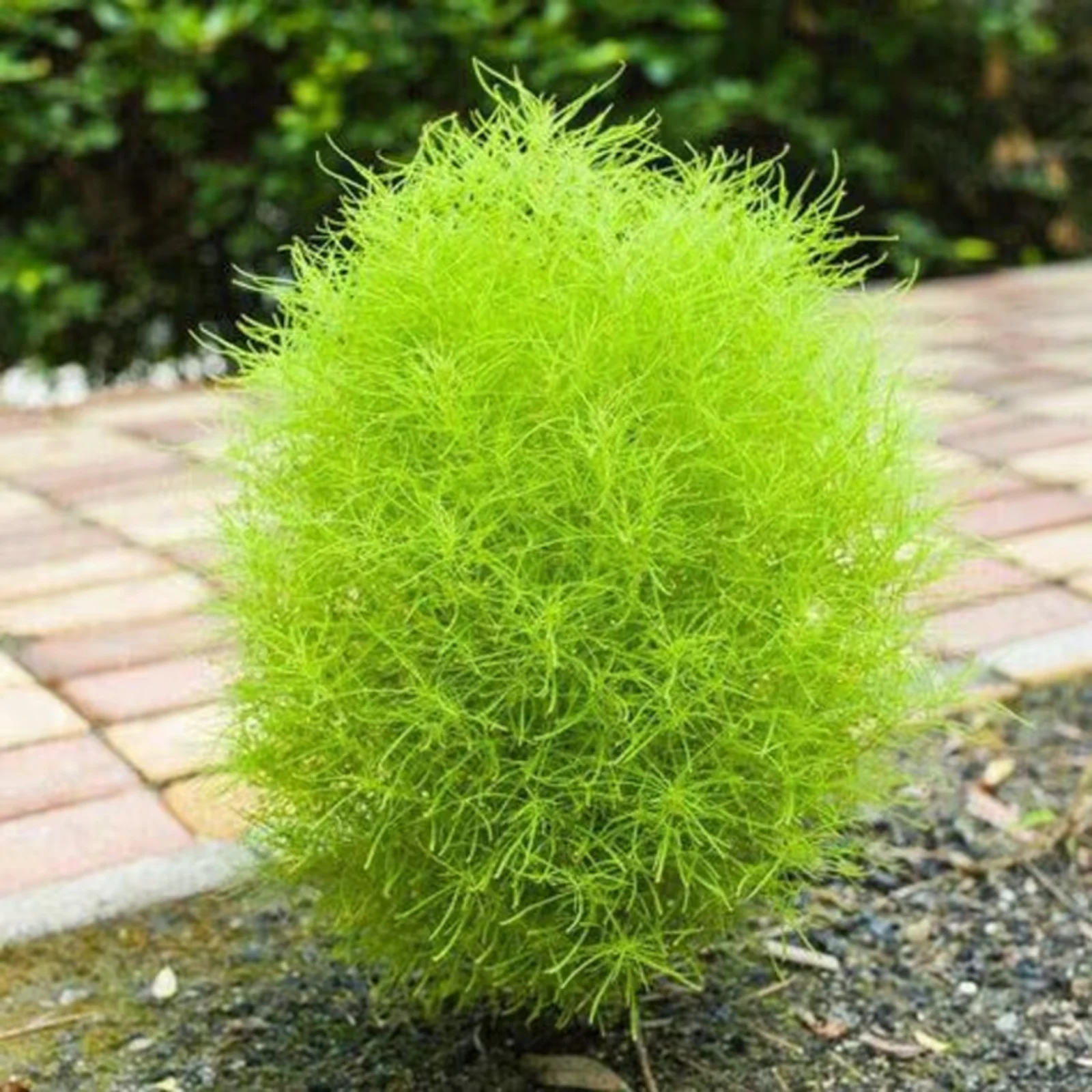
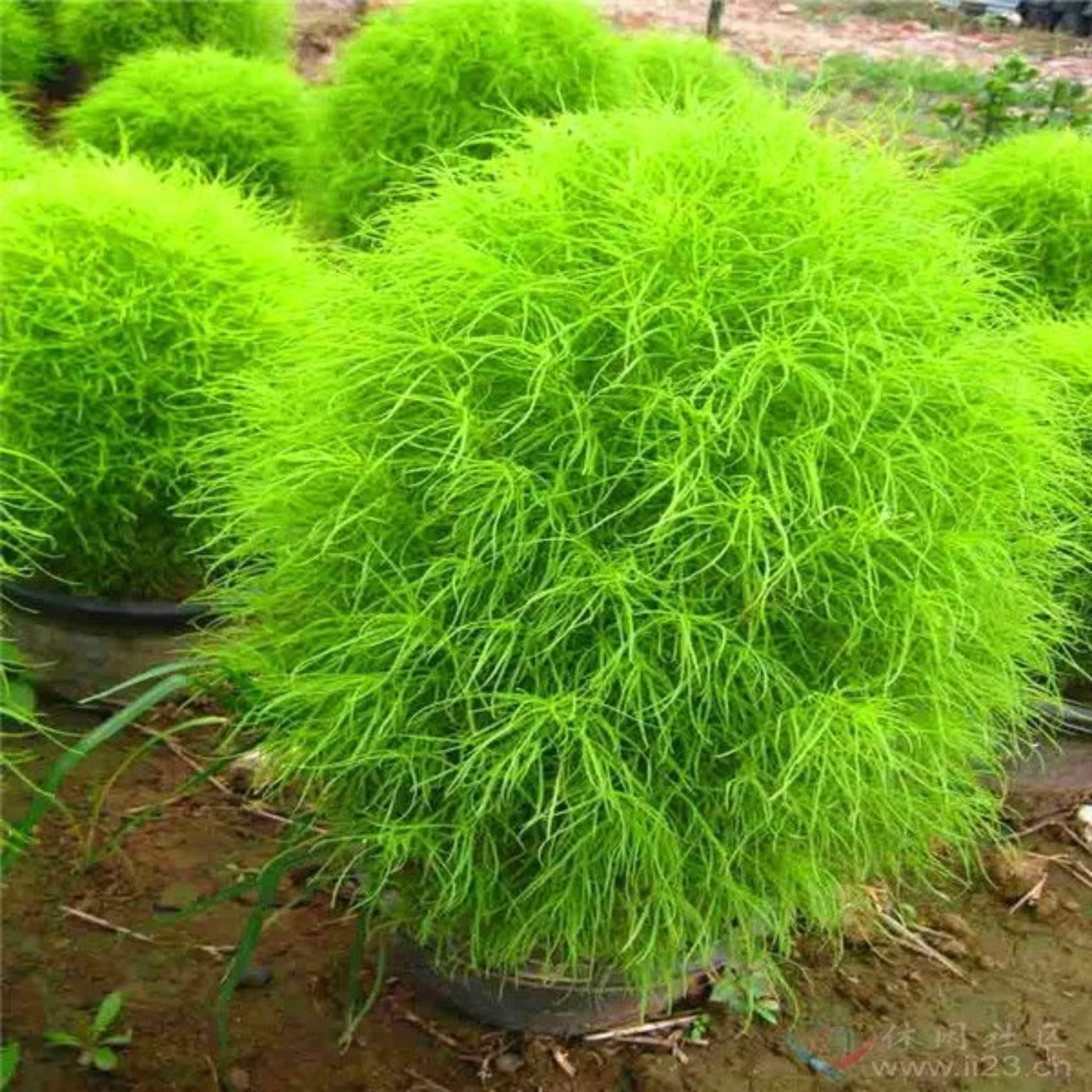


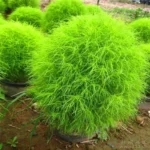

Transform your home garden into a vibrant landscape with Kochia Burning Bush Flower Seeds, one of the most attractive ornamental foliage plants loved by gardeners worldwide. Known for its soft feathery green leaves that gradually turn bright crimson red in late season, Kochia creates a dramatic “burning bush” effect that instantly becomes the highlight of any garden.
If you are searching for best ornamental seeds online, Burning Bush seeds India, Kochia plant seeds, Summer Cypress seeds, red foliage garden plants, or easy hedge seeds for home garden, this variety is a top choice.
Kochia is not primarily grown for showy flowers—it is prized for its beautifully shaped bushy form and spectacular foliage color transformation. It looks elegant in borders, pathways, terrace gardens, pots, and landscaping projects. Multiple seed sellers describe it as an upright, symmetrical ornamental foliage plant that turns from green to vivid red and performs well in sunny sites.
Perfect for beginners and experienced gardeners alike, Kochia is fast growing, low maintenance, and highly rewarding.
- Botanical Name: Kochia scoparia / Bassia scoparia
- Common Name: Kochia Burning Bush, Summer Cypress, Fire Bush
- Plant Type: Annual Ornamental Foliage Plant
- Growth Habit: Bushy, upright, rounded form
- Height: 2 to 4 feet depending on care
- Color: Green foliage turning red/crimson later season
- Best Use: Borders, hedges, pots, landscaping, decorative beds
- Difficulty Level: Easy
- Sunlight Need: Full sun
- Water Need: Moderate to low once established
Short Growing Information
| Growing Factor | Details |
|---|---|
| Best Sowing Time | February to April / July to September (region wise) |
| Germination Time | 7 to 14 days |
| Transplant / Growth Time | 25 to 35 days |
| Color Change Time | Mature stage / late season |
| Harvest Time (Seed Saving) | 90 to 130 days |
| Sunlight Need | 6+ hours daily |
| Water Need | Moderate |
Commercial seed listings commonly mention 10–14 day germination and full sun performance.
Why Buy Kochia Burning Bush Flower Seeds?
Kochia is one of the most unique ornamental plants because it changes appearance during the season. In early growth it looks like a lush green soft cypress mound. Later it turns fiery red, creating an eye-catching decorative effect.
- Border planting
- Pathway edging
- Terrace landscaping
- Decorative pots
- Hedge effect
- Focal point plants
- Low maintenance gardens
- Summer ornamental displays
If you want a plant that looks expensive but grows easily from seed, Kochia is a fantastic choice.
Germination Process of Kochia Burning Bush Flower Seeds
Proper germination is the first step toward healthy flowering plants. Poppy seeds are tiny, so gentle handling is important.
- Step 1: Choose the Right Time: Best sown in warm growing months. In India:
- North India: February to April
- Monsoon sowing: July to September
- Mild climates: Multiple seasons possible
- Step 2: Prepare Soil: Use loose, well-draining soil. Mix:
- 50% garden soil
- 30% compost or vermicompost
- 20% sand or cocopeat
- Step 3: Direct Sowing Recommended: Poppies dislike root disturbance, so direct sowing into pots or beds is best. Several seed sellers also recommend direct sowing.
- Step 4: Sow the Seeds: Sprinkle seeds lightly on soil surface. Cover with a very thin layer of soil or sand. Do not bury deeply.
- Step 5: Moisture: Mist gently using a spray bottle.
- Step 6: Germination Time: Seeds generally sprout in 7 to 14 days under cool conditions.
- Step 7: Thinning: Once seedlings have 3-4 inches, thin them so plants get space to grow.
Pro Germination Tips
- Do not overwater
- Keep soil moist, not soggy
- Use shallow trays or direct beds
- Provide morning sunlight after sprouting
- Avoid transplant shock
Sunlight Requirement
Kochia Burning Bush performs best in full sun to partial sun.
- Ideal Sunlight Need:
- Minimum: 5 hours sunlight
- Best Results: 6 to 8+ hours direct sunlight
- Morning sun preferred in warmer regions
- Why Sunlight Matters: Good sunlight helps in
- Strong stems
- More buds
- Brighter flower colors
- Better foliage growth
- Longer blooming period
- If Growing on Balcony choose:
- South-facing balcony
- East-facing balcony
- Terrace with open sky access
- If light is too low, plants may become weak and flower less.
Soil & Fertilizer Requirement for Best Foliage and Flowering
Healthy soil is the secret to large blooms and lush green growth.
- Best Soil Mix: Use this premium flowering mix:
- 40% garden loam soil
- 30% compost/vermicompost
- 20% river sand
- 10% cocopeat
- This ensures drainage, aeration, and nutrient retention.
- Soil pH: Neutral to slightly alkaline is suitable.
- Fertilizer Schedule
- At Sowing: Mix compost into soil.
- After 20 Days: Use balanced fertilizer like NPK mild dose.
- Best Organic Fertilizers:
- Vermicompost
- Mustard cake liquid (diluted)
- Seaweed extract
- Compost tea
- Bone meal
- Important Note: Do not overfeed. Excess fertilizer may cause weak soft growth.
Water Requirement
California Poppy Mix prefers moderate watering.
- During Germination: Mist lightly daily or when topsoil dries.
- Young Plants: Water every 2–3 days depending on climate.
- Mature Plants: Water deeply when soil feels dry.
- In Winter: Reduce watering frequency.
- Important Rule: Never keep soil waterlogged. Too much water can cause:
- Root rot
- Fungal disease
- Weak growth
- Poor flowering
- Pot Drainage Tip: Ensure drainage holes in containers.
Pest Control
Though poppies are relatively easy plants, occasional pests may appear.
Common Problems
- Aphids: Small sap-sucking insects on buds and stems.
- Mealybugs: White cottony pests on leaves.
- Slugs / Snails: May damage young seedlings.
- Powdery Mildew: White fungal coating in humid conditions.
Natural Pest Control Solutions
- Neem Oil Spray: Mix neem oil + mild soap + water. Spray weekly.
- Soap Spray: Good for aphids.
- Cinnamon Powder: Useful near seedlings to discourage fungus.
- Proper Spacing: Reduces fungal infection.
- Remove Infected Leaves: Stops spread quickly.
Prevention Tips
- Avoid overcrowding
- Water at soil level
- Ensure airflow
- Use clean pots
- Inspect weekly
Landscaping Ideas with Kochia
Kochia is widely loved because it forms neat rounded bushes.
Best Garden Uses
- Border Rows: Plant in a line for elegant edging.
- Mass Planting: Group multiple plants for dramatic red displays.
- Pot Decoration: Grow in large decorative containers.
- Mixed Beds: Combine with marigold, petunia, salvia, celosia.
- Terrace Styling: Place in corners for structured greenery.
Final Words
If you want a plant that offers lush greenery early in the season and a fiery red transformation later, Kochia Burning Bush Flower Seeds are an outstanding choice. Easy to grow, fast developing, and visually striking, Kochia is ideal for beginners and landscape lovers alike.
With full sunlight, moderate watering, good drainage, and occasional feeding, you can grow symmetrical, soft-textured bushes that become the center of attention. Whether planted in pots, borders, or large garden beds, Kochia adds premium ornamental value without high maintenance.
Buy Kochia Burning Bush Flower Seeds today and create a spectacular seasonal garden display!
FAQs
-
When should I sow Kochia Burning Bush seeds in India?
Best sowing time is February to April or July to September depending on climate.
-
How long do Kochia seeds take to germinate?
Usually 7 to 14 days in warm moist soil.
-
Does Kochia need full sun?
Yes. It performs best in 6+ hours sunlight daily.
-
Can Kochia be grown in pots?
Yes, use medium to large pots with drainage holes.
-
Why does Kochia turn red?
As the plant matures and seasonal conditions change, foliage develops attractive red tones.
Reviews
There are no reviews yet