
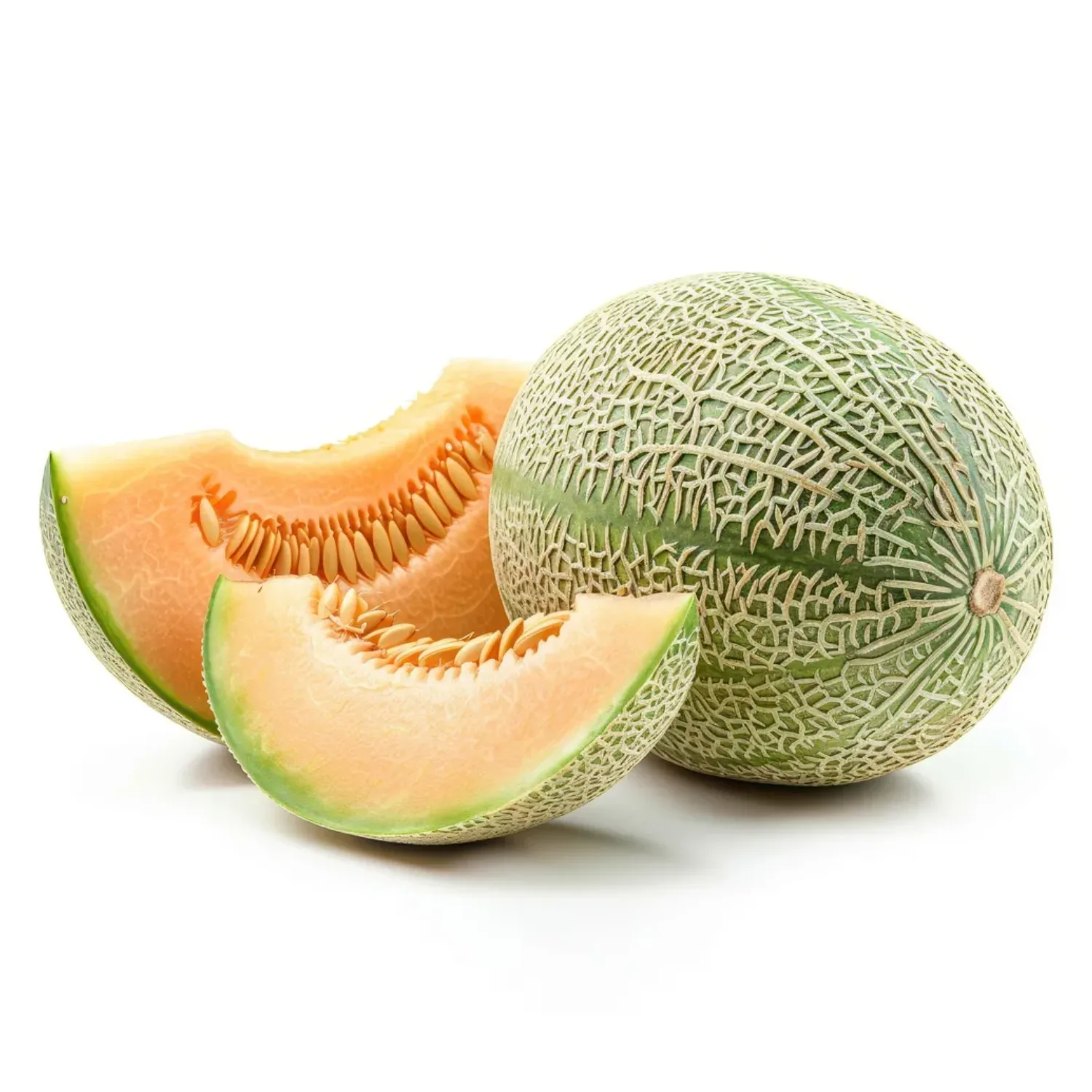
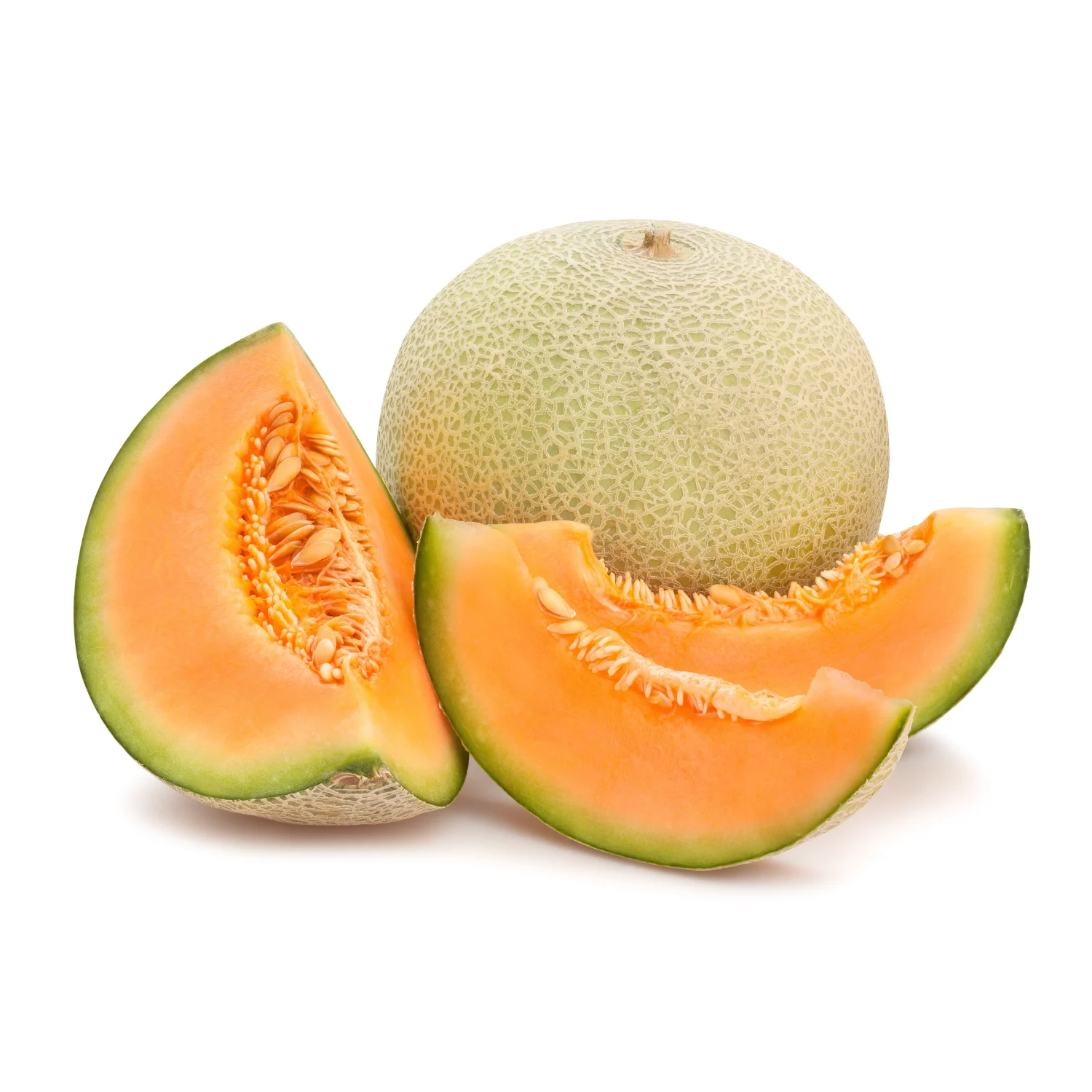
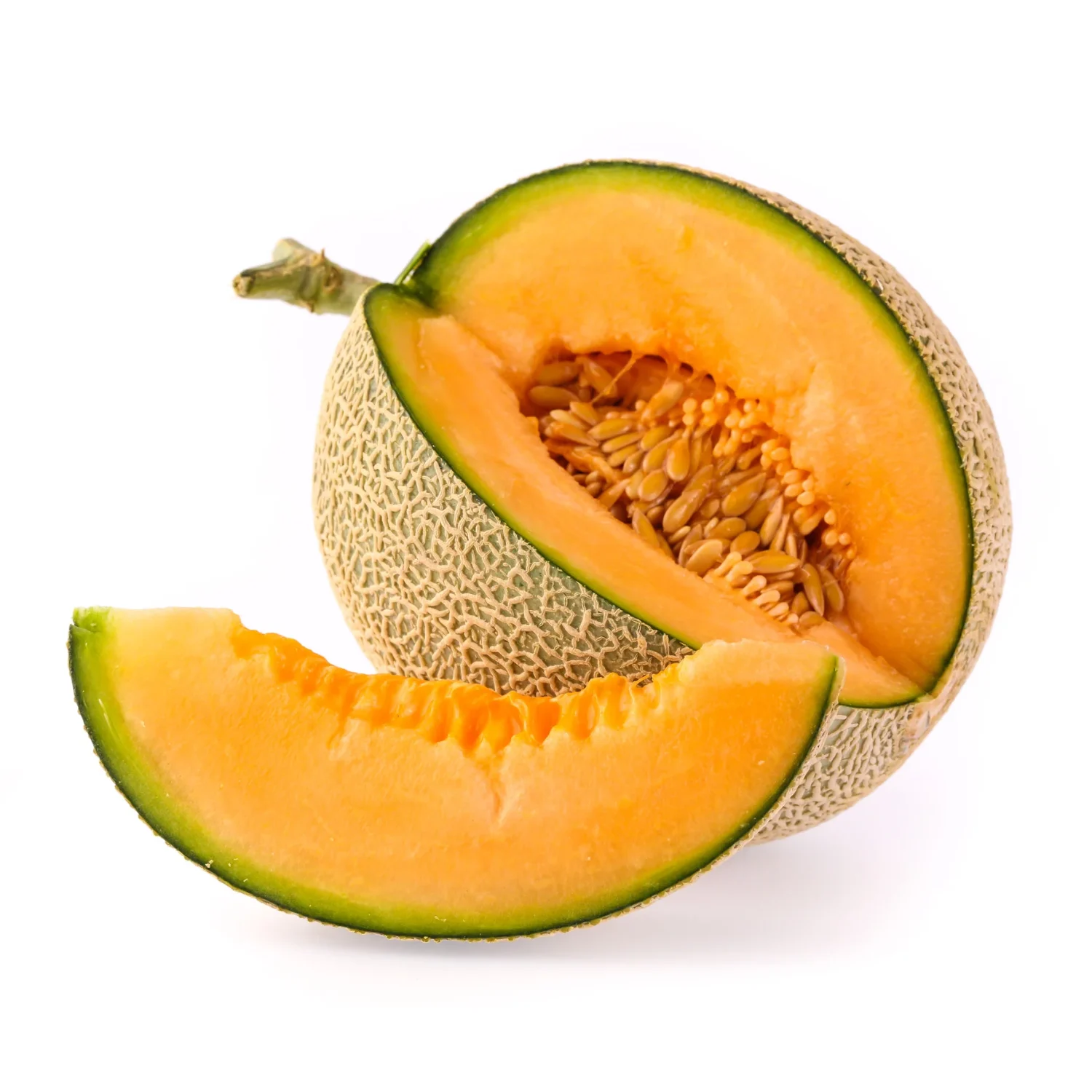
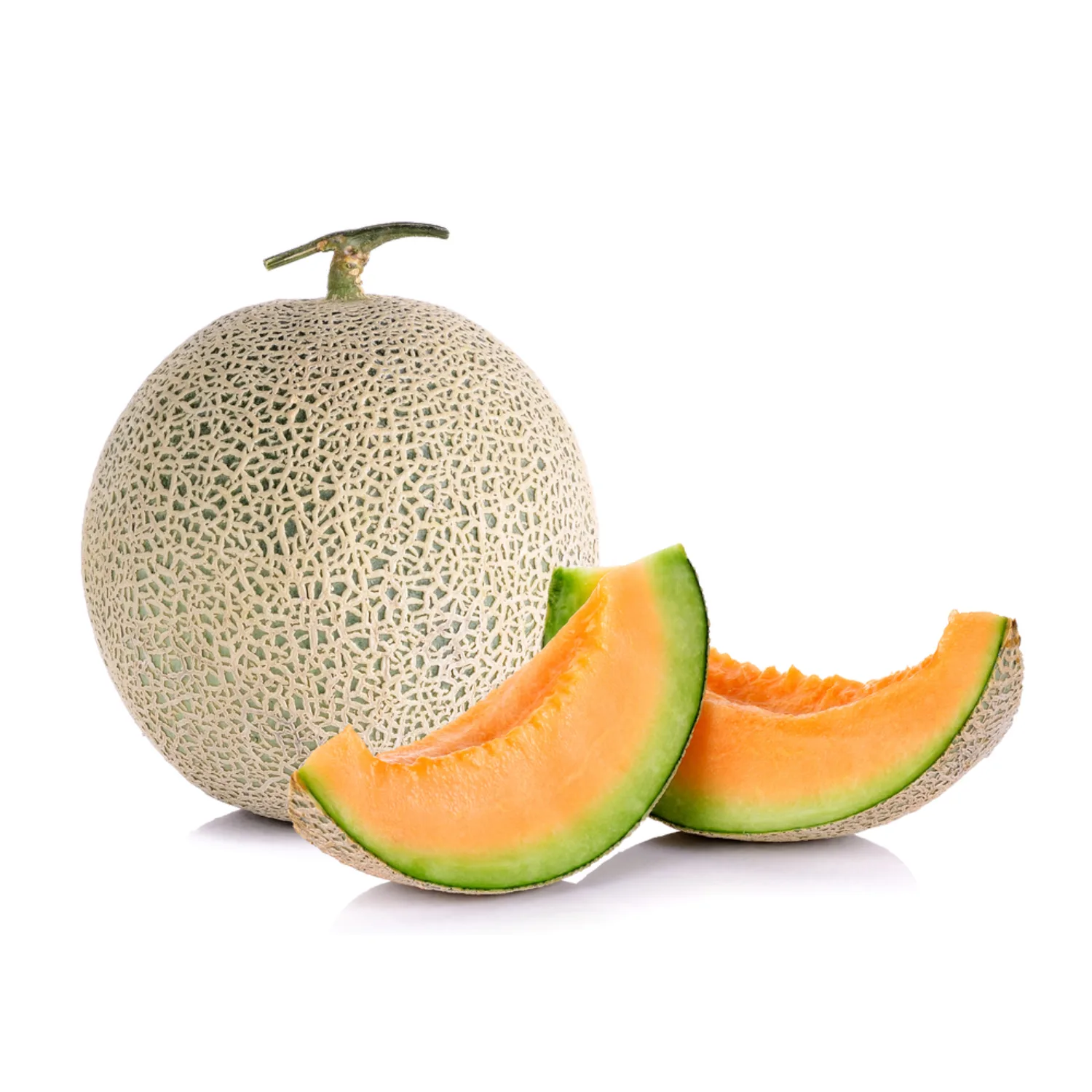
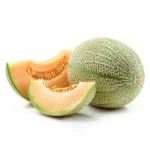
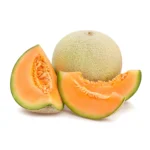
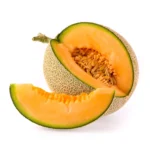
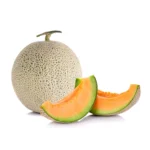
Muskmelon (Cucumis melo), popularly known as Kharbuja in India, is one of the most loved summer fruits due to its sweet flavor, refreshing aroma, and high nutritional value. Rich in vitamins A and C, antioxidants, fiber, and water content, muskmelon is a perfect fruit for hot climates.
Growing muskmelons from seeds is rewarding because the plant produces delicious fruits while requiring relatively simple care. Whether you have a backyard garden, terrace garden, grow bags, raised beds, or a farm, muskmelon can thrive with proper sunlight, fertile soil, and regular watering.
Muskmelon plants belong to the Cucurbitaceae family and produce sprawling vines with attractive yellow flowers followed by sweet, juicy fruits. Under favorable conditions, each healthy plant can produce multiple fruits during the growing season. Muskmelon grows best in warm weather, fertile soil, and full sunlight.
Quick Growing Information
| Particular | Details |
|---|---|
| Botanical Name | Cucumis melo |
| Common Name | Muskmelon, Kharbuja |
| Plant Type | Annual Vine |
| Sowing Season | January–April (varies by region) |
| Germination Time | 5–14 Days |
| Flowering Time | 30–40 Days |
| Harvest Time | 80–95 Days |
| Sunlight Requirement | 6–10 Hours Daily |
| Water Requirement | Moderate |
| Ideal Soil pH | 6.0–7.5 |
| Difficulty Level | Easy to Moderate |
The crop generally reaches harvest in about 80–95 days depending on the variety and climate. Germination typically occurs within 5–14 days under warm conditions.
Best Time to Sow Muskmelon Seeds
Best Time to Sow Muskmelon Seeds
Muskmelon is a warm-season crop and performs best when temperatures remain between 18°C and 30°C. Seeds should be sown when the danger of frost has passed and the soil has warmed adequately.
Ideal Sowing Seasons in India
- North India: February to April
- Central India: January to March
- South India: October to February
- Terrace Gardens: January to April
For best results, sow seeds when daytime temperatures consistently stay above 20°C.
Germination Process of Muskmelon Seeds
- Step 1: Seed Preparation:
- Select healthy and high-quality seeds.
- Soak seeds in clean water for 8–12 hours before sowing.
- Optional: Treat seeds with bio-fungicides such as Trichoderma to reduce fungal infections.
- Step 2: Prepare Growing Medium:
- Use a well-drained seed-starting mix containing:
- 40% Garden Soil
- 30% Compost
- 20% Cocopeat
- 10% Sand
- Use a well-drained seed-starting mix containing:
- Step 3: Sowing Depth:
- Sow seeds 1–1.5 cm deep.
- Cover lightly with soil.
- Water gently after sowing.
- Step 4: Maintain Warmth:
- Muskmelon seeds germinate best in warm soil. Cold soil significantly slows germination. Keep the soil consistently moist but not waterlogged.
- Step 5: Germination:
- Under favorable conditions:
- Germination begins within 5–7 days.
- Most seedlings emerge within 7–14 days.
- Once seedlings develop 2–3 true leaves, thin weaker seedlings and retain the healthiest plants.
- Under favorable conditions:
Sunlight Requirement
Sunlight is one of the most important factors affecting muskmelon growth and fruit sweetness.
- Ideal Sunlight: Muskmelon plants require:
- Minimum 6 hours of direct sunlight
- Ideal 8–10 hours of sunlight daily
- Plants receiving adequate sunlight produce stronger vines, more flowers, better pollination, and sweeter fruits. Lack of sunlight can lead to weak growth, fewer fruits, and poor flavor.
- Best Location: Choose a location that:
- Receives full sunlight
- Has good air circulation
- Is protected from prolonged shade
- Terrace gardens and open fields are excellent locations for muskmelon cultivation.
Soil & Fertilizer Requirements for Best Growth and Fruiting
- Ideal Soil: Muskmelon grows best in:
- Sandy loam soil
- Loamy soil rich in organic matter
- Well-drained fertile soil
- Heavy clay soils should be avoided because they retain excess moisture and may cause root diseases. The ideal soil pH is between 6.0 and 7.5.
- Soil Preparation: Before sowing:
- Mix well-rotted farmyard manure or compost.
- Loosen the soil thoroughly.
- Ensure proper drainage.
- Organic matter improves water retention, root development, and nutrient availability.
- Fertilizer Schedule:
- At Planting Mix:
- Vermicompost
- Well-rotted cow manure
- Neem cake
- Vegetative Stage Apply:
- Nitrogen-rich organic fertilizer
- Seaweed extract
- Compost tea
- Flowering Stage Apply:
- Bone meal
- Banana peel compost
- Phosphorus-rich fertilizers
- Fruiting Stage Apply:
- Potassium-rich fertilizer
- Wood ash (in moderation)
- Organic fruit booster
- Balanced nutrition encourages vigorous vine growth, abundant flowering, and sweeter fruits.
- At Planting Mix:
Water Requirement
Proper irrigation is crucial for muskmelon cultivation.
- During Germination Keep soil:
- Consistently moist
- Never soggy
- Vegetative Growth:
- Water:
- Every 2–3 days in summer
- Depending on weather conditions
- Water:
- Flowering and Fruiting:
- Provide regular watering while avoiding waterlogging.
- Important Tips:
- Water at the base of plants.
- Avoid wetting leaves and fruits.
- Reduce watering slightly near harvest to improve sweetness.
- Overwatering can cause:
- Root rot
- Fungal diseases
- Fruit cracking
- Underwatering can result in:
- Flower drop
- Small fruits
- Reduced yield
Pollination and Flowering
It produce:
- Male flowers
- Female flowers
Bees and pollinators transfer pollen naturally.
To improve pollination:
- Grow flowering plants nearby.
- Avoid excessive pesticide use.
- Encourage bee activity.
Healthy pollination leads to better fruit set and larger harvests.
Pest Control and Disease Management
Like other cucurbits, it may encounter pest and disease problems.
Common Pests
- Aphids
- Symptoms:
- Curled leaves
- Sticky honeydew secretion
- Control:
- Neem oil spray
- Insecticidal soap
- Release ladybugs
- Symptoms:
- Fruit Fly
- Symptoms:
- Damaged fruits
- Rotting fruits
- Control:
- Fruit fly traps
- Neem-based sprays
- Remove infected fruits
- Symptoms:
- Red Pumpkin Beetle
- Symptoms:
- Holes in leaves
- Damaged seedlings
- Control:
- Neem oil spray
- Hand picking
- Organic insecticides
- Symptoms:
- Spider Mites
- Symptoms:
- Yellow speckled leaves
- Fine webbing
- Control:
- Increase humidity
- Spray neem oil
- Symptoms:
Common Diseases
- Powdery Mildew
- Symptoms:
- White powder-like coating on leaves
- Control:
- Proper spacing
- Sulfur spray
- Fungicidal treatment
- Symptoms:
- Downy Mildew
- Symptoms:
- Yellow patches on leaves
- Control:
- Improve airflow
- Avoid overhead watering
- Symptoms:
- Root Rot
- Symptoms:
- Wilting plants
- Rotten roots
- Control:
- Improve drainage
- Avoid overwatering
- Symptoms:
Harvesting Muskmelons
- Harvest Time: Most varieties are ready in:
- 80–95 days after sowing
- Some early varieties mature sooner.
- Signs of Ripeness:
- Sweet fragrance around fruit
- Netted rind becomes prominent
- Fruit color changes slightly
- Stem begins separating naturally from vine
- Many muskmelon varieties “slip” easily from the vine when ripe, making harvesting simple.
- Yield: Under proper care:
- Each vine can produce several fruits.
- Commercial yields can be very high with good management practices.
Health Benefits of Muskmelon
- Rich in Vitamin A
- High Vitamin C content
- Supports immunity
- Promotes hydration
- Aids digestion
- Low calorie fruit
- Contains antioxidants
- Supports skin health
Final Words
It is one of the most rewarding summer fruits to grow in home gardens, farms, terraces, and grow bags. With proper sunlight, fertile well-drained soil, balanced nutrition, and regular watering, muskmelon vines can produce an abundant harvest of sweet, aromatic fruits.
Whether you are a beginner gardener or an experienced grower, Muskmelon Seeds offer an excellent opportunity to enjoy fresh, chemical-free fruits straight from your garden. By following the germination, watering, fertilization, and pest management practices outlined above, you can successfully grow healthy vines and harvest delicious it throughout the season.
Plant premium Muskmelon Seeds today and enjoy the satisfaction of harvesting naturally sweet, home-grown fruits packed with flavor, nutrition, and freshness.
Frequently Asked Questions (FAQs)
How long do Muskmelon Seeds take to germinate?
Muskmelon seeds generally germinate within 5–14 days under warm conditions. Most seedlings emerge within 7–10 days.
Can Muskmelon be grown in pots or grow bags?
Yes. Use a container of at least 18–24 inches depth with rich, well-drained soil and provide adequate support for vines.
How much sunlight does Muskmelon need?
It requires 6–10 hours of direct sunlight daily, with 8–10 hours being ideal for maximum fruit production.
Why are my Muskmelon flowers falling off?
Common reasons include poor pollination, insufficient sunlight, nutrient imbalance, temperature stress, or inconsistent watering.
When should Muskmelons be harvested?
Harvest when fruits develop a strong aroma, show mature rind color, and begin separating naturally from the vine.
Reviews
There are no reviews yet