
What’s in the Box
- Papaya Seeds
- Sowing instructions printed on backside of Seed Packet
- Recyclable Pouch
Introduction
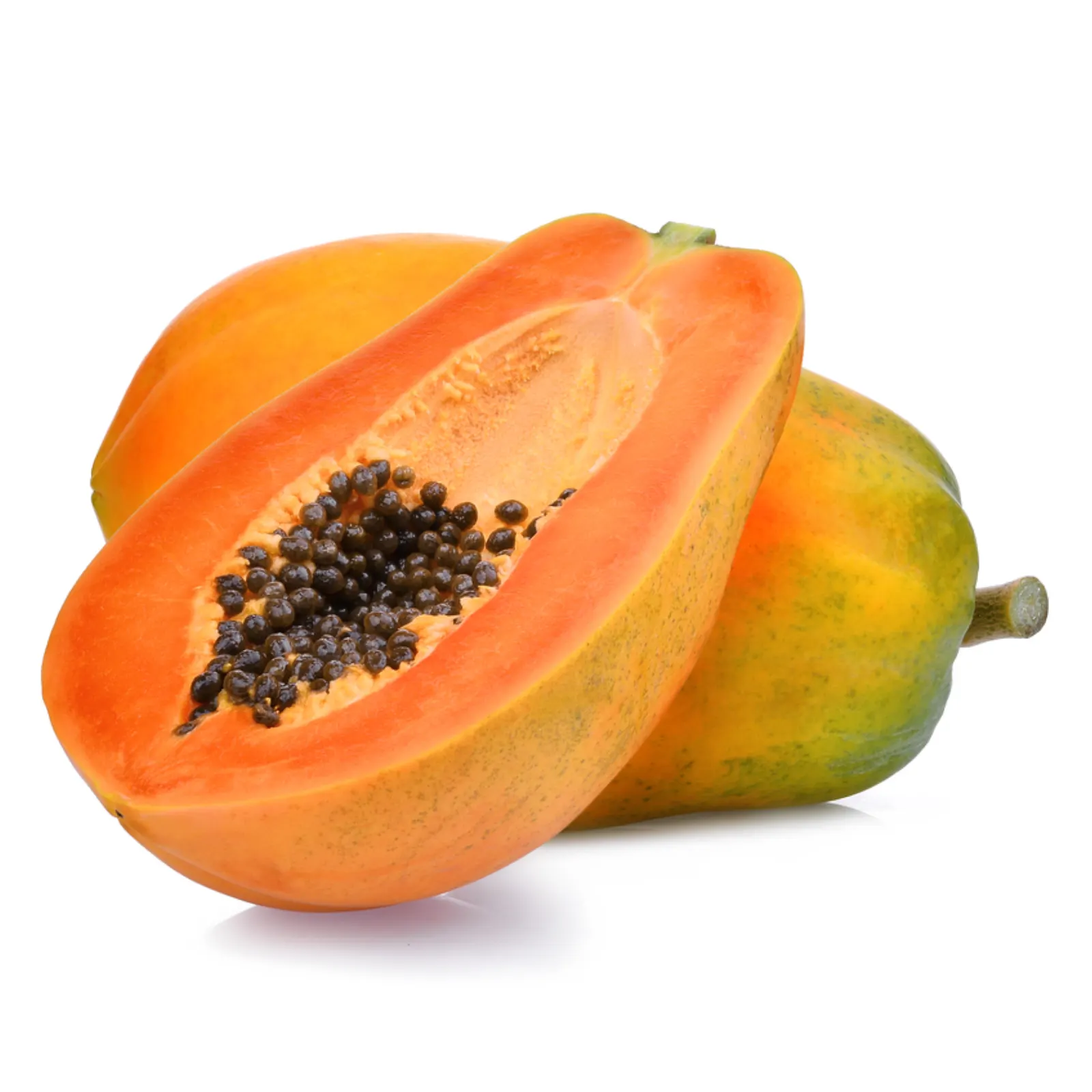
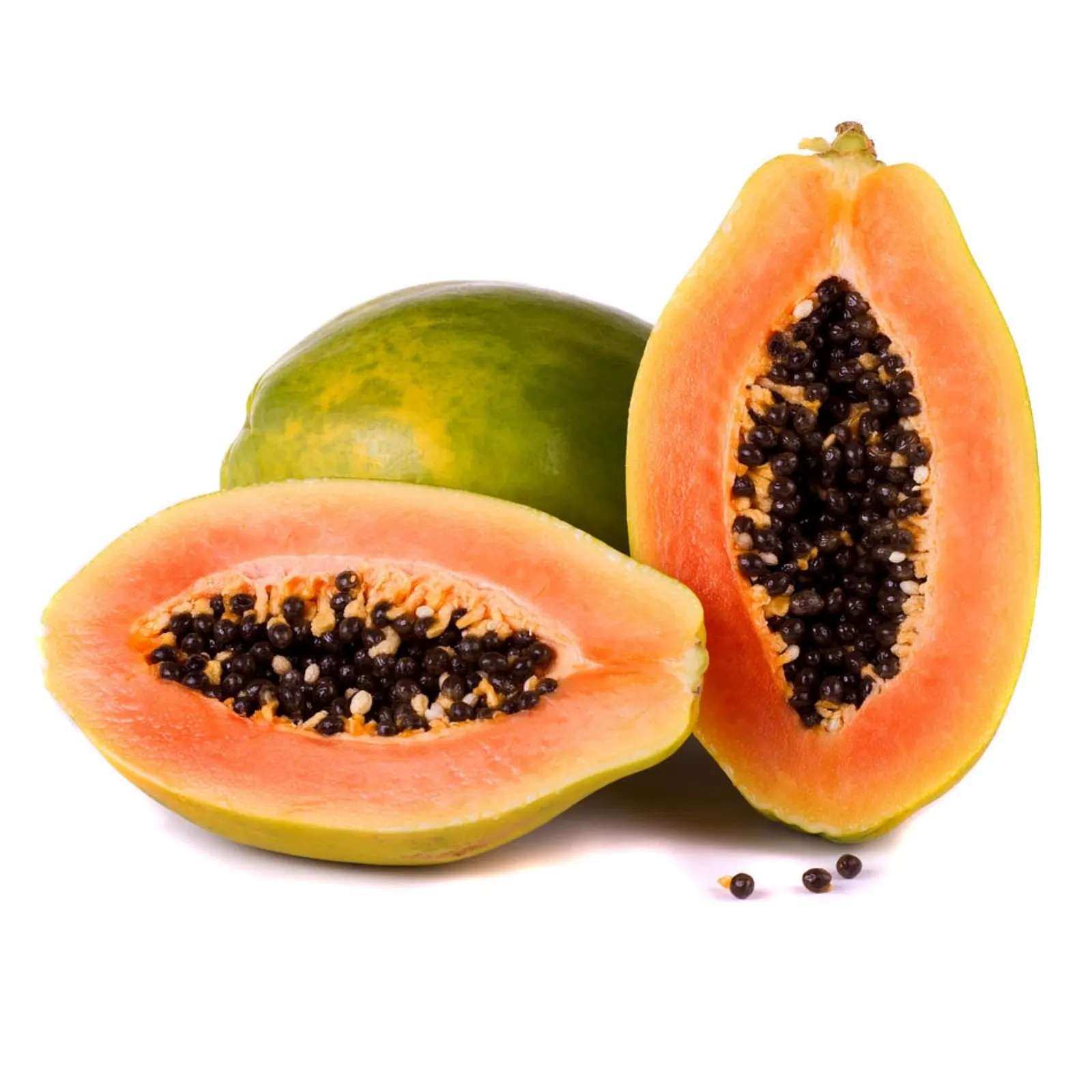
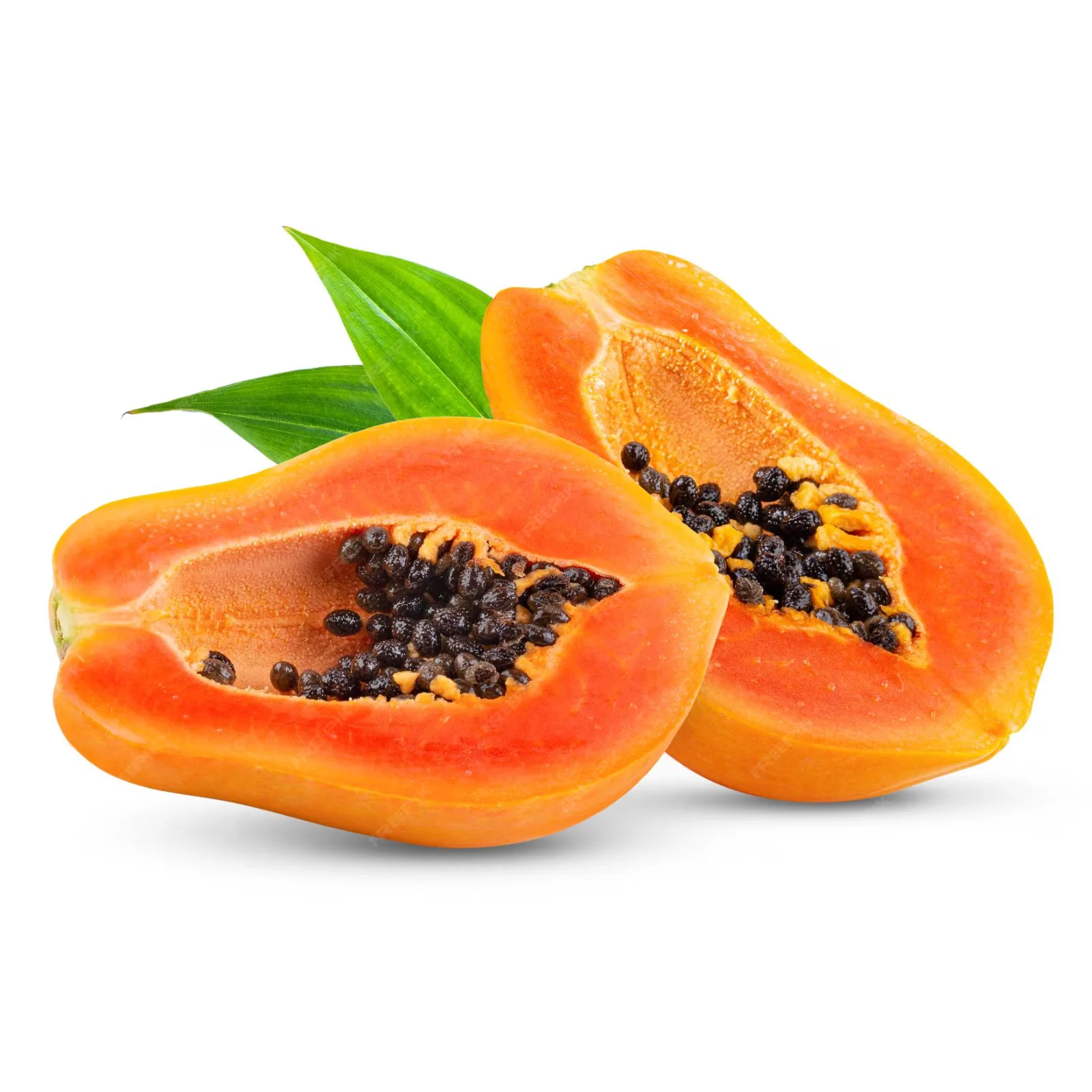
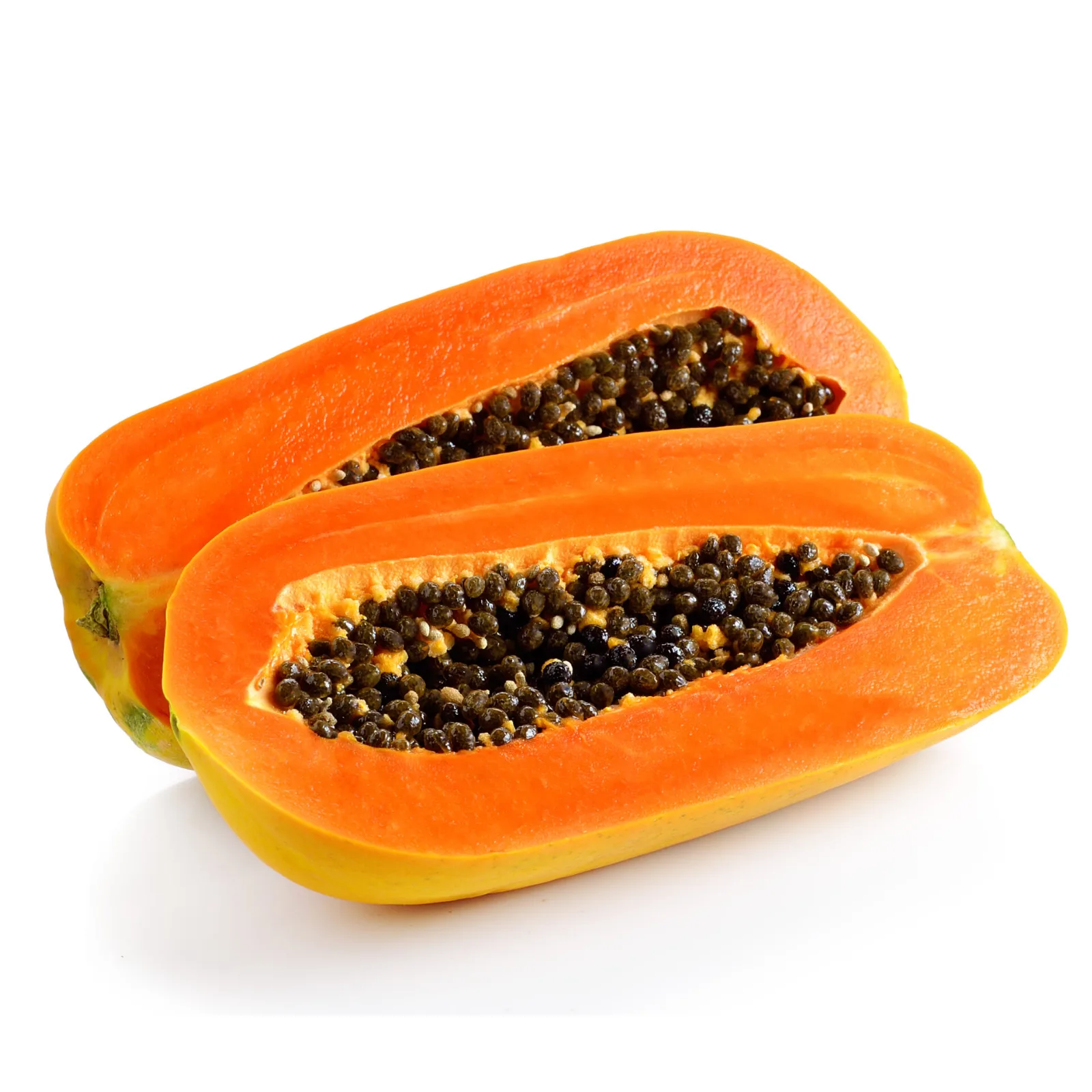
Bring tropical freshness to your home garden with our premium Papaya Seeds! Known for their lush foliage and sweet, nutrient-rich fruits, papaya plants are a gardener’s delight — easy to grow, fast-maturing, and highly rewarding. Our high-quality seeds are handpicked for superior germination, ensuring healthy plants that yield delicious, golden-orange papayas packed with vitamins A, C, and antioxidants.
Whether you have a spacious backyard or a sunny balcony, papayas can thrive beautifully in containers or garden beds. Their vibrant green leaves and fragrant fruits add both beauty and utility to your garden space. Start your tropical journey today with our Papaya Seeds — where every fruit is a taste of sunshine!
Seasonal Planting Calendar – Zone Wise
| Zone / Region | States / Examples | Ideal Sowing Time | Transplant / Growth Period | Flowering & Fruiting Season | Notes / Tips |
|---|---|---|---|---|---|
| North India (Plains) | Delhi, Haryana, Punjab, Uttar Pradesh, Bihar | Feb – Mar (Spring) & Jul – Aug (Monsoon) | Apr – May / Sep – Oct | Dec – Apr (spring harvest) / Jun – Sep (monsoon harvest) | Avoid winter sowing (frost sensitive). Protect seedlings during Dec–Jan. |
| North India (Hills / Foothills) | Uttarakhand (Terai), Himachal lower regions | Mar – May | Apr – Jul | Dec – May | Plant in frost-free lower slopes; use polytunnels in cooler areas. |
| Central India | Madhya Pradesh, Chhattisgarh | Feb – Apr & Jul – Aug | Mar – May / Sep – Oct | Nov – Apr & Jun – Oct | Well-suited for year-round production with irrigation. |
| Western India (Dry & Semi-arid) | Rajasthan, Gujarat | Feb – Mar & Jul – Aug | Apr – May / Sep – Oct | Dec – Apr | Choose drought-tolerant hybrids; irrigate weekly. Avoid saline soil. |
| Eastern India (Humid) | West Bengal, Odisha, Jharkhand | Feb – Apr & Aug – Sep | Mar – May / Sep – Oct | Nov – May | Prefers well-drained, raised beds; avoid heavy monsoon waterlogging. |
| Southern India (Tropical) | Tamil Nadu, Kerala, Karnataka, Andhra Pradesh, Telangana | Year-round sowing possible (Best: Jan – Mar & Jul – Sep) | 1–1.5 months after sowing | 8–10 months after transplanting | Ideal for continuous cropping; maintain year-round harvest with staggered planting. |
| Western Coastal (Konkan / Goa / Coastal Maharashtra) | Goa, Mumbai, Ratnagiri, Coastal Karnataka | Jan – Mar & Aug – Sep | Feb – Apr / Oct – Nov | Nov – Apr | Heavy rainfall regions — prefer elevated beds or ridges. |
| North-East India | Assam, Meghalaya, Nagaland, Manipur, Arunachal Pradesh | Mar – May (Pre-monsoon) | Apr – Jun | Dec – May | Needs good drainage and wind protection; best grown in sandy loam soils. |
Complete Guide to Papaya Seeds Germination, Soil, Watering & Pest Management
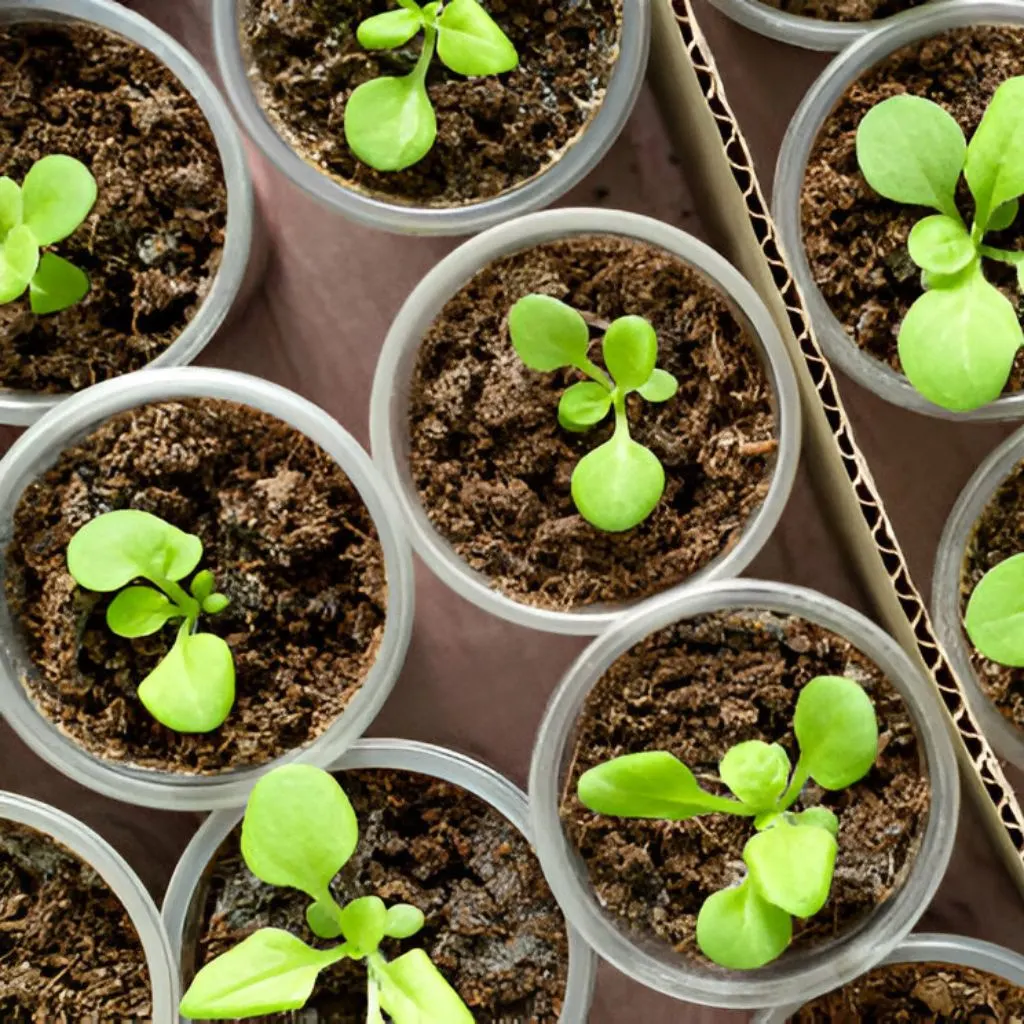
Seed Germination Process
Seed Preparation: For best results, soak papaya seeds in lukewarm water for 24–48 hours before planting. This helps soften the seed coat and accelerates germination. You can also lightly rub seeds with sandpaper to help them sprout faster.
Planting Medium: Use a well-draining mix of garden soil, compost, and sand in equal parts. Papaya roots are sensitive to waterlogging, so good aeration is key.
Planting: Sow seeds about ½ inch (1.25 cm) deep in pots or seed trays. Plant 2–3 seeds per hole, as not all may germinate. Later, thin out to keep the healthiest seedling.
Containers or Garden Bed: Papayas can be started in pots (minimum 12 inches deep) or directly in the ground. If transplanting, do so carefully when seedlings are 6–8 inches tall, as papaya roots dislike disturbance.
Watering: Keep the soil consistently moist but never soggy during germination. Light misting works best until seedlings appear.
Temperature: Ideal germination temperature is 25–32°C (77–90°F). Warmer climates ensure quicker and more uniform sprouting.
Light: Papaya seeds need plenty of light for healthy growth. Place them in a sunny spot with at least 6–8 hours of direct sunlight daily.
Germination Time: Papaya seeds typically germinate within 10–20 days, depending on temperature and soil conditions.
Soil & Fertilizer Requirement
Soil Type: Papayas prefer well-drained, loamy soil with a pH of 6.0–6.5. Avoid clay-heavy soil that retains water, as it can cause root rot.
Soil Preparation: Before planting, enrich your soil with organic compost or well-rotted cow manure to improve fertility and drainage.
Fertilizer Schedule: Use a balanced fertilizer (NPK 10:10:10 or 19:19:19) every 15–20 days during the growing period. Once the plant begins to flower and fruit, switch to a fertilizer richer in phosphorus and potassium to support fruit development.
Organic Options: Compost tea, bone meal, or neem cake are great organic alternatives that promote healthy, natural growth.
Avoid Over-Fertilizing: Excess nitrogen can lead to lush leaves but poor fruiting. Maintain balanced feeding for consistent yields.


Watering Requirements
Frequency: Water regularly to keep the soil moist but not waterlogged. Young plants need watering every 2–3 days, while mature plants require deep watering once or twice a week, depending on weather conditions.
Watering Technique: Water near the base of the plant and avoid wetting the leaves. Overhead watering may cause fungal infections.
Drainage: Good drainage is essential — stagnant water around roots can quickly lead to rot. Use raised beds or pots with drainage holes if needed.
Seasonal Adjustments:
- Winter: Water only when the topsoil feels dry.
- Summer: Increase watering frequency.
- Monsoon: Reduce watering if rainfall is sufficient.
Pest Control Requirement
Common Pests:
- Aphids: Small sap-sucking insects that can cause curling leaves. Control with neem oil spray or insecticidal soap.
- Fruit Flies: Attack ripening fruits. Use fruit fly traps or neem-based sprays.
- Spider Mites & Whiteflies: These thrive in dry conditions — increase humidity and use organic insecticides if needed.
Diseases:
- Powdery Mildew: Appears as white patches on leaves; manage with sulfur-based fungicides or neem oil.
- Root Rot: Caused by poor drainage. Prevent by avoiding overwatering and ensuring good aeration.
- Papaya Mosaic Virus: Causes mottled leaves and stunted growth; remove infected plants promptly and control aphid vectors.
Preventive Tips:
- Use organic pest repellents regularly.
- Inspect plants weekly.
- Prune lower leaves to improve airflow.
- Avoid overhead watering to reduce fungal spread.

FAQs
-
How do you germinate papaya seeds?
You can extract seeds from a ripe papaya fruit, wash off the pulp, let them dry for 1-2 days, then plant them about 1 cm (½ inch) deep in moist potting mix. Maintain warm conditions (around 25-30 °C / 77-86 °F). Germination often takes ~2-3 weeks, though seedlings may appear sooner or later depending on conditions. (Horticultural practice)
-
When should I plant papaya seeds/seedlings outdoors?
Papaya is a tropical/sub-tropical plant. You should plant when there’s no risk of frost, soil is warm, and the climate supports growth year-round (or at least long season). In cooler climates, you might raise seedlings indoors and transplant when safe.
-
What soil conditions does papaya prefer?
Papaya plants prefer well-draining loamy soil rich in organic matter, pH somewhat around neutral to slightly acidic (e.g., 6.0-7.0). They don’t like water-logging. Plenty of sunlight is needed (ideally full sun).
-
How to care for papaya plants (water, sun, fertilizer)?
• Sunlight: Full sun, at least 6-8 hours or more.
• Watering: Keep evenly moist but avoid standing water; good drainage is essential.
• Fertiliser: Since papaya grows quickly, regular fertilising with NPK balanced feed helps. Also mulch to retain moisture.
• Spacing: If growing multiple, allow enough space (~2–3 m) so the plant can develop. -
When will papaya start fruiting from seed?
From seed germination to first fruit typically may take 6-12 months (or possibly more) in favourable conditions. The actual time depends on climate, care, variety.
-
Can you dry and store papaya seeds for later planting?
Yes — after extracting from the fruit, rinse off pulp, allow them to air-dry for 1-2 days in shade, then store in a cool dry place in a paper envelope or small bag. Stored seeds may remain viable for some months; viability decreases over time or if stored in heat/humidity.
-
What pests or diseases affect papaya plants?
Common issues include: root rot if water-logged, fungal diseases like powdery mildew, pests like aphids, spider mites or fruit flies. Good cultural care (air circulation, clean soil, avoid over-watering) helps.
-
How large do papaya plants grow and how deep/wide do roots go?
Many papaya cultivars grow 2-10 m tall depending on variety and conditions, with a relatively shallow, spreading root system (so avoid deep heavy tilling near existing plants). Proper spacing and support (in windy areas) is advisable.
-
How to harvest papaya & determine ripeness?
Harvest when fruit begins to change colour from green to yellow/orange and yields slightly to gentle pressure; different markets prefer different ripeness stages.
-
Can papaya be propagated by cuttings or grafting?
Papaya are usually grown from seed; vegetative methods (rooted suckers, grafting) are used for specific cultivar propagation, but seeds are most common because papaya are quick from seed.
-
Why are my papaya leaves yellowing?
Causes include nutrient deficiencies (nitrogen, magnesium), water stress, root problems, or disease — soil test and inspect roots/soil moisture to diagnose.
-
How to increase papaya fruit set?
Provide steady water, balanced nutrition, pollinator presence, and manage pests/diseases; some cultivars need pollination assistance.
Reviews
There are no reviews yet