
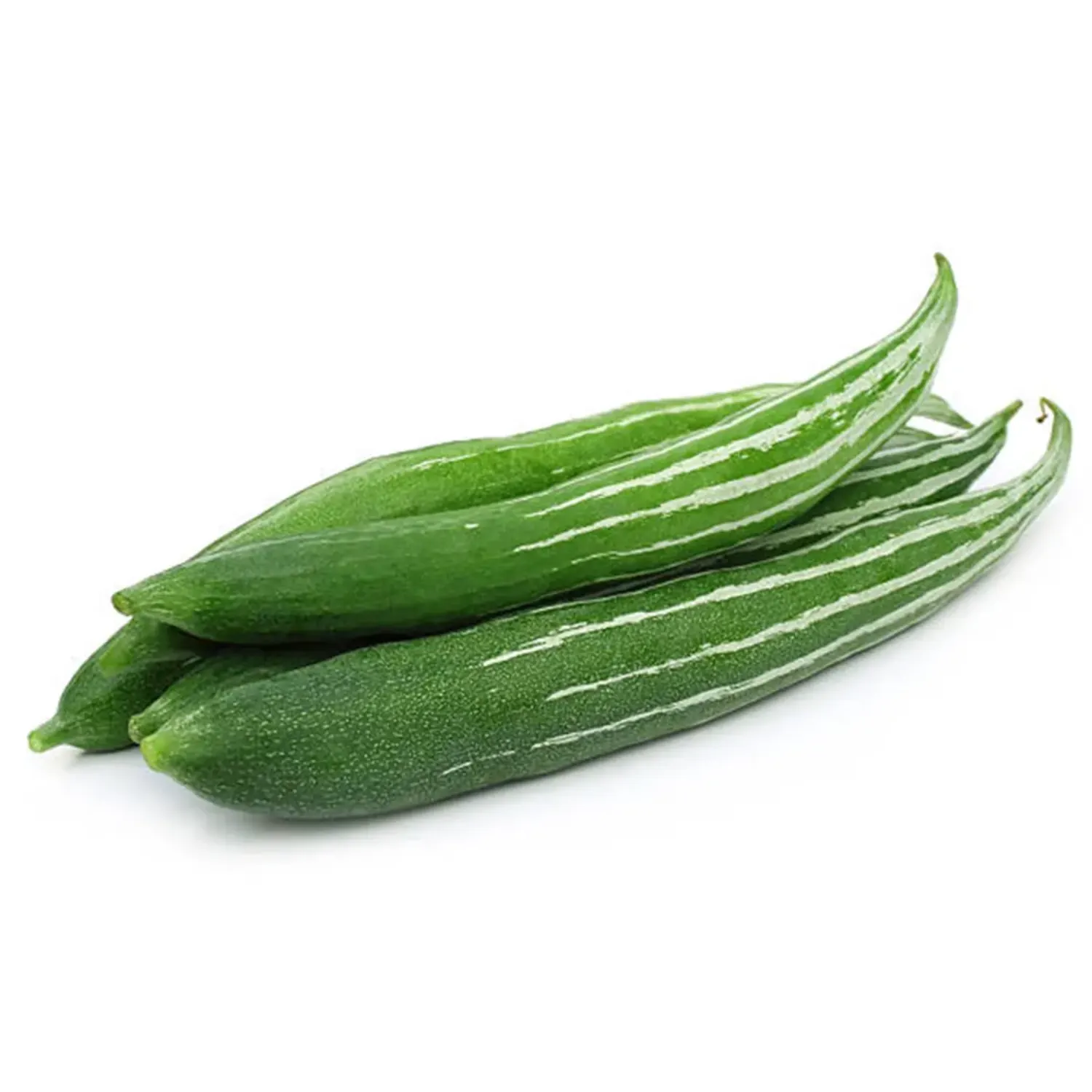
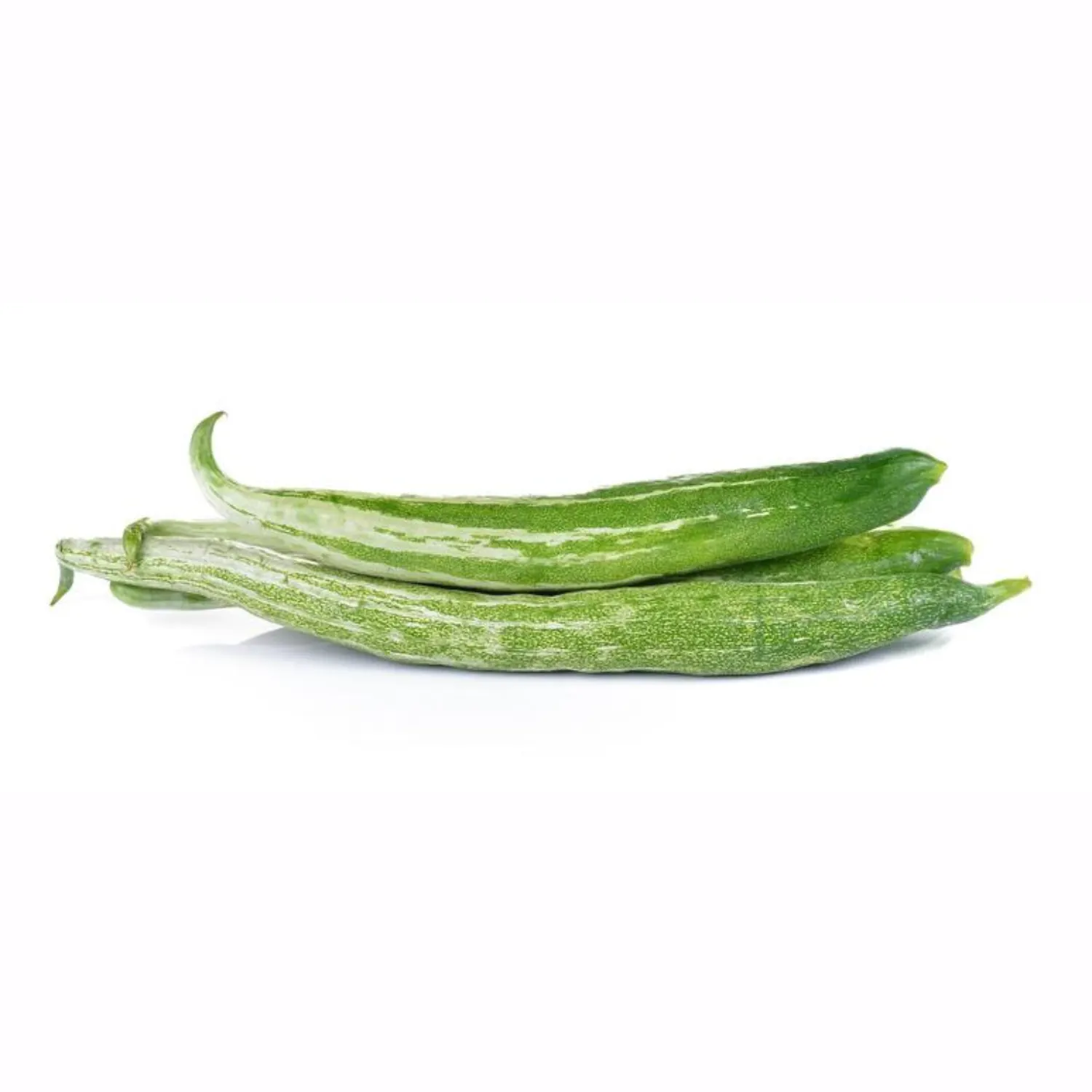
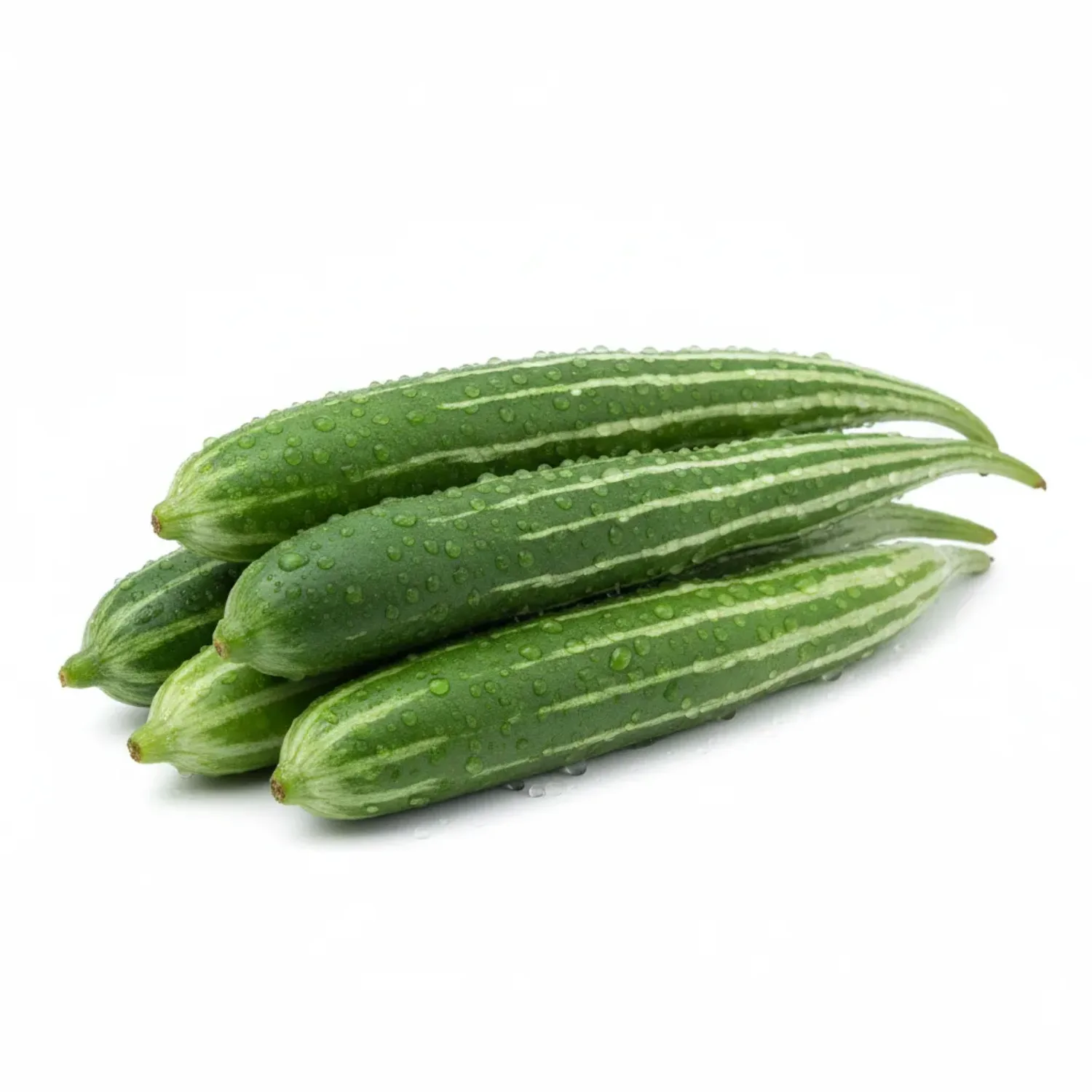
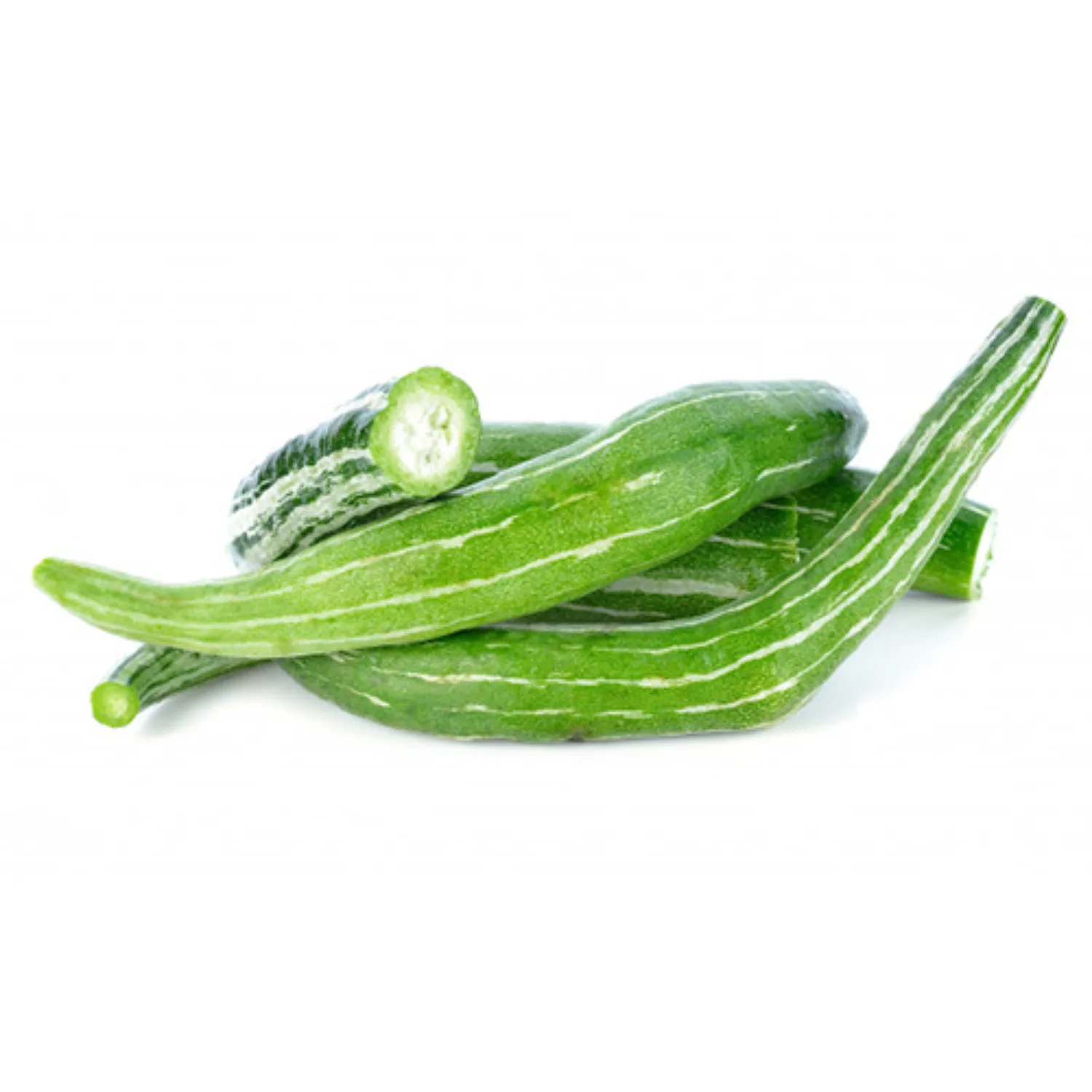
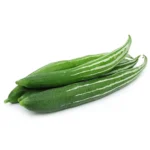



If you are looking for an easy-to-grow vegetable that produces abundant harvests and thrives in the Indian climate, Snake Gourd Seeds are an excellent choice. Snake gourd (Trichosanthes cucumerina), popularly known as Chichinda, Padwal, Pudalangai, or Potlakkaya, is a vigorous climbing vegetable valued for its long, tender fruits and excellent nutritional value. It is one of the most popular vegetables grown in kitchen gardens because it requires minimal maintenance while producing fresh vegetables for several months.
Our premium Snake Gourd Seeds are carefully selected for high germination, vigorous growth, disease tolerance, and superior fruit quality. Whether you have a backyard, terrace, balcony, grow bag, raised bed, or farm, these seeds are suitable for all growing conditions.
Snake gourd grows best in warm climates and performs exceptionally well during the summer and monsoon seasons across India. With proper sunlight, nutrient-rich soil, and regular watering, you can enjoy continuous harvesting of tender snake gourds throughout the season. Warm weather, full sun, and well-drained fertile soil are consistently recommended for successful cultivation.
Product Highlights
Why Choose Our Snake Gourd Seeds?
- High Germination Rate
- Premium Quality Seeds
- Strong and Vigorous Vines
- Suitable for Home Gardens & Farms
- Excellent Fruit Size
- Ideal for Grow Bags & Pots
- High Yield Potential
- Easy to Grow for Beginners
- Perfect for Organic Gardening
- Fresh and Healthy Harvests
Quick Growing Information
| Growing Information | Details |
|---|---|
| Botanical Name | Trichosanthes cucumerina |
| Common Name | Snake Gourd, Chichinda |
| Plant Type | Annual Climber |
| Sowing Season | February–July in most parts of India; year-round in warm southern regions |
| Germination Time | 7–14 days |
| Harvest Time | Approximately 80–120 days after sowing, depending on variety and conditions |
| Sunlight | 6–8 hours daily |
| Water Requirement | Moderate |
| Difficulty Level | Easy |
Germination Process
- Step 1: Seed Preparation: For improved germination, soak the seeds in clean water for 1–8 hours before sowing. This helps soften the hard seed coat and encourages faster sprouting.
- Step 2: Prepare Growing Medium: Use a light, well-drained seed-starting mix made from:
- Cocopeat
- Vermicompost
- Garden soil
- Sand or perlite
- Step 3: Sow the Seeds: Plant seeds about 1.5–2.5 cm (½–1 inch) deep. Maintain spacing if sowing directly into the garden.
- Step 4: Keep Soil Moist: Water gently after sowing. Avoid waterlogging.
- Step 5: Maintain Warm Temperature: Snake gourd seeds germinate best between 25°C and 35°C.
- Step 6: Germination: Healthy seeds usually sprout within 7–14 days, though warmer conditions may speed germination.
Sunlight Requirement
Sunlight Requirement
Snake gourd is a sun-loving climbing vegetable. For maximum flowering and fruit production:
- Provide 6–8 hours of direct sunlight daily
- More sunlight results in healthier vines
- Strong sunlight encourages female flower production
- Better light leads to improved fruit setting
- Install a sturdy trellis for vertical growth and better air circulation
Insufficient sunlight may result in excessive leafy growth and reduced fruit production.
Soil & Fertilizer Requirement for Best Foliage and Fruiting
Healthy soil is the foundation of vigorous vines and abundant harvests.
- Best Soil: Snake gourd prefers
- Loose soil
- Fertile soil
- Well-drained soil
- Rich organic matter
- Soil pH between 6.0 and 7.5
- Ideal Potting Mix:
- 40% Garden Soil
- 30% Vermicompost
- 20% Cocopeat
- 10% River Sand
- Fertilizer Schedule:
- Before Planting Mix:
- Well-rotted cow manure
- Vermicompost
- Neem cake
- Bone meal (optional)
- Vegetative Stage Apply:
- Vermicompost every 20–25 days
- Seaweed extract
- Organic liquid fertilizer
- Flowering Stage Feed with:
- Banana peel fertilizer
- Bone meal
- Phosphorus-rich fertilizer
- Wood ash (sparingly)
- Balanced NPK fertilizer if growing conventionally
- Fruiting Stage Use:
- Compost tea
- Potassium-rich organic fertilizer
- Liquid seaweed every 15–20 days
- Avoid overusing nitrogen after flowering, as it promotes foliage at the expense of fruit production.
Water Requirement
Snake gourd requires consistent moisture.
- During Germination: Water lightly every day or when the topsoil begins to dry.
- During Vegetative Growth: Water deeply 2–3 times per week, depending on weather.
- During Flowering & Fruiting: Increase watering frequency during hot weather while ensuring good drainage.
- Avoid
- Waterlogging
- Dry soil for extended periods
- Splashing water onto foliage late in the day
- Mulching helps retain moisture, suppress weeds, and keep roots cool.
Trellis Support
Snake gourd vines grow rapidly and perform best when trained vertically.
Benefits include:
- Straighter fruits
- Better air circulation
- Easier harvesting
- Reduced disease pressure
- Improved sunlight exposure
- Cleaner fruits
Use bamboo poles, ropes, or wire mesh to support vigorous growth.
Pest Control
- Common Pests:
- Fruit flies
- Aphids
- Whiteflies
- Red spider mites
- Leaf miners
- Organic Control Methods:
- Neem oil spray every 10–15 days
- Sticky yellow traps
- Garlic-chili spray
- Hand removal of heavily infested leaves
- Maintain good sanitation
- Common Diseases:
- Powdery mildew
- Downy mildew
- Wilt
- Leaf spot
- Disease Prevention:
- Ensure proper spacing
- Avoid overhead watering late in the day
- Remove infected foliage promptly
- Improve airflow with trellising
- Rotate crops between seasons
Benefits of Growing Snake Gourd at Home
Growing your own snake gourd offers many advantages:
- Fresh vegetables anytime
- Chemical-free produce
- Cost-effective gardening
- Highly productive vines
- Suitable for terrace gardens
- Great for beginners
- Excellent nutritional value
- Continuous harvesting
- Supports sustainable gardening
- Beautiful climbing plant for vertical spaces
Harvesting
- Harvest snake gourds while they are young, tender, and bright green.
- Do not wait until fruits become overly mature, as they become fibrous and seeds harden.
- Regular harvesting stimulates continuous flowering and fruit production throughout the season.
Final Words
Snake Gourd Seeds are one of the best vegetable seeds for Indian home gardens. Their excellent germination, rapid growth, high productivity, and adaptability make them a rewarding crop for beginners and experienced gardeners alike. With a warm growing environment, rich soil, regular watering, and a sturdy trellis, you can enjoy months of fresh, homegrown snake gourds straight from your garden.
Whether you are creating a balcony vegetable garden, managing a terrace garden, or cultivating a larger kitchen garden, these premium-quality Snake Gourd Seeds are an ideal choice for achieving a healthy, productive harvest.
Frequently Asked Questions (FAQs)
What is the best time to sow Snake Gourd Seeds in India?
The ideal sowing period is February to July in most regions. In warm southern states, snake gourd can often be grown almost year-round.
How long do Snake Gourd Seeds take to germinate?
Under warm conditions and with adequate moisture, seeds generally germinate within 7–14 days.
Can I grow snake gourd in pots or grow bags?
Yes. Use a large container (at least 15–18 inches deep and wide), provide a nutrient-rich growing medium, and install a trellis for support.
How much sunlight does a snake gourd plant need?
Snake gourd performs best with 6–8 hours of direct sunlight every day for healthy vines, flowering, and fruiting.
When can I harvest snake gourds?
Most varieties are ready for harvest in about 80–120 days after sowing, depending on climate, variety, and growing conditions. Pick fruits while they are still young and tender for the best taste.
Reviews
There are no reviews yet