
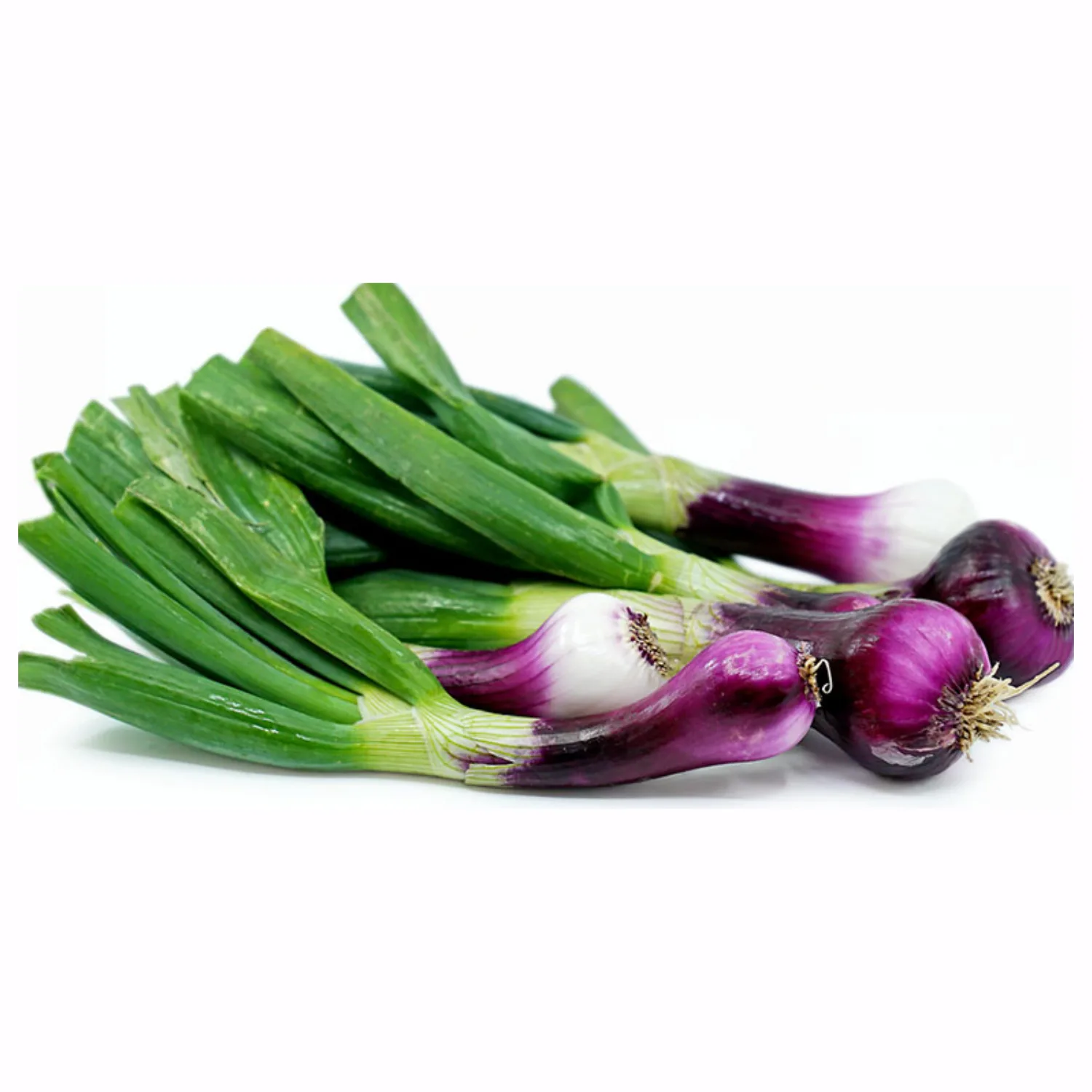
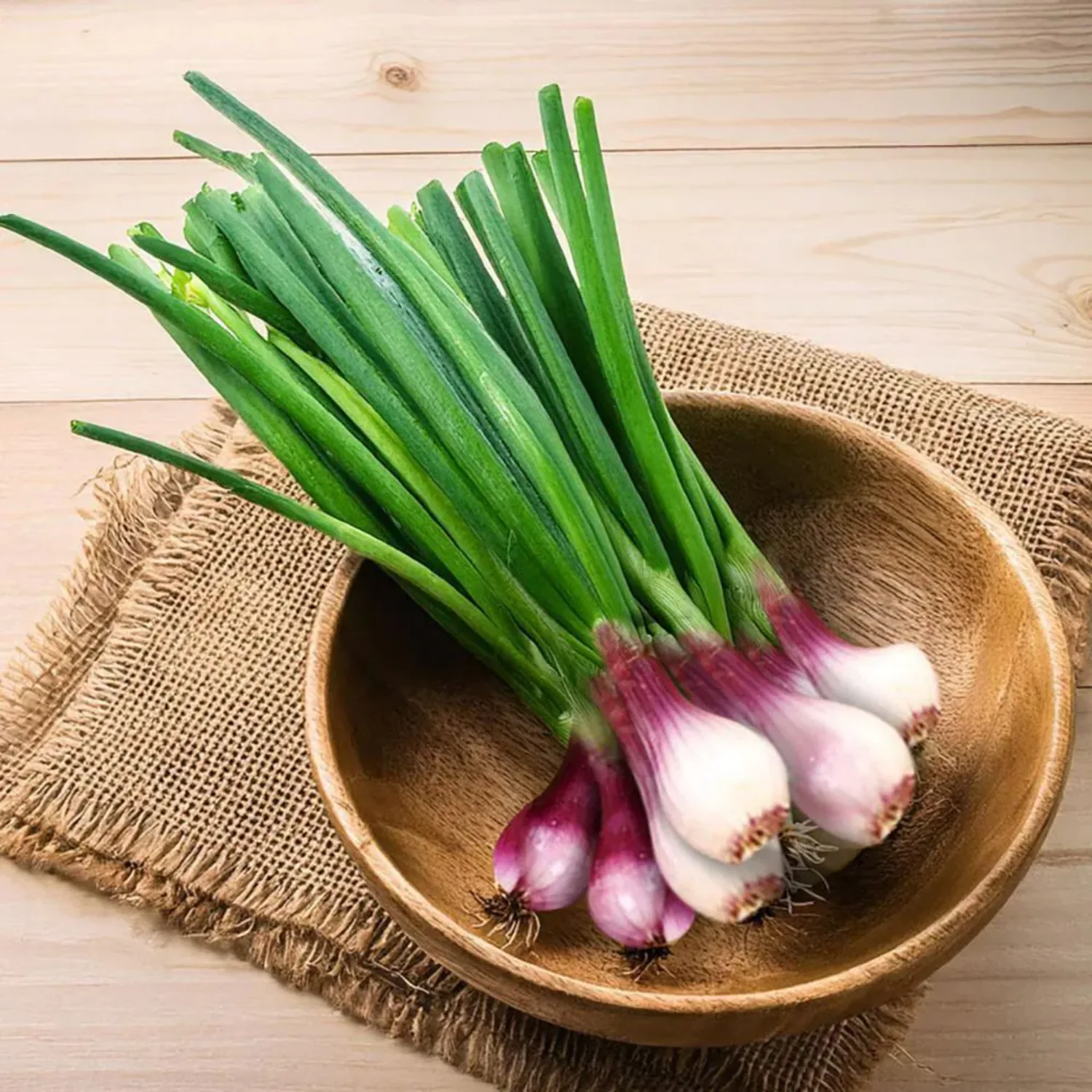
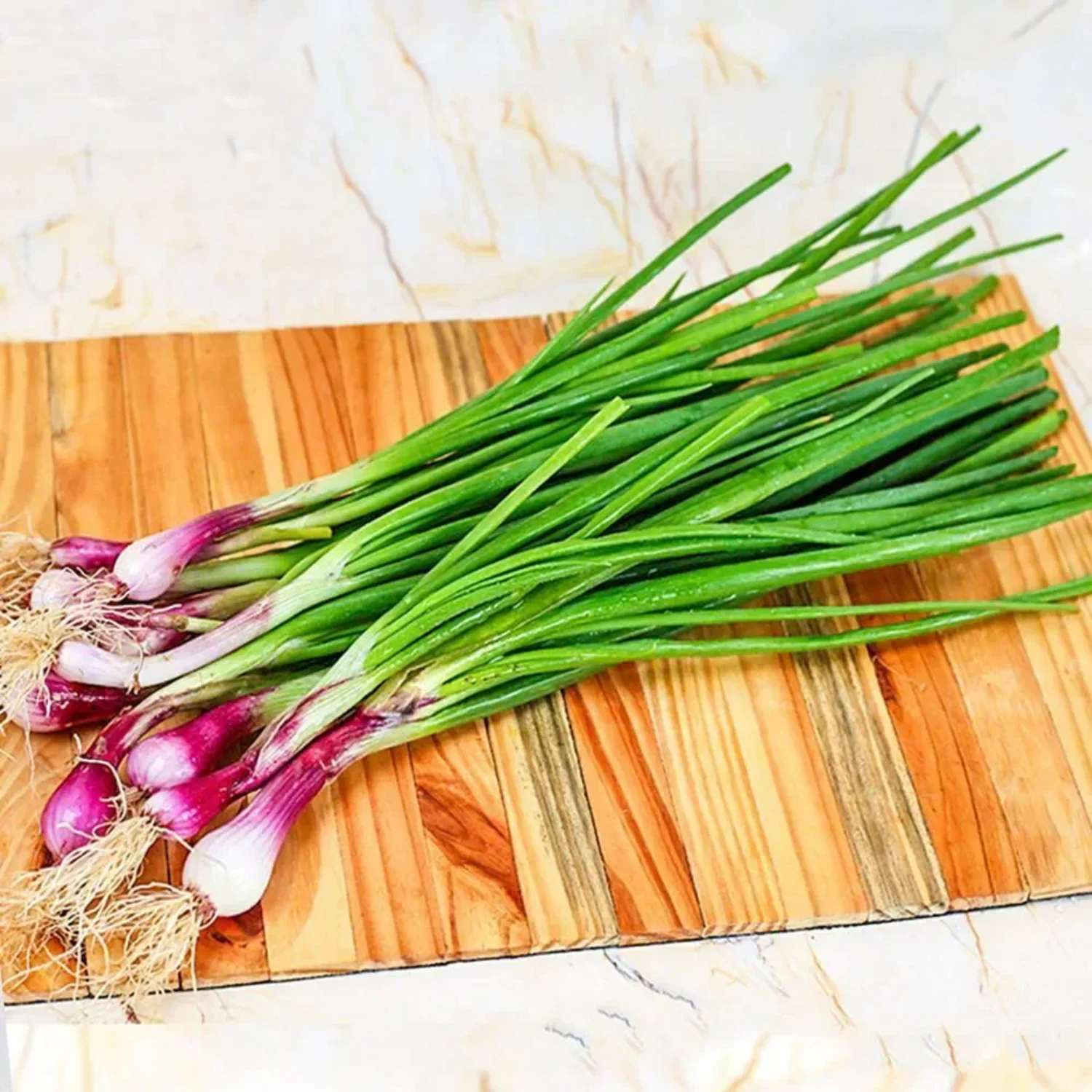
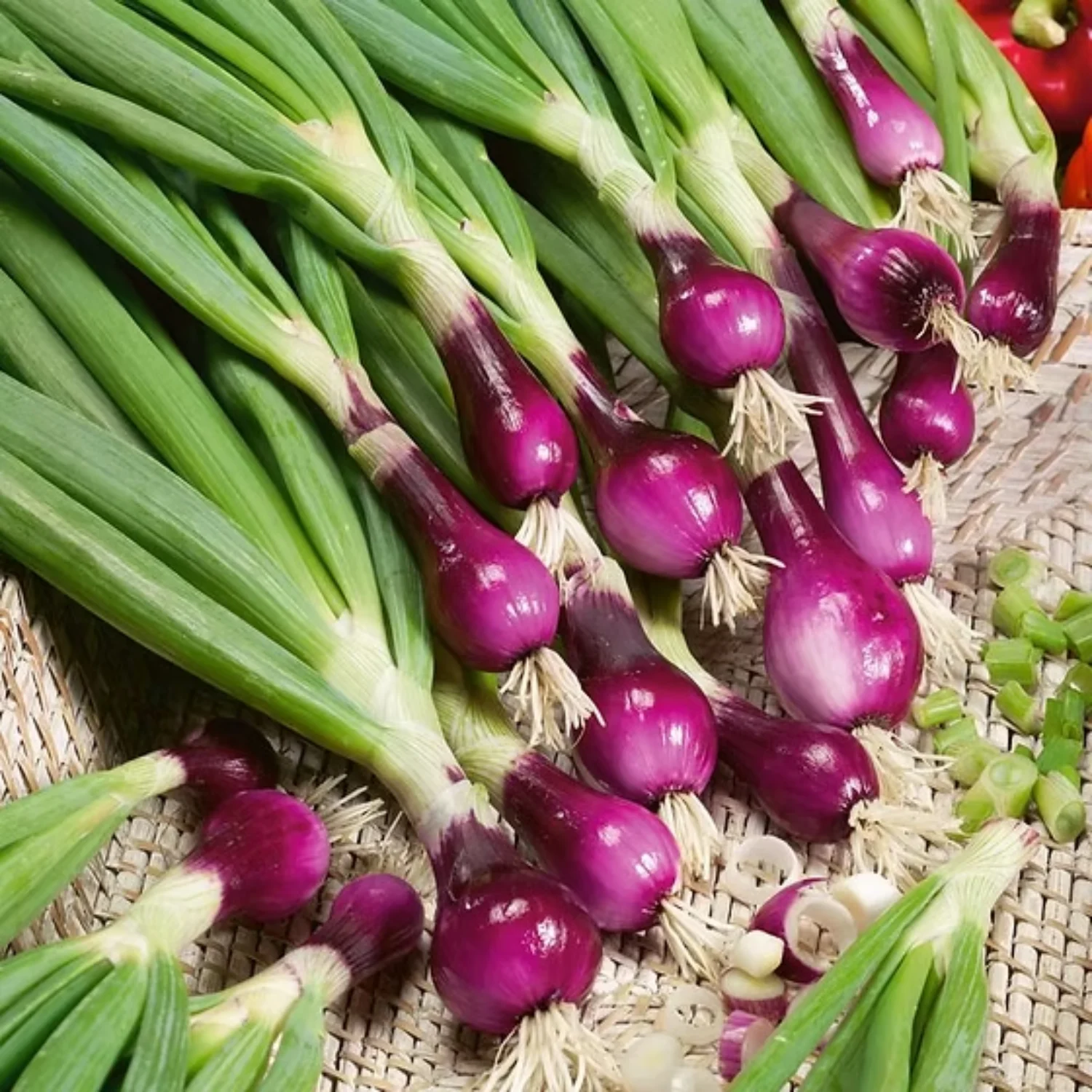
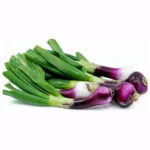
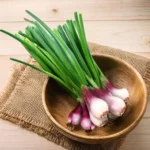
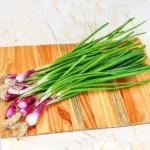
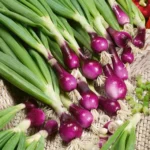
Spring Onion Seeds are one of the most popular vegetable seeds among home gardeners, kitchen gardeners, terrace gardeners, and commercial growers. Known for their mild onion flavor, tender green stalks, and rich nutritional value, spring onions are easy to grow and highly rewarding. Whether you want fresh greens for salads, soups, stir-fries, noodles, sandwiches, or garnishing, growing spring onions at home ensures a continuous supply of fresh, chemical-free produce.
Spring onions (Allium fistulosum) belong to the onion family and are cultivated primarily for their long green leaves and small white bulbs. They are fast-growing, require minimal maintenance, and can be successfully grown in pots, grow bags, raised beds, kitchen gardens, balconies, terraces, and open fields.
These premium-quality Spring Onion Seeds offer excellent germination rates, vigorous growth, lush green foliage, and high yields. With proper care, gardeners can enjoy multiple harvests throughout the growing season.
Why Choose Our Spring Onion Seeds?
- High Germination Rate: Carefully selected and tested seeds ensure strong and healthy seedlings.
- Fast Growing Variety: Produces tender green stalks within a short growing period.
- Suitable for Home Gardens: Perfect for containers, grow bags, raised beds, terrace gardens, and kitchen gardens.
- Rich in Nutrients: Contains vitamins A, C, K, folate, fiber, and antioxidants.
- Easy to Grow: Suitable for beginners and experienced gardeners alike.
- Multiple Harvests: Leaves can be harvested repeatedly for continuous production.
- Fresh & Chemical-Free Produce: Enjoy homegrown spring onions straight from your garden.
Benefits of Growing Spring Onion
Spring onions are not only delicious but also packed with health benefits:
- Rich source of Vitamin C and antioxidants
- Supports immune system health
- Helps improve digestion
- Low in calories
- Excellent source of dietary fiber
- Contains beneficial sulfur compounds
- Enhances flavor in various dishes
- Easy to grow year-round in many regions
Germination Process of Spring Onion Seeds
Successful germination is the foundation of a healthy crop. Spring onion seeds germinate quickly when provided with proper moisture, temperature, and soil conditions.
- Step 1: Prepare the Soil
- Use a well-draining seed-starting mix or garden soil enriched with organic compost. The soil should be loose, fertile, and free from stones or debris.
- Step 2: Sow the Seeds
- Create shallow rows about 0.5–1 cm deep.
- Sow seeds evenly.
- Cover lightly with fine soil.
- Do not bury seeds too deeply.
- Step 3: Water Gently
- Use a spray bottle or watering can with a fine rose attachment. Keep the soil consistently moist but not waterlogged.
- Step 4: Maintain Ideal Temperature
- The ideal germination temperature is between 15°C and 25°C.
- Step 5: Seed Germination
- Under favorable conditions, seeds begin sprouting within 7–14 days.
- Step 6: Thin Seedlings
- Once seedlings reach 5–7 cm in height, thin them to maintain proper spacing.
- Step 7: Transplant if Needed
- Seedlings can be transplanted after developing 3–4 true leaves.
Germination Tips
- Avoid overwatering.
- Use fresh seeds for best results.
- Maintain consistent soil moisture.
- Protect seedlings from heavy rainfall.
- Provide adequate sunlight after sprouting.
Sunlight Requirement for Spring Onion
Sunlight Requirement for Spring Onion
Sunlight plays a crucial role in developing healthy foliage and strong growth.
- Ideal Sunlight Conditions: Spring onions thrive in:
- Full Sun to Partial Shade
- Minimum 4–6 hours of direct sunlight daily
- Best growth occurs with 6–8 hours of sunlight
- Growing During Summer: In extremely hot regions:
- Provide afternoon shade.
- Use shade nets during peak summer.
- Water regularly to prevent heat stress.
- Growing in Containers: Place containers:
- On balconies receiving morning sunlight.
- On terraces with good air circulation.
- Near windows receiving ample light.
- Signs of Insufficient Sunlight:
- Weak and elongated plants
- Pale green leaves
- Slow growth
- Reduced harvest
- Adequate sunlight encourages lush green leaves and stronger plants.
Soil & Fertilizer Requirement for Best Foliage Growth
Spring onions prefer fertile, well-draining soil rich in organic matter.
Best Soil Mix
- 40% Garden Soil
- 30% Organic Compost
- 20% Cocopeat
- 10% River Sand
This combination improves:
- Drainage
- Root development
- Nutrient availability
- Moisture retention
Ideal Soil pH
Spring onions perform best in slightly acidic to neutral soil: pH 6.0–7.0
Fertilizer Requirements
- Before Sowing
- Mix well-rotted:
- Vermicompost
- Cow manure
- Organic compost into the soil.
- Mix well-rotted:
- During Growth
- Apply:
- Vermicompost every 15–20 days
- Seaweed extract spray
- Organic liquid fertilizer
- Fish emulsion fertilizer
- Apply:
- Nitrogen for Lush Green Leaves
- Spring onions require nitrogen-rich nutrition for vigorous foliage growth.
- Recommended organic sources:
- Vermicompost
- Mustard cake fertilizer
- Compost tea
- Panchagavya
- Recommended organic sources:
- Spring onions require nitrogen-rich nutrition for vigorous foliage growth.
- Avoid Excess Fertilization
- Too much fertilizer may:
- Burn roots
- Cause weak growth
- Reduce overall plant health
- Balanced nutrition ensures thick, tender, and flavorful green stalks.
- Too much fertilizer may:
Water Requirement for Spring Onion
Proper watering helps maintain tender foliage and continuous growth.
- Watering Schedule
- Water immediately after sowing.
- Keep soil consistently moist during germination.
- Water 2–3 times per week depending on weather.
- During Summer
- Increase watering frequency as needed.
- During Winter
- Reduce watering slightly while preventing soil from drying out completely.
- Signs of Underwatering
- Wilting leaves
- Slow growth
- Dry soil
- Signs of Overwatering
- Yellowing leaves
- Root rot
- Fungal diseases
- Best Watering Practice
- Water early morning.
- Avoid waterlogging.
- Ensure proper drainage.
- Apply mulch to retain moisture.
- Moderate and consistent watering produces healthier plants and better yields.
Pest Control for Spring Onion Plants
Although spring onions are relatively resistant, certain pests and diseases may occasionally affect them.
Common Pests
- Aphids
- Symptoms:
- Curled leaves
- Sticky residue
- Reduced growth
- Control:
- Neem oil spray
- Insecticidal soap
- Strong water spray
- Symptoms:
- Thrips
- Symptoms:
- Silver streaks on leaves
- Distorted growth
- Control:
- Neem oil application
- Sticky traps
- Organic insecticides
- Symptoms:
- Onion Maggots
- Symptoms:
- Wilting plants
- Damaged roots
- Control:
- Crop rotation
- Well-drained soil
- Beneficial nematodes
- Symptoms:
Common Diseases
- Downy Mildew
- Symptoms:
- Yellow patches
- Gray fungal growth
- Control:
- Improve air circulation
- Avoid overhead watering
- Apply organic fungicides
- Symptoms:
- Root Rot
- Symptoms:
- Soft roots
- Plant collapse
- Control:
- Avoid overwatering
- Improve drainage
- Symptoms:
Organic Pest Management Tips
- Spray neem oil every 10–15 days.
- Remove infected leaves immediately.
- Maintain garden hygiene.
- Avoid overcrowding.
- Encourage beneficial insects.
Preventive care is always better than treatment.
Harvesting Spring Onions
One of the most exciting stages is harvesting fresh spring onions from your garden.
When to Harvest
- 50–70 days after sowing
- When stalks reach pencil thickness
- When leaves become lush and green
Harvesting Method
- Pull the entire plant gently.
- Or cut outer leaves while allowing regrowth.
Continuous Harvest
Many gardeners prefer harvesting outer leaves periodically for a continuous supply.
Storage Tips
- Refrigerate fresh spring onions.
- Wrap in paper towels.
- Store in perforated bags.
Freshly harvested spring onions offer the best flavor and nutritional value.
Why Home Gardeners Love Spring Onion Seeds
- Quick harvest
- Easy maintenance
- Continuous production
- High nutritional value
- Compact growth habit
- Suitable for small spaces
- Excellent container crop
- Beginner-friendly gardening option
Whether you are starting your first kitchen garden or expanding your vegetable collection, they are among the easiest and most rewarding vegetables to grow.
Final Words
Spring Onion Seeds are an excellent choice for gardeners seeking a fast-growing, nutritious, and easy-to-maintain vegetable crop. Their quick germination, minimal care requirements, and continuous harvest potential make them ideal for home gardens, kitchen gardens, balconies, terraces, and commercial cultivation.
With proper sunlight, fertile soil, balanced watering, and basic pest management, you can enjoy an abundant supply of fresh, tender, and flavorful it throughout the growing season. Whether used in salads, soups, stir-fries, or garnishes, homegrown it provides superior freshness, taste, and nutrition compared to store-bought alternatives.
Start growing it today and enjoy a healthy harvest of delicious green onions straight from your garden.
Frequently Asked Questions (FAQs)
How long do Spring Onion Seeds take to germinate?
It generally germinate within 7–14 days under suitable moisture and temperature conditions.
Can I grow spring onions in pots?
Yes. It grow exceptionally well in pots, containers, grow bags, balcony gardens, and terrace gardens.
How much sunlight do spring onions need?
They require at least 4–6 hours of direct sunlight daily, although 6–8 hours is ideal.
When can I harvest spring onions?
Harvesting usually starts 50–70 days after sowing, depending on growing conditions.
What is the best fertilizer for spring onions?
Organic compost, vermicompost, seaweed extract, compost tea, and nitrogen-rich organic fertilizers are excellent choices.
Reviews
There are no reviews yet