
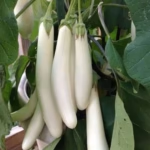
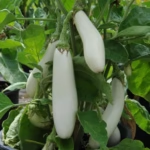
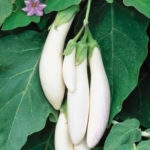
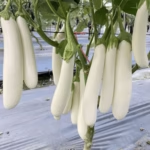
White Long Brinjal Seeds – Grow Fresh, Tender White Eggplants at Home
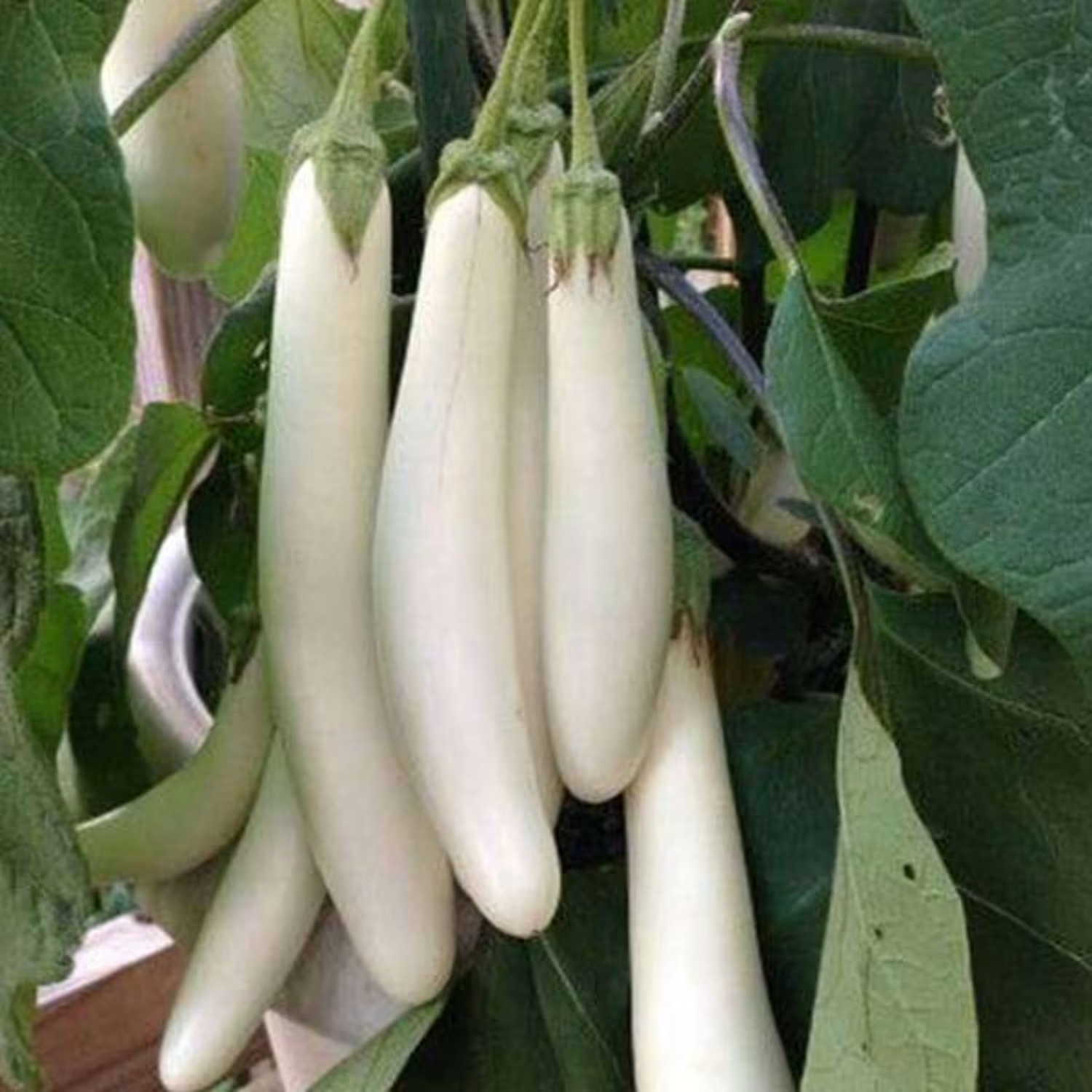
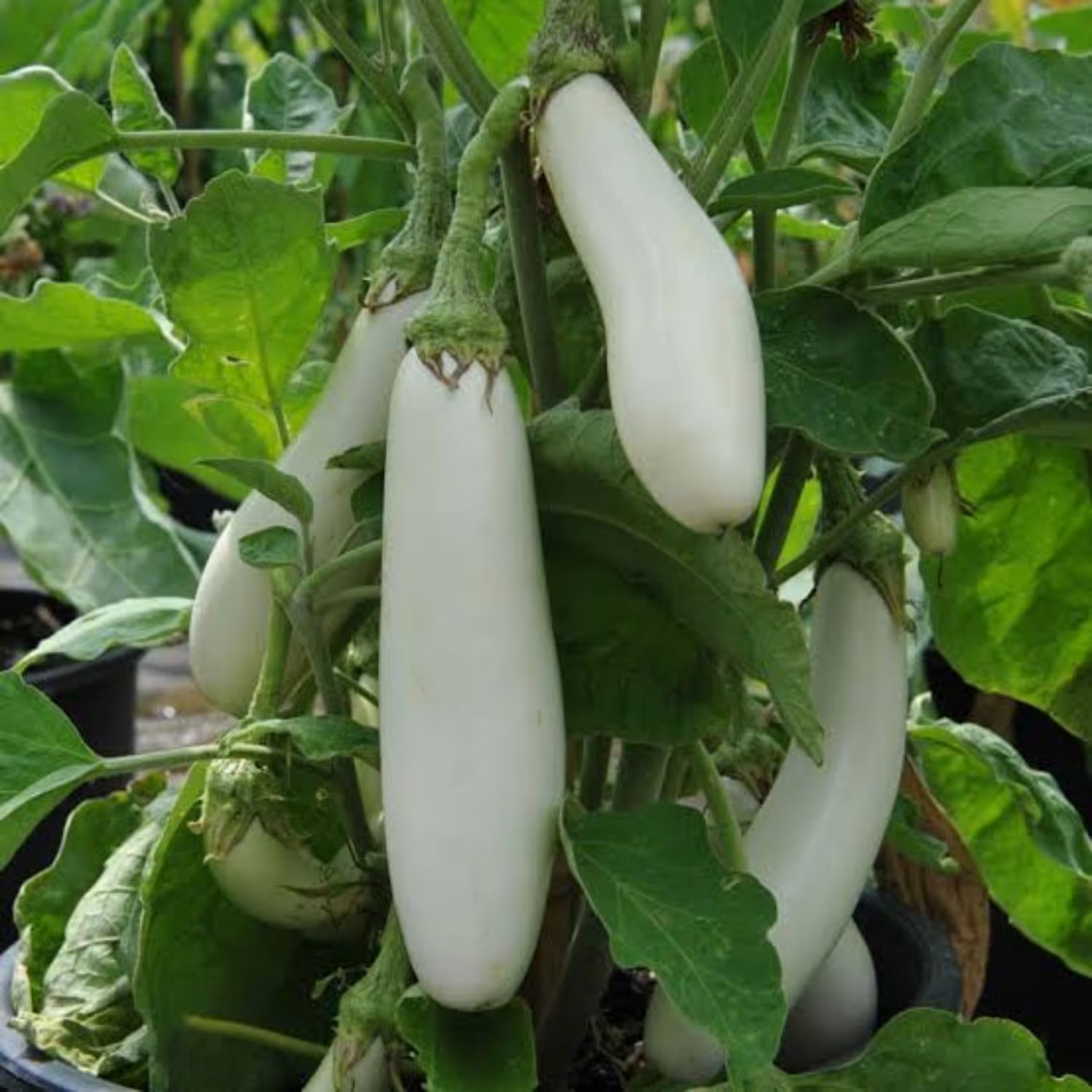
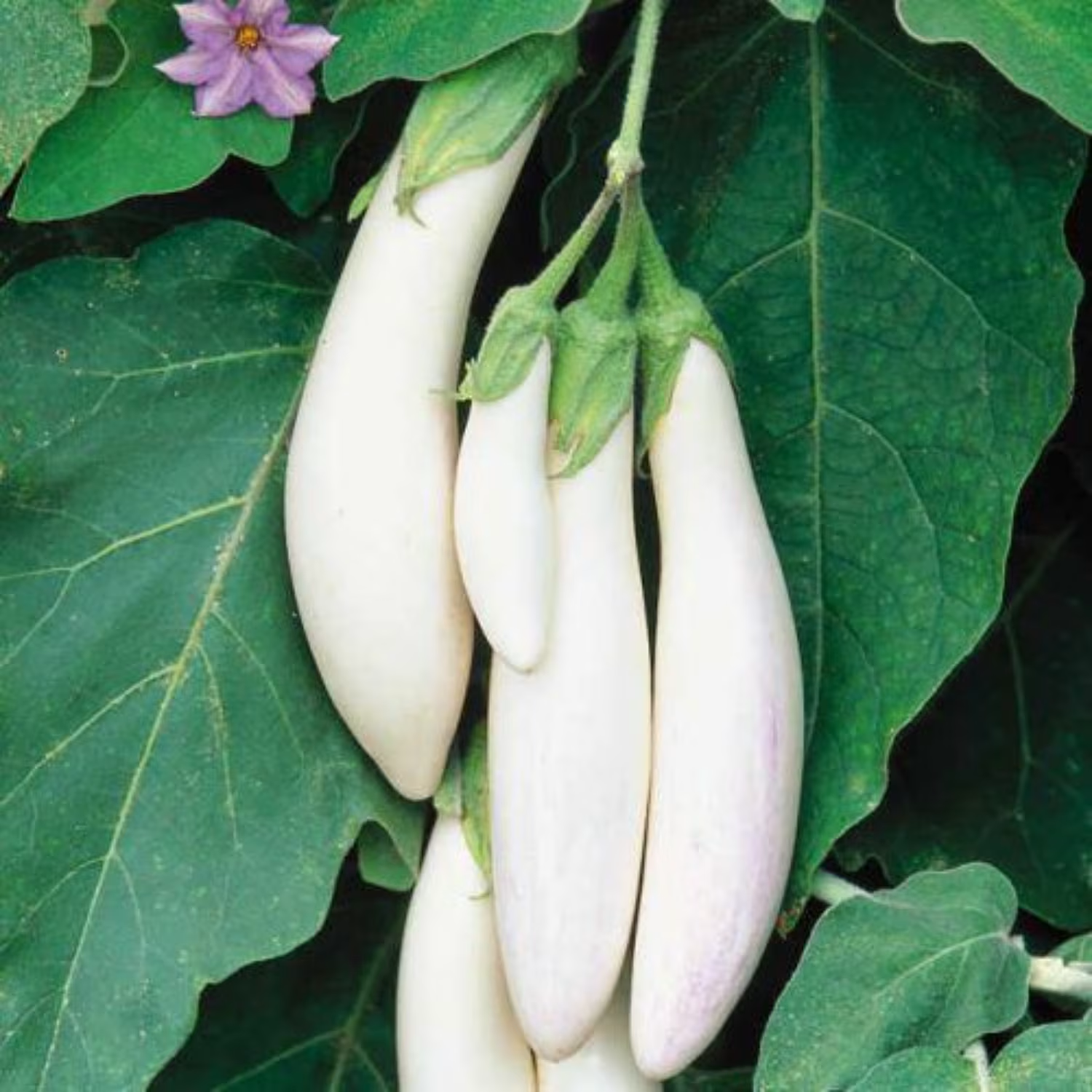
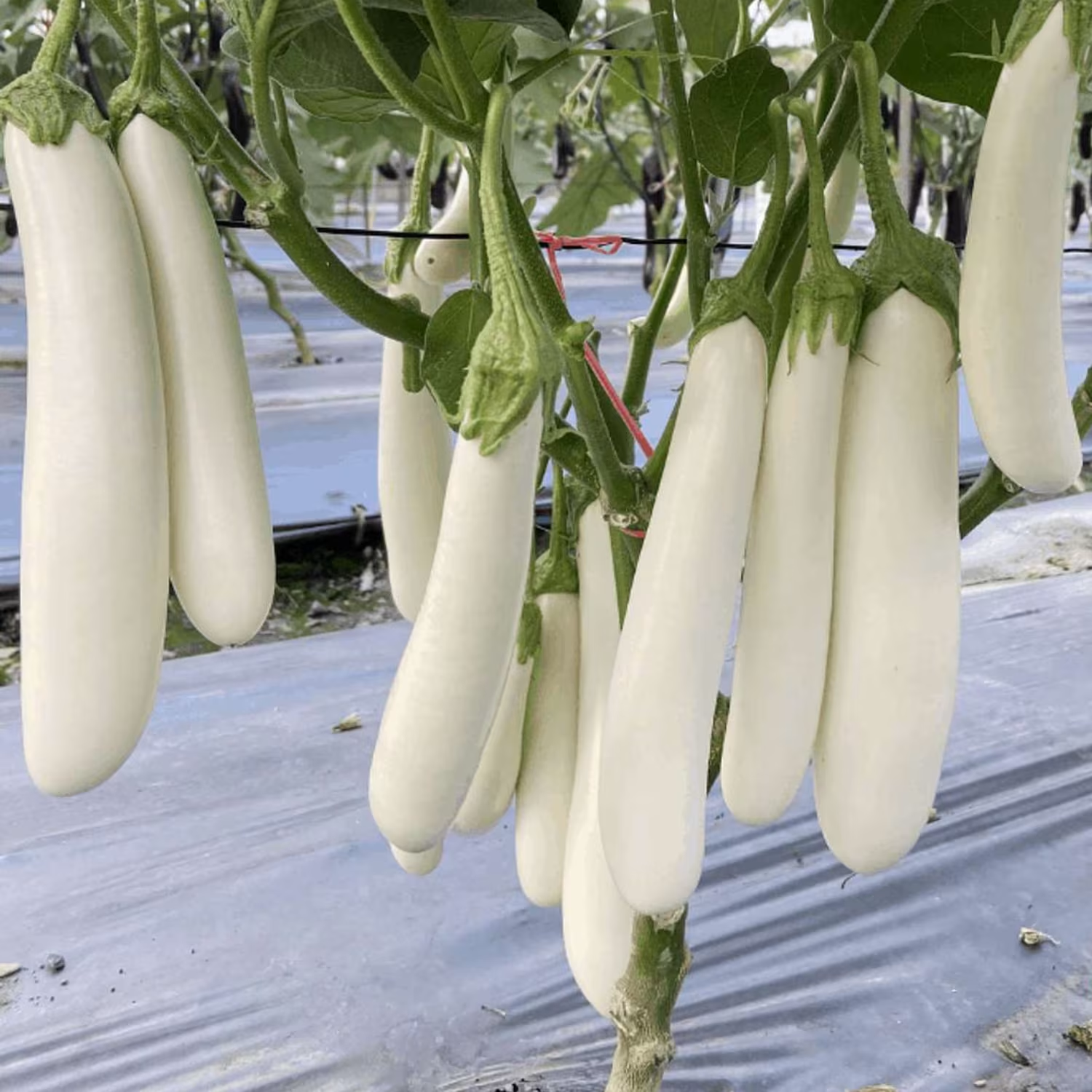
Bring the joy of growing fresh, homegrown vegetables to your garden with White Long Brinjal Seeds. These seeds are a wonderful choice for home kitchen gardens, terrace gardens, balcony vegetable gardens, raised beds, and suitable containers. White long brinjal, also known as white long eggplant or white baingan, is a distinctive vegetable variety valued for its attractive elongated white fruits and versatility in everyday cooking.
Whether you are an experienced gardener or a beginner starting your first vegetable garden, growing white long brinjal can be a rewarding experience. With adequate sunlight, fertile soil, regular watering, and timely plant care, you can grow healthy plants that produce beautiful white fruits for your kitchen.
White brinjal can be used in a variety of Indian dishes, including curries, sabzi, stuffed brinjal preparations, roasted recipes, and other traditional meals. Growing your own vegetables also gives you greater control over watering, soil quality, and harvesting time.
White Long Brinjal Seeds are suitable for:
- Home kitchen gardening and backyard vegetable gardens
- Terrace gardens and raised vegetable beds
- Large pots and grow bags with proper drainage
- Gardeners interested in growing white eggplant at home
- Vegetable growers looking to explore a different brinjal variety
Choose White Long Brinjal Seeds to add variety to your vegetable garden and enjoy the satisfaction of harvesting fresh produce straight from your plants.
Product Highlights
- Product name: White Long Brinjal Seeds
- Common names: White Long Brinjal, White Eggplant, White Baingan
- Scientific name: Solanum melongena
- Plant type: Warm-season vegetable
- Fruit appearance: Elongated white fruits, depending on the variety
- Growing location: Garden beds, backyard gardens, terraces, and large containers
- Sunlight requirement: Approximately 6–8 hours of direct sunlight daily
- Germination time: Usually 7–14 days under suitable conditions
- Sowing method: Nursery sowing followed by transplanting, or direct sowing where appropriate
- Harvest time: Approximately 70–90 days from sowing, depending on the variety and growing conditions
Growing times are estimates, not guarantees. Actual results depend on seed quality, climate, soil, and plant care.
Why Choose White Long Brinjal Seeds?
1. Grow Fresh Vegetables in Your Own Garden
Growing white long brinjal at home allows you to enjoy fresh vegetables without relying entirely on market purchases. You can cultivate plants in a backyard, kitchen garden, or terrace space, provided they receive enough sunlight and have suitable growing conditions.
2. Attractive White, Elongated Fruits
White long brinjal is appreciated for its distinctive white fruit colour and elongated shape. The appearance, length, thickness, and yield can vary according to the particular variety and growing environment.
3. Suitable for Kitchen Gardening
These seeds are a useful option for gardeners who want to grow different vegetable varieties at home. With appropriately sized containers, a fertile growing medium, and consistent care, white brinjal can be cultivated even where garden space is limited.
4. Versatile for Everyday Cooking
White brinjal can be prepared in curries, stir-fries, stuffed vegetable dishes, and traditional Indian recipes. Harvesting the fruits while they are young and tender helps maintain desirable eating quality.
5. An Engaging Gardening Experience
From seed germination to flowering and fruit development, growing brinjal gives beginners an opportunity to learn about vegetable cultivation. Children and adults can also enjoy observing how seedlings develop into productive plants.
How to Germinate White Long Brinjal Seeds
Successful germination is the first step toward healthy plants and a productive harvest. White long brinjal seeds need suitable warmth, moisture, oxygen, and a well-drained growing medium.
Step 1: Prepare the Growing Medium
Use a clean seedling tray, small pots, or a raised nursery bed. Fill the containers with a fine, loose, well-drained seed-starting mix. A suitable commercial seed-starting medium or a clean mixture containing cocopeat and mature compost can work well.
Avoid using heavy, compacted soil that retains excessive water. Waterlogged conditions can cause seeds to rot before they germinate.
Step 2: Sow the Seeds
Sow the seeds approximately 0.5–1 cm deep in moist growing medium. Cover them lightly with the medium and gently firm the surface.
If sowing multiple seeds in a tray, leave enough room to separate seedlings later without damaging their roots.
Step 3: Water Gently
Use a fine rose watering can or spray bottle to moisten the surface. The growing medium should remain evenly moist but not saturated.
Avoid forceful watering because it can expose or displace the seeds.
Step 4: Maintain Warm Conditions
Place the seed tray in a warm location. Temperatures around 25–30°C are generally suitable for brinjal seed germination.
Protect the tray from heavy rain and strong direct afternoon heat. Covering the tray loosely can help retain moisture, but remove the cover or provide ventilation as seedlings emerge.
Step 5: Wait for Germination
White long brinjal seeds commonly germinate in about 7–14 days when conditions are favourable. Some seeds may take longer depending on their age, quality, temperature, and moisture conditions.
Once seedlings emerge, provide adequate light and avoid keeping them in a dark location, where they may become weak and elongated.
Step 6: Transplant Healthy Seedlings
Seedlings are generally ready for transplanting around 4–6 weeks after sowing, when they have developed several true leaves and a strong root system. Harden them gradually by exposing them to outdoor conditions before transplanting.
Move the seedlings carefully into prepared garden beds or individual grow bags. Water them immediately after transplanting to help the roots establish.
Germination tip: Do not overwater the seed tray. Consistent moisture, warmth, and good drainage are more useful than keeping the soil continuously wet.
Sunlight Requirements for White Long Brinjal Plants
Sunlight plays an important role in the development of healthy leaves, strong stems, flowers, and fruits.
How Much Sunlight Is Needed?
Provide approximately 6–8 hours of direct sunlight per day for the best growing results. Select a sunny location in your garden or on your terrace where the plants receive sufficient light throughout the day.
Sunlight for Indoor and Balcony Gardening
Brinjal is not ideally suited to a dark indoor location. If growing on a balcony, choose a bright spot that receives several hours of direct sunlight.
Plants growing in containers may need to be repositioned if nearby walls, buildings, or trees block the sun.
Why Sunlight Matters
Adequate sunlight helps plants:
- Develop strong stems and healthy foliage.
- Produce energy through photosynthesis.
- Support flowering and fruit development.
- Maintain more balanced vegetative growth.
- Improve the chances of achieving a satisfactory harvest.
Insufficient light can lead to weak, elongated plants and reduced flowering. On the other hand, extreme heat combined with water stress may cause flower drop. Maintain regular soil moisture during hot weather.
Soil and Fertilizer Requirements for Healthy Foliage and Flowering
Healthy white long brinjal plants need fertile soil that supplies nutrients while allowing excess water to drain away. Good soil preparation supports root growth, foliage development, flowering, and fruit formation.
1. Choose the Right Soil
Use fertile, well-drained loamy soil rich in organic matter. Brinjal can grow in a range of soil types, but compacted soil and waterlogged conditions should be avoided.
A soil pH of approximately 5.5–6.8 is suitable for many brinjal-growing conditions, although the ideal range can vary by variety and local recommendations.
2. Prepare Soil for Garden Beds
Before planting, loosen the soil and mix in well-decomposed farmyard manure or mature compost. Remove weeds, stones, and large clumps to create a suitable root zone.
Raised beds can be especially helpful in areas that receive heavy rainfall because they improve drainage.
3. Prepare Soil for Pots and Grow Bags
For container gardening, use a loose and nutrient-rich potting medium that drains well. A mixture of quality garden soil, mature compost, and cocopeat or another suitable aeration material can be used, adjusted to local soil conditions.
Choose a container with drainage holes. A grow bag of around 12–15 litres or larger is a practical starting point for one brinjal plant, with larger containers often providing more room for root growth.
4. Apply Organic Fertilizers
Mature compost or well-decomposed farmyard manure can help improve soil structure and provide nutrients gradually.
Vermicompost can also be incorporated in moderate amounts according to the product label and the plant’s requirements. Avoid applying fresh manure directly around roots because it may damage plants or introduce unwanted pathogens.
5. Use Balanced Fertilizers
Brinjal needs nitrogen, phosphorus, potassium, and other essential nutrients throughout its growing cycle.
- Nitrogen: Supports leaf and stem development.
- Phosphorus: Supports root development and contributes to reproductive growth.
- Potassium: Supports plant function, water regulation, and fruit development.
Excess nitrogen can promote abundant foliage at the expense of balanced flowering and fruiting. Follow a suitable vegetable fertilizer label, local agricultural guidance, or soil-test recommendations rather than applying high fertilizer doses without assessment.
6. Fertilizer Application During Growth
At planting, incorporate mature organic matter into the growing medium. Once seedlings are established, use a balanced fertilizer at the recommended rate.
During flowering and fruit development, maintain balanced nutrition and consistent watering. If the leaves become unusually pale, growth slows, or flowering is poor, check sunlight, soil moisture, drainage, and nutrient availability before increasing fertilizer.
Important: More fertilizer does not automatically mean more flowers or fruits. Balanced feeding and good growing conditions produce better results than excessive nutrient application.
Water Requirements for White Long Brinjal
Proper watering is essential for healthy foliage, flowering, and fruit development. Brinjal prefers evenly moist soil but does not tolerate prolonged waterlogging well.
Watering During Germination
Water lightly whenever the upper surface begins to dry. The seed-starting mix should remain moist until germination is complete.
Avoid flooding seed trays or leaving them standing in water.
Watering Young Seedlings
Water young seedlings carefully around the root zone. Allow excess water to drain freely, and avoid keeping the roots continuously saturated.
Watering Established Plants
Water when the upper layer of soil begins to dry. In hot weather, containers may need daily watering, while garden beds may require less frequent irrigation. Adjust according to temperature, rainfall, soil type, container size, and plant growth.
Watering During Flowering and Fruiting
Flowering and fruit development are important stages when moisture stress can affect fruit set and quality. Maintain consistent soil moisture, especially during hot or dry weather.
Drip irrigation or watering directly at the base of the plant can reduce water waste and help keep foliage dry.
Common Watering Mistakes to Avoid
- Overwatering and creating waterlogged soil.
- Allowing container soil to dry out completely during hot weather.
- Watering excessively during periods of heavy rainfall.
- Wetting foliage late in the day when poor airflow encourages disease.
- Using containers without adequate drainage holes.
Pest Control and Disease Management for White Long Brinjal
Brinjal can be affected by insect pests and diseases, particularly when plants are stressed, weeds are unmanaged, or the growing area has poor airflow. Regular inspection and early intervention help protect your crop.
1. Shoot and Fruit Borer
Shoot and fruit borer is one of the major pests of brinjal. Larvae may bore into tender shoots, causing them to wilt, or enter fruits, making them unsuitable for consumption.
Management:
- Inspect plants regularly for wilted shoots and damaged fruits.
- Remove and safely destroy infested plant parts.
- Use suitable pheromone traps where recommended for monitoring and management.
- Keep the garden free of heavily infested crop residues.
- If treatment is necessary, use only a locally registered product labelled for brinjal and the target pest.
2. Aphids and Whiteflies
These small insects feed on plant sap and may cause yellowing, curling, and weak growth. Some can also transmit plant viruses.
Management:
- Inspect the undersides of leaves regularly.
- Remove heavily infested leaves when practical.
- Control weeds that may harbour pests.
- Encourage beneficial insects and avoid unnecessary broad-spectrum insecticide use.
- Consider an appropriate labelled treatment if infestations become severe.
3. Jassids and Other Sap-Sucking Pests
Sap-sucking insects can cause leaf yellowing, curling, and reduced plant vigour.
Management:
- Monitor new growth and leaf undersides.
- Avoid excessive nitrogen fertilization, which can encourage soft growth.
- Maintain balanced irrigation and nutrition.
- Use integrated pest management practices appropriate for the pest identified.
4. Damping-Off and Root Diseases
Seedlings may collapse near the soil surface or develop unhealthy roots when the nursery medium is contaminated or too wet.
Management:
- Use clean seed trays and a fresh, well-drained growing medium.
- Avoid overcrowding seedlings.
- Provide adequate airflow and drainage.
- Do not overwater the nursery.
- Remove affected seedlings and avoid reusing contaminated growing medium without appropriate treatment.
5. Bacterial Wilt
Bacterial wilt can cause sudden wilting even when the soil contains moisture. Infected plants may decline rapidly.
Management:
- Remove severely affected plants carefully.
- Avoid moving contaminated soil between growing areas.
- Use clean planting materials and suitable varieties when available.
- Practise crop rotation and maintain garden sanitation.
- Avoid planting repeatedly in soil with a history of serious wilt problems.
Integrated Pest Management Tips
For healthier plants, inspect your brinjal crop at least twice a week. Remove weeds, monitor pest populations, maintain good drainage, and use traps where appropriate.
Do not use a pesticide merely because leaves appear damaged; first identify the likely cause. If a pesticide is needed, follow the label for the crop, target pest, dose, protective equipment, and pre-harvest interval. Do not harvest or consume treated fruits before the specified waiting period.
Flowering and Fruit Development
With suitable warmth, sunlight, water, and nutrition, white long brinjal plants develop flowers that can later form fruits.
Healthy foliage supports photosynthesis, while balanced nutrition helps the plant maintain vegetative growth and reproductive development. Water stress, excessive nitrogen, extreme temperatures, and serious pest infestations can interfere with flowering and fruit set.
To encourage healthy fruit development:
- Provide adequate direct sunlight.
- Avoid large fluctuations in soil moisture.
- Feed plants according to their stage of growth.
- Inspect flowers and young fruits for pest damage.
- Harvest mature fruits promptly to encourage continued production where the variety permits.
Fruit shape, colour, size, and productivity vary with the variety, climate, and cultivation practices.
Harvesting White Long Brinjal
White long brinjal is generally harvested when the fruits have reached a suitable marketable size but remain tender. The exact size and maturity stage depend on the variety.
Under favourable conditions, harvesting may begin approximately 70–90 days after sowing, though some crops take longer depending on the time needed for seedling establishment and fruit development.
How to Harvest
- Examine the fruits for suitable size, firmness, and tenderness.
- Use clean garden scissors or a sharp knife to cut the fruit stalk.
- Avoid pulling or twisting the fruit forcefully, as this may damage branches.
- Harvest regularly as fruits reach the appropriate stage.
- Keep harvested fruits in a cool, shaded place until use.
Leaving fruits on the plant for too long may result in tougher texture or more developed seeds, depending on the variety. Regular harvesting helps you enjoy the fruits at their best eating stage.
White Long Brinjal Seeds for Home Kitchen Gardening
White Long Brinjal Seeds are a useful choice for gardeners who want to grow an unusual and versatile vegetable in their home garden. Whether you are preparing a backyard vegetable patch or growing vegetables in containers on your terrace, proper planning can help you make better use of your available space.
Start with a well-drained growing medium, sow seeds at the correct depth, and provide warm conditions for germination. Once the seedlings establish, move them into a sunny location and maintain balanced nutrition and regular watering.
Monitor plants for pests and diseases throughout the growing cycle. Harvest fruits when they are tender and appropriately developed for cooking.
For beginners, growing brinjal also offers a practical way to learn seed sowing, transplanting, soil preparation, watering, pest monitoring, and harvesting.
Frequently Asked Questions About White Long Brinjal Seeds
1. How long do white long brinjal seeds take to germinate?
White long brinjal seeds generally germinate within 7–14 days under suitable conditions. Warm temperatures, fresh seeds, adequate moisture, and well-drained growing medium can help support successful germination.
2. What is the best time to sow white long brinjal seeds in India?
The best sowing period depends on your region, temperature, rainfall, and local growing season. In many areas, brinjal can be grown during suitable warm-season windows, with sowing schedules adjusted for monsoon and winter conditions. Avoid frost and waterlogged nursery beds.
3. Can white long brinjal grow in pots or grow bags?
Yes. White long brinjal can be grown in a sufficiently large pot or grow bag with drainage holes. A container of approximately 12–15 litres or larger is a practical starting point for one plant. Provide adequate sunlight, fertile soil, and consistent watering.
4. How much sunlight does a white long brinjal plant need?
Brinjal generally performs well with around 6–8 hours of direct sunlight daily. Adequate sunlight supports strong growth, flowering, and fruit development. Protect plants from severe heat stress by maintaining soil moisture and providing appropriate care.
5. How many days does white long brinjal take to harvest?
Harvesting may begin around 70–90 days after sowing under favourable growing conditions, although timing varies by variety and climate. Harvest fruits when they reach suitable size and remain tender rather than waiting until they become overmature.
Final Words: Buy White Long Brinjal Seeds for Your Home Garden
Growing your own vegetables can be a rewarding way to enjoy fresh produce and make your garden more productive. White Long Brinjal Seeds are a great option for gardeners interested in cultivating white eggplant in a kitchen garden, backyard, terrace, or suitable container.
Give your plants the right start with careful seed sowing, warm germination conditions, fertile and well-drained soil, adequate sunlight, and regular watering. Support their growth with balanced nutrition, monitor for common pests, and harvest the fruits at the tender stage.
Whether you are a beginner or an experienced vegetable grower, adding white long brinjal to your garden can bring variety to your homegrown vegetable selection.
Order White Long Brinjal Seeds today and start planning your home kitchen garden!
Product note: Please check the pack details for seed count, variety characteristics, and any seller-specific claims. Germination, fruit size, harvest time, and yield may vary with seed quality and growing conditions.
Reviews
There are no reviews yet