
Introduction: Why Winter is the Best Season for Gardening in India
As the intense heat of the Indian summer subsides and the air turns crisp and cool, a unique opportunity blossoms for gardeners across the country. The period from October to March is a golden window for Indian winter gardening. The mild temperatures, pleasant sunlight, and lower pest pressure create the perfect environment for a spectacular array of flowers to thrive.
Whether you’re cultivating a sprawling garden in North India’s plains, a cozy corner on a Mumbai balcony, or utilizing space for terrace gardening in winter in Chennai, this season is your canvas. Growing winter season flowers is not just a hobby; it’s a therapeutic experience that rewards you with a riot of colors and fragrances right outside your window.
This comprehensive guide is your one-stop resource for the top 10 winter season flowers in India. We won’t just list them; we will provide a detailed manual for each, covering the crucial sowing season in India, ideal temperature, soil type, the best fertilizer for winter flowers, germination time for flowers, and their blooming period. Let’s dig in and plan your perfect winter bloom!
1. Marigold – The Festival Flower
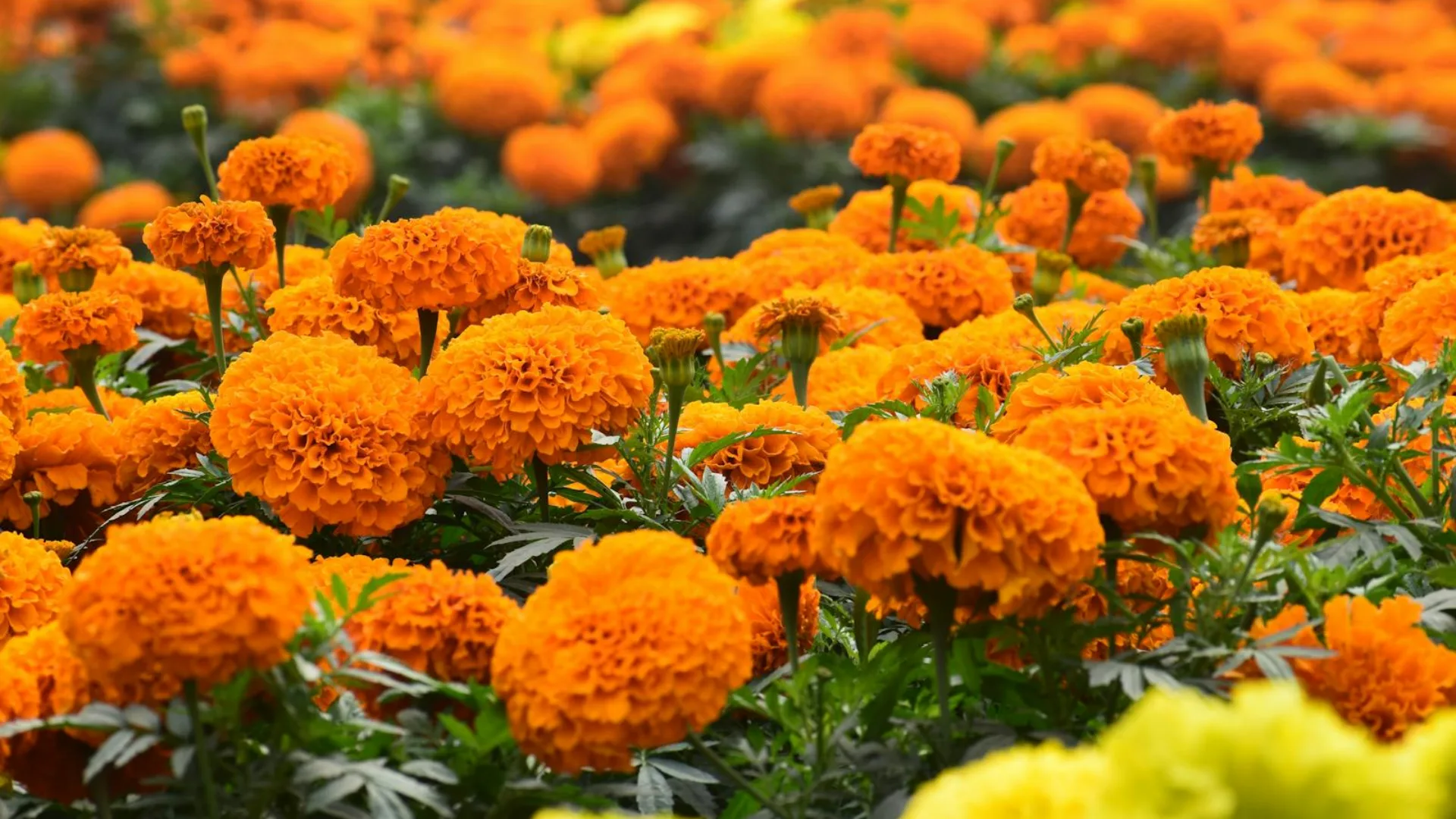
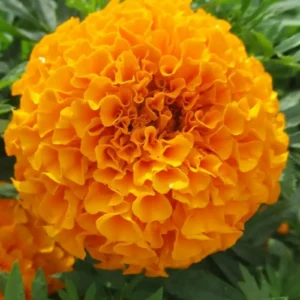
No list of Indian flowers is complete without the iconic Marigold. Marigold is one of the most colorful flowers among Winter Season Flowers. A symbol of celebration, its vibrant shades of sunshine yellow, deep orange, and rustic red are integral to festivals, weddings, and religious ceremonies across the country. Beyond its cultural significance, it’s a hardy, low-maintenance plant perfect for beds, borders, and containers. The African Marigold (large, pompom blooms) and French Marigold (small, bushy plants) are the most popular varieties for winter season flowers India.
- Sowing Season: Mid-September to November is the ideal sowing season in India for most regions. In North India, you can start as early as September.
- Ideal Temperature: Seeds germinate best at 18-22°C. For healthy growth and prolific flowering, maintain a temperature range of 15-28°C.
- Soil Type: It adapts well but prefers well-draining, fertile loamy soil. A slightly acidic to neutral pH (6.0-7.5) is ideal.
- Fertilizers (Best fertilizer for winter flowers): Amend the soil with well-rotted compost or cow dung manure before planting. During growth, a balanced liquid fertilizer (NPK 10:10:10) applied every 3-4 weeks will boost blooming.
- Germination Method & Time: Sow seeds directly in the soil or in seed trays. Cover them lightly with a layer of soil. The germination time for flowers is remarkably quick, typically 5-7 days.
- Bloom Time/Flowering Season: You can expect the first flowers within 8-10 weeks of sowing, and they will continue to bloom profusely throughout the season.
2. Petunia – The Cascading Beauty
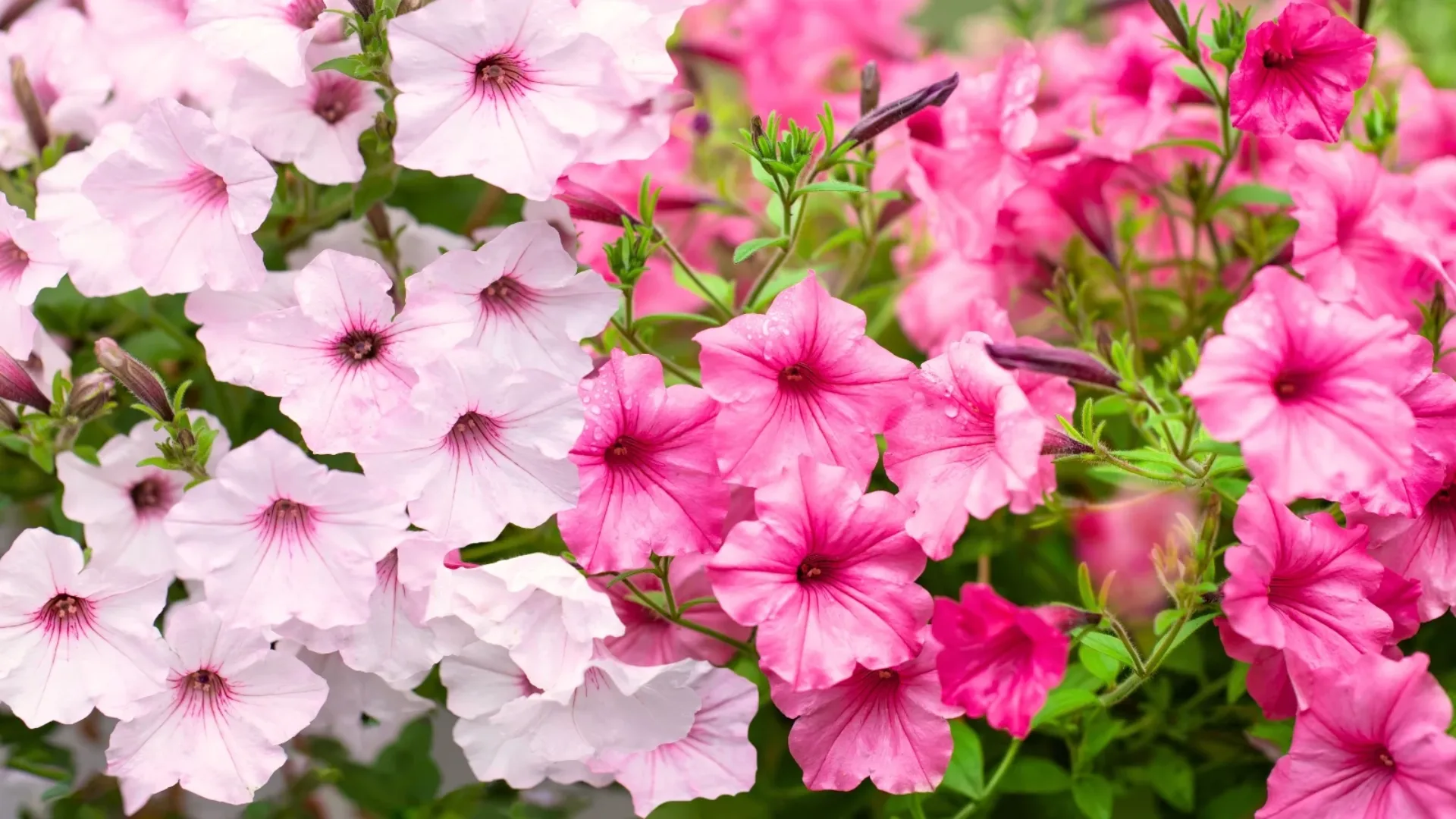
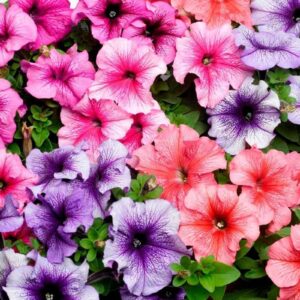
Petunia is one of the most colorful flowers among Winter Season Flowers. Petunias are the undisputed champions of hanging baskets, pots, and terrace gardening in winter. Their trumpet-shaped flowers come in every imaginable color—vibrant pinks, deep purples, radiant reds, clean whites, and stunning bi-colors. They are prolific bloomers, often creating a breathtaking “waterfall” of color that is a cornerstone of many balcony garden ideas India. They are the most popular varieties for winter season flowers India.
- Sowing Season: The perfect sowing season in India for Petunias is October to November.
- Ideal Temperature: For optimal germination, maintain 18-24°C. They flourish in daytime temperatures of 15-25°C.
- Soil Type: Requires light, well-draining, sandy loam soil rich in organic matter. The ideal pH is between 6.0 and 7.0.
- Fertilizers: They are heavy feeders. Start with a balanced fertilizer at planting. To encourage non-stop flowering, switch to a potassium-rich fertilizer (e.g., NPK 15:15:15 or a dedicated “bloom” liquid feed) every two weeks.
- Germination Method & Time: Petunia care India tip: Their seeds are tiny and need light to germinate. Press them gently onto the soil surface but do not cover them. Use a spray bottle to mist water. Germination takes 10-14 days.
- Bloom Time/Flowering Season: Flowers begin to appear about 12-14 weeks after sowing and put on a spectacular show all winter and spring.
3. Pansy – The Cheerful Face
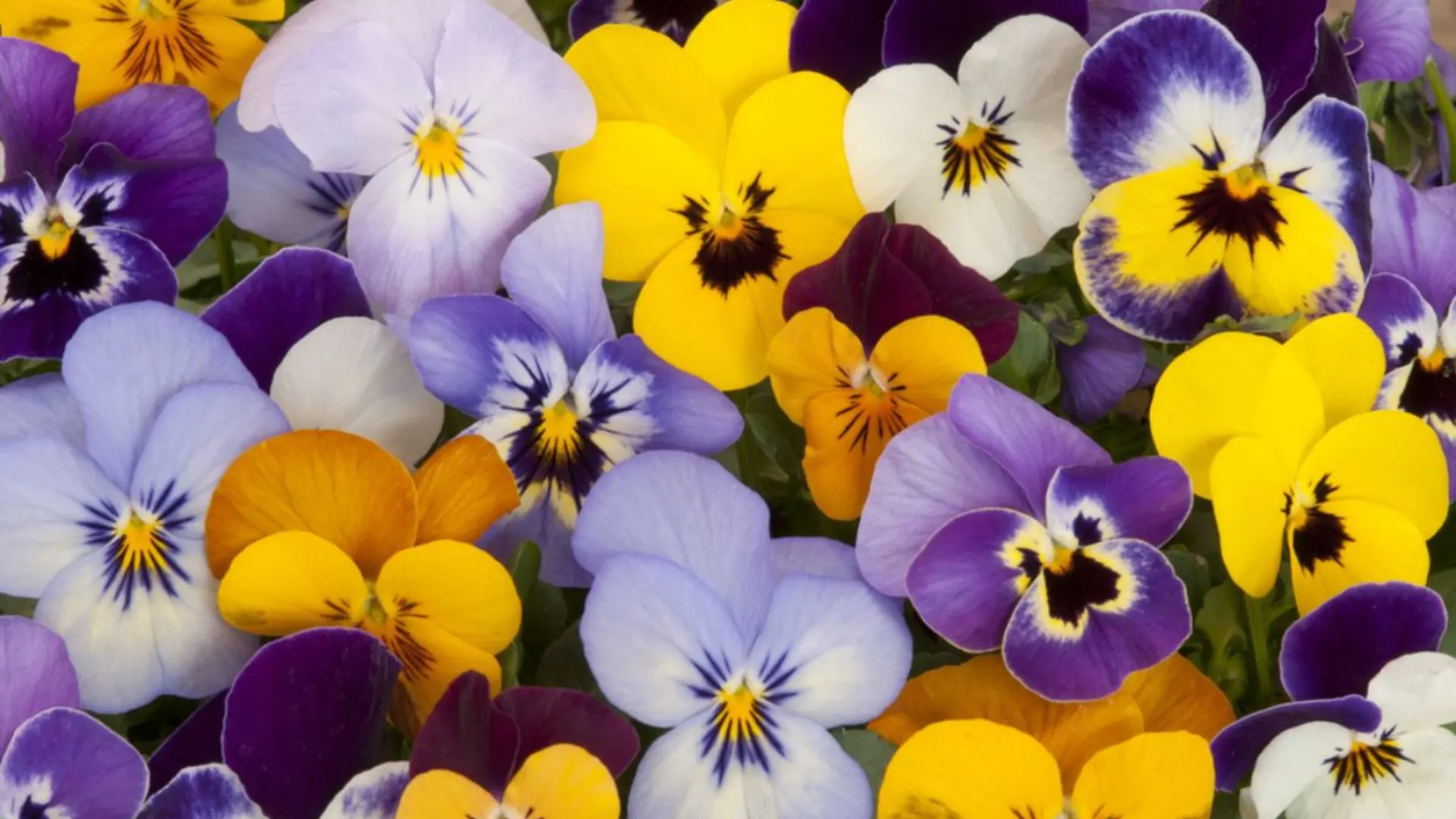
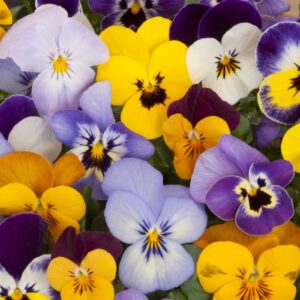
With their almost human-like “faces” and velvety petals, Pansies add a touch of whimsy and charm to any garden. Pansy is one of the most colorful flowers among Winter Season Flowers. They are incredibly versatile, available in single colors and beautiful blends of purple, yellow, blue, and maroon. Learning how to grow Pansies is rewarding, as they are perfect for garden edges, containers, and window boxes. They are the most popular varieties for winter season flowers India.
- Sowing Season: October to mid-November is the best sowing season in India for Pansies.
- Ideal Temperature: They are true cool-weather lovers. Germinate best at 15-20°C and thrive in daytime temperatures of 10-20°C, even tolerating a light frost.
- Soil Type: Prefers moist, well-draining, organic-rich soil with a slightly acidic pH of 5.5 to 6.5.
- Fertilizers: Mix compost into the soil before planting. A monthly dose of a balanced, water-soluble fertilizer will keep them happy.
- Germination Method & Time: Unlike Petunias, Pansy seeds need darkness. Sow them in a tray and cover lightly with soil. Keep the medium moist. Germination takes 10-14 days.
- Bloom Time/Flowering Season: They begin flowering around 90-100 days after sowing and provide reliable color throughout the cool season.
4. Snapdragon – The Dragon’s Spire
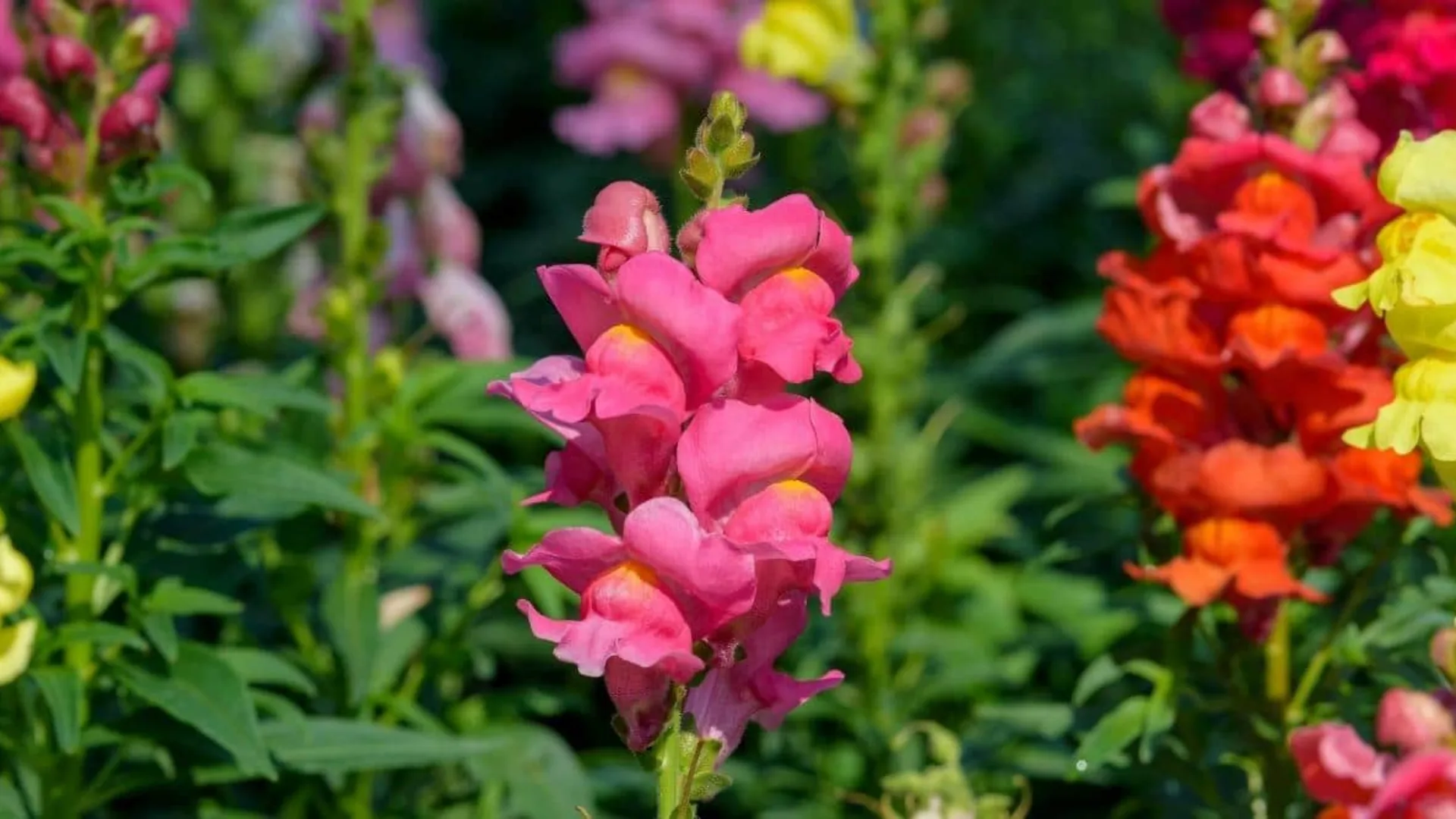
Antirrhinum is one of the most colorful flowers among Winter Season Flowers. Snapdragons are fascinating and elegant, known for their unique dragon-shaped blooms that snap open when squeezed. They grow on tall, sturdy spikes, making them the perfect choice for adding vertical interest to flower beds and as excellent cut flowers. Snapdragon flower seeds yield blooms in a stunning range from pastels to vibrant hues.
- Sowing Season: September to October is ideal for the plains, while in milder regions, sowing season in India can extend to November.
- Ideal Temperature: Germination is best at 15-20°C. For strong growth, they prefer 10-25°C, with cool nights being crucial for sturdy stems.
- Soil Type: Well-draining, organically rich, sandy loam soil with a neutral pH (6.2-7.0) is perfect.
- Fertilizers: Amend the bed with compost before planting. A single monthly application of a balanced fertilizer is usually sufficient.
- Germination Method & Time: Snapdragon flower seeds need light. Press them gently onto the soil surface without covering. Germination takes 7-14 days.
- Bloom Time/Flowering Season: Flowering begins 12-14 weeks after sowing and continues until the summer heat arrives.
5. Calendula – The Pot Marigold
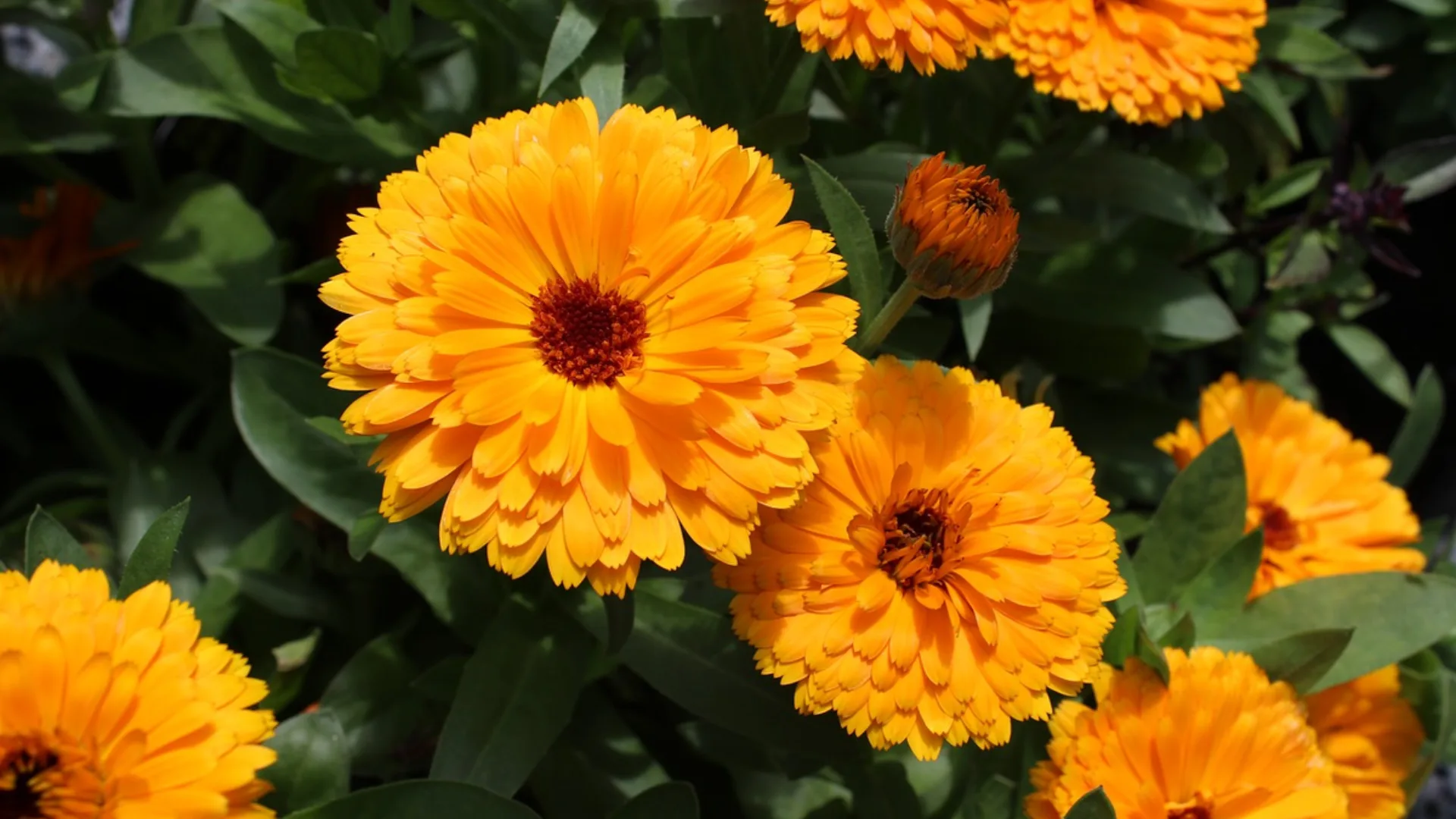
Calendula is one of the most colorful flowers among Winter Season Flowers. Often called Pot Marigold (but different from the common Marigold), Calendula is a cheerful plant with daisy-like flowers in sunny yellow and bright orange. A key reason for its popularity is its Calendula medicinal uses; its petals are edible, anti-inflammatory, and used in salves, teas, and salads. They are the most popular varieties for winter season flowers India.
- Sowing Season: The best sowing season in India for Calendula is October to November.
- Ideal Temperature: Ideal germination temperature is 18-22°C. They grow best in 15-25°C.
- Soil Type: Prefers moderately rich, well-draining soil and is not fussy about pH, making it easy to grow.
- Fertilizers: A little compost at planting time is enough. Over-fertilizing can lead to leafy plants with few flowers.
- Germination Method & Time: Sow seeds directly or in trays, covering them with a thin layer of soil. Germination is quick, in 5-10 days.
- Bloom Time/Flowering Season: The first flowers appear in about 6-8 weeks from sowing. Regular deadheading promotes continuous blooming.
6. Dianthus – The Divine Flower
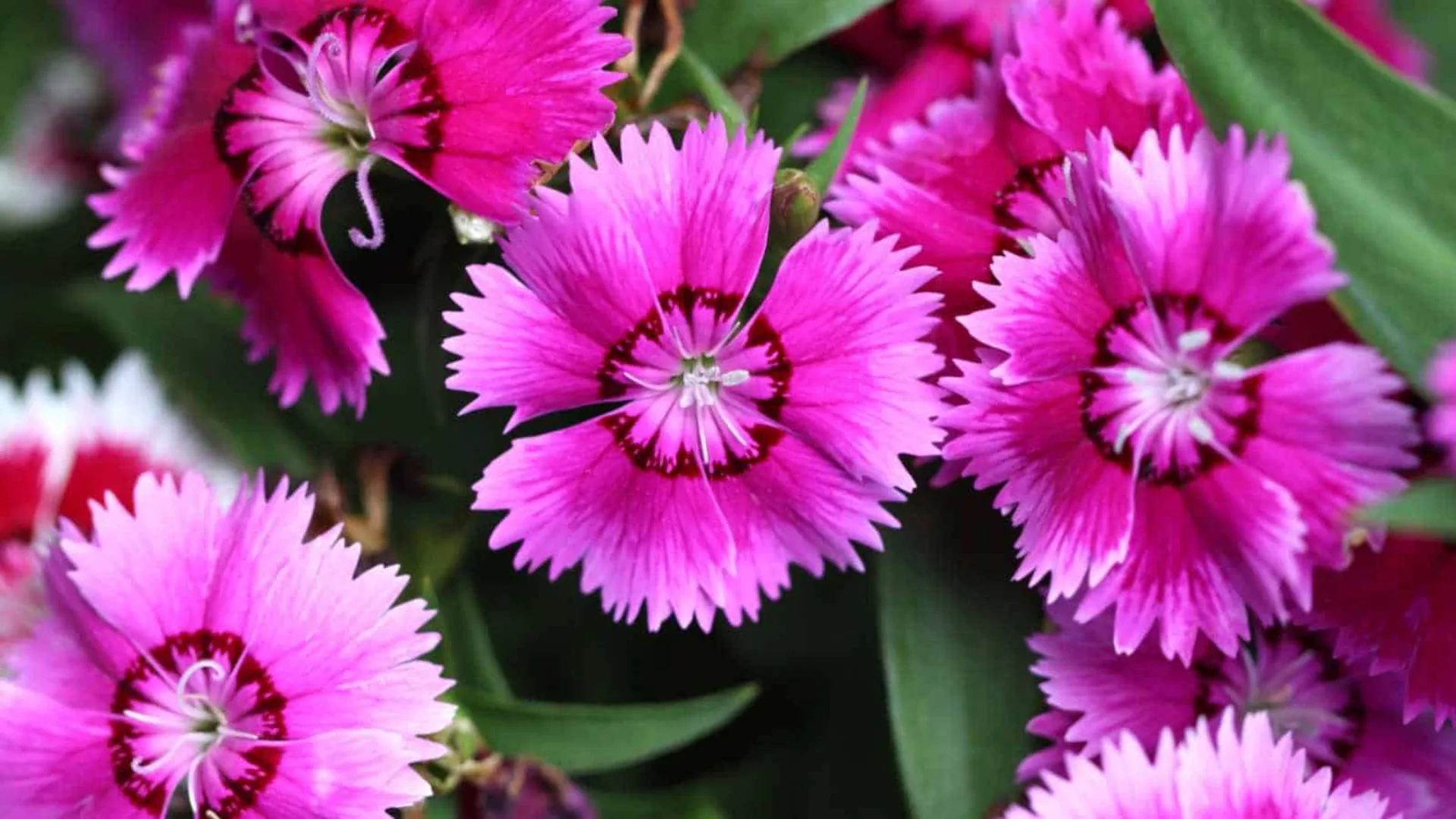
Dianthus is one of the most colorful flowers among Winter Season Flowers. The Dianthus family includes Carnations and Pinks, known for their fringed petals and captivating, spicy-clove fragrance. Dianthus Carnation India varieties are popular for their double flowers, while ‘Pinks’ offer a more rustic charm. They are excellent for borders, rock gardens, and as long-lasting cut flowers.
- Sowing Season: September to October is the prime sowing season in India for Dianthus.
- Ideal Temperature: Germinates well at 15-20°C. Prefers growing in cool temperatures of 10-22°C.
- Soil Type: Excellent drainage is critical. They prefer neutral to slightly alkaline soil.
- Fertilizers: They are light feeders. A single application of a slow-release fertilizer or compost at planting time is often all that’s needed.
- Germination Method & Time: Sow seeds on the soil surface as they need light to germinate. Germination takes 10-14 days.
- Bloom Time/Flowering Season: Plants begin to bloom around 16-18 weeks after sowing.
7. Verbena – The Fragrant Climber
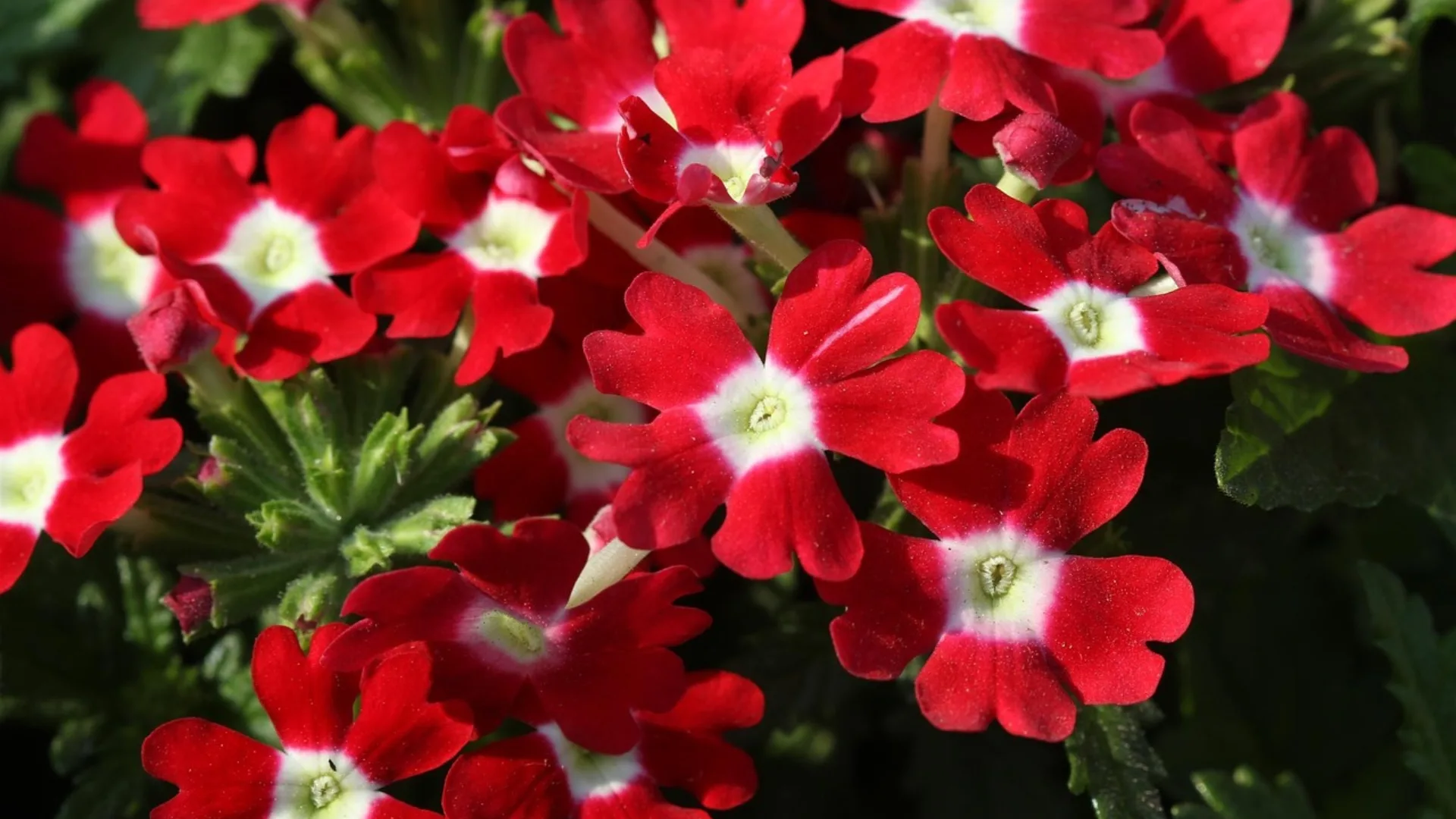
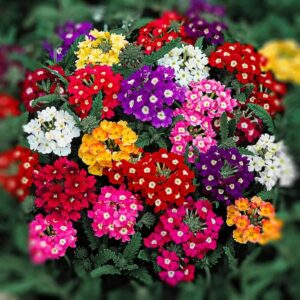
Verbenas are the romantic climbers of the winter garden, cherished for their beautiful, butterfly-shaped flowers and their unforgettable, sweet fragrance. Verbena is one of the most colorful flowers among Winter Season Flowers. They are a must-have for terrace gardening in winter, where they can climb trellises and fences. A Verbena trellis covered in blooms is a sight to behold. They come in every color except yellow. They are the most popular varieties for winter season flowers India.
- Sowing Season: In most parts of India, October is the best month to sow.
- Ideal Temperature: Germination: 15-20°C. Growth: 10-25°C. They love cool roots and sunny tops.
- Soil Type: Requires deep, rich, well-draining, moist soil with a neutral to slightly alkaline pH.
- Fertilizers: Add plenty of compost and well-rotted manure to the planting hole. A fertilizer high in potassium (like a tomato feed) every few weeks supports massive flowering.
- Germination Method & Time: To speed up germination time for flowers, nick the seed coat with a knife or soak seeds in water for 24 hours before sowing. Sow about 1 inch deep. Germination takes 10-14 days.
- Bloom Time/Flowering Season: Vines start flowering in about 12-14 weeks and will continue until the heat causes them to fade.
8. Nasturtium – The Edible Delight
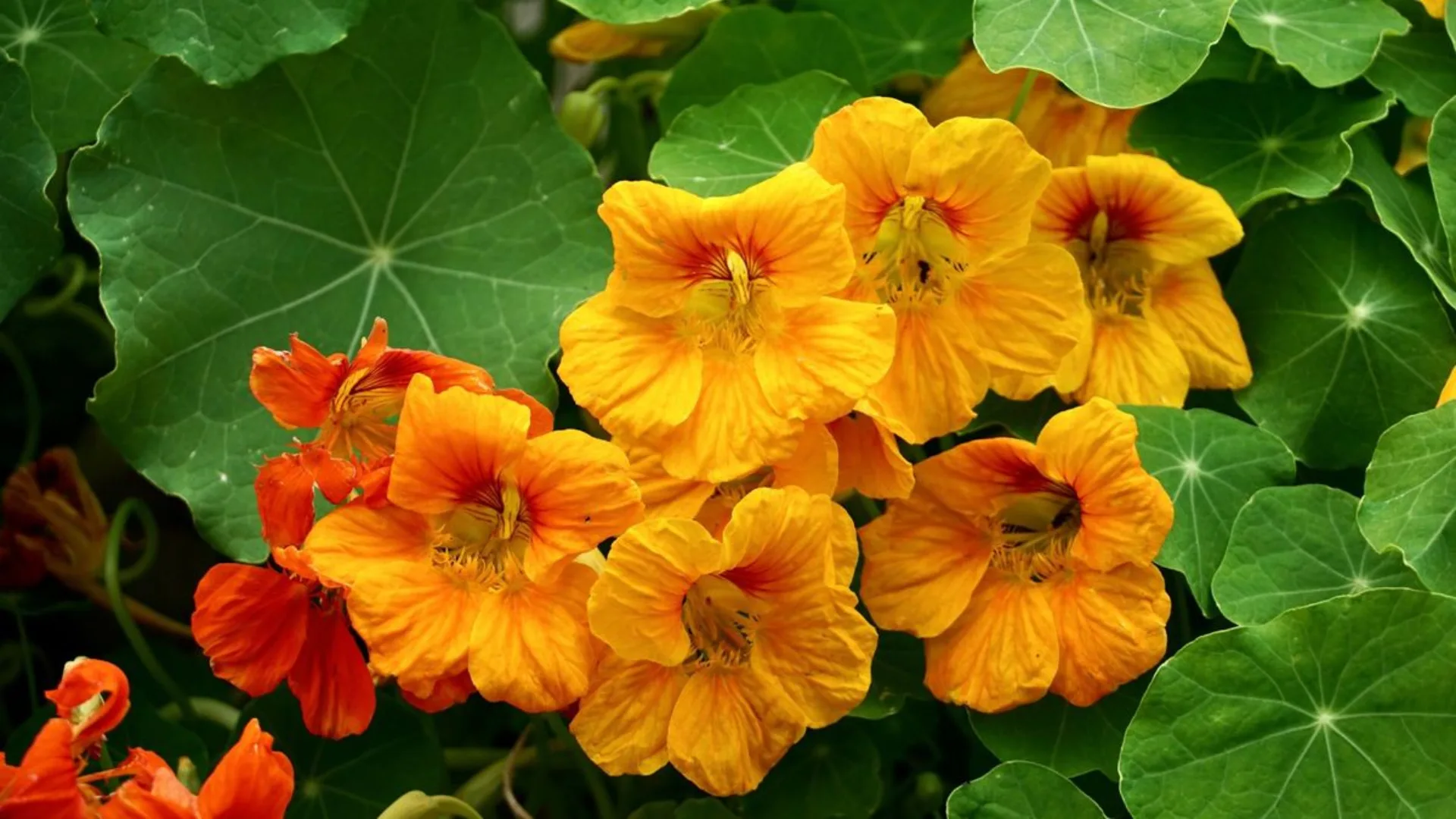
Nasturtium is one of the most colorful flowers among Winter Season Flowers. Nasturtiums are the perfect combination of beauty and function. These easy-to-grow plants feature vibrant, funnel-shaped flowers (in red, orange, yellow, cream) and unique, lily pad-like leaves. The best part? They are Nasturtium edible flowers; the entire plant has a delicious, peppery flavor, perfect for garnishing salads.
- Sowing Season: October to November.
- Ideal Temperature: Germinates at 12-18°C. Grows best in 15-25°C.
- Soil Type: The key to abundant flowers is poor to average, well-draining soil. Rich soil will produce more leaves than flowers.
- Fertilizers: Avoid fertilizing. If the soil is very poor, a light dose of compost is enough.
- Germination Method & Time: Sow seeds directly, about 1 cm deep. Germination is very fast, often within 7-10 days.
- Bloom Time/Flowering Season: Flowers appear within 6-8 weeks of sowing.
9. Salvia – The Bold Spike
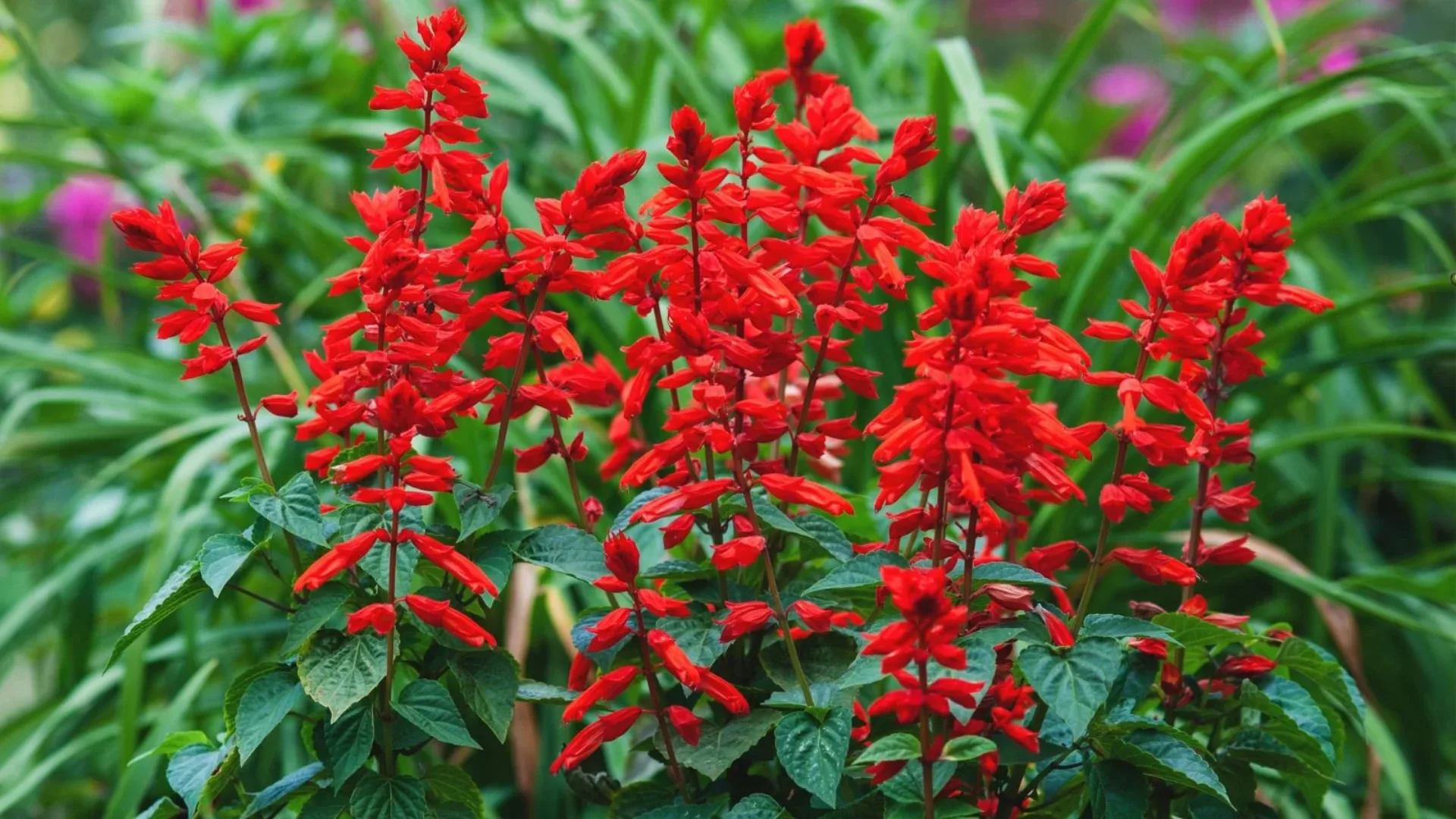
Salvia is one of the most colorful flowers among Winter Season Flowers. Salvia is known for its striking, fiery red spikes that command attention in any garden bed. Modern varieties also offer stunning shades of purple, white, and pink. Salvia plant care is straightforward, and these tall, eye-catching flowers are fantastic for adding structure and for attracting pollinators like butterflies and hummingbirds. They are the most popular varieties for winter season flowers India.
- Sowing Season: September to October.
- Ideal Temperature: Optimal germination temperature is 21-24°C. They grow well in 18-28°C.
- Soil Type: Well-draining garden soil amended with organic matter is perfect.
- Fertilizers: Apply a balanced, all-purpose fertilizer at planting and once during mid-season.
- Germination Method & Time: Surface sow the seeds, as they need light to germinate. Keep consistently moist. Germination takes 12-15 days.
- Bloom Time/Flowering Season: Starts flowering about 10-12 weeks after sowing and continues for a long time.
10. Aster – The Honey-Scented Carpet
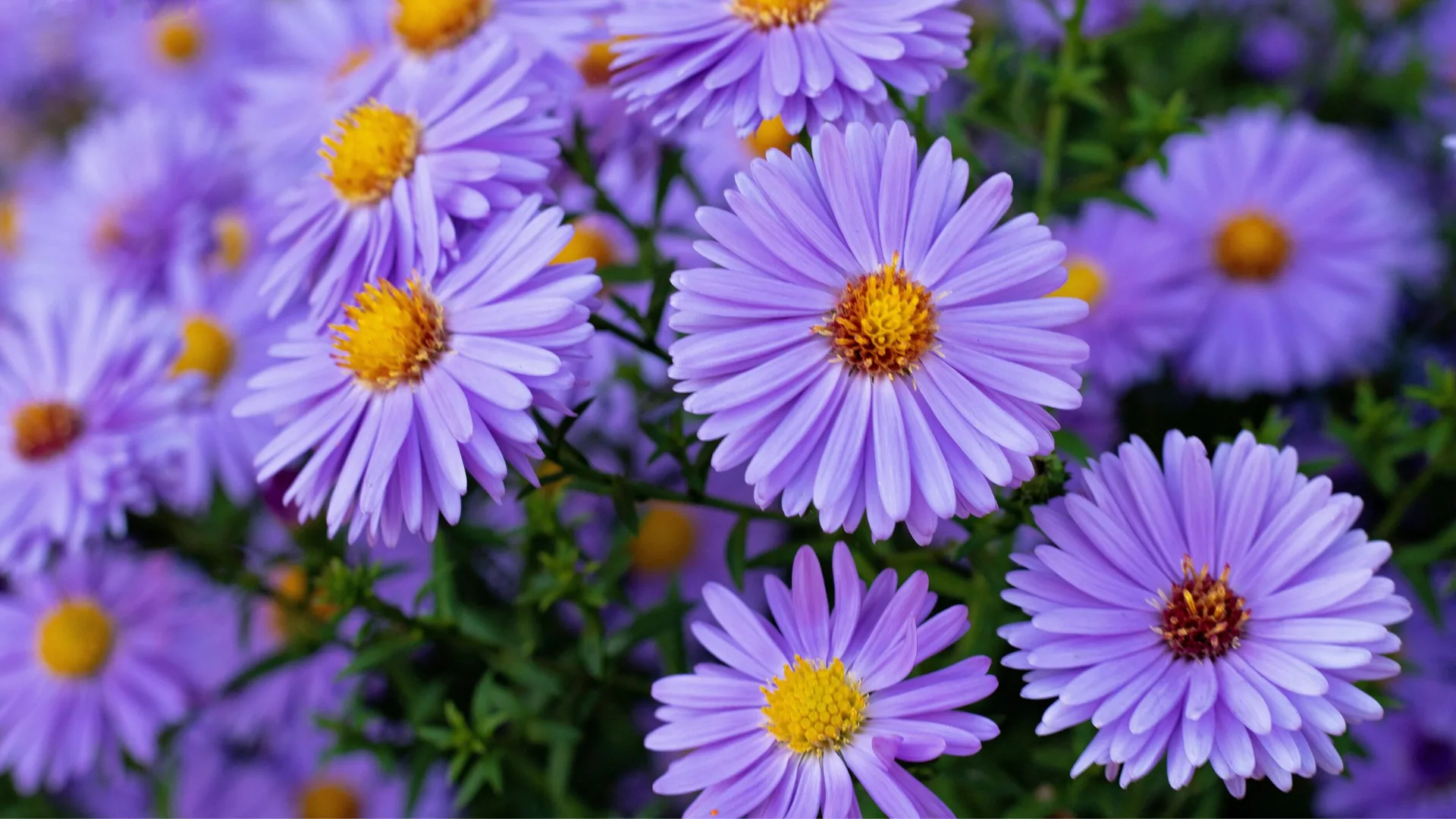
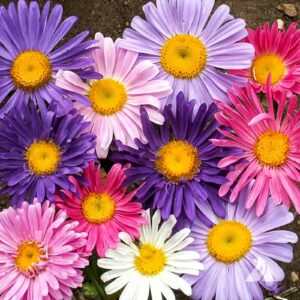
Aster is one of the most colorful flowers among Winter Season Flowers. Aster is a low-growing, spreading plant that forms a beautiful, fragrant carpet of tiny flowers. Typically found in classic white (great for night gardens), it also comes in lovely shades of purple and pink. It is the ultimate plant for edges, rock gardens, and filling gaps. Its use as an Aster ground cover is highly popular in balcony garden ideas India for its spill-over effect in containers.
- Sowing Season: October to November.
- Ideal Temperature: Germinates best at 18-22°C. Prefers growing in 15-24°C.
- Soil Type: It is highly adaptable to most well-draining soils.
- Fertilizers: Light feeders. A one-time application of compost at planting is usually sufficient.
- Germination Method & Time: Surface sow the seeds; they need light to germinate. Germination is very quick, often within 5-10 days.
- Bloom Time/Flowering Season: It blooms in just 6-8 weeks from sowing. Shear it back lightly after the first flush of flowers to encourage a fresh round of blooming.
Expert Tips for a Blooming Indian Winter Season Flowers
- Sunlight is Non-Negotiable: Most winter season flowers India require at least 5-6 hours of direct sunlight for abundant flowering. Plan your terrace gardening in winter or balcony garden ideas India around the sunniest spots.
- Water with Care: Water your plants early in the morning. Winter evaporation is slow, so overwatering is a common mistake. Always check if the top inch of soil is dry before watering again.
- Pest Patrol: While winter has fewer pests, watch out for aphids and whiteflies. A strong jet of water or a weekly spray of neem oil solution is an effective organic remedy.
- Deadhead for More Blooms: The secret to a long-lasting display is deadheading—removing spent flowers. This prevents the plant from seeding and directs all its energy into producing more flowers.
- Mulch for Protection: A light layer of mulch (like dry leaves or straw) helps retain soil moisture and protects the roots from sudden cold spells, especially in North Indian winters.
Conclusion: Sow the Winter Season Flower Seeds for Your Paradise
Indian winter gardening with winter season flowers is a deeply rewarding experience. The season is forgiving, the flowers are vibrant, and the results are spectacular. By choosing the right plants from this list of flowers to grow winter season flowers following their simple needs, you can create a breathtaking oasis that thrives through the cool months.
From the majestic spikes of Snapdragons to the sweet-smelling Aster ground cover, each of these top 10 winter season flowers India offers something unique. So, visit us and pick up your best winter season flowers like Snapdragon flower seeds, Dianthus Carnation India varieties, and others, and get ready to get your hands dirty. Your winter wonderland is waiting to be planted.
Buy This Top 10 Winter Season Flowers Seeds Now!
-
Double Marigold Flower Seeds
Original price was: ₹99.00.₹30.00Current price is: ₹30.00. -
Petunia Flower Seeds (Mix Color)
Original price was: ₹99.00.₹30.00Current price is: ₹30.00. -
Pansy Flower Seeds (Mix Color)
Original price was: ₹99.00.₹30.00Current price is: ₹30.00. -
Antirrhinum Flower Seeds (Mix Color)
Original price was: ₹99.00.₹30.00Current price is: ₹30.00. -
Calendula Flower Seeds (Mix Color)
Original price was: ₹99.00.₹30.00Current price is: ₹30.00. -
Dianthus Flower Seeds (Mix Color)
Original price was: ₹99.00.₹30.00Current price is: ₹30.00. -
Verbena Flower Seeds (Mix Color)
Original price was: ₹99.00.₹30.00Current price is: ₹30.00. -
Nasturtium Flower Seeds (Mix Color)
Original price was: ₹99.00.₹30.00Current price is: ₹30.00. -
Salvia FlowerSeeds (Mix Color)
Original price was: ₹99.00.₹30.00Current price is: ₹30.00. -
Aster Flower Seeds (Mix Color)
Original price was: ₹99.00.₹30.00Current price is: ₹30.00.