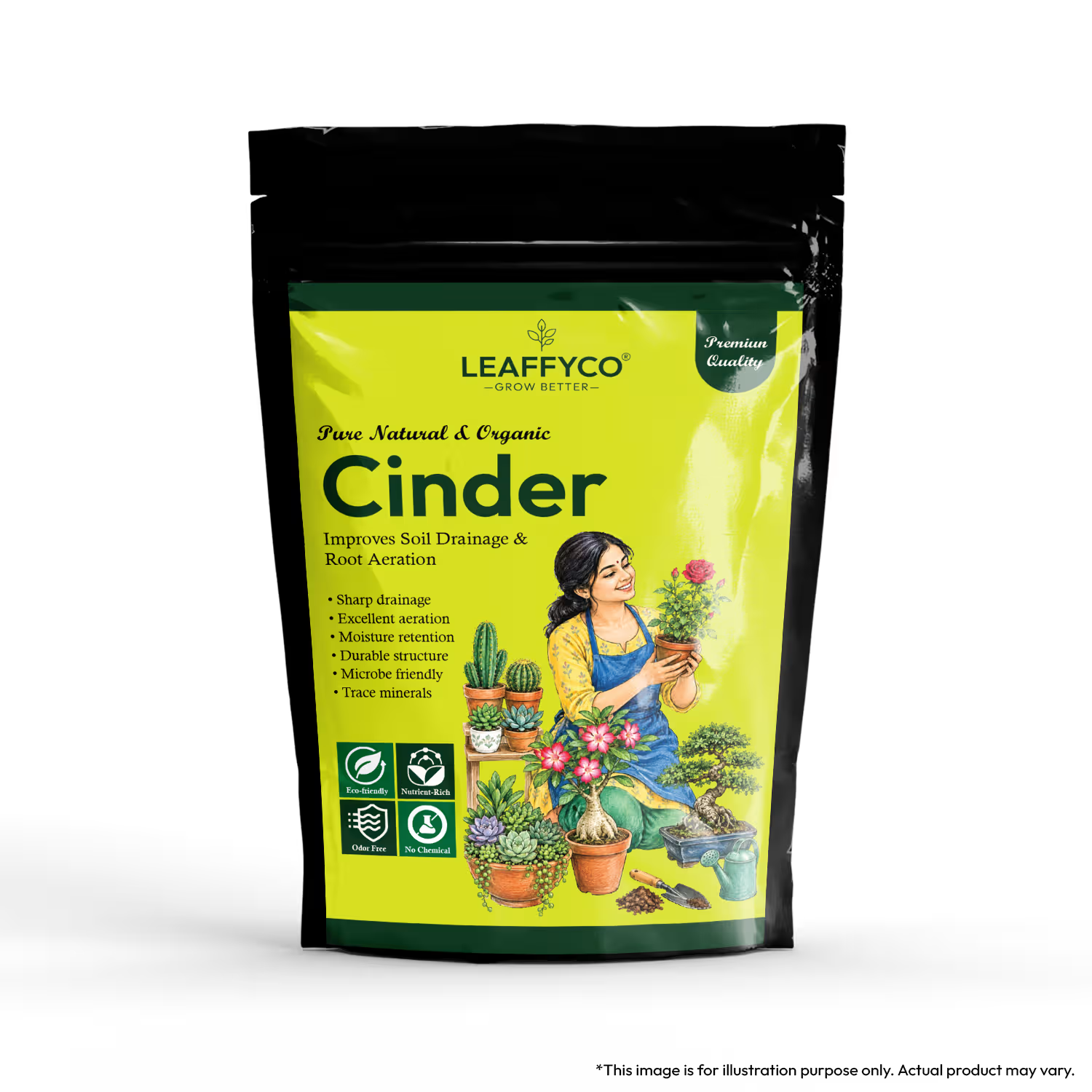


Cinder for Plants is a versatile gardening soil amendment that helps improve soil structure, drainage and aeration for healthier plant growth. It is an excellent growing medium ingredient for home gardeners, terrace gardeners, nursery growers and plant enthusiasts who want to create a well-draining and breathable environment for their plants. Whether you are growing succulents, cactus, roses, adenium, bonsai, indoor plants, outdoor plants or flowering plants, cinder for plants can be a valuable addition to your regular potting mix.
Healthy plant growth starts with healthy roots. Roots require adequate oxygen, moisture and physical space to spread and develop properly. When garden soil becomes too compact or retains excessive water, roots may struggle to breathe. Poor drainage can also create waterlogged conditions that increase the risk of root rot and other root-related problems. Adding suitable cinder to a potting mixture can help create a more open soil structure, allowing excess water to drain and improving air movement around the roots.
Cinder is a porous, granular material used in gardening as a soil conditioner and growing media component. Depending on its source, horticultural cinder may come from processed coal combustion by-products or naturally occurring volcanic material. Its suitability depends on its quality, cleanliness, particle size and preparation. For gardening applications, clean and appropriately processed cinder for plants is preferred.
One of the biggest advantages of using cinder in gardening is its ability to improve drainage without relying entirely on heavy soil materials. It can be combined with garden soil, cocopeat, compost, vermicompost, perlite and other potting mix ingredients to create a growing medium suitable for different plant varieties.
For Indian home gardens, where heavy rainfall, humidity and frequent watering can sometimes create drainage problems, using an appropriate amount of cinder for plants in potting mixtures can be particularly useful. It helps gardeners prepare growing media that are better suited to plants requiring good drainage and root aeration.
Whether you are repotting an existing plant, preparing a new potting mixture, growing cactus and succulents or improving the structure of your garden soil, Cinder for Plants is a useful gardening material to consider.
Composition of Cinder for Plants
Cinder for Plants is a granular mineral-based growing medium or soil amendment. Its exact composition depends on the source and manufacturing or processing method.
Depending on the product, horticultural cinder may contain:
- Mineral-based granular material: Provides physical structure and support within the growing medium.
- Porous particles: Help create air spaces within the potting mixture.
- Natural mineral components: May contain different mineral constituents depending on the source material.
- Coarse granular particles: Help improve soil structure and create pathways for excess water drainage.
Important: Cinder is primarily used as a physical soil amendment, not as a complete fertilizer. It should not be considered a guaranteed source of NPK or essential plant nutrients. For healthy plant growth, combine it with suitable organic manure, compost or fertilizers according to plant requirements.
Key Features of Cinder for Plants
Cinder offers several useful properties that make it a popular ingredient in gardening and potting soil preparation.
- Excellent Soil Drainage: Cinder for plants helps improve water drainage in pots and garden beds. Its granular structure creates spaces that allow excess water to move through the growing medium, reducing the chances of prolonged waterlogging.
- Improves Root Aeration: Plant roots need oxygen for healthy growth. Cinder for plants helps create air pockets within the potting mixture, allowing better air circulation around the root zone.
- Helps Prevent Soil Compaction: Regular garden soil can become hard and compact over time, especially when repeatedly watered. Mixing cinder for plants into the soil helps maintain a loose and open structure.
- Supports Healthy Root Development: A well-aerated growing medium provides better conditions for root expansion. Cinder for plants helps create an environment where roots can spread more easily.
- Suitable for Different Plants: Cinder for plants can be used in potting mixtures for various plant varieties, including:
- Cactus and succulents
- Adenium and desert roses
- Bonsai plants
- Rose plants
- Indoor and outdoor plants
- Ornamental plants
- Flowering plants
- Tropical plants
- Terrace garden plants
- Long-Lasting Soil Amendment: Unlike organic materials that gradually decompose, suitable mineral-based cinder particles can maintain their physical structure for extended periods. They can also be cleaned and reused when appropriate.
- Ideal for Custom Potting Mixes: Cinder for plants can be combined with different gardening ingredients to prepare potting mixtures according to the drainage and aeration requirements of individual plants.
- Useful for Container Gardening: Cinder for plants is particularly useful in pots, containers, grow bags and planters where proper drainage is essential for maintaining healthy roots.
Benefits of Using Cinder for Plants
- Better Water Management: Excess water is one of the common reasons behind unhealthy roots in container gardening. When soil remains excessively wet, roots may experience oxygen deficiency.
- Cinder helps improve the physical drainage properties of potting mixtures, allowing excess water to move away from the root zone. This is particularly beneficial for plants that prefer well-drained growing conditions.
- Reduces the Risk of Root Rot: Root rot is commonly associated with prolonged waterlogging and poorly aerated growing media. By improving drainage and air spaces, cinder can help reduce conditions that favour root problems.
- However, cinder does not act as a fungicide or guarantee protection against fungal diseases. Proper watering, clean pots and healthy growing media are also important.
- Encourages Stronger Root Systems: A healthy root system is essential for nutrient and water absorption. A loose and well-aerated potting mixture allows roots to explore the growing medium more easily.
- Adding cinder to an appropriate soil mixture helps create favourable physical conditions for root development.
- Improves Heavy Garden Soil: Some garden soils contain excessive clay and become sticky when wet and hard when dry. Such soil may restrict drainage and root movement. Mixing suitable cinder for plants into heavy soil can help improve its physical structure and create a more open growing environment.
- Supports Healthy Succulent Growth: Succulents store water in their leaves and stems and generally require a well-draining growing medium. Cinder for plants is useful in succulent potting mixes because it helps reduce excessive moisture retention and provides better root aeration.
- Suitable for Cactus Gardening: Cactus plants generally prefer growing media that drain quickly. Adding cinder to a cactus potting mixture can help create the gritty structure required for healthy cultivation.
- Helpful for Adenium Plants: Adenium, commonly known as Desert Rose, performs well in a suitable, well-draining potting mixture. Cinder can be included to improve drainage and maintain a breathable root environment.
- Useful for Bonsai Potting Mixes: Bonsai plants require carefully prepared growing media that provide drainage, aeration and sufficient moisture management. Cinder for plants can be incorporated into bonsai soil mixtures depending on the tree species, climate and watering frequency.
- Supports Flowering Plant Cultivation: Roses and other ornamental flowering plants benefit from healthy root development and balanced moisture conditions. Cinder for plants can help improve the physical properties of their potting mixtures. Remember that flowering also depends on adequate sunlight, nutrition, pruning and proper watering.
- Improves Container Gardening: Container plants depend entirely on the growing medium provided inside their pots. Using cinder as part of a suitable potting mixture can help maintain better drainage and reduce soil compaction over time.
How to Use Cinder for Plants
Using Cinder for Plants is simple. It can be mixed with different soil ingredients depending on the type of plant, pot size and growing conditions.
Follow these steps for better results.
- Step 1: Select the Right Cinder: Choose clean, appropriately processed horticultural cinder. Select a particle size suitable for your plant and pot size. Smaller particles are generally useful for small pots and finer growing media, while larger particles can be suitable for bigger containers and plants requiring a coarser mix.
- Step 2: Clean the Cinder: If the cinder for plants is supplied unwashed, rinse it with clean water to remove loose dust and unwanted fine particles. Allow excess water to drain before mixing it with other ingredients. Follow the supplier’s instructions if the product is already washed and ready to use.
- Step 3: Prepare the Potting Mixture: Mix cinder with suitable ingredients such as:
- Garden soil
- Cocopeat
- Vermicompost
- Well-decomposed compost
- Perlite
- Leaf mould
- Other suitable potting media
- The combination depends on the plant’s moisture and drainage requirements.
- Step 4: Add Cinder in the Appropriate Quantity: Start with approximately 20–30% cinder by volume in a general-purpose potting mix and adjust according to the plant’s requirements. For example:
| Ingredient | Quantity |
|---|---|
| Garden soil | 40% |
| Cinder | 30% |
| Cocopeat | 20% |
| Vermicompost | 10% |
This is a starting formulation, not a universal recipe. Plants that prefer very fast drainage may need a different mixture, while moisture-loving plants may require more water-retentive ingredients.
- Step 5: Fill the Pot: Select a pot with sufficient drainage holes. Fill it with the prepared potting mixture, leaving adequate space at the top for watering.
- Step 6: Plant or Repot: Place your plant carefully in the pot and cover the roots with the growing medium. Avoid pressing the mixture too tightly because compacted soil can reduce air circulation.
- Step 7: Water According to Plant Requirements: Water the plant according to its species and growing conditions. Check the moisture level before watering again. Remember that adding cinder can change how quickly the potting mixture dries, so adjust your watering schedule accordingly.
Used For – Where Can You Use Cinder for Plants?
Cinder is a versatile gardening material that can be used in several gardening applications.
- Cinder for Succulent Plants: Succulents require well-draining soil to prevent prolonged moisture around their roots. Cinder can be mixed with other gritty materials and suitable organic components to create a succulent potting mix.
- Cinder for Cactus Plants: Cactus plants generally prefer a porous growing medium. Cinder helps create a loose, gritty mixture that supports drainage and root aeration.
- Cinder for Adenium: Adenium plants are popular for their attractive flowers and swollen stems. A well-draining growing medium is important for maintaining healthy roots. Cinder can be included in adenium potting mixtures.
- Cinder for Rose Plants: Roses require healthy roots and balanced moisture conditions. Cinder can be mixed with garden soil and organic compost to improve the structure of rose potting media.
- Cinder for Bonsai: Bonsai growers often prepare customised growing media to maintain appropriate drainage, aeration and moisture levels. Cinder can be one of the components in such mixtures.
- Cinder for Indoor Plants: Indoor plants grown in containers may experience drainage problems if the potting medium is too dense. Cinder can help improve the structure of suitable indoor plant mixes.
- Cinder for Outdoor Plants: Cinder can also be incorporated into outdoor container gardens, terrace gardens and selected garden beds to improve soil structure.
- Cinder for Flowering Plants: Plants grown for their flowers need healthy root systems and appropriate moisture conditions. Cinder can be used in potting mixtures for ornamental and flowering plants.
- Cinder for Nursery Plants: Nursery growers can use cinder as a growing media ingredient for preparing customised mixtures for different plant varieties.
- Cinder for Terrace Gardening: Container gardening on terraces requires careful water management. Cinder can help improve the drainage properties of suitable potting mixtures used in terrace gardens.
Recommended Cinder Potting Mix Recipes
Different plants have different growing requirements. Here are some starting formulations for preparing customised potting mixes.
| Plant type | Suggested potting mixture |
|---|---|
| Cactus | 40% cinder + 30% coarse sand/pumice + 30% suitable potting soil |
| Succulents | 40% cinder + 30% perlite/pumice + 30% potting soil |
| Adenium | 40% cinder + 30% coarse sand/pumice + 30% compost-rich potting medium |
| Rose | 25% cinder + 35% garden soil + 20% compost + 20% cocopeat |
| Bonsai | 40% cinder + 30% other mineral aggregates + 30% suitable organic component |
| Indoor plants | 20% cinder + 30% garden soil + 30% cocopeat + 20% compost |
These are illustrative recipes. Adjust the ratios according to the plant species, local climate, particle size and watering habits. For moisture-loving plants, avoid using an excessively fast-draining mix.
Why Choose Cinder for Your Home Garden?
Choosing the right growing medium is an important part of successful gardening. Even when you use quality seeds, healthy plants and good fertilizers, poor soil structure can affect plant development.
Cinder offers a practical way to improve the physical properties of potting mixtures. It helps create a more breathable growing environment and supports better water movement through the soil. For home gardeners, it is useful when preparing potting mixes for succulents, cactus, adenium, bonsai, roses and other ornamental plants.
Whether you are a beginner growing your first indoor plant or an experienced gardener maintaining a terrace garden, incorporating suitable cinder into your potting mixture can help you manage drainage and soil structure more effectively.
Important Gardening Tips for Best Results
- Always choose clean, gardening-grade cinder from a reliable source.
- Check whether the material is coal-derived or volcanic before use.
- Avoid using untreated industrial ash or unknown combustion waste in your garden.
- Wash dusty cinder before mixing if necessary.
- Select the particle size according to your pot and plant.
- Do not use cinder as a complete replacement for fertilizer.
- Combine cinder with suitable organic matter when required.
- Use pots with proper drainage holes.
- Avoid excessive watering, even when using a well-draining growing medium.
- Monitor plant growth and adjust the potting mixture when necessary.
Frequently Asked Questions (FAQs)
Q1. What is cinder used for in gardening?
Cinder is used as a soil amendment and potting mix ingredient to improve soil drainage, aeration and physical structure. It is commonly used for cactus, succulents, adenium, bonsai, roses and other ornamental plants.
Q2. Is cinder good for plants?
Yes, suitable horticultural cinder can be beneficial for plants that require well-draining and aerated growing media. It helps improve soil structure, supports root aeration and reduces the risk of prolonged waterlogging.
Q3. How much cinder should I mix with soil?
You can start by mixing approximately 20–30% cinder by volume into a general-purpose potting mix. Plants such as cactus and succulents may require a higher proportion depending on their growing requirements.
Q4. Can I use cinder for cactus and succulent plants?
Yes. Cinder is a useful ingredient in cactus and succulent potting mixes because its granular structure helps improve drainage and root aeration.
Q5. Is cinder better than perlite for plants?
Cinder and perlite serve similar purposes in improving growing media aeration, but they have different physical properties. Cinder is generally heavier and more granular, while perlite is lightweight and can provide additional air spaces. Both can be useful depending on the plant and potting mix requirements.
Final Words
Cinder for Plants is a useful gardening soil amendment for gardeners who want to improve drainage, soil aeration and potting mix structure. Its porous and granular properties make it a valuable ingredient for preparing growing media for cactus, succulents, adenium, bonsai, roses, indoor plants and outdoor ornamental plants. By combining cinder with suitable garden soil, cocopeat, compost and other growing media ingredients, you can prepare customised potting mixtures according to the requirements of different plants.
If you are looking to improve your potting soil, support healthy root development and maintain better drainage in your home garden, Cinder for Plants is a practical addition to your gardening supplies. Give your plants a better growing environment with properly prepared soil and quality gardening materials!

Reviews
There are no reviews yet