
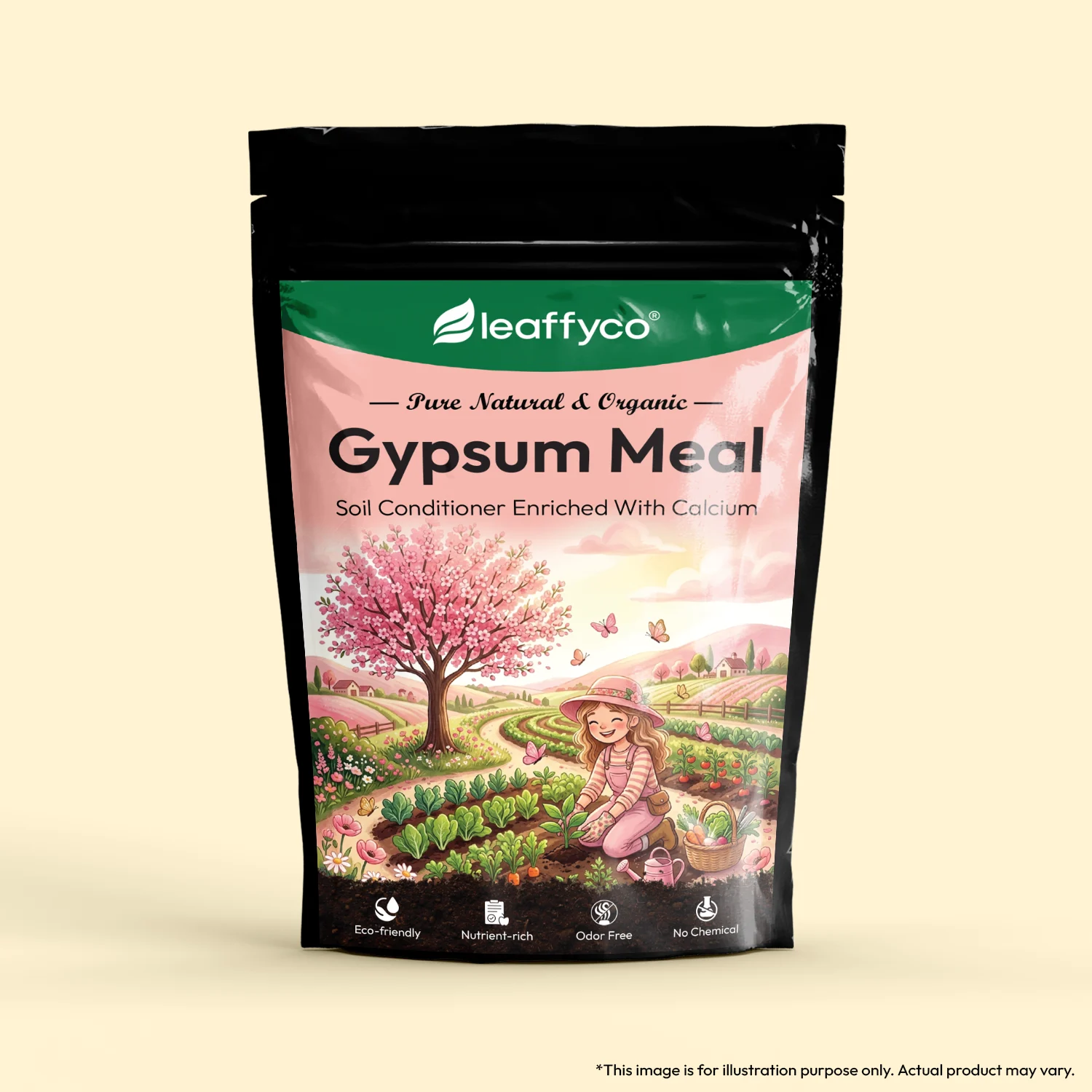
Gypsum Meal is one of the most effective natural soil amendments used in modern gardening, farming, landscaping, and horticulture. Derived from naturally occurring gypsum mineral (Calcium Sulfate Dihydrate – CaSO₄·2H₂O), Gypsum Meal serves as both a soil conditioner and a valuable source of calcium and sulfur, two essential secondary nutrients required for healthy plant growth.
Unlike lime-based soil amendments, Gypsum Meal improves soil structure without significantly altering soil pH, making it suitable for a wide range of crops and soil types. It is particularly beneficial for heavy clay soils, compacted soils, sodic soils, and fields suffering from calcium or sulfur deficiencies. Agricultural gypsum has been widely used by farmers worldwide to improve water infiltration, root development, nutrient uptake, and crop productivity.
Whether you are growing vegetables, flowers, fruits, herbs, lawns, or field crops, Gypsum Meal can play a crucial role in improving long-term soil health and maximizing plant performance.
What is Gypsum Meal?
Gypsum Meal is a finely ground natural mineral containing calcium sulfate. It provides plants with readily available calcium and sulfur while simultaneously improving soil physical properties. The typical nutrient composition of agricultural gypsum contains approximately:
- Calcium (Ca): 20–23%
- Sulfur (S): 16–18%
- pH Neutral
- NPK Value: 0-0-0
Unlike many chemical fertilizers that focus only on nitrogen, phosphorus, and potassium, Gypsum Meal addresses soil structure and secondary nutrient deficiencies that often limit plant growth and productivity.
Key Benefits of Gypsum Meal
- Excellent Source of Calcium: Calcium is essential for strong cell wall formation, healthy root growth, nutrient transport, and overall plant vigor. Plants suffering from calcium deficiency often display poor growth, weak stems, blossom-end rot in tomatoes, and reduced fruit quality.
- Gypsum Meal provides a readily available source of calcium that can move deeper into the soil profile compared to many other calcium sources. This encourages stronger root systems and healthier crops.
- Supplies Sulfur for Better Plant Growth: Sulfur plays a critical role in protein synthesis, enzyme formation, chlorophyll production, and crop quality. Many agricultural soils today are becoming increasingly sulfur deficient.
- Applying Gypsum Meal helps replenish sulfur levels naturally, promoting greener foliage, improved flowering, and higher crop yields.
- Improves Soil Structure: One of the most recognized benefits of Gypsum Meal is its ability to improve soil aggregation and structure. Calcium helps bind soil particles into stable aggregates, creating a loose, crumbly soil texture.
- Benefits include:
- Improved aeration
- Better root penetration
- Enhanced microbial activity
- Reduced soil compaction
- Increased water movement
- These improvements create ideal growing conditions for most plants.
- Benefits include:
- Reduces Soil Compaction: Compacted soil restricts root growth, oxygen availability, and water movement. Gypsum Meal helps loosen dense soils, especially clay soils, improving root development and nutrient uptake.
- Many gardeners and farmers report improved drainage and root penetration after regular gypsum applications.
- Enhances Water Infiltration and Drainage: Heavy clay soils often suffer from poor drainage and waterlogging. Gypsum Meal helps create pore spaces within the soil, allowing water to move more freely.
- Benefits include:
- Reduced standing water
- Improved irrigation efficiency
- Better drought resilience
- Enhanced root oxygen availability
- This creates healthier growing conditions for vegetables, fruits, and ornamental plants.
- Benefits include:
- Helps Manage Sodic and Saline Soils: Gypsum is widely used to reclaim sodic soils by replacing excess sodium with calcium. This improves soil structure and allows excess salts to be leached from the root zone. For agricultural land affected by salinity issues, It can be an important component of soil restoration programs.
- Supports Better Root Development: Strong roots are the foundation of healthy plants. Calcium supplied through it promotes root elongation, root branching, and overall root health. Deeper roots help plants access more water and nutrients while improving resistance to drought stress.
- Does Not Change Soil pH: Unlike agricultural lime, Gypsum Meal provides calcium without significantly affecting soil acidity or alkalinity. This makes it suitable for soils where calcium supplementation is needed without altering pH levels.
- Reduces Surface Crusting: Soil crusting can prevent seed emergence and reduce water infiltration. Regular gypsum applications help minimize surface crust formation, creating better conditions for seed germination and plant establishment.
- Improves Nutrient Uptake Efficiency: Calcium plays an important role in nutrient absorption and transport within plants. By improving soil structure and supplying essential nutrients, Gypsum Meal enhances the efficiency of fertilizer use and nutrient availability.
How to Use Gypsum Meal
- For Home Gardens: Apply 50–100 grams per square meter and mix into the topsoil before planting.
- For Potted Plants: Mix 10–20 grams into the potting media every 2–3 months.
- For Vegetable Beds: Apply evenly across the bed and incorporate into the top 10–15 cm of soil.
- For Fruit Trees: Spread around the drip line and water thoroughly after application.
- For Agricultural Fields: Application rates vary based on soil conditions and crop requirements. Soil testing is recommended for best results.
Why Gardeners and Farmers Choose Gypsum Meal
Modern growers increasingly recognize that healthy soil is the foundation of successful gardening and farming. Gypsum Meal offers a natural and sustainable solution for improving soil quality while supplying essential nutrients. Popular reasons growers choose it include:
- Natural soil amendment
- Rich source of calcium and sulfur
- Improves soil aeration
- Better water infiltration
- Enhanced root growth
- Reduced compaction
- Improved nutrient efficiency
- Suitable for organic gardening
- Supports higher crop yields
- Long-term soil health improvement
These benefits have made gypsum one of the most widely recommended soil conditioners in agriculture and horticulture.
Final Words
Gypsum Meal is an exceptional soil conditioner and secondary nutrient fertilizer that delivers lasting benefits for gardeners, landscapers, and farmers. By supplying calcium and sulfur while improving soil structure, drainage, aeration, and root development, it creates an ideal environment for healthy plant growth and maximum productivity.
Whether you are cultivating vegetables, flowers, fruit trees, lawns, or agricultural crops, adding it to your soil management program can help improve soil fertility, increase nutrient efficiency, and support stronger, healthier plants for years to come. Its ability to enhance soil quality without affecting pH makes it one of the most versatile and valuable soil amendments available today.
Frequently Asked Questions (FAQs)
What is Gypsum Meal used for?
It is used to improve soil structure, reduce compaction, supply calcium and sulfur, improve drainage, and promote healthier root growth.
Does Gypsum Meal increase soil pH?
No. It is considered pH neutral and generally does not significantly alter soil pH.
Can Gypsum Meal be used in organic gardening?
Yes. Natural agricultural gypsum is commonly used in organic gardening and sustainable farming systems.
How often should I apply Gypsum Meal?
Most gardens benefit from applications once or twice per year, depending on soil conditions and crop requirements.
Which plants benefit most from Gypsum Meal?
Vegetables, flowering plants, fruit trees, lawns, and field crops all benefit from improved calcium availability and soil structure.
Reviews
There are no reviews yet