
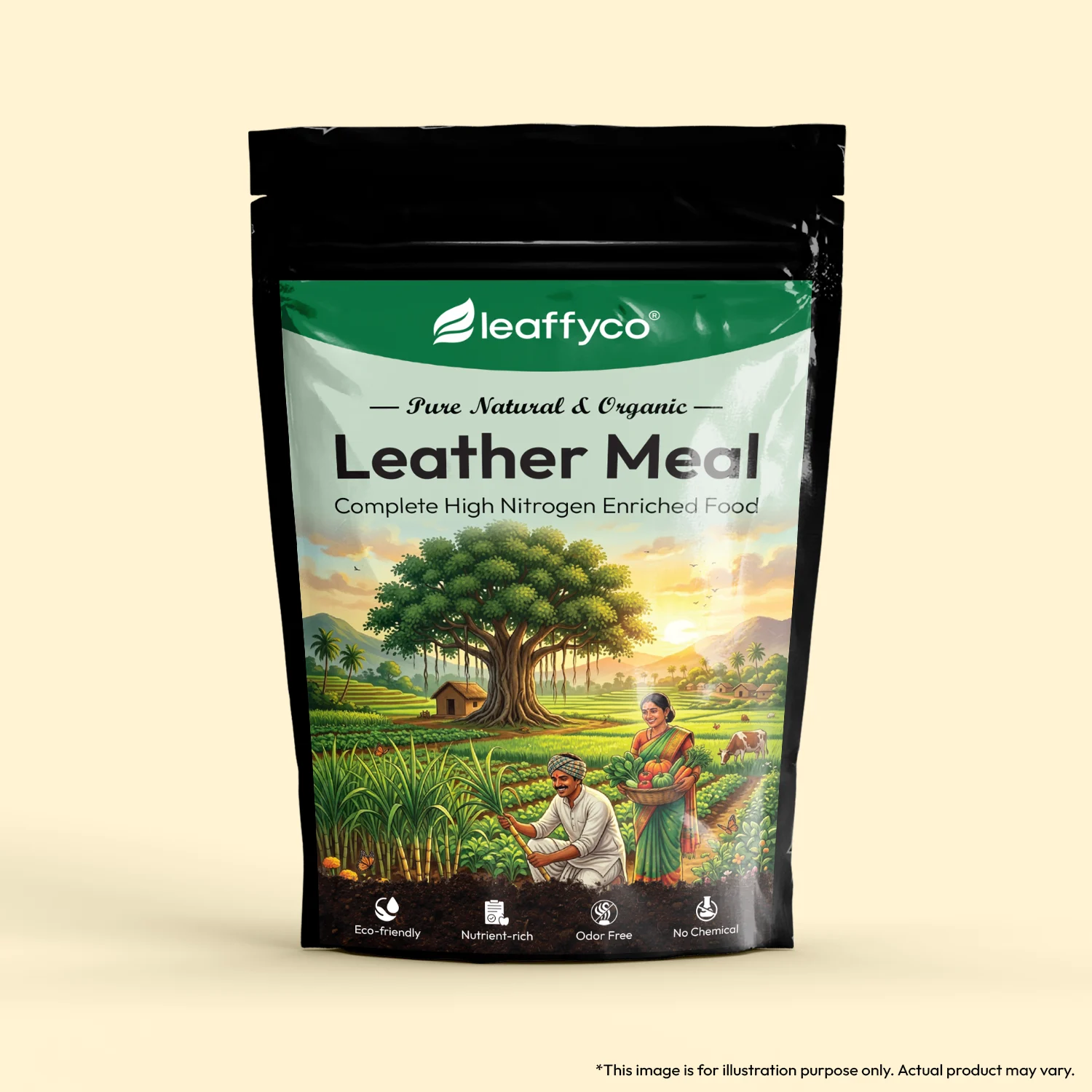
Leather Meal Fertilizer is one of the most effective organic nitrogen fertilizers available for gardeners, farmers, horticulturists, and organic growers seeking sustainable plant nutrition. Derived from processed leather industry by-products, Leather Meal contains a high concentration of proteins, amino acids, collagen, and slow-release organic nitrogen that gradually becomes available to plants through microbial activity in the soil. Typically containing 8–14% nitrogen and high levels of organic protein, Leather Meal is widely valued as a long-lasting source of nutrition that improves both plant growth and soil health.
Unlike synthetic fertilizers that provide an immediate nutrient spike followed by rapid depletion, Leather Meal releases nutrients steadily over time. This gradual nutrient availability reduces nutrient leaching, enhances nutrient-use efficiency, and supports continuous plant growth throughout the growing season. Leather Meal is particularly beneficial for leafy vegetables, fruit trees, flowering plants, ornamental gardens, lawns, and commercial agricultural crops requiring a sustained supply of nitrogen.
For gardeners looking for a natural nitrogen fertilizer that not only feeds plants but also enriches the soil ecosystem, Leather Meal is an excellent choice.
What is Leather Meal Fertilizer?
Leather Meal is an organic fertilizer produced by grinding and processing leather scraps and trimmings into a fine powder or granulated form suitable for agricultural use. The resulting material is rich in protein, collagen, amino acids, and organic nitrogen that gradually break down in the soil. Leather Meal is considered a valuable organic soil amendment because it improves soil fertility while supplying essential nutrients required for plant growth.
The protein content in Leather Meal generally ranges between 50% and 70%, while nitrogen content commonly ranges between 8% and 14%, making it one of the richest organic nitrogen sources available.
Key Nutritional Composition
Typical analysis may vary by manufacturer, but Leather Meal generally contains:
- Nitrogen (N): 8–14%
- Protein: 50–70%
- Amino Acids
- Collagen
- Organic Matter
- Trace Minerals
- Moisture: 10–12%
The high protein and collagen content gradually decompose in the soil, providing a steady nutrient supply while stimulating beneficial microbial activity.
Benefits of Leather Meal Fertilizer
- Excellent Slow-Release Nitrogen Source: Nitrogen is essential for plant growth because it promotes chlorophyll production, photosynthesis, and leafy development. Leather Meal provides a slow and consistent nitrogen release that feeds plants over an extended period. This reduces the risk of nutrient loss and supports sustained vegetative growth.
- Encourages Vigorous Vegetative Growth: Plants supplied with adequate nitrogen produce healthier foliage, stronger stems, and improved overall vigor. Leather Meal is especially useful for leafy vegetables such as spinach, lettuce, cabbage, kale, and herbs.
- Improves Soil Structure: Leather Meal contributes organic matter that enhances soil texture, aeration, and moisture retention. Improved soil structure promotes healthier root systems and better nutrient uptake.
- Enhances Microbial Activity: The protein-rich composition serves as a food source for beneficial soil microorganisms. Increased microbial activity accelerates nutrient cycling and improves long-term soil fertility.
- Boosts Root Development: Healthy roots are essential for nutrient absorption and drought resistance. The amino acids and organic compounds found in Leather Meal stimulate robust root growth and establishment.
- Supports Flowering and Fruiting: Although primarily a nitrogen fertilizer, Leather Meal contributes to overall plant health, resulting in stronger flowering, fruit production, and crop yields when used as part of a balanced fertilization program.
- Eco-Friendly and Sustainable: It recycles industrial by-products into valuable agricultural inputs, supporting sustainable farming and reducing waste. This contributes to a circular economy and environmentally responsible agriculture.
How Leather Meal Improves Soil Health
Healthy soil forms the foundation of successful gardening and farming. It contributes significantly to soil improvement by:
- Increasing organic matter content
- Enhancing microbial diversity
- Improving soil aeration
- Increasing water-holding capacity
- Reducing nutrient leaching
- Supporting long-term fertility
Application Instructions
- For Vegetable Gardens: Apply 100–200 grams per square meter and mix thoroughly into the soil before planting.
- For Fruit Trees: Apply 200–500 grams around the drip line of each tree depending on age and size.
- For Flowering Plants: Mix 25–50 grams per plant into the topsoil every 45–60 days.
- For Agricultural Fields: Apply according to crop nutrient requirements and soil test recommendations.
- For Pots and Containers: Mix 10–20 grams per 8–12 inch pot every 30–45 days.
- After application, water thoroughly to activate microbial breakdown and nutrient release.
Why Choose Leather Meal Over Chemical Fertilizers?
- Long-Lasting Nutrition: Synthetic fertilizers often release nutrients rapidly, whereas Leather Meal provides a steady nutrient supply for weeks or months.
- Better Soil Health: Chemical fertilizers can contribute little organic matter. It enriches the soil while feeding plants.
- Reduced Nutrient Loss: Slow nutrient release minimizes leaching and improves nutrient-use efficiency.
- Sustainable Agriculture: It supports environmentally responsible farming practices through nutrient recycling and waste reduction.
Storage Instructions
- Store in a cool, dry place.
- Keep away from direct sunlight.
- Seal the package tightly after use.
- Avoid moisture exposure.
- Keep away from children and pets.
Ideal Combination with Other Organic Fertilizers
For complete plant nutrition, it can be combined with:
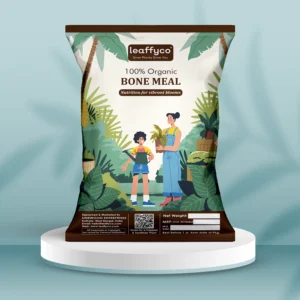
- Bone Meal
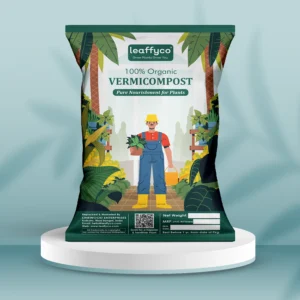
- Vermicompost
- Seaweed Extract
- Neem Cake
- Fish Meal
- Compost
- Organic Potash Sources
These combinations provide balanced nutrition including phosphorus, potassium, micronutrients, and organic matter.
Why Gardeners and Farmers Prefer Leather Meal
Modern growers increasingly choose it because it delivers:
- High nitrogen content
- Slow nutrient release
- Enhanced soil fertility
- Better root growth
- Increased microbial activity
- Sustainable nutrient management
- Improved crop productivity
- Environmentally friendly farming support
Its unique combination of nitrogen, proteins, amino acids, and organic matter makes it one of the most effective natural fertilizers available today.
Final Words
Leather Meal Fertilizer is a powerful organic nitrogen source that delivers long-lasting nutrition while improving soil health and biological activity. Rich in proteins, amino acids, collagen, and slow-release nitrogen, it supports vigorous vegetative growth, stronger roots, healthier crops, and sustainable agricultural practices. Whether you are growing vegetables, flowers, fruit trees, or field crops, Leather Meal provides a reliable and eco-friendly solution for achieving superior plant performance.
By incorporating it into your fertilization program, you invest not only in healthier plants but also in the long-term fertility and productivity of your soil. For gardeners and farmers seeking sustainable, high-performance organic fertilizers, it remains an excellent choice.
Frequently Asked Questions (FAQs)
What is Leather Meal Fertilizer used for?
It is primarily used as a slow-release organic nitrogen fertilizer that promotes leafy growth, root development, and soil fertility.
Is Leather Meal suitable for organic farming?
Suitability depends on source materials and local organic certification standards. Growers should verify product compliance before use.
How often should Leather Meal be applied?
Generally every 45–60 days during the growing season, depending on crop requirements and soil conditions.
Can Leather Meal be used for potted plants?
Yes. Small quantities mixed into potting soil provide a steady supply of nitrogen for container-grown plants.
What nutrients does Leather Meal provide?
It primarily provides organic nitrogen along with proteins, amino acids, collagen, organic matter, and trace minerals that support plant growth.
Reviews
There are no reviews yet