
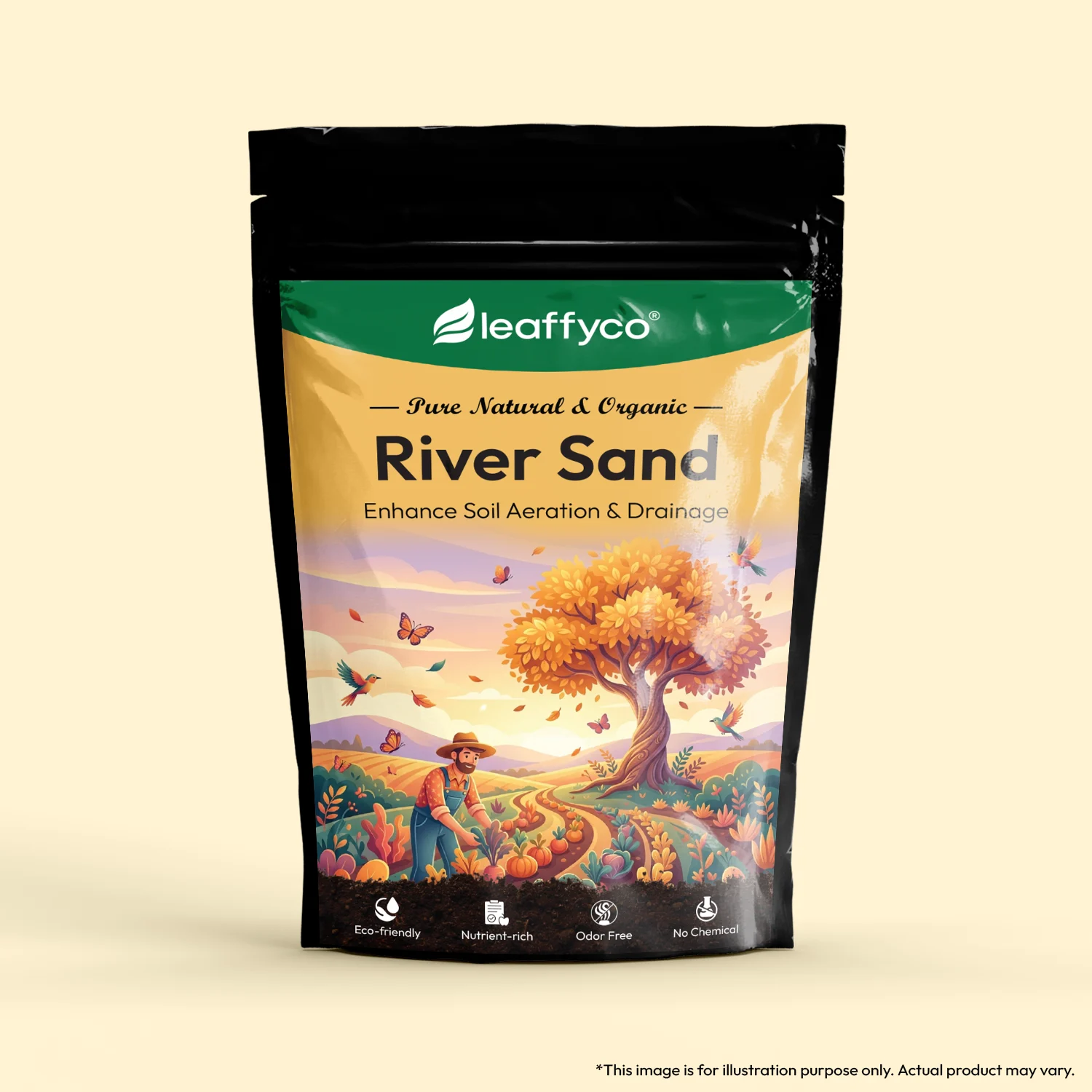
Give your plants the perfect foundation for healthy growth with our Premium River Sand for Gardening. Carefully sourced, washed, and processed, this natural river sand is an essential soil amendment for home gardeners, nursery growers, landscapers, terrace gardeners, and professional horticulturists.
Healthy plants begin with healthy soil. One of the most common problems gardeners face is poor soil drainage, compacted soil, and inadequate root aeration. River sand helps solve these issues naturally by creating air pockets in the soil, improving water movement, and promoting stronger root development. It is widely used in potting mixes, seed germination trays, succulent and cactus soil blends, vegetable gardens, flower beds, bonsai cultivation, and landscaping projects.
River sand is particularly valuable for heavy clay soils where water tends to accumulate and restrict root growth. By mixing river sand into garden soil, gardeners can significantly improve soil texture and create an ideal growing environment for a wide variety of plants. Studies and gardening experts consistently recommend river sand as a useful soil amendment for improving drainage and aeration in gardening applications.
What is River Sand?
River sand is a naturally occurring granular material formed through the weathering and erosion of rocks over many years. Water movement smooths the particles and creates a consistent texture that makes it suitable for gardening and landscaping purposes.
Unlike heavy clay soil, it allows water and oxygen to move more freely around plant roots. This creates a healthier root environment and helps plants absorb nutrients more efficiently. River sand is commonly used in:
- Potting mixtures
- Seed starting mixes
- Succulent and cactus growing media
- Vegetable gardens
- Flower beds
- Bonsai cultivation
- Nursery production
- Terrace gardening
- Landscaping projects
- Lawn improvement
Its neutral nature and excellent drainage properties make it one of the most versatile gardening materials available.
Key Features of River Sand for Gardening
- Improves Soil Drainage: One of the primary reasons gardeners use it is to improve drainage. Excess water in soil can cause root rot, fungal diseases, and poor plant growth. It helps water move freely through the growing medium, reducing waterlogging problems.
- Enhances Soil Aeration: Healthy roots require oxygen. River sand creates air spaces within the soil structure, allowing roots to breathe properly and develop more vigorously. Better aeration results in stronger and healthier plants.
- Reduces Soil Compaction: Heavy soils often become compacted over time, making it difficult for roots to spread. It loosens dense soils and improves root penetration, encouraging healthier plant establishment.
- Supports Strong Root Growth: When roots have access to oxygen, moisture, and nutrients in balanced proportions, plants develop stronger root systems. It contributes to a well-structured growing medium that supports vigorous root development.
- Ideal for Potting Mixes: It is commonly mixed with garden soil, cocopeat, compost, vermicompost, and perlite to create high-quality potting mixes suitable for most ornamental and edible plants.
- Suitable for Organic Gardening: As a natural material, it fits well into organic gardening practices and sustainable growing methods.
Benefits of Using River Sand in Gardening
- Better Water Management: Plants need consistent moisture, but they also need proper drainage. It helps maintain the right balance by preventing excessive water retention while still allowing moisture availability around roots.
- Improved Seed Germination: Many gardeners use fine washed river sand in seed trays because it provides a loose and well-draining medium that encourages seed germination and early root development.
- Healthier Vegetable Gardens: Vegetables such as tomatoes, chillies, brinjal, cucumber, okra, beans, and leafy greens perform better in loose, well-drained soil. Adding it can significantly improve growing conditions in heavy soils.
- Excellent for Succulents and Cacti: Succulents and cacti require fast-draining soil to prevent root rot. It is frequently used as a key ingredient in succulent soil mixes.
- Ideal for Bonsai Cultivation: Bonsai enthusiasts often incorporate it into their soil blends to improve drainage and root health. Community discussions among experienced growers highlight its value as a well-draining substrate when combined with other growing media.
- Enhanced Flower Production: Flowering plants thrive when roots remain healthy and oxygenated. Improved soil structure can contribute to stronger growth and better flowering performance.
Best Uses of River Sand
- Potting Mix Preparation. Mix:
- 40% Garden Soil
- 30% Compost or Vermicompost
- 20% Cocopeat
- 10% River Sand
- This creates a balanced growing medium suitable for most flowering and vegetable plants.
- Seed Germination: It provides a loose medium that promotes rapid root penetration and uniform seedling growth.
- Succulent Soil Mix: Mix it with cactus mix, perlite, and compost to create excellent drainage conditions.
- Vegetable Gardening: Add it to heavy garden soil to improve drainage and root development for vegetables.
- Bonsai Soil: Use it as part of a bonsai soil blend to maintain aeration and drainage.
- Lawn Top Dressing: It can be used to level uneven lawn surfaces and improve drainage in turf areas.
How to Use River Sand Correctly
- Use washed and clean river sand.
- Mix with compost and garden soil.
- Avoid using pure river sand as the sole growing medium for most plants.
- Incorporate organic matter to improve nutrient retention.
- Use according to the specific requirements of your plants.
Experts generally recommend it as a soil amendment rather than a standalone growing medium. Combining it with compost, cocopeat, and organic matter creates the best growing conditions.
Why Choose Our River Sand?
- Premium Quality: Carefully selected for gardening applications.
- Washed and Clean: Low dust content and suitable for plant use.
- Natural and Chemical-Free: Safe for vegetables, flowers, herbs, and ornamental plants.
- Multi-Purpose Use: Suitable for potting mixes, landscaping, lawns, seed germination, bonsai, succulents, and vegetable gardens.
- Easy to Use: Mixes effortlessly with existing soil and growing media.
Final Words
Premium River Sand for Gardening is one of the simplest and most effective ways to improve soil health, drainage, aeration, and root development. Whether you are growing vegetables, flowers, herbs, succulents, bonsai, or ornamental plants, river sand helps create a healthier growing environment that supports vigorous plant growth and long-term garden success.
Frequently Asked Questions (FAQs)
Is river sand good for gardening?
Yes. It improves drainage, aeration, and soil structure, making it beneficial for many garden plants.
Can I use river sand for seed germination?
Yes. Fine washed river sand is commonly used in seed-starting mixes because it promotes healthy root growth and drainage.
Is river sand suitable for succulents and cacti?
Absolutely. Succulents and cacti benefit from the excellent drainage provided by it.
How much river sand should I mix with soil?
Typically, 10–30% of it can be mixed into potting media depending on the plant type and existing soil condition.
Does river sand contain nutrients?
It mainly improves soil structure and drainage. It should be combined with compost or fertilizers for complete plant nutrition.


Reviews
There are no reviews yet